Understanding Aging in Place
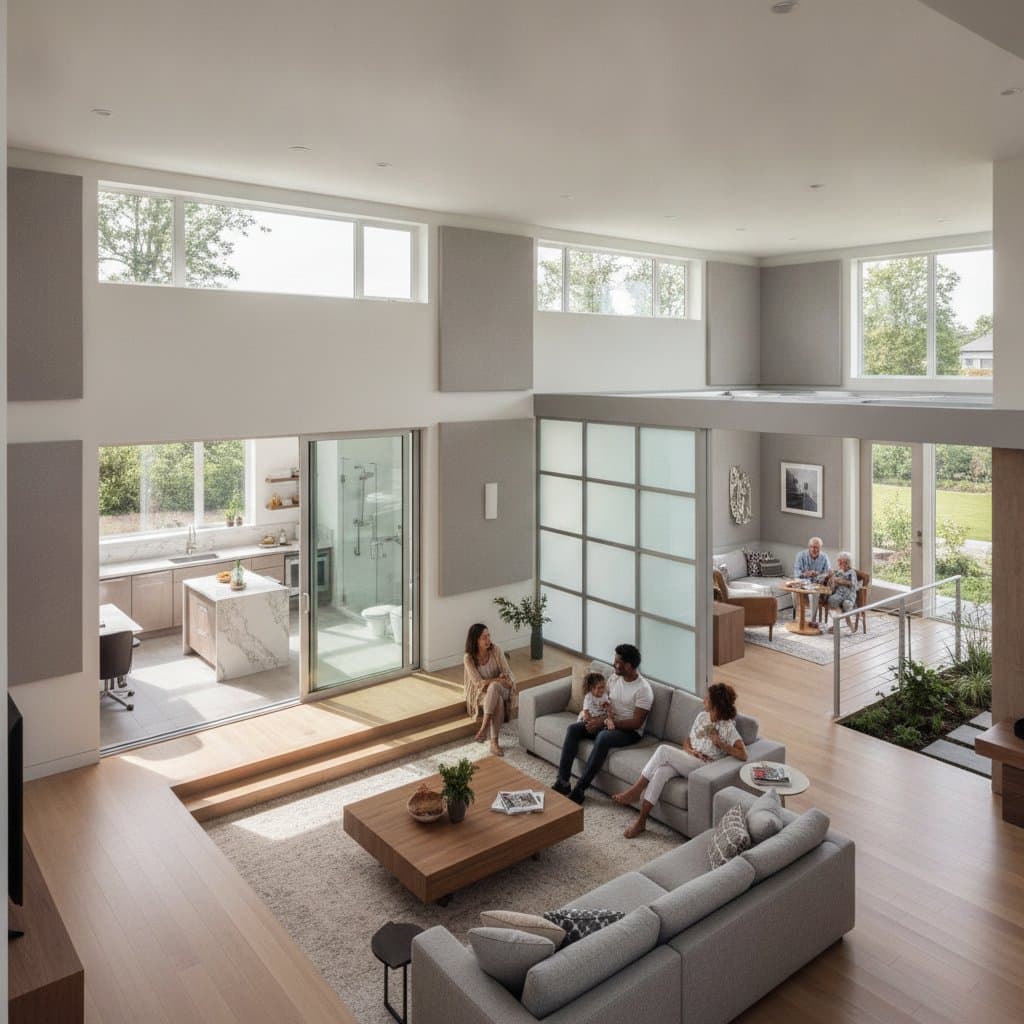
Aging in place refers to the practice of modifying a home to support residents as they grow older, allowing them to remain independent without relocating. This approach prioritizes safety features, accessibility, and comfort tailored to changing needs. Homeowners increasingly choose these remodels to maintain familiarity and quality of life.
The concept gains traction amid rising healthcare costs and a desire for personalized living spaces. Professional contractors assess individual requirements to design solutions that blend seamlessly with existing architecture. Such adaptations not only address immediate concerns but also future-proof properties against mobility challenges.
Key Benefits of Aging-in-Place Modifications
These remodels enhance daily living by reducing fall risks and simplifying routines. For instance, wider doorways and non-slip flooring promote effortless navigation. Beyond physical improvements, they foster emotional well-being through sustained home connections.
Financial advantages emerge in the form of preserved equity and potential resale boosts. Studies project that well-executed updates yield returns between 60 and 75 percent by 2026, depending on market conditions and location. Long-term savings on assisted living expenses further underscore the value of proactive investments.
Environmentally, sustainable materials in these projects minimize waste and energy use. Homeowners report higher satisfaction levels post-remodel, citing increased confidence in home management. Overall, these changes create resilient spaces that support multigenerational living.
Essential Remodel Areas for Safety and Accessibility
Bathrooms: Prioritizing Slip Prevention and Ease of Use
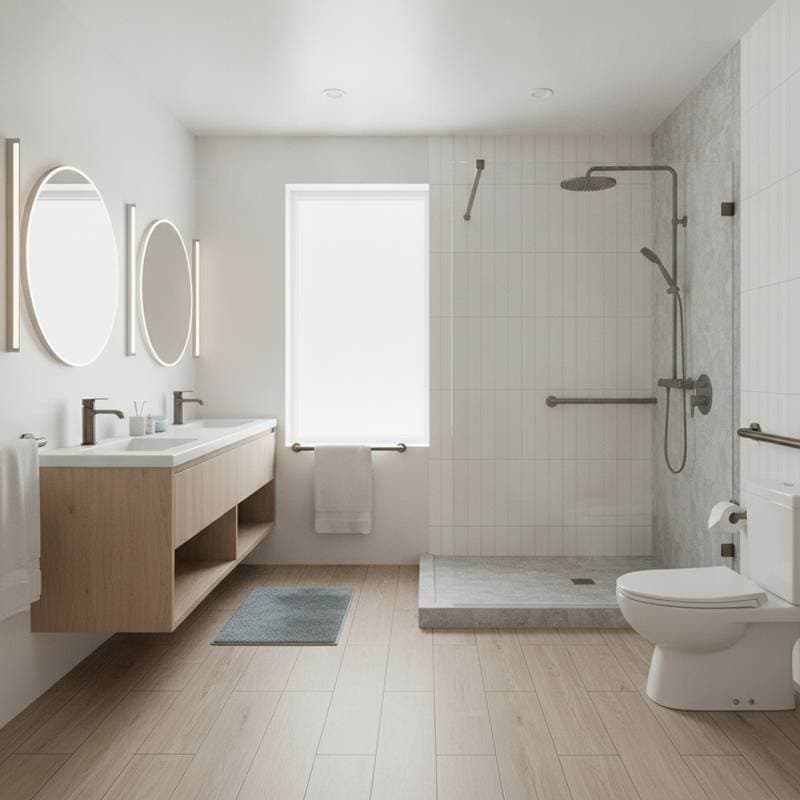
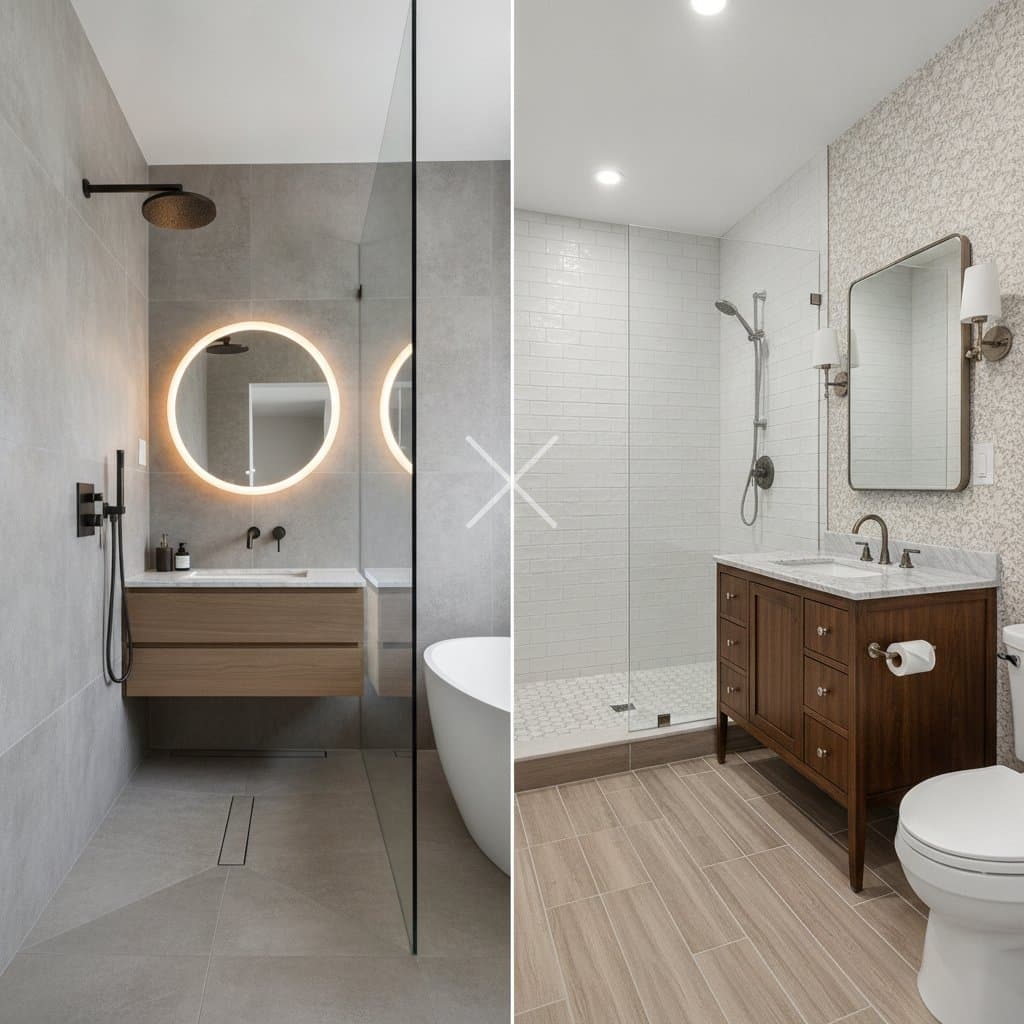
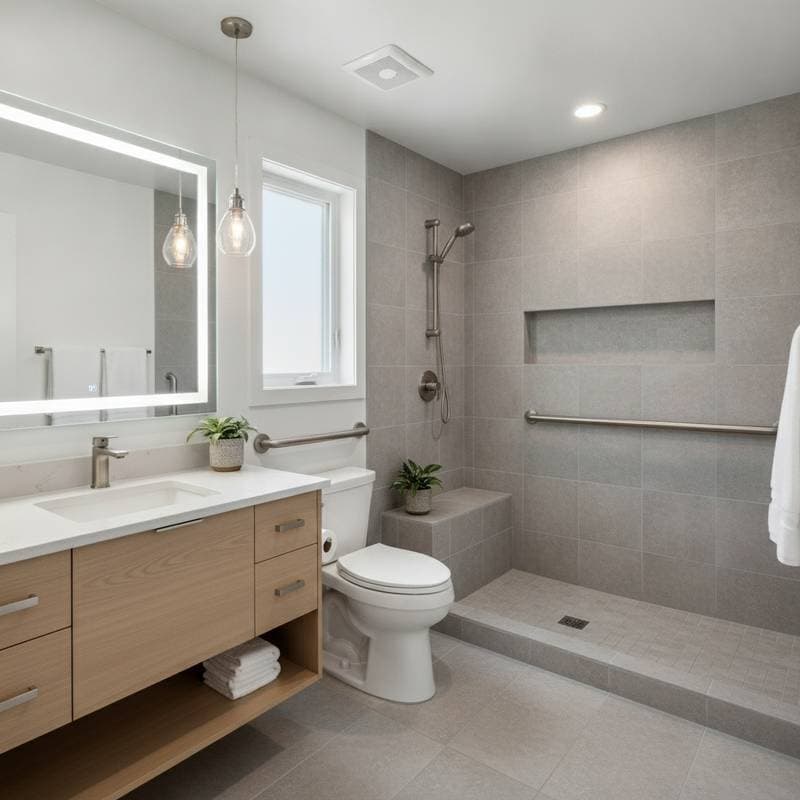
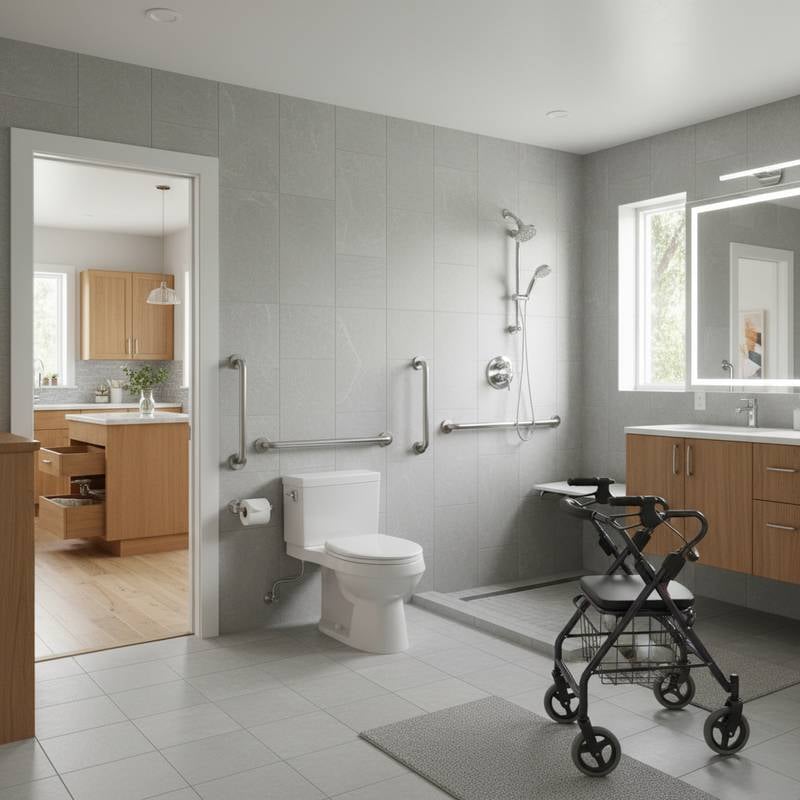
Bathrooms demand focused attention due to their high-risk nature for slips and strains. Installing grab bars near toilets and showers provides stable support without altering aesthetics. Walk-in tubs or curbless showers eliminate stepping hazards, facilitating safe entry and exit.
Lever faucets replace twist handles for simpler operation, especially with arthritic hands. Heated floors add warmth and comfort during colder months. These elements combine to transform a standard bathroom into a secure retreat, with costs typically ranging from $10,000 to $20,000.
Kitchens: Designing for Independence
Kitchens evolve into efficient hubs with pull-out cabinets and adjustable counter heights. These features allow users to access items without excessive reaching or bending. Soft-close drawers and touchless appliances further streamline tasks.
Seating options like built-in benches at islands accommodate resting during meal preparation. Lighting upgrades, such as under-cabinet LEDs, improve visibility for precise work. Budget for this area often falls between $15,000 and $25,000, balancing innovation with practicality.
Entryways and Hallways: Welcoming Transitions
Entryways benefit from zero-threshold designs that accommodate wheelchairs or walkers. Ramped approaches replace stairs, ensuring smooth arrivals. Motion-sensor lighting activates upon approach, reducing fumbling in low light.
Hallways widen to at least 36 inches for clear passage, with handrails along walls for added stability. Durable, low-pile flooring resists wear while providing traction. These modifications, costing $5,000 to $10,000, create inviting pathways throughout the home.
Cost Breakdown and Budgeting Strategies
The average aging-in-place remodel totals $45,000, varying by scope and region. Labor constitutes 40 to 50 percent of expenses, with materials filling the remainder. Homeowners can prioritize high-impact areas to manage budgets effectively.
Unexpected costs arise from structural adjustments, such as reinforcing floors for elevators. Consulting certified aging-in-place specialists early helps identify efficiencies. Financing options like home equity loans or grants for accessibility projects ease the financial load.
To optimize spending, phase projects over time: start with bathrooms for immediate safety gains. Track expenses with detailed quotes to avoid overruns. This methodical approach ensures value aligns with investment.
Projected ROI and Market Impact
Remodels recoup 60 to 75 percent of costs upon resale, driven by growing demand for accessible homes. By 2026, demographic shifts will amplify this trend as baby boomers seek age-friendly properties. Strategic updates distinguish listings in competitive markets.
Appraisers recognize these features as enhancements to universal design, appealing to diverse buyers. Energy-efficient elements, like insulated windows, contribute additional savings. The combination elevates property appeal and accelerates sales timelines.
Actionable Steps to Start Your Remodel
-
Assess your current home layout and identify mobility pain points through a professional evaluation.
-
Research local contractors experienced in aging-in-place designs, reviewing portfolios for relevant projects.
-
Develop a prioritized list of modifications, focusing on high-ROI areas like bathrooms and kitchens.
-
Obtain multiple bids and timelines to compare quality and pricing.
-
Plan for permits and compliance with accessibility standards in your area.
-
Schedule the work during milder seasons to minimize disruptions.
These steps guide homeowners toward successful outcomes, ensuring remodels meet personal and financial goals.
Realizing Long-Term Home Value
Investing in aging-in-place remodels secures a foundation for independent living across decades. These thoughtful enhancements not only safeguard health but also enrich daily experiences. Homeowners gain peace of mind knowing their spaces adapt to evolving needs.
The financial returns reinforce the decision, with properties holding stronger market positions. Families benefit from inclusive designs that serve multiple generations. Ultimately, these remodels affirm the home as a lifelong sanctuary of comfort and security.