Essential Aging-in-Place Features and 2025 Cost Estimates
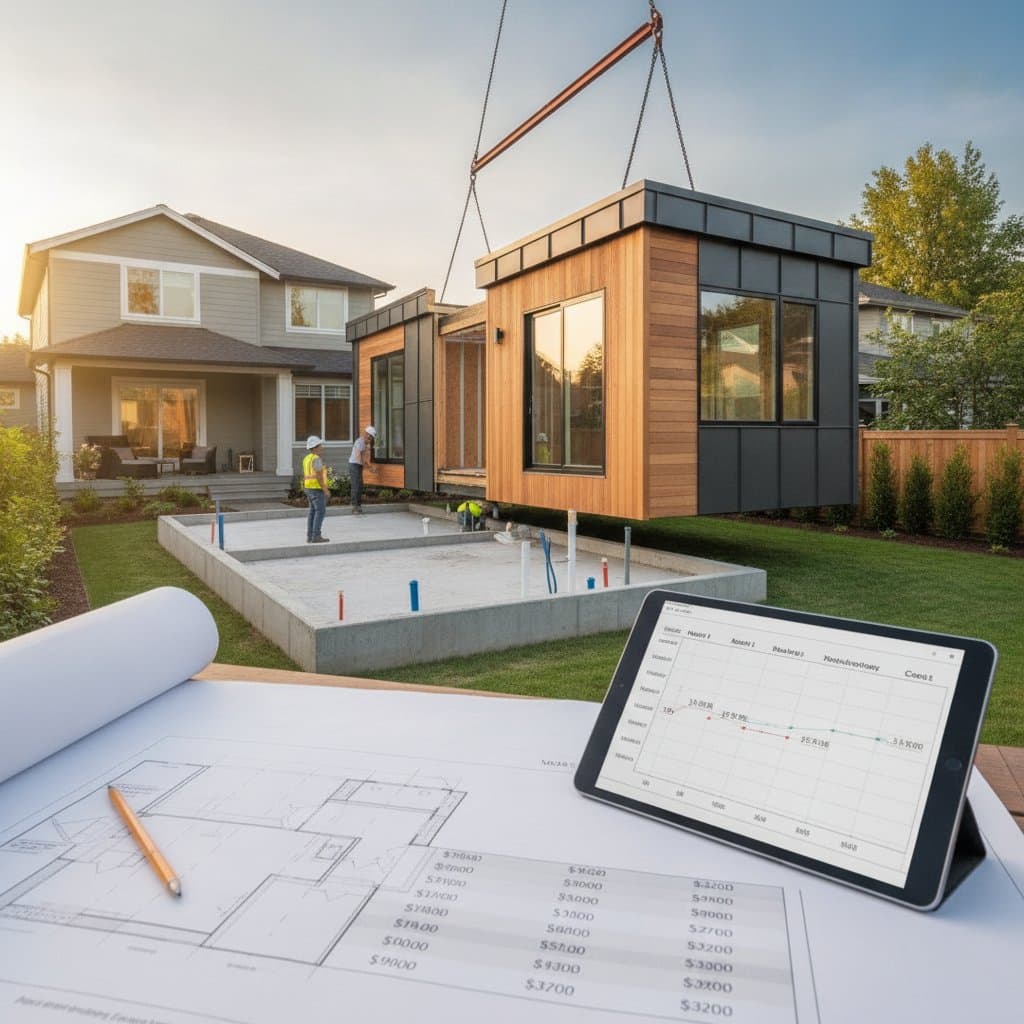
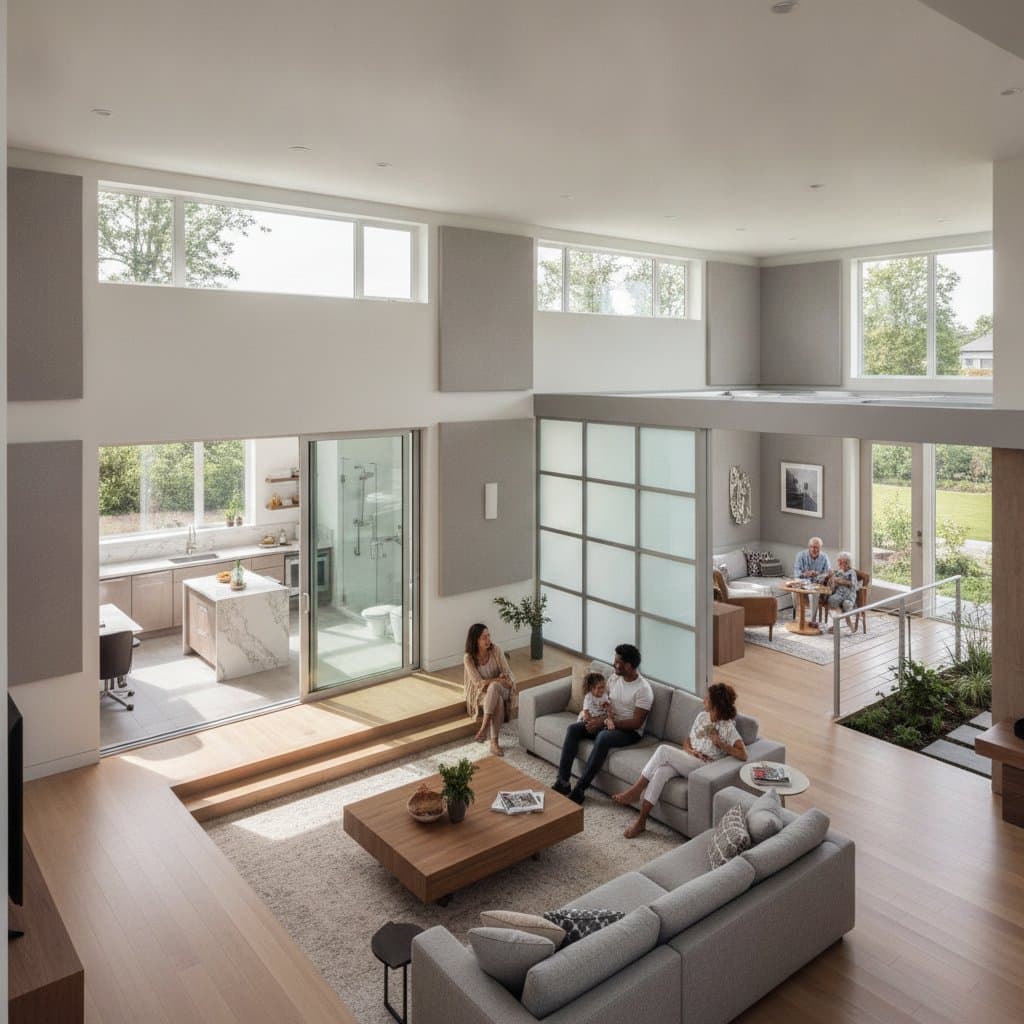
Aging-in-place remodeling modifies homes to support safe, comfortable living as mobility or health needs evolve. These updates range from basic additions, such as grab bars, to comprehensive changes like installing barrier-free showers or expanding doorways. Homeowners typically invest between $2,000 and $80,000, influenced by project scope, material choices, and location-specific labor rates. Individuals with basic skills may tackle low-risk elements, while plumbing, electrical, or structural alterations demand certified professionals. Overall difficulty spans moderate to advanced levels, with timelines varying from hours for minor tasks to weeks for extensive work.
Step-by-Step Guide to Key Upgrades
1. Enhance Doorway Access
Wider doorways facilitate movement for wheelchairs or walkers, reducing navigation challenges. Begin by measuring existing openings; target a minimum width of 36 inches to accommodate mobility aids. Carefully remove trim and door jambs using a pry bar and utility knife to avoid damaging surrounding surfaces.
Select a pre-hung wider door and frame kit compatible with your wall thickness. Secure the new assembly with shims for plumb alignment, then install lever-style handles that require minimal force to operate. Verify smooth operation by swinging the door fully open and checking for at least 32 inches of clear space on the pull side.
Warning: Inspect walls for hidden wiring or plumbing lines prior to any cutting or framing adjustments.
2. Install Non-Slip Flooring
Slippery floors pose significant fall risks, particularly in high-traffic areas. Start by lifting and disposing of glossy or uneven existing materials, such as polished tile or loose carpet. Thoroughly clean and level the subfloor with a vacuum and filler compound to ensure a stable base.
Choose durable options like textured vinyl planks, rubber sheets, or low-pile carpet with a high coefficient of friction rating, ideally above 0.6 for dry conditions. Lay the new flooring according to manufacturer guidelines, overlapping seams slightly before applying adhesive. Seal edges with waterproof caulk to block moisture intrusion.
Test traction by walking across the surface in socks or bare feet; it should provide firm grip without slipping. This upgrade not only boosts safety but also simplifies cleaning in kitchens and bathrooms.
3. Upgrade Bathroom Safety
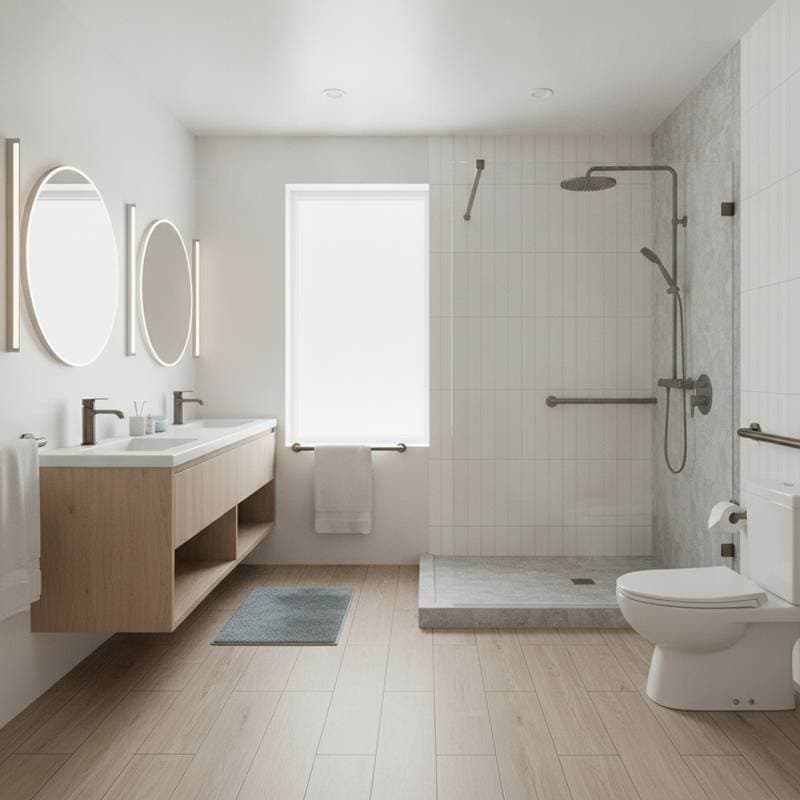
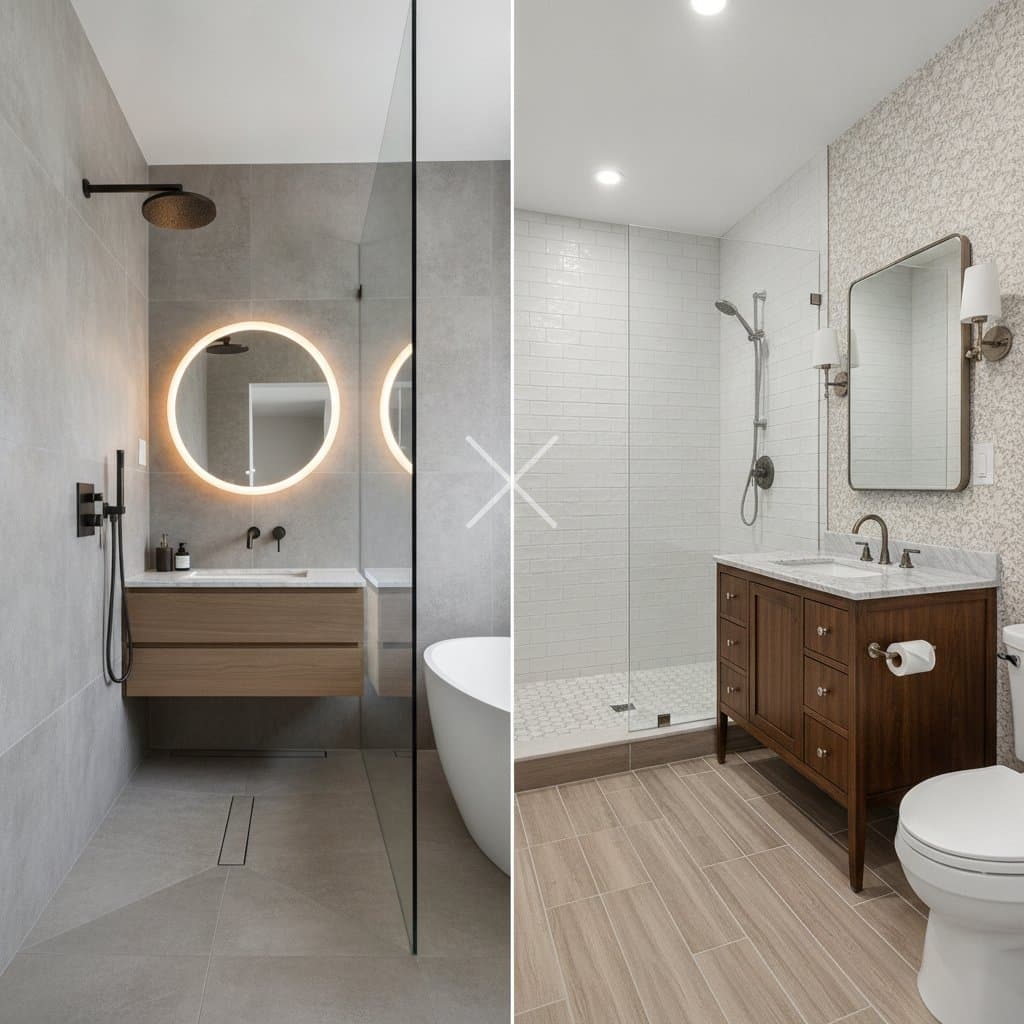
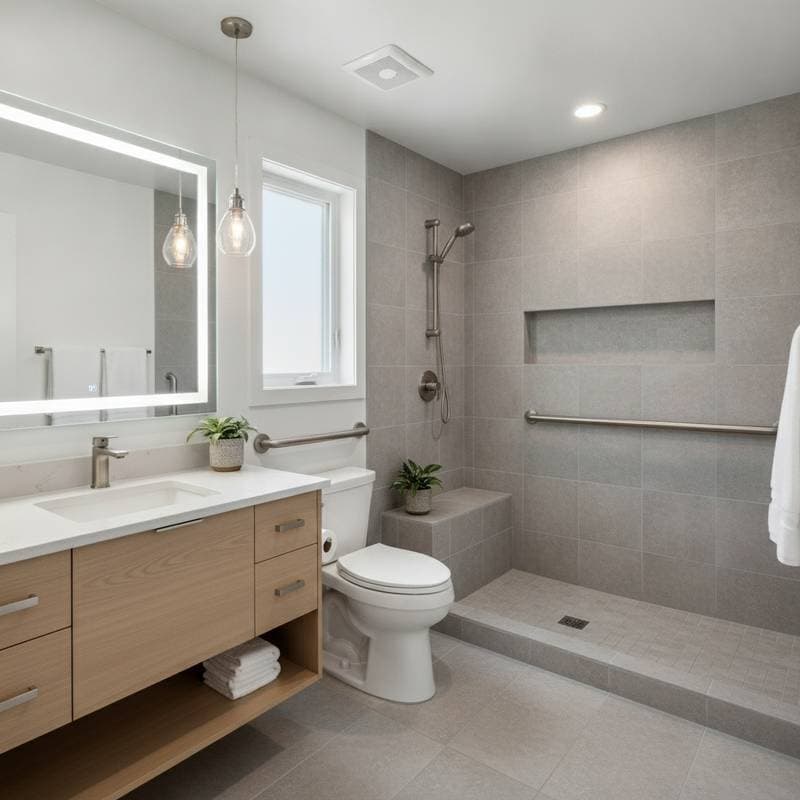
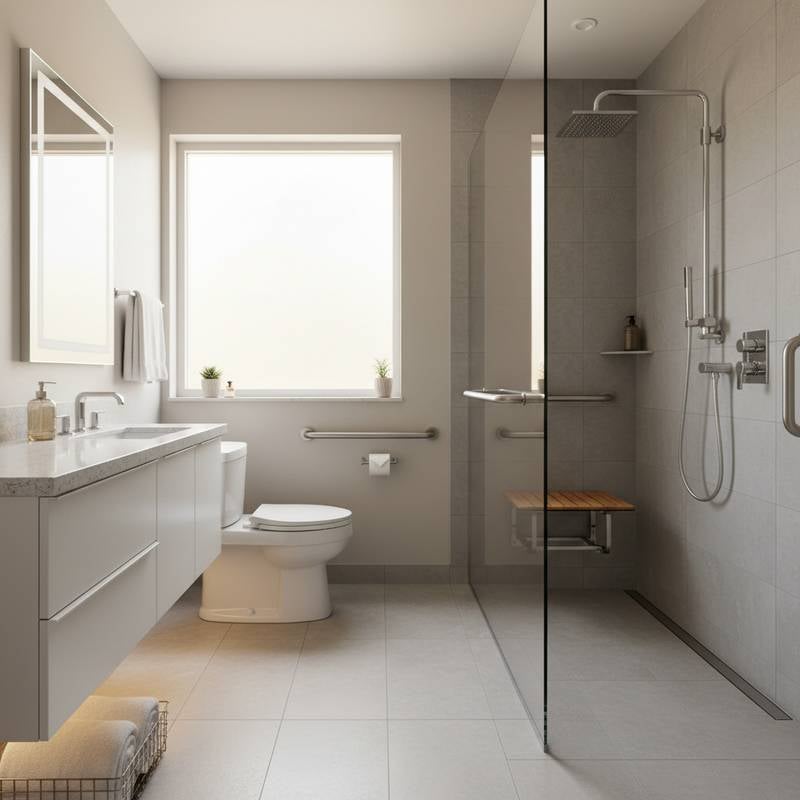
Bathrooms demand focused attention due to wet environments and frequent use. Consider converting standard bathtubs to low-threshold or roll-in showers, which eliminate stepping hazards. Hire a plumber for this if it involves rerouting drain lines, as improper installation can lead to leaks.
Position grab bars strategically: one near the toilet at 33 to 36 inches high, and others by the shower entrance at the same height, anchored into wall studs for 250-pound load capacity. Mount an adjustable handheld showerhead on a vertical slide bar for versatile positioning, and incorporate a fold-down bench seat molded from composite materials for seated bathing.
Confirm stability by applying full body weight to each element; fixtures must remain rigid without movement. These changes transform the space into a secure retreat that supports daily routines.
Warning: Allow surfaces to dry completely before commencing work to prevent slips during installation.
4. Improve Lighting and Visibility
Adequate illumination prevents accidents by highlighting pathways and obstacles. Swap out low-wattage bulbs for LED equivalents delivering 800 to 1,000 lumens in task areas, ensuring warm color temperatures around 2,700 Kelvin for eye comfort. Position fixtures to eliminate shadows, such as under-cabinet strips in kitchens.
Incorporate motion-activated sensors in hallways, bathrooms, and stairwells, wired to activate at dusk or via remote control. Relocate light switches to 42 inches from the floor for seated access, and apply paint or wallpaper with high contrast between walls and floors to aid depth perception for those with visual impairments.
Assess the setup by navigating the home at night; pathways should appear evenly lit without glare or dark zones. Such enhancements promote confidence in movement throughout the day and night.
5. Add Stair and Ramp Access
Stairs and entries often present barriers; ramps and modifications address this effectively. For ramps, calculate a gentle slope of 1 inch vertical rise per 12 inches horizontal run to comply with accessibility standards. Source weather-resistant materials like pressure-treated wood or extruded aluminum kits designed for exterior durability.
Construct or assemble the ramp with secure footings, embedding posts in concrete for stability. Install continuous handrails 34 to 38 inches high on both sides, extending 12 inches beyond the top and bottom for safe transitions. On existing stairs, affix non-slip adhesive treads covering the full nosing width.
Validate the installation by traversing slowly with a mobility aid; ensure even surfacing and no wobbling under load.
Warning: Faulty slopes or insecure anchors heighten fall dangers; consult local codes for specifications.
6. Adjust Kitchen Layout
Kitchens benefit from ergonomic tweaks to ease meal preparation. If counter heights exceed 36 inches, lower them to 34 inches by removing and reinstalling cabinet bases on shorter risers, maintaining structural integrity. Opt for D-pull handles on cabinets and appliances, which demand less dexterity than round knobs.
Reorganize storage so everyday essentials reside in the counter zone between 15 and 48 inches high, avoiding overhead reaches or deep bends. Integrate lazy Susan turntables, pull-out pantry shelves, and angled dish racks to bring items forward effortlessly.
Evaluate reach by simulating cooking tasks; all zones should accessible without strain. These adjustments extend usability for aging cooks while preserving aesthetic appeal.
Warning: Unplug and isolate appliances before any relocation or electrical modifications.
7. Update Entry and Security Features
Secure, user-friendly entries deter intrusions and simplify access. Mount wide-angle peepholes or battery-powered video doorbells at 58 inches high for standing or seated viewing. Integrate keyless smart locks operable via keypad, app, or voice commands from compatible hubs.
Illuminate approaches with dusk-to-dawn LED floods or solar path lights, aiming for 5-foot-candle brightness at doorways. Smooth thresholds to a maximum of 0.5 inches with beveled ramps to prevent tripping.
Test functionality by entering and exiting multiple times; mechanisms should engage smoothly with one hand, and visibility must cover the full porch area.
Quality Checks and Troubleshooting
Common Issues and Solutions
Grab bars may loosen if not fastened to studs; remedy by using toggle bolts or backing plates for hollow walls, ensuring 1.5-inch penetration depth. In roll-in showers, water pooling occurs from inadequate drainage; install a sloped curb or flexible silicone dam, and verify floor pitch toward the drain at 1/4 inch per foot.
Motion lights that trigger inconsistently stem from reversed wiring or low batteries; inspect connections for correct polarity and replace with lithium cells for longevity. Ramps exhibiting flex or irregularity require tightened anchor bolts and regrading for uniform pitch.
Quick Fixes
Apply clear silicone sealant around all wet-area fixtures to repel moisture and prevent mold. After installation, torque all fasteners securely and re-level components following a week of normal activity to account for settling.
When to Engage Professionals
Certified contractors or specialized tradespeople handle complex elements. Delegate tasks involving plumbing relocations, new circuit installations, or alterations to load-bearing walls. Ramps and platform lifts necessitate adherence to building codes, including ADA guidelines where applicable.
2025 Cost Ranges:
- Grab bar installation: $150 to $400 per unit, labor included.
- Barrier-free shower conversion: $6,000 to $12,000, depending on finishes.
- Doorway widening: $700 to $2,500 per opening, factoring in framing.
- Accessible kitchen remodel: $15,000 to $40,000 for layout and fixture updates.
- Comprehensive home renovation: $25,000 to $80,000, covering multiple rooms.
Selecting a Reliable Contractor:
- Confirm active licensing and comprehensive insurance coverage.
- Request references from three recent aging-in-place projects.
- Examine portfolios for evidence of compliant, high-quality work.
Expert Strategies for Optimal Results
Prototype placements with temporary mockups, such as painter's tape outlines, to align with personal habits before committing. Employ color contrasts, like dark floors against light walls, to sharpen visual cues for navigation. Select rounded-edge fixtures in antimicrobial materials for hygiene and safety.
Maintain 36-inch clearance corridors in primary living zones to support unhindered passage. Position vital contact lists adjacent to landlines and main entrances for quick access in emergencies.
Frequently Asked Questions
What does aging-in-place remodeling entail?
This approach involves targeted home modifications to accommodate aging-related needs, ensuring safe and independent living over time.
What is the typical cost for an aging-in-place remodel?
Budgets range from $2,000 for targeted fixes to $80,000 for extensive whole-home transformations, based on scale and features.
Which tasks suit DIY efforts?
Basic installations like grab bars, lighting upgrades, and handle swaps work for skilled homeowners; reserve plumbing, electrical, and structural jobs for experts.
Are building permits required?
Permits apply to ramps, significant plumbing shifts, or structural edits; verify requirements through your local authority.
Which flooring options prioritize safety?
Textured vinyl, rubber matting, or low-nap carpet deliver superior grip and ease of upkeep.
How durable are these modifications?
Quality installations endure for decades, provided regular inspections and upkeep address wear.
Sustaining Safety and Independence Long-Term
Aging-in-place updates safeguard autonomy while curtailing injury risks through proactive design. Blend straightforward enhancements with expert interventions to tailor spaces to evolving requirements. Conduct quarterly reviews to identify and resolve minor concerns promptly, upholding a secure environment as priorities shift.