Essential Waterproofing for Flood-Safe Basement Remodels
A finished basement adds valuable living space, but it must be protected from water damage. Basement waterproofing is the most important step before any remodel below grade. Without solid moisture control, flooring, drywall, and insulation can fail within months. Proper waterproofing creates a flood-safe environment that keeps your investment intact.
Quick Cost Summary
Comprehensive basement waterproofing typically costs between $3,000 and $15,000, with an average around $7,500. Material costs depend on the system type, such as interior drains, exterior membranes, or sump pumps. Labor can range from $45 to $90 per hour, depending on regional rates and project complexity.
Key cost drivers include the extent of existing moisture damage, foundation accessibility, chosen waterproofing system, soil conditions around the home, and finishing materials used after waterproofing.
Highlights and Key Insights
- Interior systems are less costly but may not stop exterior water pressure.
- Exterior excavation provides the most reliable protection but involves higher labor costs.
- Sump pumps and vapor barriers complement structural waterproofing.
- Flood-safe basements require both drainage and moisture control.
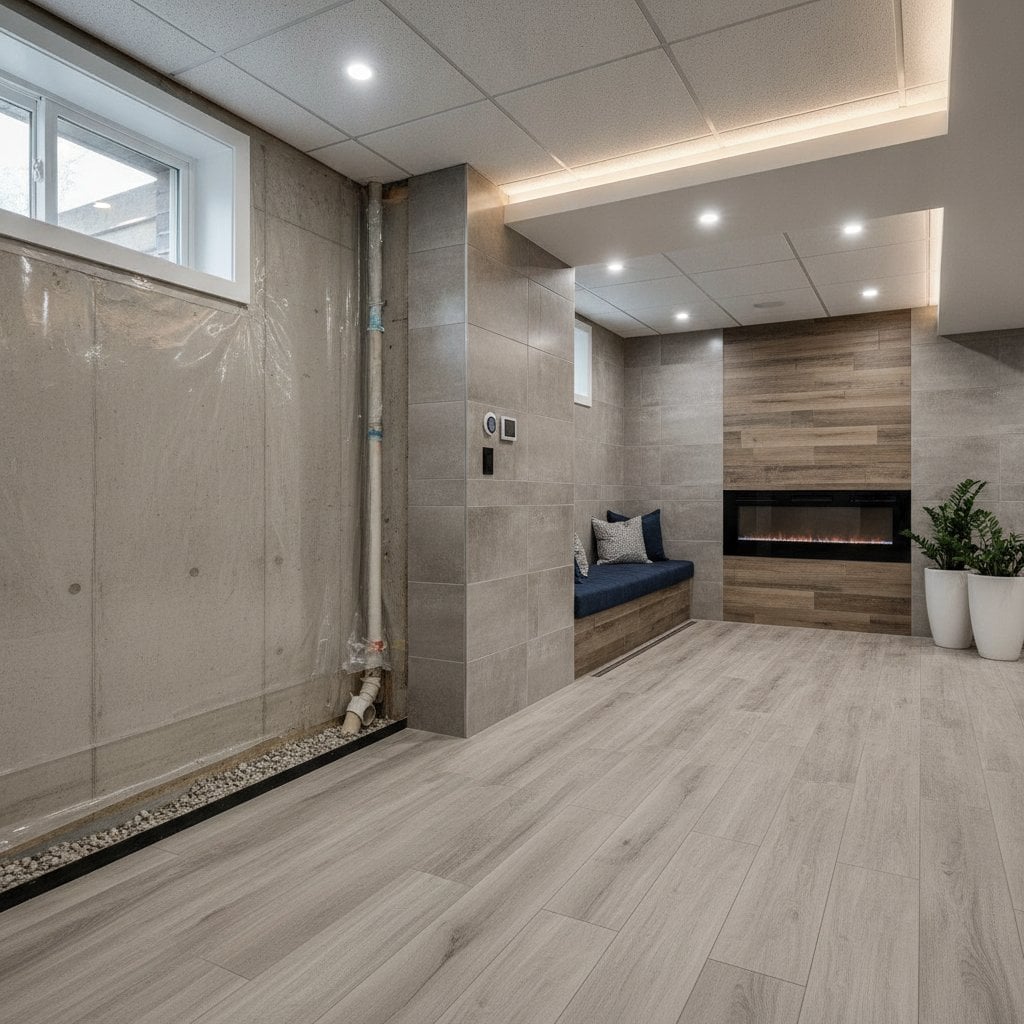
- Finishing materials must be moisture resistant to prevent long-term deterioration.
Cost by System Type
Interior Waterproofing Systems
Interior waterproofing includes sealants, drains, and sump pumps. Costs usually range from $2,000 to $8,000. These systems manage water that has already entered the structure. They are practical when excavation is not possible.
- Sealants and coatings: $500 to $2,000 for materials and labor.
- Interior drain tile systems: $3,000 to $6,000 depending on basement size.
- Sump pump installation: $1,000 to $3,000 including pit and discharge line.
Interior systems are faster to install and cause less disruption, but they do not stop exterior hydrostatic pressure. They work best in areas with mild water intrusion.
Exterior Waterproofing Systems
Exterior waterproofing involves excavation, wall treatment, and drainage installation. Costs run from $8,000 to $20,000, averaging around $12,000.
- Excavation: $50 to $80 per linear foot depending on soil and access.
- Membrane or coating: $3 to $6 per square foot.
- Exterior drain tile: $2,000 to $5,000 for materials and placement.
This method prevents water from ever reaching the foundation wall. It is the most effective solution for chronic flooding issues or high groundwater tables.
Contractor Costs and Labor Considerations
Professional waterproofing contractors typically charge $45 to $90 per hour, or bid by linear foot for full systems. Projects requiring excavation, concrete cutting, or sump installation often involve multiple trades, such as plumbers and concrete specialists.
Labor costs increase when the foundation is deep or difficult to access, existing damage needs repair before waterproofing, or permits or inspections are required for drainage alterations. DIY methods can reduce labor costs, but improper installation can void warranties and lead to more expensive repairs later.
Additional Cost Factors
Several conditions influence the total waterproofing expense. Basement size affects material and labor needs. Concrete block foundations are more prone to leaks than poured concrete. Clay soil retains water, while sand drains more easily. Improper exterior grading increases hydrostatic pressure. Areas with high rainfall or seasonal flooding need stronger systems.
If you plan to finish your basement, include costs for moisture-resistant drywall, insulation, and flooring. These can add $5 to $15 per square foot depending on materials.
Ways to Save and Money-Saving Tips
Improve grading first. Redirecting surface water away from the foundation may solve minor moisture issues for minimal cost. Install a sump pump early. It prevents water buildup during storms and can reduce pressure on walls. Use vapor barriers. These inexpensive layers add protection behind walls and under flooring. Combine projects. If you plan to finish or remodel, complete waterproofing at the same time to avoid rework. Get multiple quotes. Comparing bids helps verify fair pricing and scope.
Preventative work is always cheaper than flood cleanup. Spending now on proper drainage and sealing avoids costly structural repairs later.
ROI and Long-Term Value
A flood-safe basement can raise property value and reduce insurance claims. Homeowners can expect a return of 65 to 75 percent on waterproofing costs when combined with a finished basement remodel.
The long-term benefits include lower humidity and improved air quality, protection against mold and mildew growth, extended life for flooring, drywall, and insulation, and greater confidence in using the space for living or storage. Proper waterproofing also reduces maintenance costs. Repairs to flooring or furniture caused by water damage often exceed the cost of prevention.
DIY vs Hiring a Pro
When DIY Makes Sense
DIY waterproofing works for small leaks or light seepage. Applying interior sealants or patching minor cracks can cost less than $500 in materials. This approach suits homeowners with basic tools and some experience in masonry or plumbing.
When to Hire a Professional
Hire a certified waterproofing contractor when water intrusion is consistent or severe. Professionals have access to commercial-grade membranes, pumps, and drainage systems. They can identify structural weaknesses that homeowners may overlook. Professional work also ensures warranty coverage for both materials and labor. It is a safer choice for basements that will be finished or used as living space.
Cost Differences
DIY projects may save 30 to 50 percent on labor, but mistakes often lead to higher repair costs. Professional systems cost more upfront but provide reliable protection and better long-term performance.
Cost Methodology
The cost ranges in this guide come from national averages, contractor quotes, and supplier pricing surveys. Prices reflect typical materials such as polymer-modified membranes, perforated drain piping, and vapor barriers. Local factors, including labor availability and soil type, can influence final costs. This data represents average residential projects for basements between 800 and 1,200 square feet. Specialty finishes, complex foundations, or high groundwater conditions may increase pricing.
FAQs
How much does basement waterproofing cost?
Most homeowners spend between $3,000 and $15,000 depending on the method and basement size.
Do I need both interior and exterior waterproofing?
Combining both systems offers the best protection, especially in flood-prone areas or older homes.
Can I waterproof a finished basement?
Yes, but it requires removing wall coverings and flooring first. It is best to waterproof before finishing.
How long does waterproofing last?
High-quality systems last decades with proper maintenance and functioning drainage.
Does waterproofing increase home value?
Yes. It protects the foundation and allows safe basement finishing, which adds usable square footage.
Ongoing System Care
Once your basement is waterproofed, regular maintenance keeps the system effective. Clean gutters and downspouts every few months. Test the sump pump and backup battery before heavy rain. Inspect grading and foundation cracks each season. If you remodel, choose moisture-tolerant materials such as vinyl plank flooring, rigid foam insulation, and cement board drywall. Keep furnishings elevated on moisture-resistant bases. A flood-safe basement depends on consistent inspection and prompt repair. With proper waterproofing and ongoing care, you can enjoy a dry, comfortable, and valuable lower level for years to come.