Understanding 2025 Costs for Aging-in-Place Design
Aging-in-place design enables homeowners to maintain independence, safety, and comfort within their cherished homes and communities. With an increasing number of individuals preparing for extended residency, accessibility-focused remodeling emerges as both a practical lifestyle choice and a prudent financial strategy. Grasping the actual expenses involved allows for informed budgeting, targeted investments, and selections that enhance daily living while preserving property value.
This comprehensive guide details expectations for an aging-in-place remodel. Readers will explore various project categories, typical cost ranges, potential returns on investment, and optimal timing for engaging professionals. By examining these elements, homeowners can align modifications with personal needs and long-term goals.
Defining Aging-in-Place Design
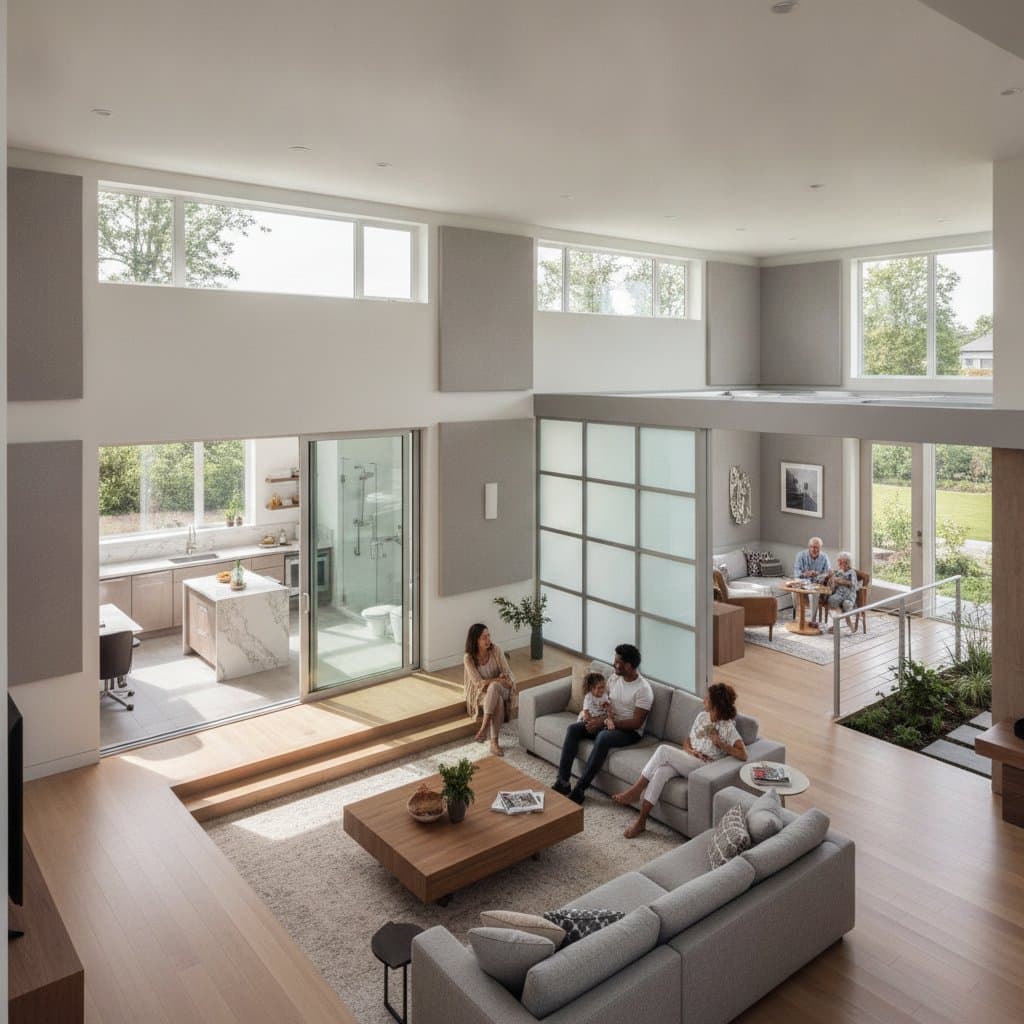
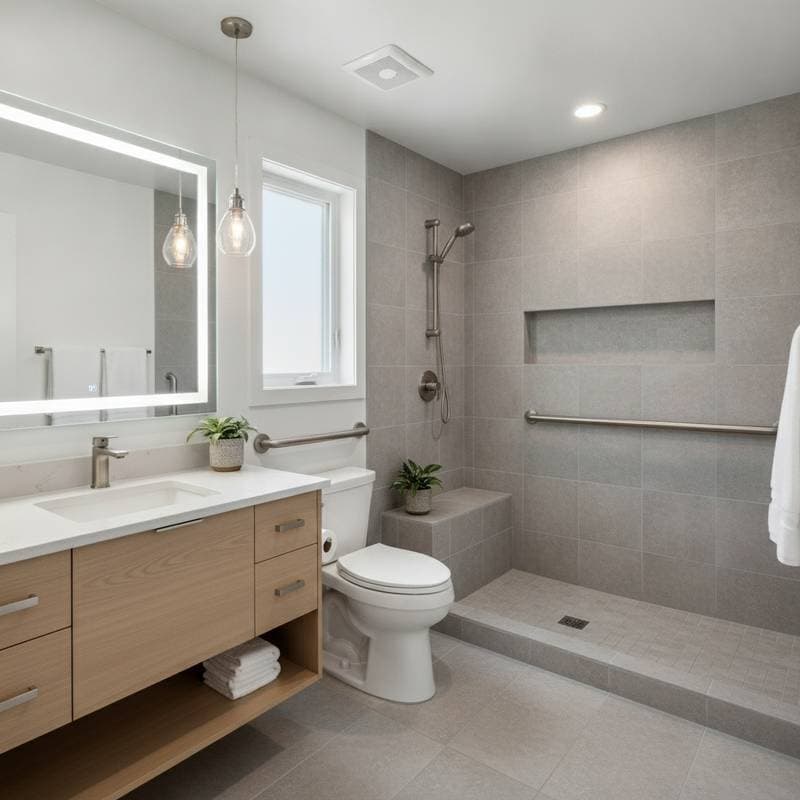
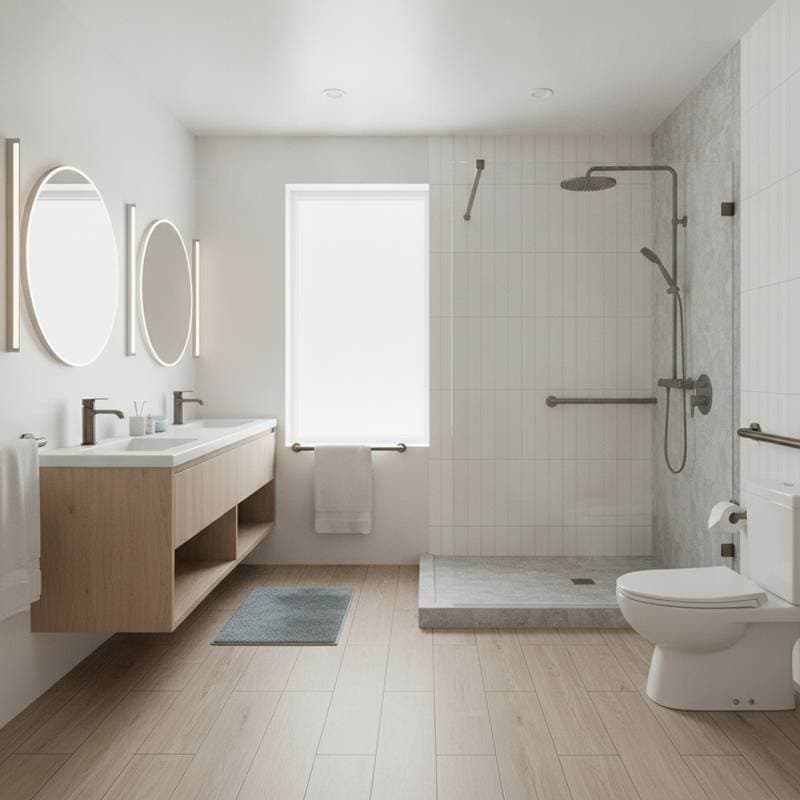
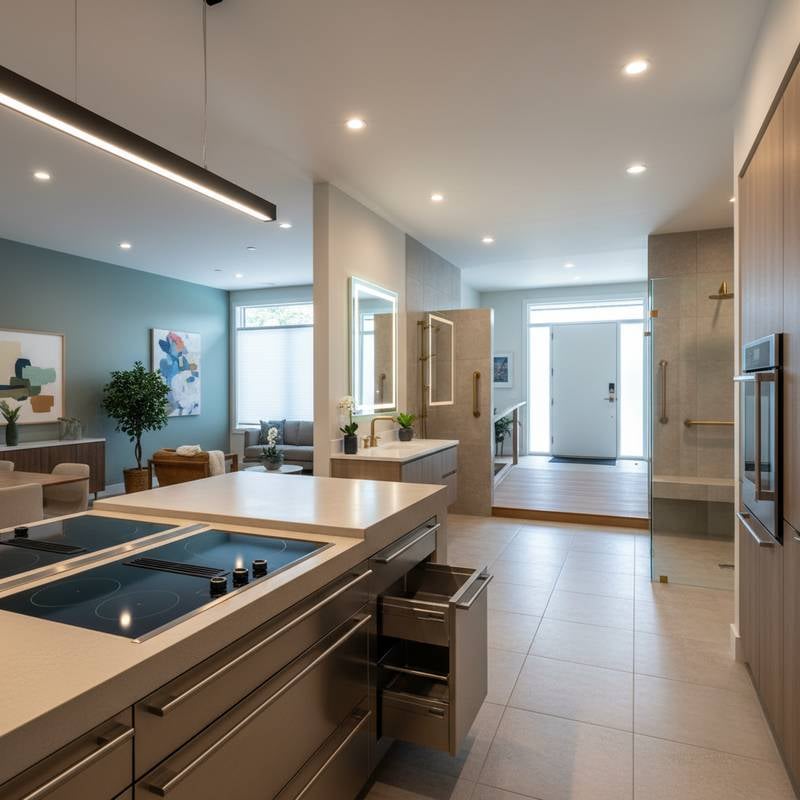
Aging-in-place design transforms a home into a navigable, secure environment suitable for all life stages. Emphasis falls on accessibility, safety, and ease of use, all while upholding aesthetic appeal. Key elements include doorways widened to 36 inches for wheelchair access, level entries eliminating steps, and curbless showers with built-in seating to simplify routines. Such modifications significantly lower the risk of falls, which affect over one in four adults aged 65 and older annually, and avert the urgency of reactive overhauls later.
Properties incorporating universal design principles frequently appeal to broader audiences, accelerating sales and elevating market prices. Real estate experts note that in regions with rising multigenerational households, homes featuring these adaptations command premiums of 5 to 10 percent above comparable listings.
Expenses for Comprehensive Home Remodeling
A complete aging-in-place overhaul typically ranges from $100,000 to $250,000, encompassing redesigns of bathrooms and kitchens, expansion of hallways to 42 inches, installation of voice-activated lighting systems, and reinforcement of entryways with automatic doors. Residences with existing single-level configurations or expansive layouts often incur lower expenditures. Factors influencing the total include the home's size, selection of premium versus standard materials, and any underlying structural repairs required, such as foundation adjustments for ramp integration.
For instance, a 2,000-square-foot single-story home might allocate $50,000 to bathroom accessibility, $40,000 to kitchen ergonomics with lowered counters and pull-out cabinets, and $20,000 to entry modifications. Larger or multi-level properties could exceed $200,000 when elevators or stairlifts become necessary.
Strategies to Optimize Costs
Homeowners can manage expenses effectively while upholding essential safety and quality standards. Consider these practical methods to streamline the process:
- Focus on priority zones. Target bathrooms for non-slip surfaces and lever faucets, entries for threshold ramps, and kitchens for reachable storage, as these yield the greatest daily impact.
- Implement phased implementations. Begin with low-cost additions like lever handles and motion-sensor lights, progressing to structural alterations such as doorway widenings over 12 to 24 months.
- Incorporate flexible solutions. Opt for adjustable-height counters, detachable shower seats, and modular shelving systems that adapt to changing mobility levels without permanent alterations.
- Pursue community support. Investigate municipal grants, such as those from the U.S. Department of Housing and Urban Development, or state tax credits covering up to 50 percent of accessibility costs for qualifying seniors.
- Collaborate with specialists. Engage contractors certified as Aging-in-Place Specialists (CAPS) through the National Association of Home Builders; their expertise minimizes errors, potentially saving 15 to 20 percent on revisions by blending functionality with contemporary design.
These approaches not only curb initial outlays but also facilitate scalability, ensuring modifications evolve alongside resident requirements.
Upkeep and Durability Factors
Sustaining accessible installations demands routine care to preserve functionality over time. Clean non-slip tiles with mild, residue-free solutions to retain their grippy texture. Inspect and secure grab bars quarterly to prevent loosening from daily use. Test automated features like smart thermostats and door sensors biannually, recalibrating as needed to maintain responsiveness.
Durability defines the longevity of these enhancements. High-quality vinyl plank flooring withstands 20 to 30 years of foot traffic, while powder-coated steel grab bars endure indefinitely with minimal intervention. Selecting matte finishes and antimicrobial surfaces further diminishes ongoing maintenance demands, offsetting future expenses and ensuring consistent performance.
Frequently Asked Questions on Aging-in-Place Expenses
In what ways does aging-in-place remodeling differ from conventional renovations?
This approach prioritizes elements that foster autonomy, including 32-inch clear doorway widths, zero-threshold transitions, and lever-style hardware, distinguishing it from aesthetic-focused updates.
Will accessible modifications result in an institutional appearance?
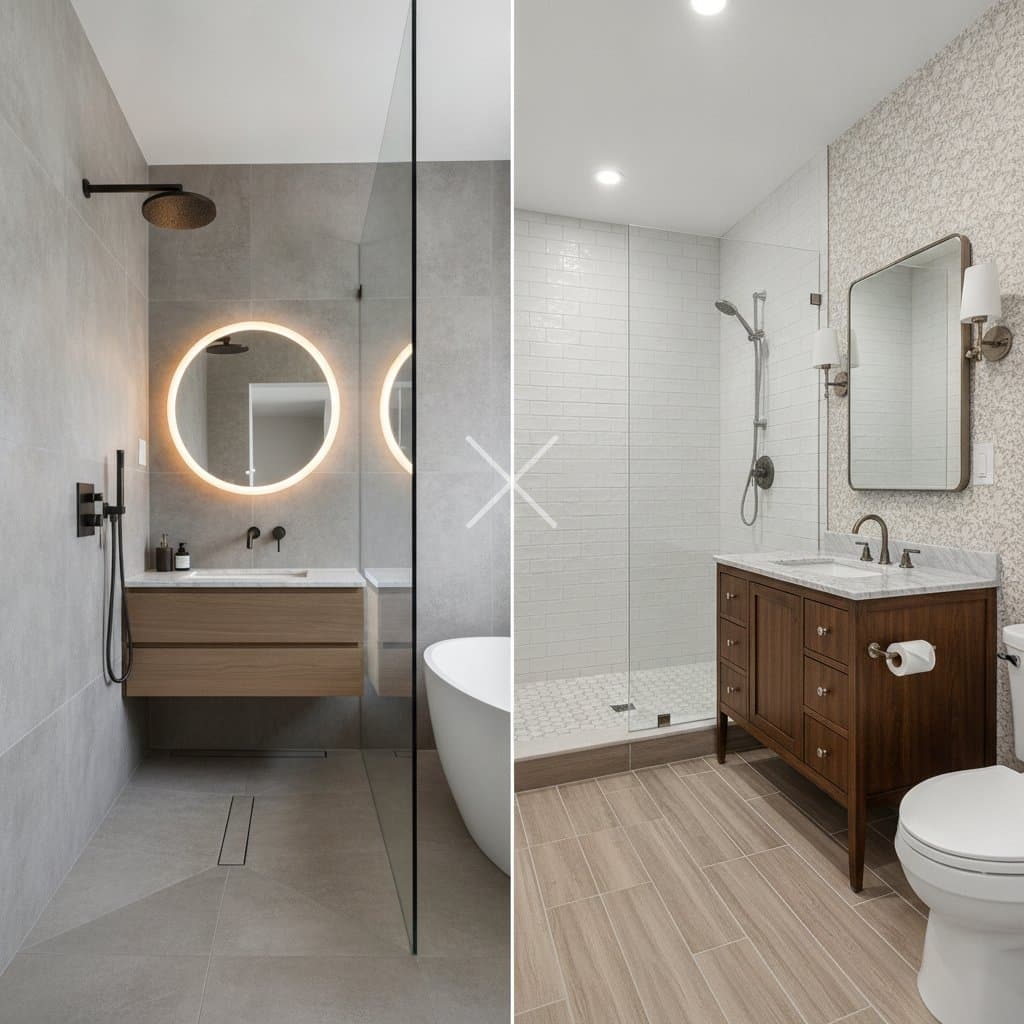
Skilled execution avoids this outcome. Integrate sleek options such as matte black fixtures, floating vanities with reinforced undersides, and seamless glass enclosures to achieve a modern, residential vibe.
How does one calculate overall project expenses?
Tally costs for selected areas, such as $15,000 to $30,000 per bathroom, then add 10 to 15 percent for unforeseen issues like plumbing rerouting. Schedule a site visit with a contractor for a tailored quote incorporating labor and permits.
What financing options exist for these projects?
Specialized home equity loans or FHA 203(k) programs cover up to 110 percent of post-renovation value. Nonprofits like Rebuilding Together may provide interest-free assistance for low-income households pursuing health-driven changes.
Is residing in the home feasible during construction?
Minor installations, such as lighting upgrades, permit on-site living. Extensive work involving dust-generating demolition in kitchens or baths often requires a 3- to 7-day temporary stay elsewhere to ensure safety and minimize disruption.
Steps to Launch Your Remodel
Aging-in-place enhancements extend beyond future-proofing; they cultivate an environment that promotes security, ease, and enjoyment from day one. Early planning, precise budgeting, and selection of qualified experts safeguard personal autonomy and financial assets alike.
Evaluate current habits to identify starting points, such as installing raised toilet seats in the primary bath. Gradually incorporate features that align with lifestyle preferences, consulting occupational therapists for personalized recommendations. Through deliberate choices and professional input, your residence evolves into a supportive haven for decades ahead.