Designing Homes for Lifelong Comfort and Independence
Essential Overview
Designing a home for lifelong comfort and independence involves adapting spaces to accommodate changing mobility and health needs. Homeowners can implement modest adjustments, such as installing lever handles or expanding doorways, or pursue comprehensive aging-in-place renovations. Costs typically range from several hundred dollars for basic enhancements to tens of thousands for extensive projects. Completion times vary from a few days for simple tasks to several weeks for major work. Options include straightforward do-it-yourself efforts and complex installations that necessitate certified contractors and specialists. Key concerns encompass fall prevention, electrical safety, and adherence to local building regulations.
Step-by-Step Guide to Modifications
1. Assess the Existing Layout
Navigate your home simulating reduced mobility, such as using a walker or wheelchair. Pinpoint narrow passages, elevated thresholds, or irregular surfaces. Document locations with inadequate illumination or inaccessible controls.
Verification: Compile a detailed inventory of challenges to inform upgrade decisions.
2. Enhance Entryway Accessibility
Caution: Exterior modifications like steps or ramps demand secure footing and appropriate inclines.
- Install or replace ramps with a 1:12 slope ratio, meaning one inch of rise for every 12 inches of run.
- Affix handrails on both sides of staircases or ramps, ensuring they extend beyond the top and bottom steps.
- Apply non-slip surfacing to all steps.
Verification: Access the home effortlessly without high steps or dependence on equilibrium.
3. Expand Doorways and Hallways
Structural Consideration: Expansion might require relocating load-bearing elements or wiring; engage a qualified remodeler for such alterations.
- Target 36 inches of unobstructed width for doorways and 42 inches for primary corridors.
- Incorporate offset or swing-clear hinges to increase clearance without altering the frame.
Verification: Mobility aids like wheelchairs pass through openings with ease.
4. Update Door Hardware
Eliminate traditional round knobs in favor of lever-style handles operable by a single hand or elbow. Select units with fluid mechanics and robust attachment.
Verification: Operate doors using limited hand strength.
5. Optimize Flooring for Stability
Fall Prevention: Don protective equipment and clear debris prior to any flooring adjustments.
- Substitute plush carpeting or irregular tiles with solid, non-slip materials.
- Steer clear of polished surfaces that produce reflective glare.
- Maintain transitions no taller than one-half inch.
Verification: Surfaces provide consistent support without hazardous edges.
6. Adapt the Bathroom for Ease of Use
Plumbing Safety: Disconnect water supply before dismantling fixtures; consult a licensed plumber for significant alterations.
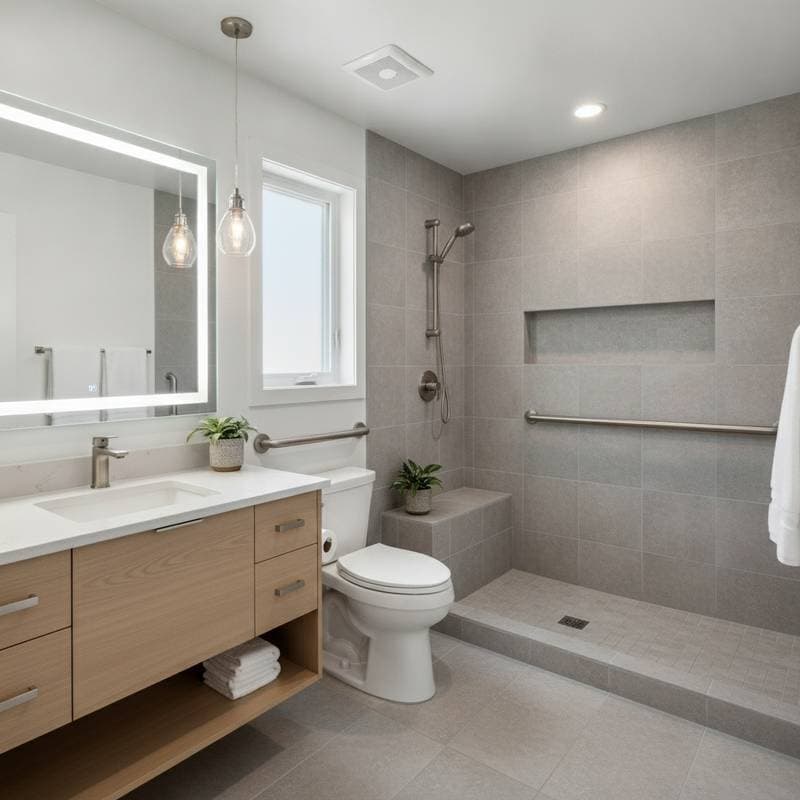
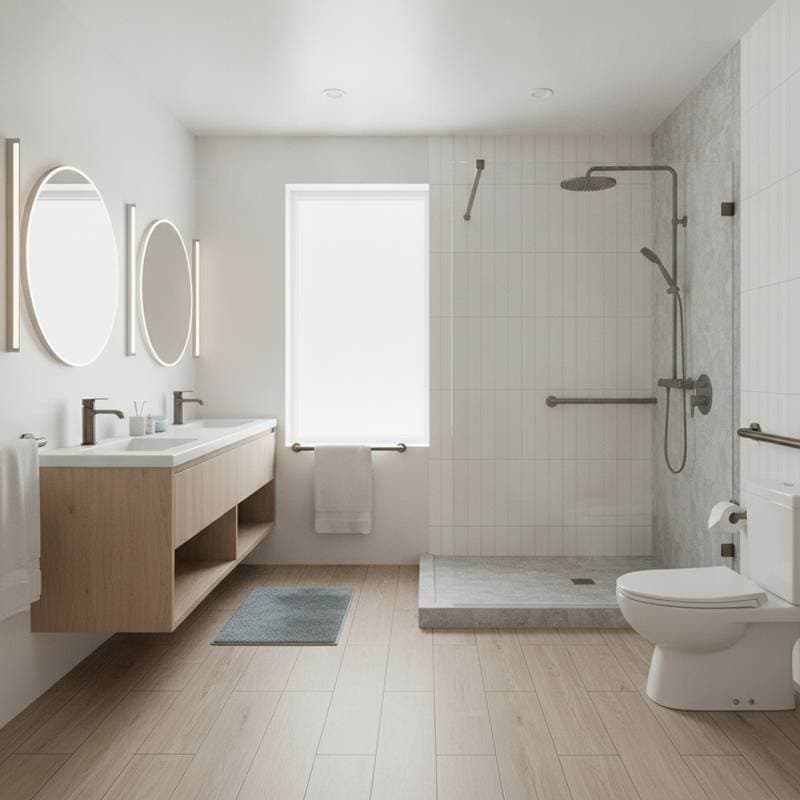
- Secure grab bars adjacent to the toilet and within the shower, fastening them directly to wall studs.
- Convert standard tubs to barrier-free showers for seamless access.
- Incorporate adjustable showerheads and collapsible benches.
- Select textured, slip-resistant flooring.
Verification: Perform bathing and fixture use independently and securely.
7. Reconfigure the Kitchen for Functionality
Electrical Safety: Deactivate power sources before repositioning outlets or appliances.
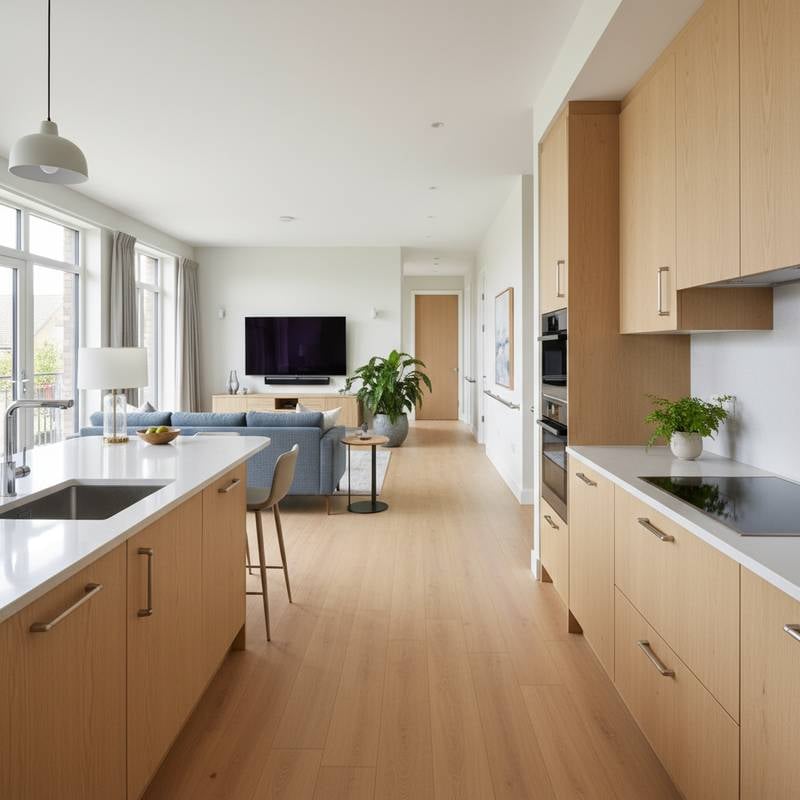
- Reduce countertop height to 34 inches to facilitate wheelchair use.
- Integrate sliding shelves and drawers in place of recessed cabinetry.
- Opt for ergonomic D-shaped pulls.
- Install task lighting beneath cabinets to enhance visibility.
Verification: Access and operate vital appliances without discomfort.
8. Enhance Illumination and Controls
Upgrade to luminous, efficient LED fixtures. Position switches at hallway endpoints and bedside locations. Integrate automatic sensors in high-traffic zones like entrances and storage areas.
Verification: Illumination distributes evenly, eliminating shadowed regions.
9. Optimize Bedroom Layout
Relocate the primary bedroom to the ground level when feasible. Ensure 36 inches of open space surrounding the bed. Choose height-adjustable beds and nightstands featuring beveled edges.
Verification: Navigate and access controls from the bed with freedom.
10. Bolster Security and Connectivity
Incorporate intelligent systems for remote management of lighting and security. Deploy video-enabled entry devices and voice-activated interfaces.
Electrical Safety: Employ a certified electrician for integrations involving primary circuits.
Verification: Control security features effortlessly.
Verification and Resolution Strategies
- Loose Grab Bars: Employ extended fasteners penetrating studs or add reinforcement panels.
- Puddling in Barrier-Free Showers: Refine the floor gradient or reposition the drain.
- Binding Doors Post-Expansion: Smooth edges or realign hinges.
- Intermittent Lighting: Swap bulbs or verify wiring integrity.
Verification: Confirm seamless, secure navigation in every area.
Engaging Professional Assistance
Seek certified experts for:
- Load-bearing modifications or doorway expansions.
- Fixture relocations or drainage adjustments.
- Circuit updates or automated system setups.
- Exterior ramp or elevator installations.
Estimated Expenses:
- Doorway expansion: $500 to $2,000 per unit.
- Bathroom adaptation: $10,000 to $25,000, varying by materials.
- Kitchen overhaul: $15,000 to $40,000.
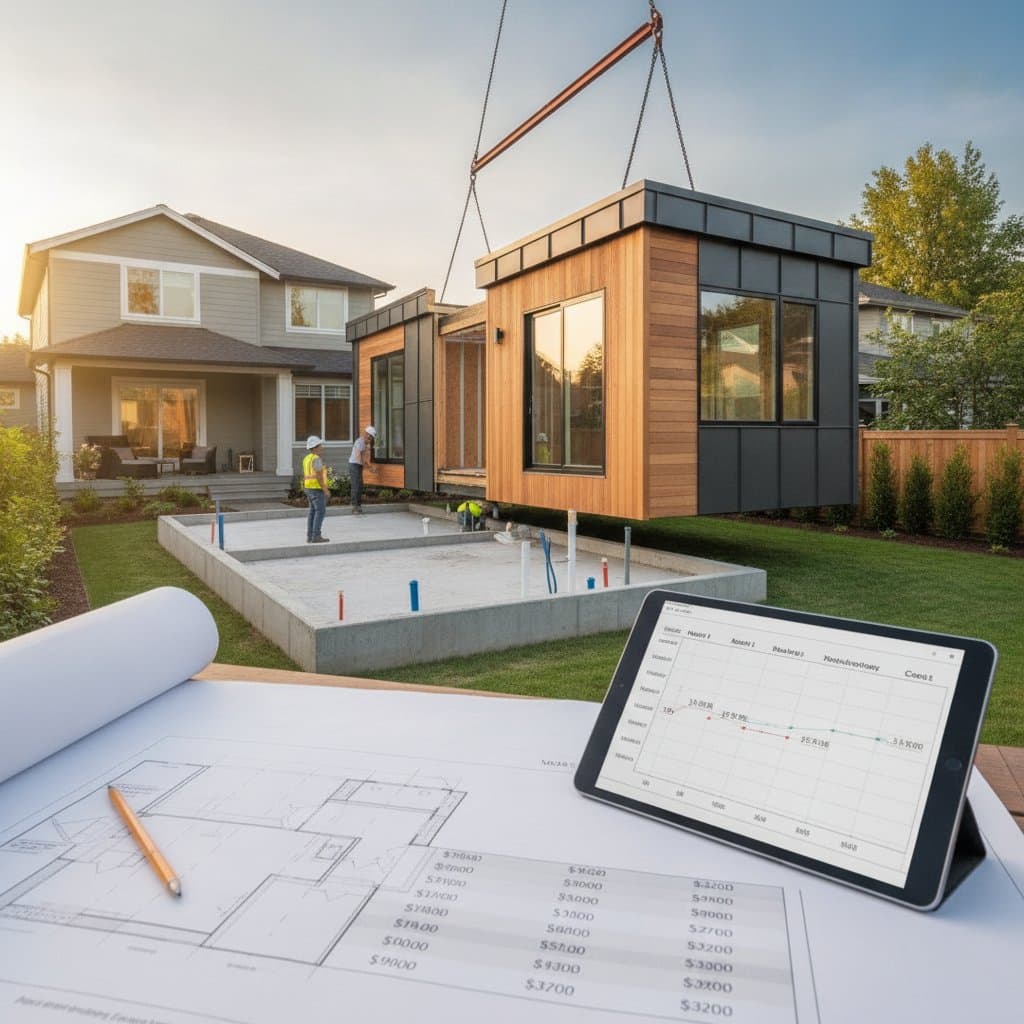
- Complete universal design transformation: $50,000 or more, scaled to home dimensions.
Obtain a minimum of three detailed proposals. Verify credentials, coverage, and client testimonials prior to commitment.
Strategies for Effective Implementation
Prioritize frequently used areas, including bathrooms and kitchens. Bundle related tasks, like doorway adjustments during flooring renewal, to minimize expenses. Employ color contrasts between surfaces for better orientation. Select low-maintenance, durable elements. Maintain unobstructed routes devoid of obstacles or wiring.
These targeted enhancements elevate daily routines while preserving aesthetic appeal.
Realizing Your Vision
Adapting your home for enduring comfort emphasizes proactive foresight over constraints. Each modification enhances utility, security, and invitation. Initiate with thorough evaluation, establish feasible finances, and delineate self-managed versus expert-led efforts.
A thoughtfully executed universal design initiative sustains mobility, curtails subsequent expenses, and elevates property worth. Properly implemented, it enables graceful aging within familiar surroundings, preserving autonomy over time.
Adhering to established protocols, incorporating resilient components, and centering accessibility yields a residence that evolves alongside your journey.
Frequently Asked Questions
What defines universal design?
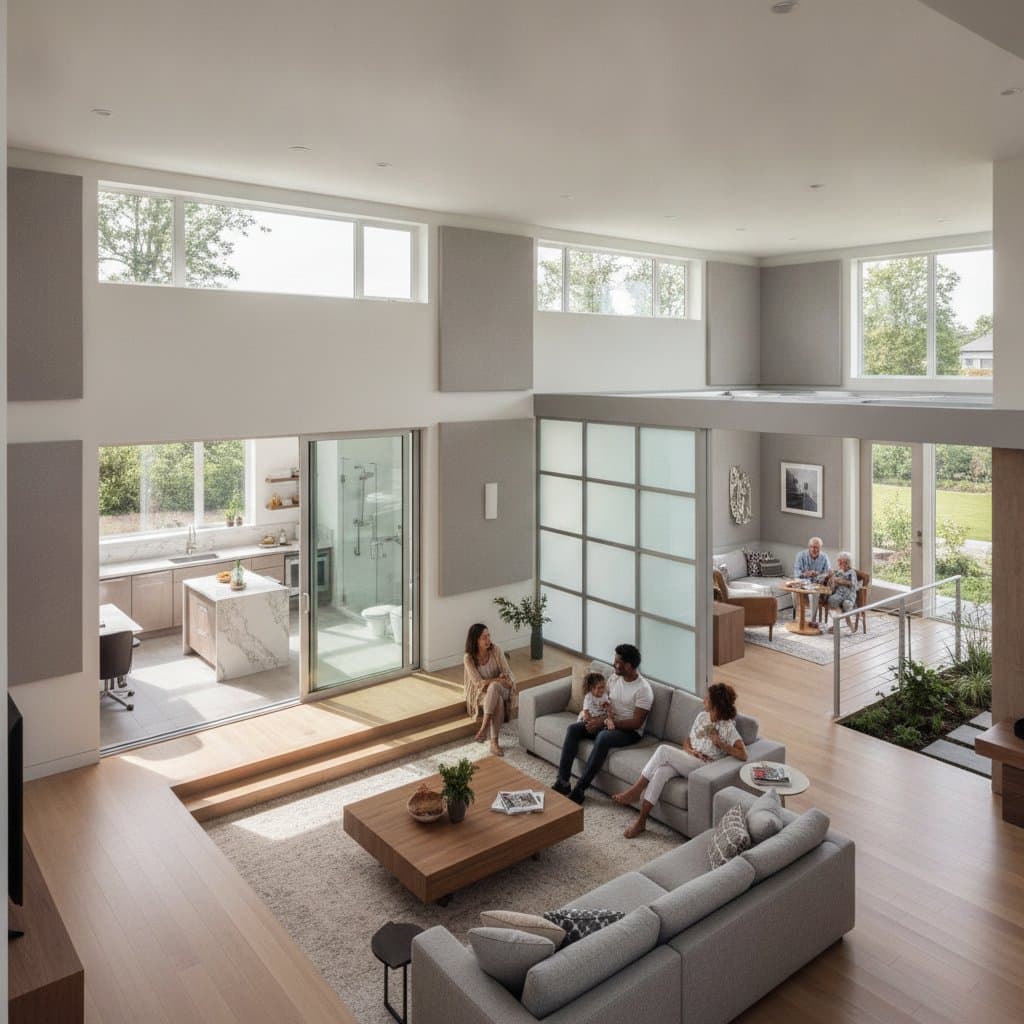
Universal design creates environments accessible to individuals across all ages and capabilities, eliminating the need for future adaptations.
Are permits required for accessibility projects?
Permits are generally mandatory for ramps, plumbing alterations, or structural modifications; consult local codes.
Which tasks can homeowners undertake independently?
Simple installations like grab bars or hardware swaps are feasible, but delegate electrical, plumbing, or structural elements to professionals.
What constitutes the safest flooring for aging in place?
Non-slip vinyl, cork, or patterned tiles offer optimal traction; eschew dense rugs or shiny coatings.
What budget should one allocate for an aging-in-place project?
Basic changes start at a few hundred dollars, whereas comprehensive overhauls may exceed tens of thousands based on scope and selections.