Universal Design Remodels Average $45,000 in 2026
Universal design remodeling transforms ordinary homes into spaces that support residents of all ages and abilities. These projects focus on accessibility and comfort, allowing homeowners to age in place without major disruptions. In 2026, the average cost for such a remodel stands at $45,000, reflecting rising material prices and advanced features.
Homeowners invest in these updates to enhance daily living while boosting property value. Certified contractors emphasize durable, inclusive solutions that blend seamlessly with existing aesthetics. This approach ensures long-term usability and reduces the need for costly future modifications.
Understanding Universal Design Principles
Universal design principles prioritize flexibility, simplicity, and equitable use in built environments. Architects and builders apply these ideas to create homes where features serve everyone, from young families to seniors with mobility challenges. The goal remains to eliminate barriers without compromising style or functionality.
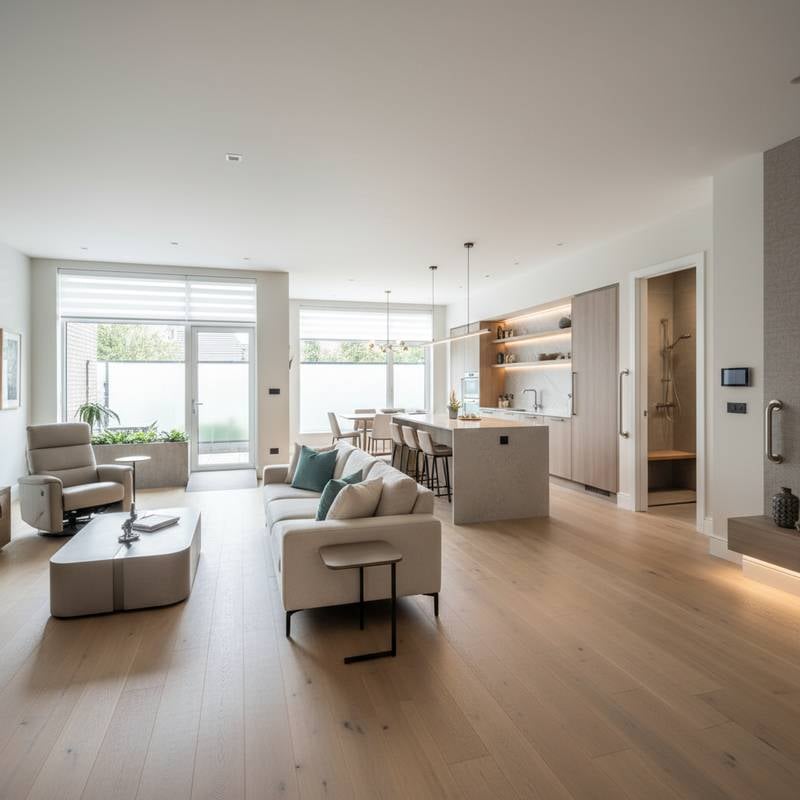
Key elements include intuitive layouts that accommodate wheelchairs, adjustable fixtures for varying heights, and lighting that minimizes glare. These principles draw from guidelines established by organizations like the Center for Universal Design. Implementation varies by home size and location, but the focus always centers on proactive safety measures.
Homeowners benefit from environments that evolve with their needs. For instance, lever-style door handles replace knobs for easier operation by those with limited grip strength. Such details prevent accidents and promote independence throughout life stages.
Breaking Down the Costs of a Universal Design Remodel
The $45,000 average cost in 2026 covers a full-scope project for a typical single-family home. Expenses depend on factors like square footage, regional labor rates, and selected materials. Smaller updates, such as bathroom modifications, start at $15,000, while comprehensive whole-home overhauls reach $100,000.
Labor accounts for 40 to 50 percent of the total budget, with skilled tradespeople ensuring compliance with accessibility codes. Materials like reinforced flooring and non-slip surfaces add another 30 percent. High-end options, including automated lighting systems, push costs higher but deliver enhanced convenience.
Homeowners should budget for permits and inspections, which vary by municipality. Unexpected expenses, such as structural reinforcements for ramps, can arise during planning. Consulting with experienced remodelers early helps identify cost-saving opportunities without sacrificing quality.
Cost Examples by Project Type
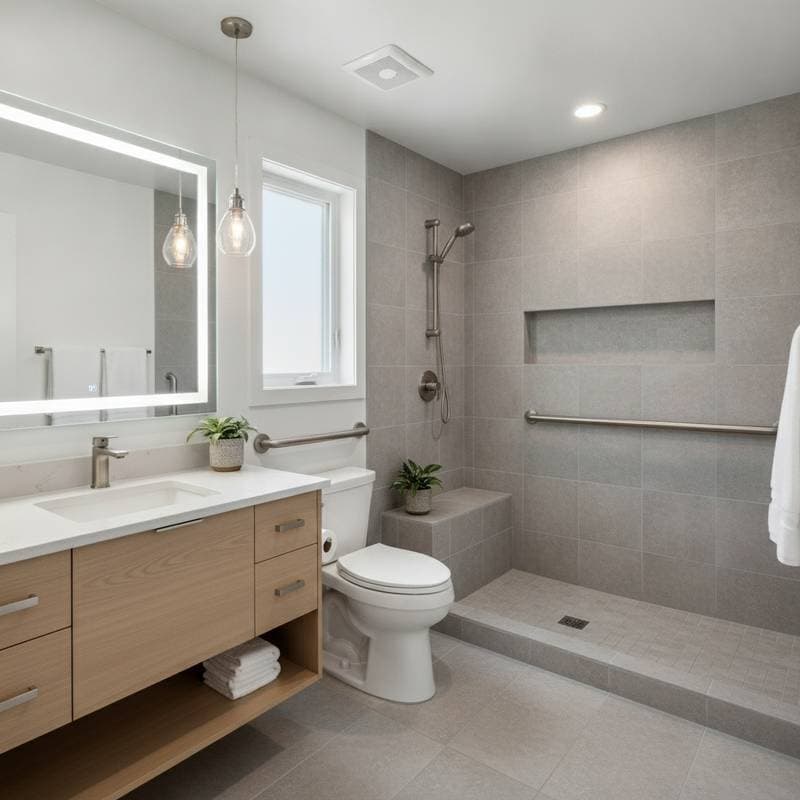
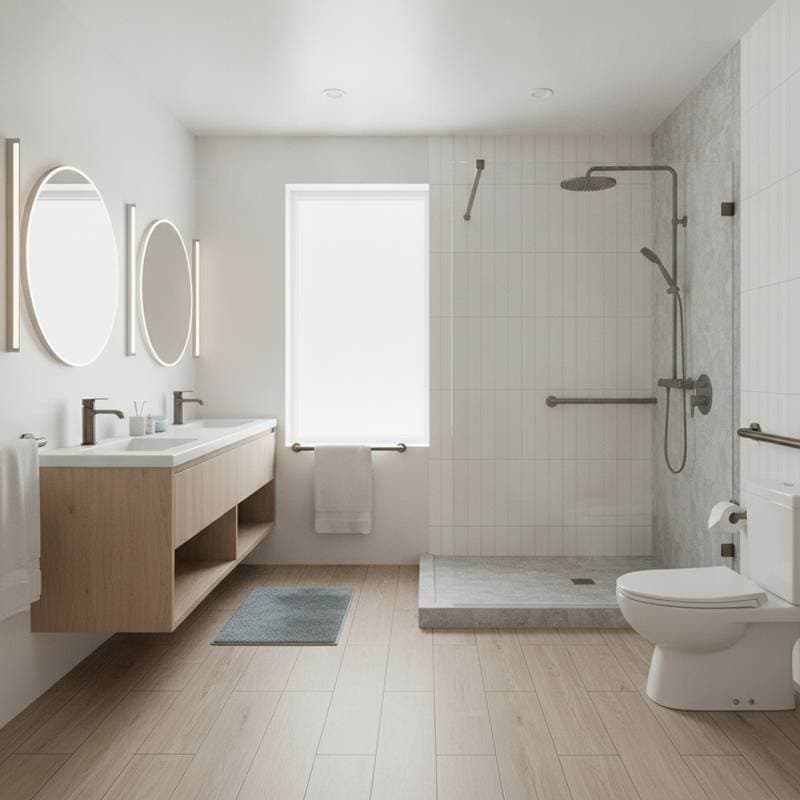
- Bathroom Accessibility Upgrade: Install grab bars, a walk-in shower, and adjustable-height vanity. Expect $10,000 to $25,000.
- Kitchen Modifications: Widen aisles for wheelchair access, add pull-out shelves, and lower countertops. Costs range from $15,000 to $40,000.
- Entryway and Hallway Expansions: Create zero-threshold entries and install wider doors. Budget $5,000 to $15,000.
- Whole-Home Smart Integration: Incorporate voice-activated controls and motion-sensor lights. Add $20,000 to $50,000 to the base project.
These figures reflect 2026 projections based on current trends in construction inflation. Homeowners can offset expenses through tax credits for accessibility improvements in eligible cases.
Essential Upgrades for Accessibility and Comfort
Targeted upgrades form the core of any universal design remodel. Wider doorways, at least 36 inches, allow easy passage for mobility aids. Ramped entries replace steps, with gentle slopes that integrate naturally into landscapes.
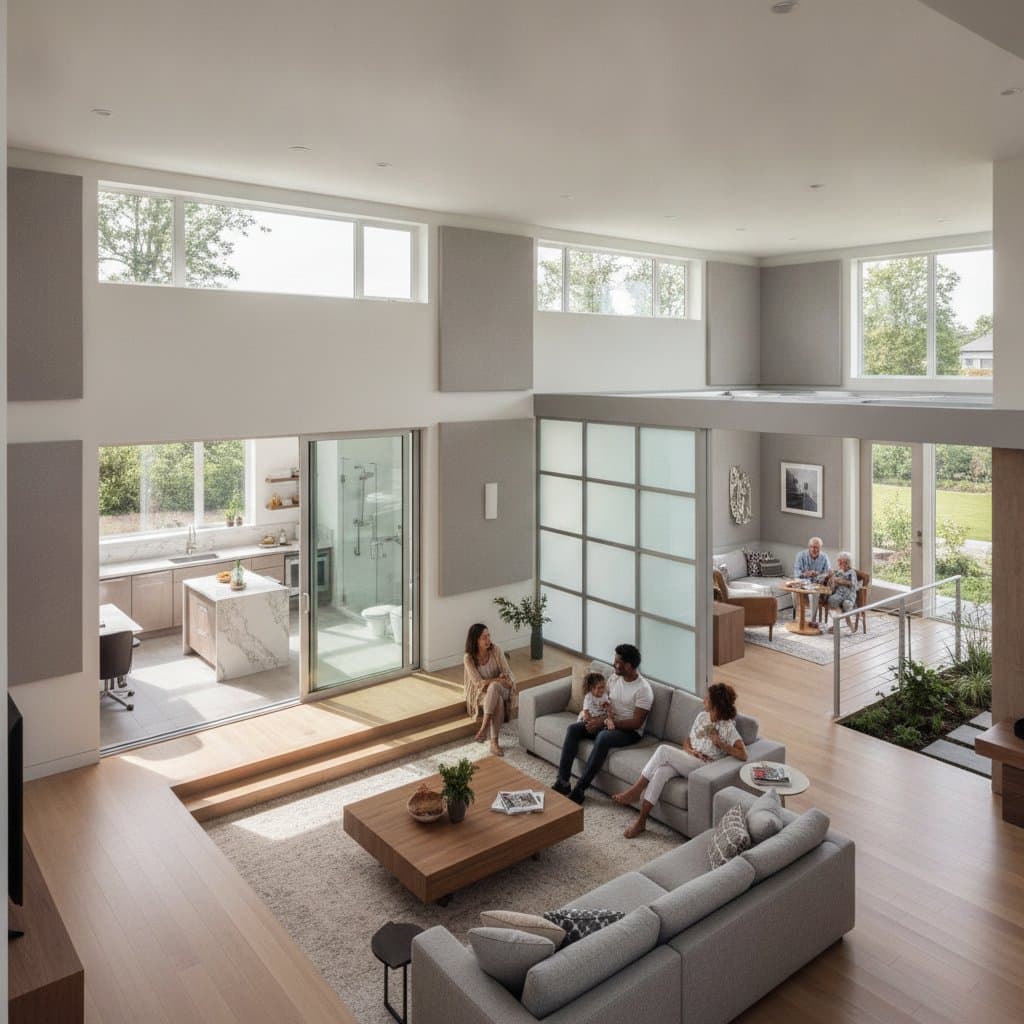
In living areas, furniture arrangements promote open pathways. Flooring choices favor low-pile carpets or hardwood with anti-slip treatments to reduce fall risks. Lighting upgrades include layered options, from ambient overhead to task-specific under-cabinet fixtures.
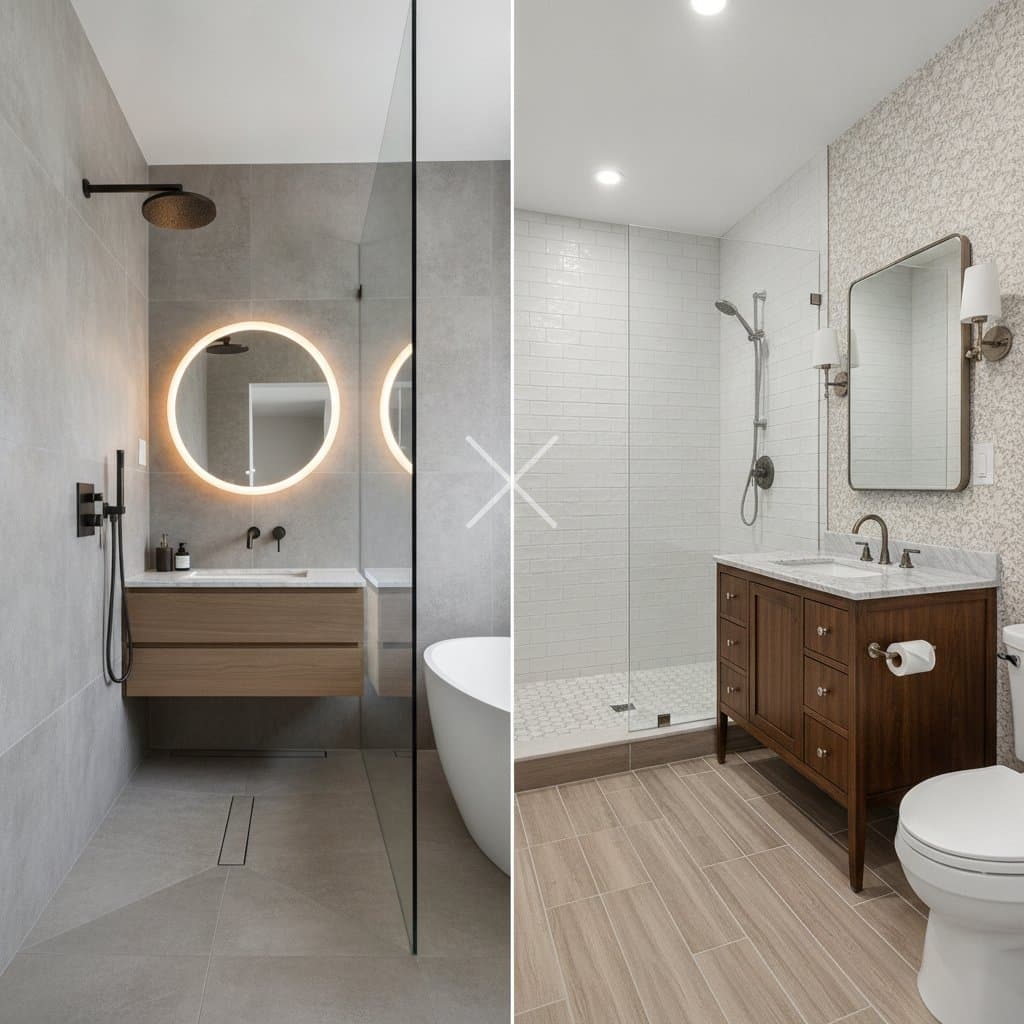
Bathrooms demand careful attention to prevent slips and falls. Curbless showers with built-in benches provide safe bathing options. Heated floors add warmth and comfort, especially for those with circulation issues.
Kitchens benefit from universal features like side-opening ovens and sink sprayers on pull-out hoses. These elements support cooking without strain. Bedrooms incorporate adjustable bed heights and closet systems with lower rods for seated access.
Technology plays a growing role in modern remodels. Smart thermostats maintain ideal temperatures automatically. Voice-controlled blinds adjust light levels effortlessly. These integrations enhance daily routines while monitoring health through connected devices.
Steps to Plan Your Universal Design Remodel
Planning begins with a thorough home assessment. Engage an occupational therapist or accessibility specialist to evaluate current layouts against user needs. This step identifies priorities, such as stairless access or multi-level counters.
Next, select a contractor certified in universal design practices. Review portfolios for projects that balance aesthetics with functionality. Obtain multiple quotes to compare scopes and timelines, ensuring alignment with your vision.
Develop a phased approach if budget constraints exist. Start with high-impact areas like entrances and bathrooms. This strategy allows gradual implementation while providing immediate benefits.
Incorporate sustainable materials to future-proof the home. Energy-efficient windows reduce utility costs over time. Recycled composites for decking offer durability without environmental harm.
Finally, test prototypes during construction. Mock up a sample doorway or counter height to confirm usability. Adjustments at this stage prevent costly rework later.
Long-Term Value and Lifestyle Benefits
Universal design remodels deliver returns beyond initial investments. Enhanced safety features lower the risk of injuries, potentially saving thousands in medical bills. Properties with these upgrades appeal to broader buyer pools, increasing resale potential by 10 to 20 percent.
Homeowners gain independence, avoiding the expense of assisted living facilities, which average $50,000 annually. Family members appreciate the peace of mind from knowing loved ones navigate spaces confidently. These projects foster multigenerational living arrangements.
Over time, energy-efficient elements cut ongoing costs. For example, better insulation and smart systems optimize heating and cooling. The home becomes a resilient asset in an aging population.
Investing in universal design supports personal well-being. Comfortable surroundings encourage activity and social engagement. This holistic approach ensures homes remain havens for life’s changing chapters.