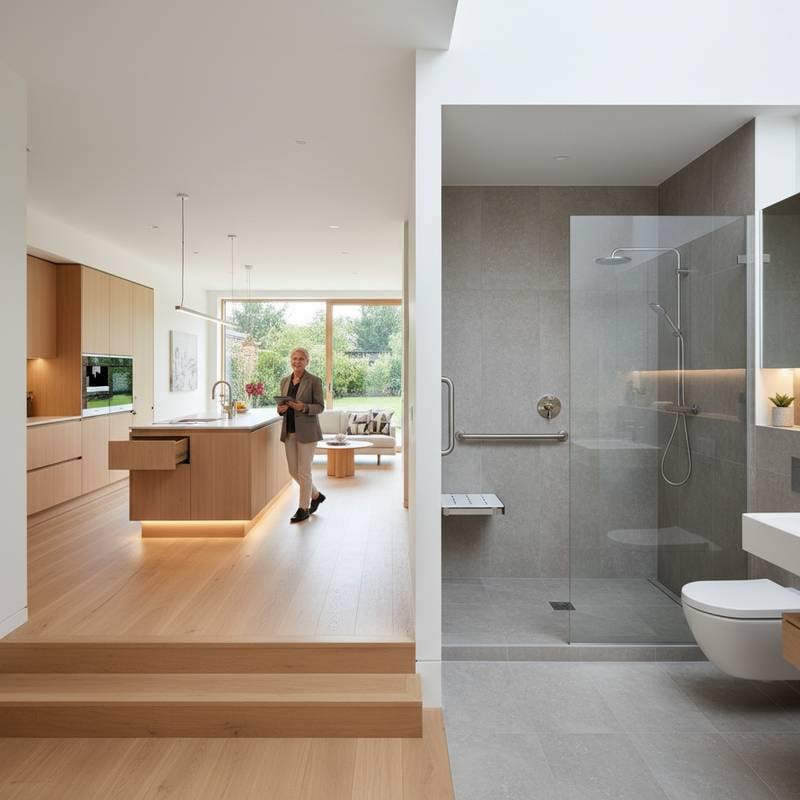
Essential Features for Aging Gracefully at Home
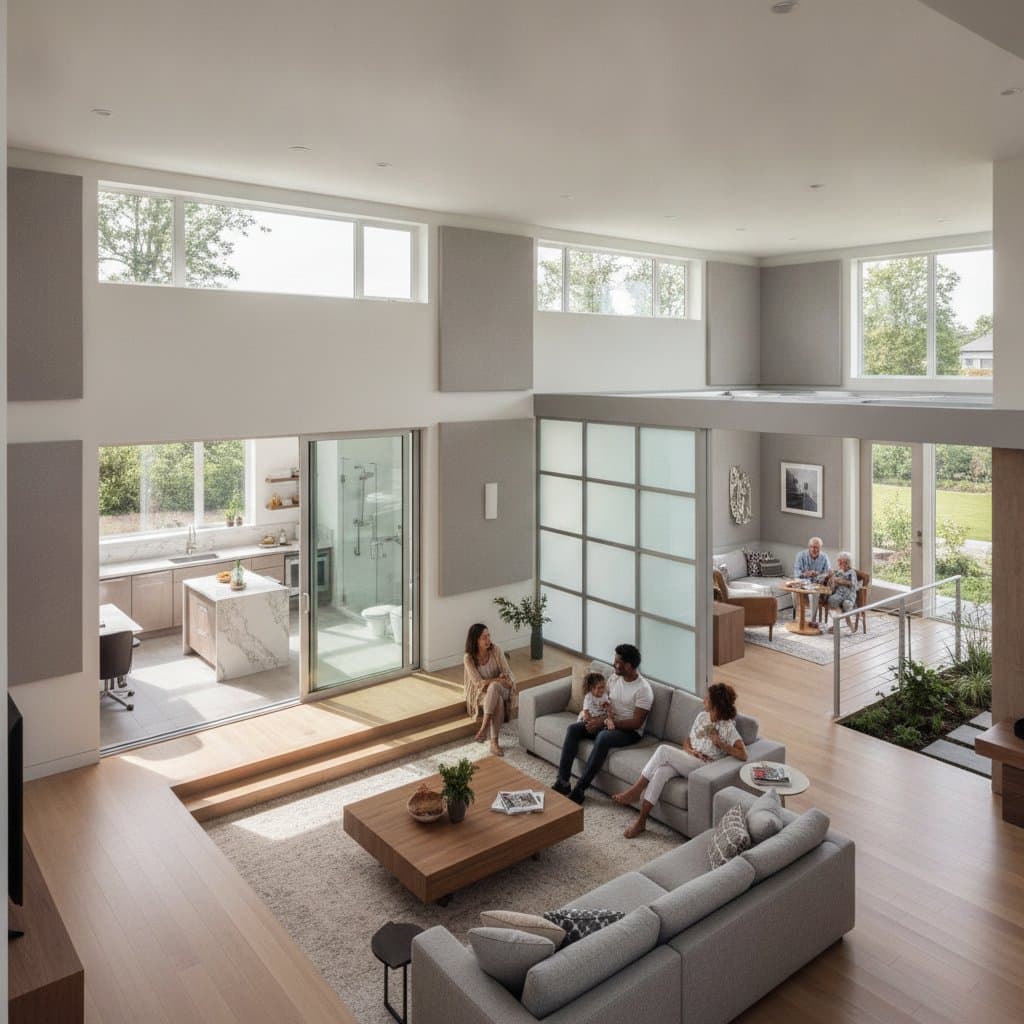
Aging in place enables individuals to stay within a cherished home environment while upholding comfort and autonomy. Home modifications designed with accessibility in mind transform routine activities into safer, more manageable experiences. Such proactive renovations also minimize the expense of future alterations by addressing potential shifts in mobility or health requirements.
Key Considerations for Aging-in-Place Design
Accessible design emphasizes safety, fluid navigation, and everyday convenience. The objective involves reshaping living spaces to accommodate evolving personal needs across decades. Even minor adjustments yield significant improvements in functionality and hazard reduction, while extensive overhauls incorporate universal design principles that benefit multiple generations.
Consider these prioritized features for comprehensive accessibility:
- Eliminate steps at entrances and expand doorways to at least 32 inches wide for unobstructed passage
- Install lever handles on all doors and faucets to simplify operation for those with reduced hand strength
- Select non-slip surfaces and maintain thresholds below one-half inch to prevent stumbles
- Position lighting strategically to illuminate pathways and workspaces effectively
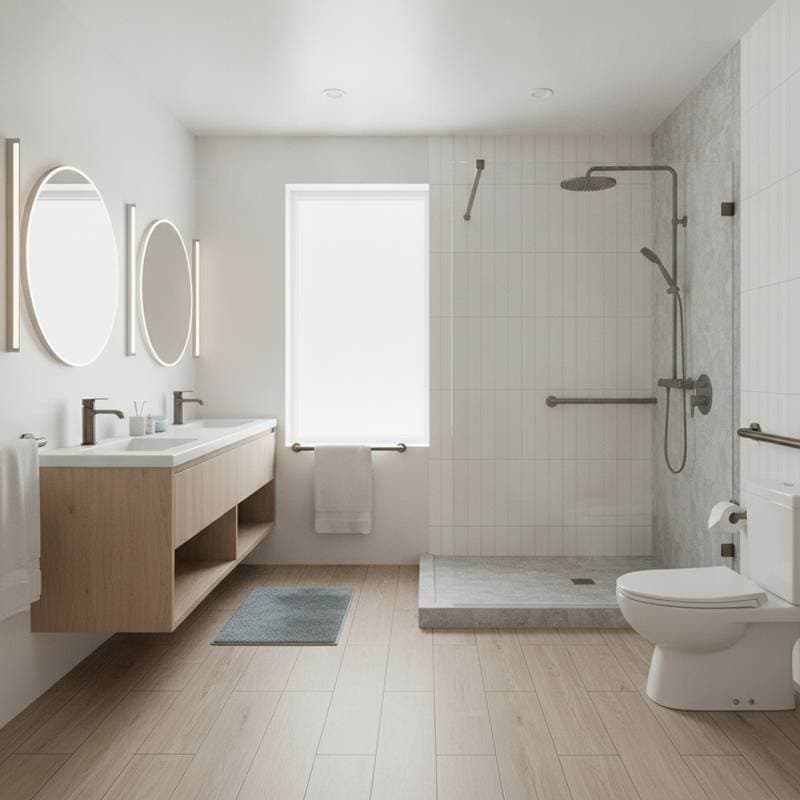
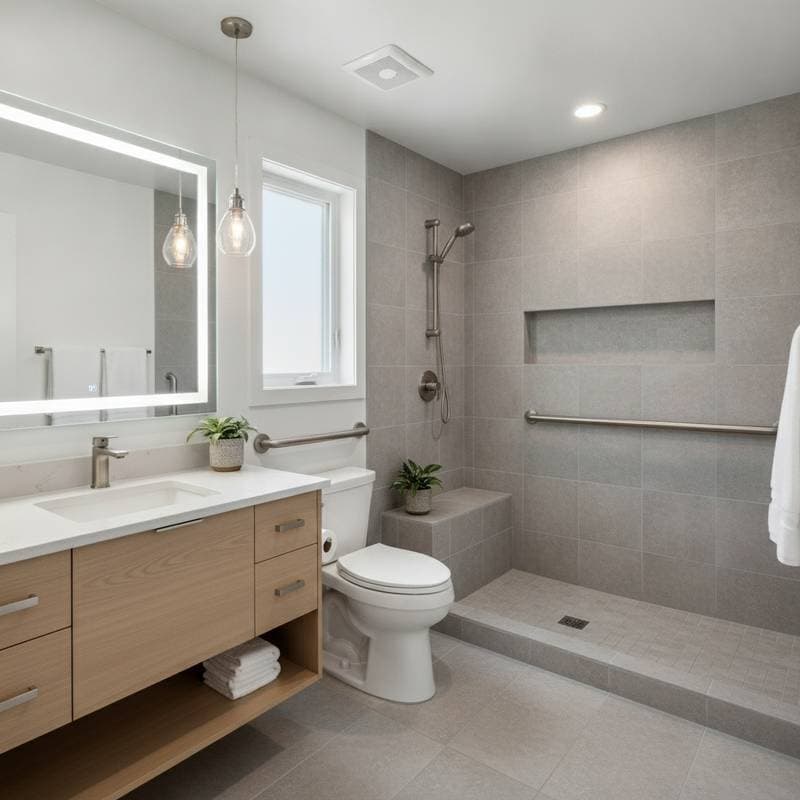
- Integrate grab bars and curbless showers in bathrooms to support balance during transfers
These modifications address common risks, particularly falls, which affect over one in four adults aged 65 and older annually. By focusing on prevention, homeowners foster environments that promote confidence and well-being.
Bathroom Accessibility Upgrades
Bathrooms rank as high-risk areas for accidents due to wet surfaces and confined spaces. A curbless shower removes barriers, allowing seamless entry and exit without lifting feet over curbs. Reinforce stability by mounting grab bars at 33 to 36 inches high near toilets, showers, and bathtubs, using models rated for at least 250 pounds of support.
Opt for comfort-height toilets positioned at 17 to 19 inches from the floor to ease sitting and standing motions, reducing joint stress. Pair this with anti-slip flooring materials like textured porcelain tiles and install a handheld showerhead on an adjustable rail for versatile use. For enhanced mobility, choose a roll-under sink with removable cabinetry below the basin, enabling knee clearance up to 27 inches high and 30 inches wide.
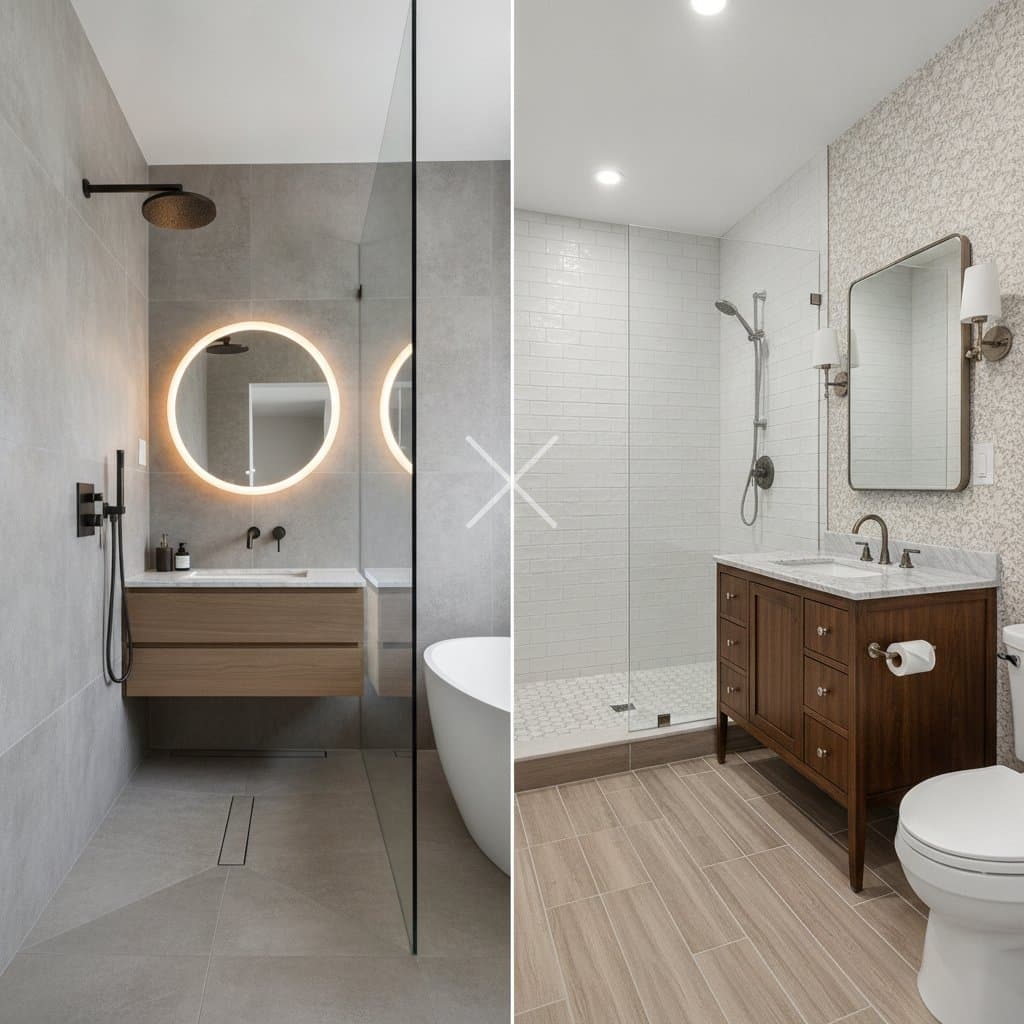
These enhancements deliver practical utility while preserving an inviting aesthetic, avoiding the stark appearance of medical facilities.
Kitchen Modifications for Ease and Safety
Kitchens demand layouts that facilitate reach, preparation, and circulation without excessive effort. Incorporate pull-out shelves in lower cabinets to bring items forward, eliminating the need to bend deeply into storage. Lazy Susans in corner cabinets rotate contents into view, while drawer-style dishwashers at 34-inch heights allow loading from a seated position.
Adjust countertops to 28 to 34 inches in height, or install sections with variable elevations via hydraulic lifts for standing or seated work. Ensure ample knee space under sinks and cooktops, measuring at least 27 inches high. Layer lighting with under-cabinet strips for precise task illumination and overhead pendants to banish shadows during meal assembly.
Transition from round knobs to D-shaped lever handles or large loop pulls on appliances and cabinets, accommodating arthritic grips. These targeted changes streamline cooking and cleanup, conserving energy and preventing injuries from overreaching.
Flooring and Lighting Choices
Select flooring that provides a stable, non-slip base to support secure footing throughout the home. Firm materials such as luxury vinyl plank or low-pile cork deliver cushioning without compromising traction, ideal for main living areas. Eliminate area rugs or secure them with double-sided tape if retained, and ensure transitions between rooms feature beveled edges to avoid catches.
For lighting, create a multi-tiered system that combats low visibility. Combine ambient overhead fixtures with focused task lights over stairs and reading nooks, supplemented by motion-activated LED strips along baseboards. In bedrooms and bathrooms, place automatic night lights that activate at dusk, guiding safe passage and reducing disorientation during nighttime routines.
This approach minimizes glare from windows by using sheer curtains or frosted films, while dimmable switches allow customization based on time of day or vision needs.
Smart Home Features for Independence
Integrate technology to automate routine controls and monitor safety without constant intervention. Motion-sensor lights in entryways and corridors illuminate automatically upon approach, preventing missteps in dim conditions. Smart thermostats learn preferences and adjust temperatures via app or voice command, maintaining optimal comfort levels.
Voice-activated assistants control appliances, blinds, and entertainment systems, operable hands-free for those with limited mobility. Install video doorbells with two-way audio to screen visitors securely from indoors, and pair with keyless entry locks that integrate with smartphones for effortless access. Fall-detection sensors connected to wearable devices or home hubs alert emergency contacts if unusual patterns occur.
These innovations empower residents to manage their surroundings independently, offering reassurance to family members while diminishing reliance on physical assistance.
Planning and Budgeting Your Renovation
Renovation expenses fluctuate based on scale and materials, but strategic planning controls costs effectively. Basic installations like grab bars or LED lighting upgrades typically range from 200 to 800 dollars per area. Full bathroom conversions with curbless showers and accessible fixtures often total 5,000 to 15,000 dollars, while kitchen overhauls incorporating pull-outs and lowered counters may reach 10,000 to 25,000 dollars.
Ramps or platform lifts for multi-level homes add 2,000 to 10,000 dollars, depending on length and incline. Consult contractors certified in aging-in-place principles, such as those affiliated with the National Association of Home Builders, to ensure adherence to building codes like the Americans with Disabilities Act guidelines. Begin with high-traffic zones like bathrooms and kitchens, then phase in broader updates to distribute financial impact.
Obtain multiple quotes and explore tax credits or grants through programs like Medicaid waivers for eligible seniors, maximizing value without compromising quality.
Sustaining Accessibility for Lasting Benefits
An accessible home evolves alongside its occupants, demanding ongoing vigilance to preserve functionality. Schedule annual inspections of grab bars for secure mounting and flooring for wear that could reduce grip. Test smart devices quarterly to confirm responsiveness and update software for optimal performance.
These routines extend the lifespan of modifications, safeguarding the investment while adapting to minor changes in health or lifestyle. Ultimately, such a thoughtfully equipped residence not only bolsters daily independence but also elevates overall quality of life, fostering security and joy in familiar spaces.