Introduction to Luxury Spa Baths
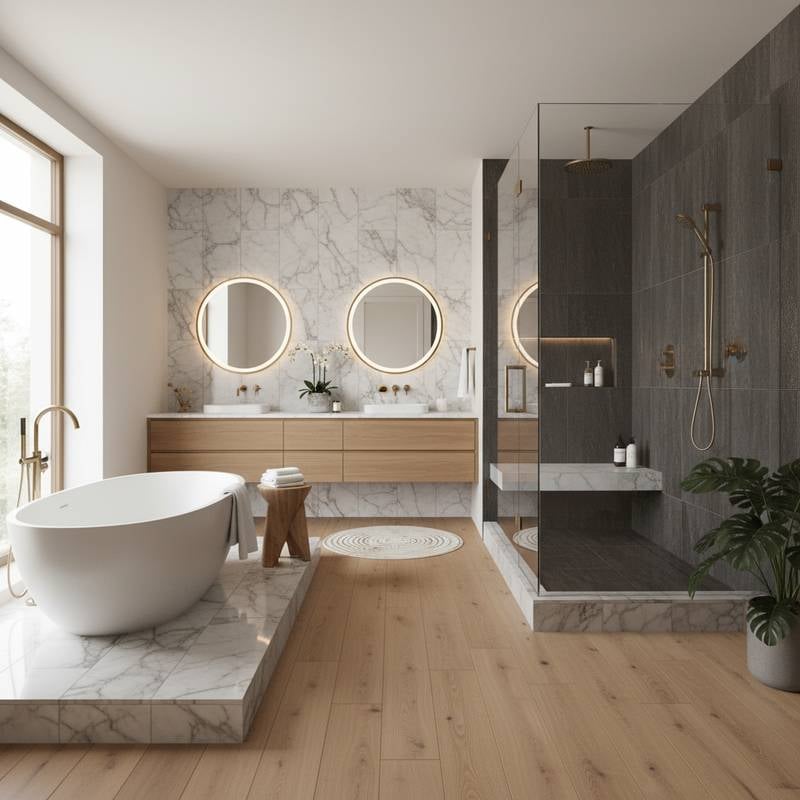
A luxury spa bath transforms an ordinary bathroom into a private oasis of relaxation and rejuvenation. These high-end installations incorporate advanced features like deep soaking tubs, powerful whirlpool systems, and enveloping steam showers, each designed to promote wellness and reduce daily stress. Homeowners invest in such upgrades not only for immediate enjoyment but also to enhance property appeal and resale value.
Selecting the right elements requires careful consideration of personal needs, space constraints, and budget limitations. Costs vary widely based on materials, customization, and installation complexity, typically spanning $1,000 to $10,000 per feature. By understanding these expenses upfront, individuals can prioritize investments that deliver the greatest comfort and durability.
Breaking Down the Costs of Key Features
Soaking tubs serve as the cornerstone of many spa-inspired bathrooms, offering immersive relaxation through their generous depth and ergonomic design. Basic acrylic models start at around $1,000, while premium cast iron or freestanding options with custom finishes can reach $5,000 or more. Factors influencing price include size, material quality, and integrated features like built-in lighting or chromotherapy jets.
Whirlpool tubs introduce therapeutic hydro-massage through multiple adjustable jets that target muscle tension. Entry-level systems cost between $2,000 and $4,000, but advanced models with variable speeds, air infusion, and heated surfaces climb to $8,000 to $10,000. Installation expenses add 20 to 30 percent, covering plumbing adjustments and electrical wiring for pumps and controls.
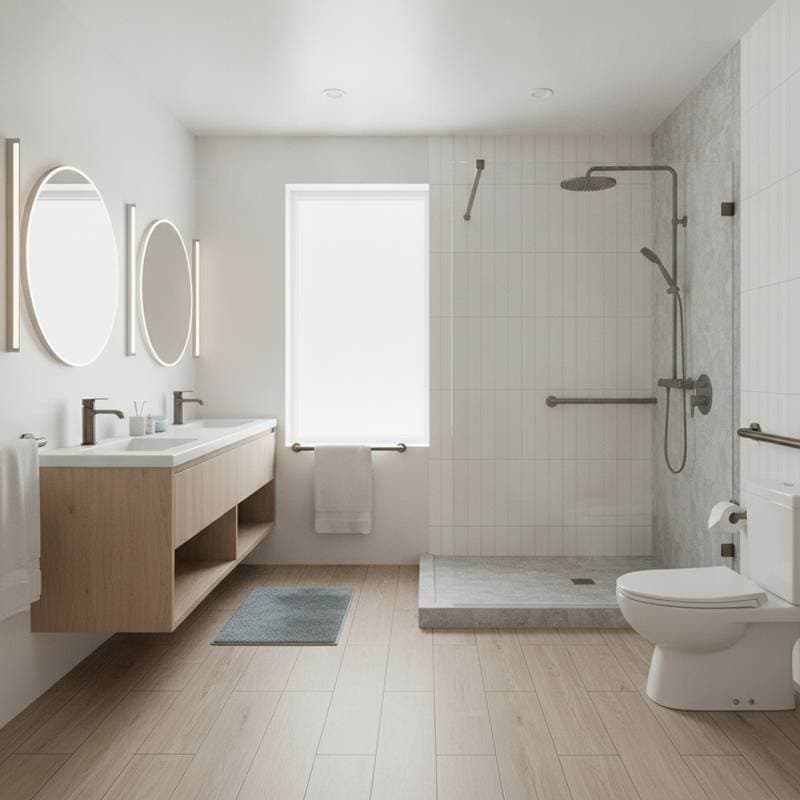
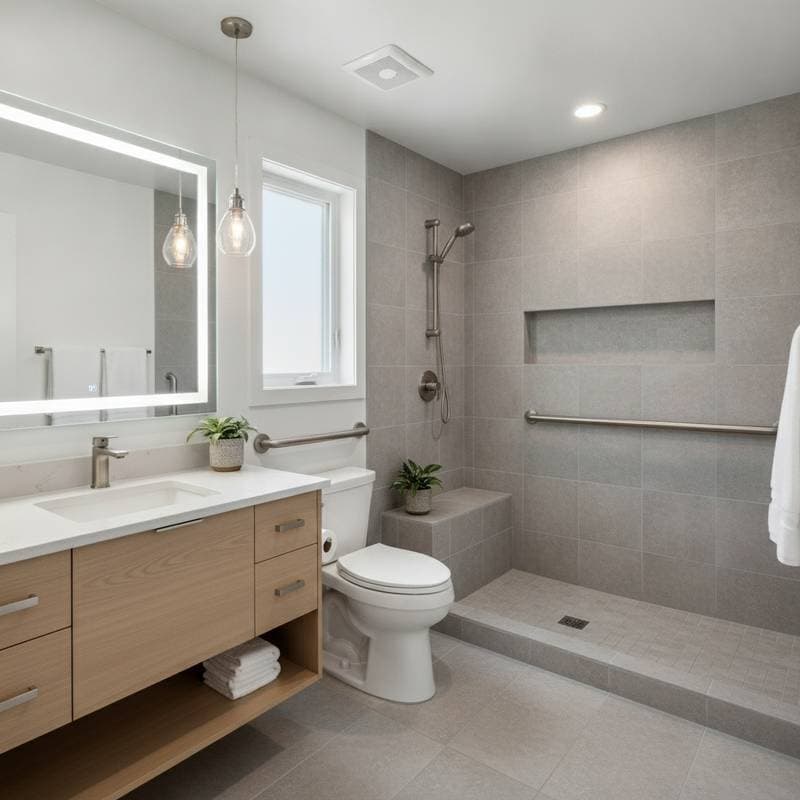
Steam showers combine cleansing with spa-like humidity, often enclosed in glass for a modern aesthetic. Simple kits begin at $3,000, encompassing generators and basic enclosures, whereas fully customized units with aromatherapy, digital controls, and multiple heads exceed $10,000. These systems demand robust ventilation and waterproofing, which contribute to higher upfront costs but promise enhanced respiratory benefits and skin health.
Radiant floor heating provides subtle warmth underfoot, eliminating cold tiles and amplifying overall comfort. Basic electric mats cover 100 square feet for $1,000 to $2,000, while hydronic systems using hot water circulation range from $3,000 to $6,000 for larger areas. Compatibility with flooring types like porcelain or stone ensures even heat distribution without compromising aesthetics.
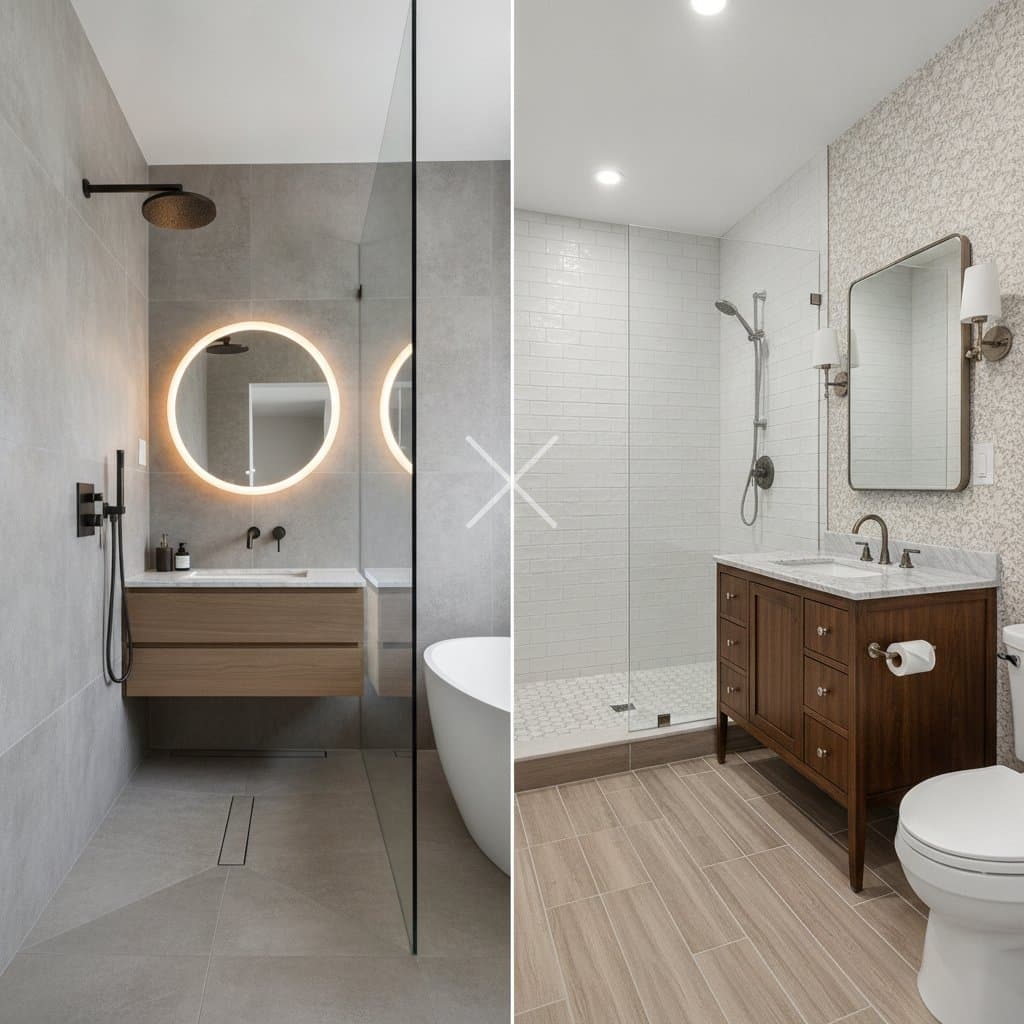
Premium finishes, such as natural stone vanities or rain showerheads, round out the experience at $1,500 to $5,000 each. Total project budgets often aggregate $20,000 to $50,000, depending on scope. Consulting with designers early helps align selections with both lifestyle preferences and financial parameters.
Maximizing Return on Investment and Cost Efficiency
A thoughtfully executed spa bath renovation yields a return of 55 to 65 percent upon home sale, influenced by regional real estate trends and overall property condition. High-quality materials and timeless designs appeal to future buyers seeking modern amenities. Location plays a key role; urban markets value these upgrades more than rural ones due to demand for wellness-focused living.
To optimize spending, evaluate reuse of existing infrastructure. Retaining current plumbing and electrical lines minimizes disruption and expenses by up to 15 percent. Opt for mid-tier fixtures in guest bathrooms, reserving luxury elements for primary spaces where daily use justifies the premium.
Enhance efficiency with strategic choices like superior insulation around tubs and showers. This maintains optimal temperatures, lowering energy bills by 10 to 20 percent annually. Focus investments on frequently utilized features, such as radiant heating or expansive soaking tubs, to ensure proportional benefits from each dollar spent.
Essential Considerations for Professional Installation
Engage a licensed contractor for any project involving structural, electrical, or plumbing alterations. These modifications require expertise to avoid hazards like water damage or code violations. Professionals handle floor reinforcement for heavy tubs, precise waterproofing in moisture-prone areas, and seamless integration of heating systems.
Verify contractor qualifications through licenses, client references, and insurance documentation prior to commitment. Reputable firms provide detailed timelines and cost breakdowns, fostering transparency. Their involvement guarantees adherence to building standards, resulting in a durable and aesthetically superior outcome.
Projects of this nature typically span four to eight weeks, contingent on design intricacy and supply chain factors. Early planning mitigates delays, allowing for custom orders and permitting processes. A skilled team transforms visions into reality while safeguarding the home's integrity.
Frequently Asked Questions
What is the expected lifespan of a steam shower system? Proper upkeep extends the life of generators and electronic controls to approximately 10 years. Routine descaling prevents mineral buildup, preserving efficiency and functionality.
Is radiant floor heating compatible with vinyl or laminate flooring? Affirmative, provided the heating system is specifically rated for those surfaces and paired with appropriate underlayment. This setup distributes warmth evenly without risking material deformation.
Do spa bath features significantly increase household water consumption? Elements like whirlpool jets and oversized tubs elevate usage temporarily, yet incorporating low-flow aerators and water-efficient appliances offsets this impact. Many modern systems include eco-modes to conserve resources.
How much time does a full luxury bath remodel require? Completion generally occurs within four to six weeks for standard designs, though elaborate customizations may extend to two months. Material sourcing and unforeseen adjustments influence the overall duration.
Are there financing options for these upgrades? Numerous contractors partner with lenders offering home improvement loans at competitive rates. Exploring these avenues spreads costs over time, making luxury accessible without straining immediate budgets.
Ensuring Longevity Through Maintenance
Preserve the splendor and performance of your spa bath with consistent care routines. Clean surfaces weekly using pH-balanced solutions to prevent residue accumulation on tiles and fixtures. Seal grout and caulk annually to repel moisture and inhibit mold growth.
Replace filters in whirlpools and steam units quarterly, and inspect plumbing for early signs of wear. Professional servicing once a year addresses ventilation, electrical components, and structural elements. These practices not only prolong equipment life but also uphold hygiene standards.
Realizing Enduring Comfort and Home Enhancement
With meticulous planning and ongoing attention, a luxury spa bath evolves into a cherished daily ritual that nurtures well-being. It elevates routine self-care into profound relaxation, fostering mental clarity amid hectic schedules. Beyond personal indulgence, this investment bolsters property worth, appealing to discerning buyers and securing financial returns for years ahead.