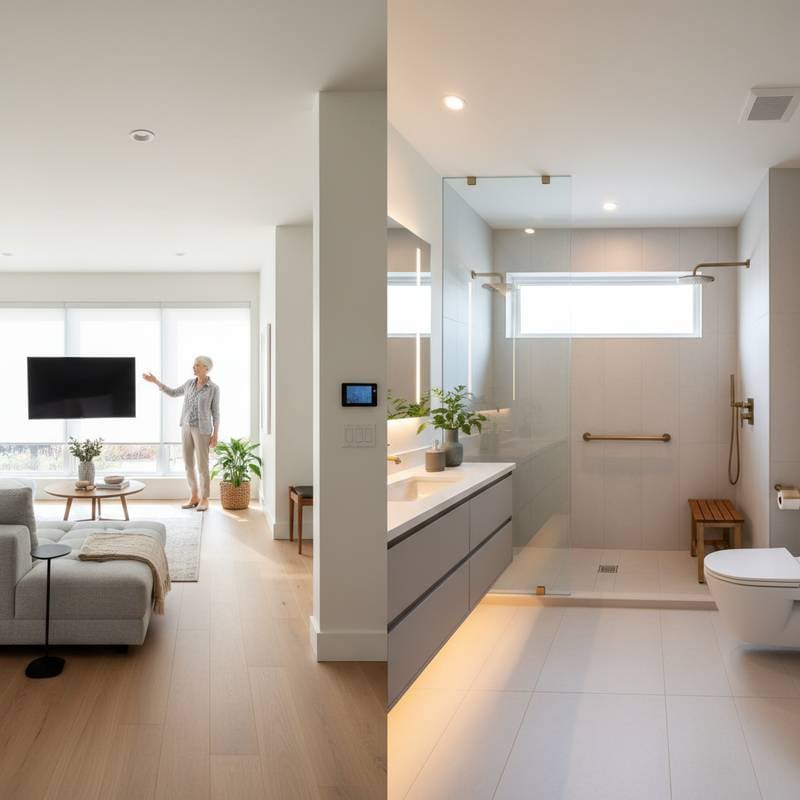
Aging in Place: Costs and Essential Remodel Features
Aging in place allows individuals to remain in their cherished homes as needs evolve over time. This approach ensures spaces stay safe, functional, and comfortable. The following sections outline key remodeling features, associated costs, and planning strategies to support independence and tranquility.
Understanding the Concept of Aging in Place
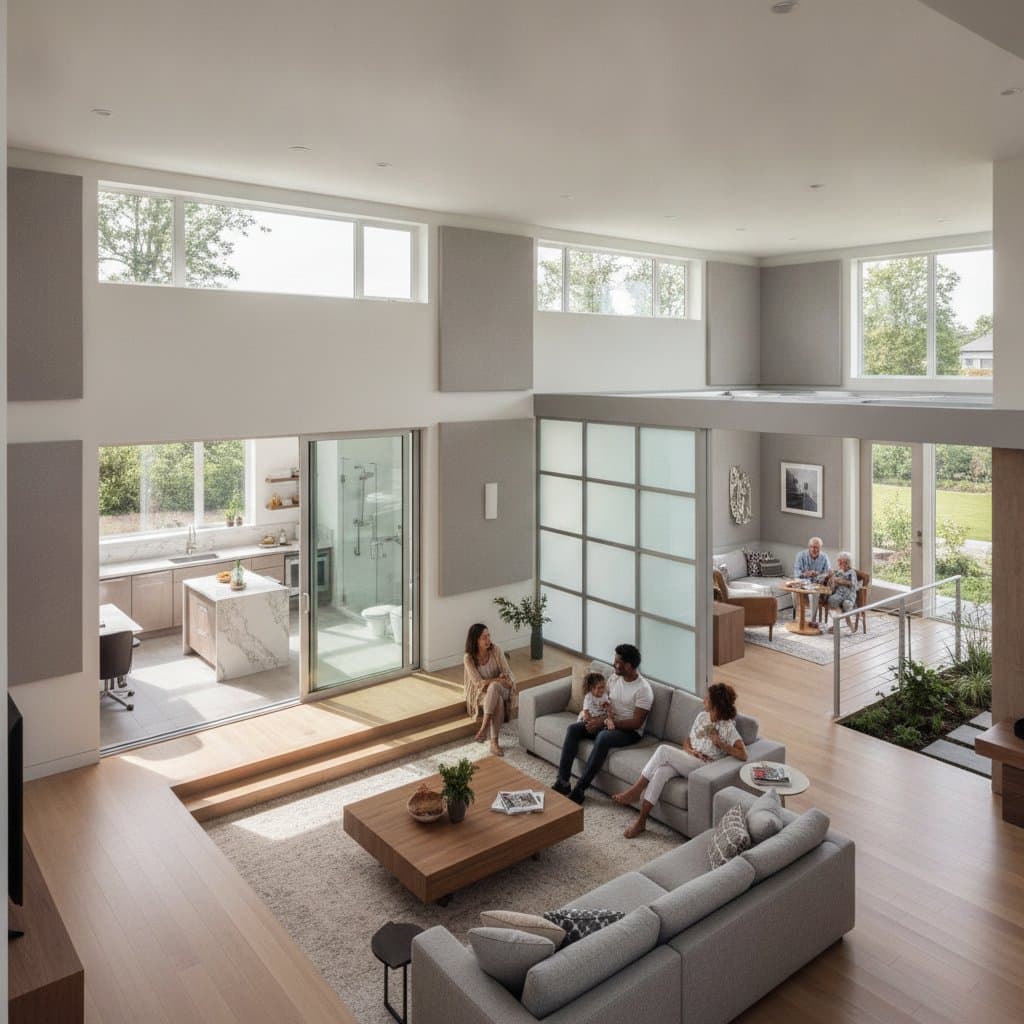
Aging in place emphasizes designs that prioritize accessibility and enduring usability. These designs draw from universal design principles, which accommodate people across all ages and abilities. The focus remains on seamless, integrated modifications that enhance safety and ease without compromising aesthetic appeal.
Effective remodels incorporate three core elements. First, accessibility facilitates smooth navigation and utilization of spaces. Second, safety minimizes risks such as falls and physical exertion. Third, comfort preserves an inviting atmosphere that aligns with personal style.
Key Remodel Features for Aging in Place
Homeowners often select the features listed below to adapt residences for lifelong occupancy. These elements provide practical benefits alongside visual enhancements, allowing customization to suit specific layouts and preferences.
1. Zero-Threshold Entry
A zero-threshold entry removes steps at exterior doors, creating a level transition between outdoor and indoor areas. This modification accommodates mobility aids like walkers or wheelchairs, as well as everyday items such as strollers.
It effectively lowers tripping risks and broadens access. Costs typically align with those of a conventional exterior door replacement, varying by material selections like wood, fiberglass, or metal. Integrate slip-resistant paving materials and ample exterior lighting to further bolster security and elevate the home's facade.
2. Wider Doorways and Hallways
Expanding doorways to a minimum width of 32 inches and hallways accordingly eases passage for mobility devices. This adjustment promotes fluid movement throughout the home.
The benefit lies in enhanced maneuverability and reduced physical barriers. Expenses remain moderate, influenced by existing wall compositions and chosen finishes such as paint or trim. Opt for lever-style door handles over traditional knobs to simplify operation, particularly for those with limited hand strength.
3. Barrier-Free Showers
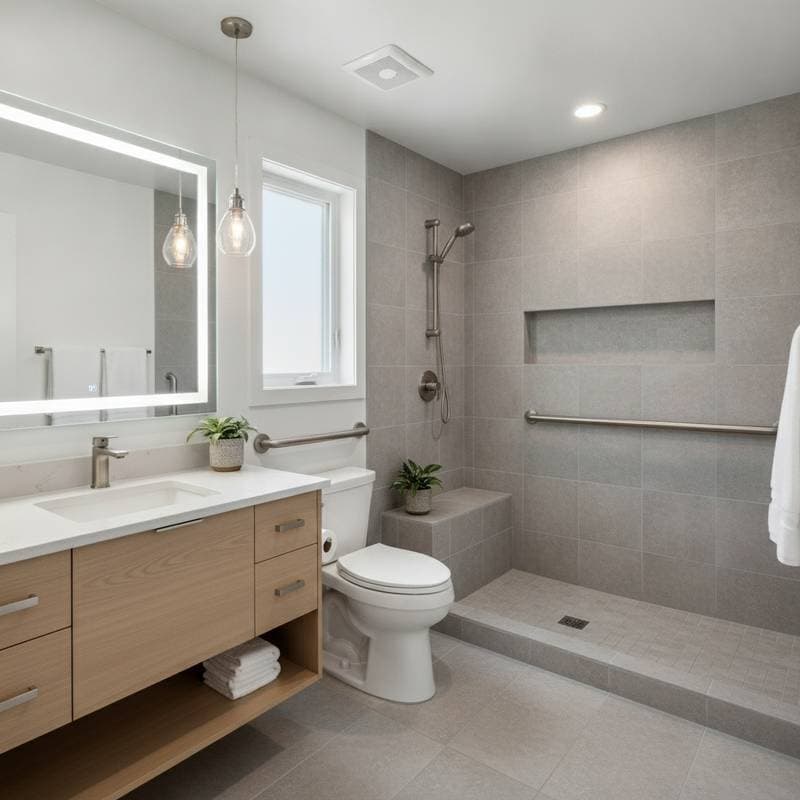
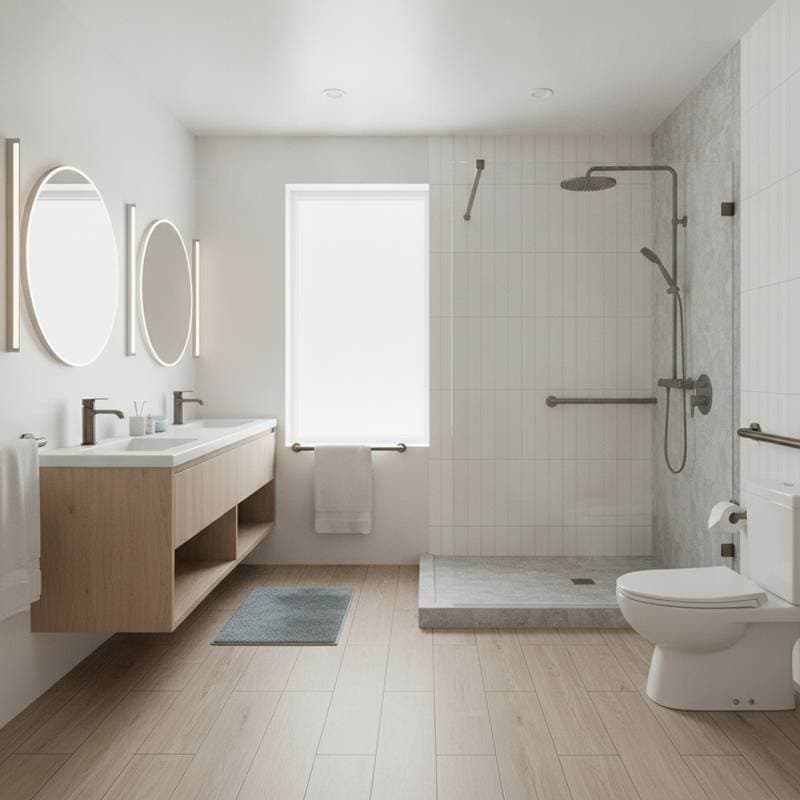
Curbless showers eliminate raised edges, providing step-free entry that integrates seamlessly into contemporary bathroom aesthetics. This upgrade supports safe bathing routines for users of varying mobility levels.
It addresses common bathroom hazards while streamlining maintenance tasks. Installation costs exceed standard shower replacements due to plumbing adjustments, yet they contribute to property value over time. Incorporate a handheld showerhead for versatile positioning and a fold-down bench for seated convenience.
4. Non-Slip Flooring
Selecting slip-resistant flooring materials, such as textured porcelain tiles, luxury vinyl planks, or low-pile carpets, safeguards against slips in high-traffic zones. These options maintain durability while offering a range of visual styles.
Such surfaces deliver reliable traction and footing stability. Pricing parallels that of typical flooring installations, contingent on material quality and square footage. Maintain uniformity across adjacent rooms to eliminate uneven transitions that could pose risks.
5. Improved Lighting
Implementing layered illumination—combining overhead ambient lights, focused task fixtures, and subtle accent sources—illuminates spaces effectively. This setup counters shadows and excessive brightness, aiding visibility during routine activities.
The arrangement heightens awareness and eases visual strain. Budgets stay reasonable for basic additions, though increases occur with electrical rewiring or installation of recessed cans. Select warm-color-temperature bulbs and motion-sensor switches for corridors to automate convenience.
6. Accessible Kitchen Layouts
Reconfiguring kitchens with lowered countertops at 34 inches, pull-out cabinet shelves, and touchless faucets empowers independent meal preparation and cleanup. These adaptations consider both standing and seated users.
They alleviate bending and reaching efforts, fostering self-sufficiency. Costs fluctuate based on the extent of cabinetry overhauls and appliance integrations, often ranging from $5,000 to $20,000 for partial redesigns. Employ color contrasts between counters and floors to delineate boundaries for those with visual impairments.
7. Bathroom Safety Fixtures
Installing grab bars near toilets and showers, along with comfort-height toilets elevated to 17-19 inches, provides essential support in moisture-prone areas. Supplementary non-slip mats reinforce these measures.
These fixtures deliver immediate stability and ease of access. Affordability characterizes most installations, frequently under $1,000 per bathroom without necessitating broader renovations. Match bar and fixture finishes to surrounding hardware for a unified, elegant appearance.
8. Smart Home Integration
Incorporating voice-activated systems for lighting, climate control, and security enables effortless management. Automation features, like automatic door locks or fall-detection sensors, extend monitoring capabilities.
This technology minimizes physical demands and facilitates oversight by family members. Initial setup costs hover around $2,000 to $10,000, scaling with device numbers and integration depth. Ensure compatibility with manual overrides to maintain functionality during outages or technical issues.
Planning and Budgeting for Accessibility
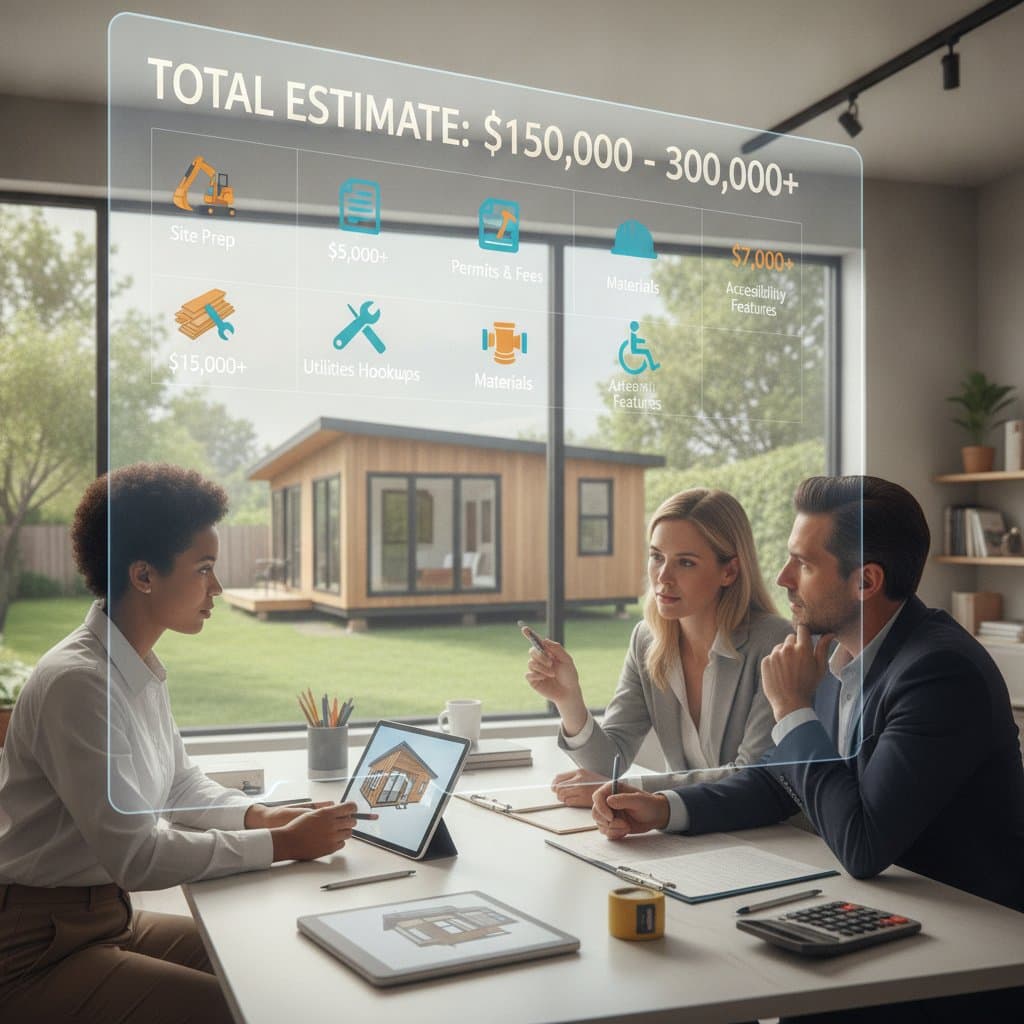
Aging in place projects span from targeted enhancements to extensive overhauls, with expenses tied to property conditions, structural demands, and desired scope.
Minor interventions, such as installing grab bars or upgrading handles, typically cost $200 to $1,000. Mid-level efforts like bathroom adaptations or flooring updates range from $3,000 to $15,000. Major undertakings, including kitchen redesigns or whole-home automations, may exceed $25,000.
Engage professionals certified in aging-in-place remodeling to comply with building codes and optimize accessibility. These experts uncover efficiencies, such as synchronizing updates with routine repairs, to control expenditures.
Style and Comfort in Universal Design
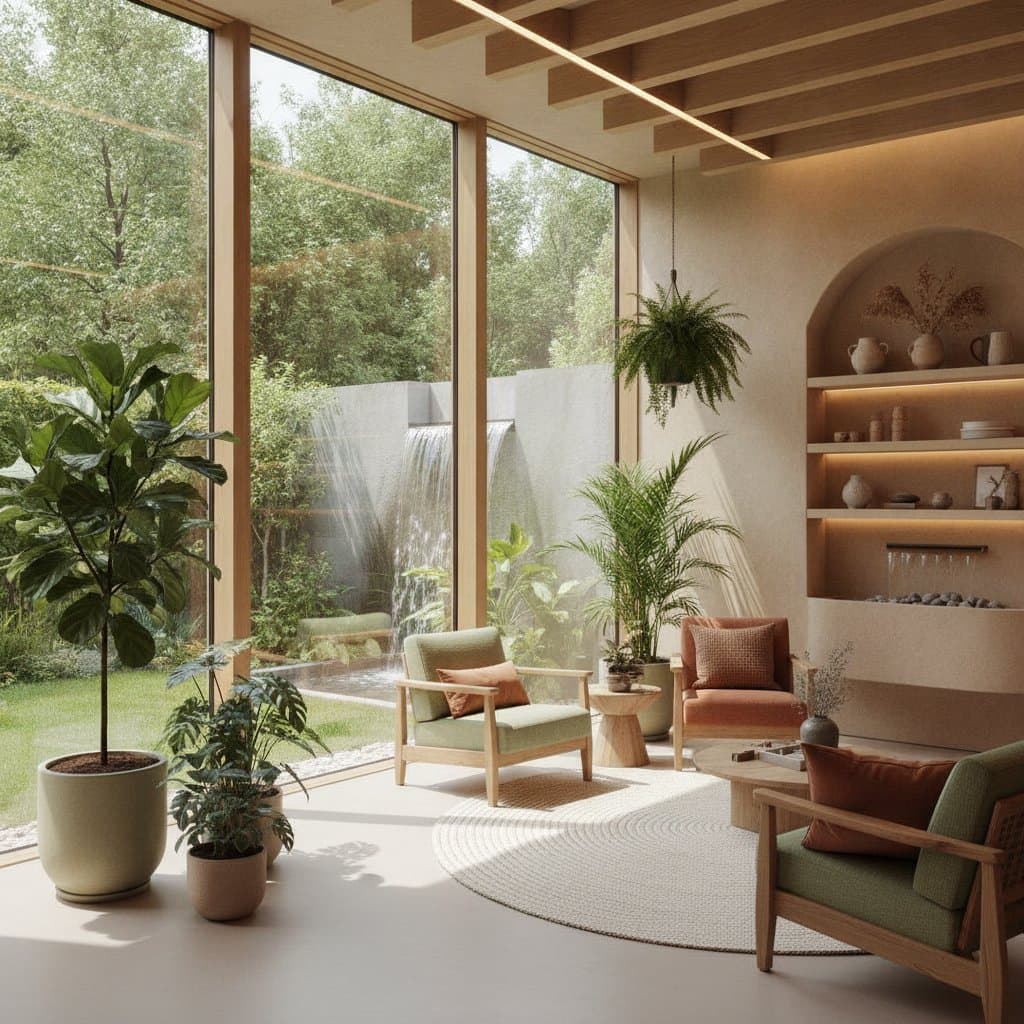
Universal design principles ensure functionality coexists with sophistication. Clean architectural lines, natural wood accents, and discreet safety integrations create welcoming environments.
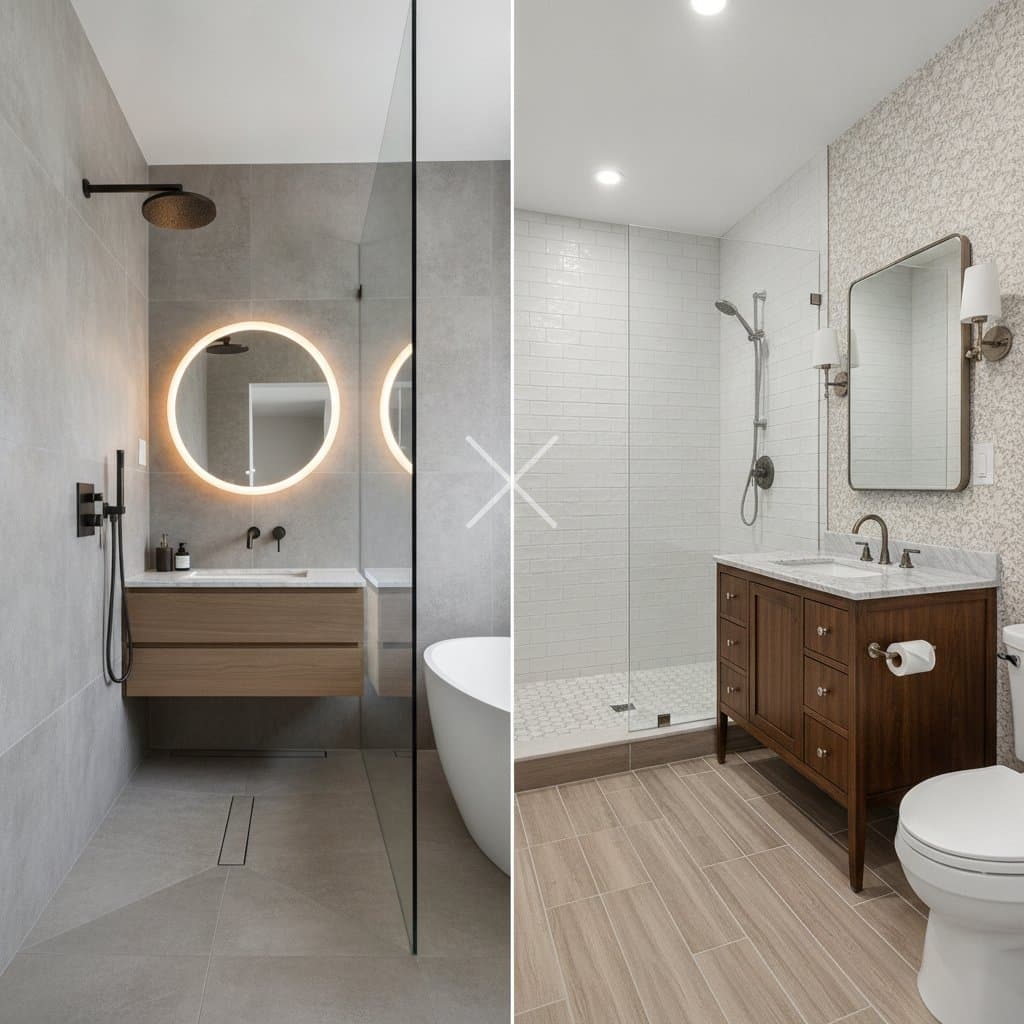
For instance, a barrier-free shower clad in subway tiles evokes a luxurious retreat, while broadened passages impart an airy spaciousness. Harmonize material palettes and illumination schemes for visual continuity. Earthy hues, satin hardware, and varied textures infuse warmth into utilitarian areas, avoiding any institutional feel.
Sustaining Accessibility Over Time
Investments in aging in place modifications yield lasting independence and bolster resale potential, as demand grows for multigenerational homes. To maximize longevity:
- Conduct annual inspections of safety elements like grab bars and flooring.
- Assess evolving requirements biennially and implement adjustments promptly.
- Document all enhancements with receipts and specifications for future transactions.
Through strategic foresight, residences transform to support fluid lifestyles. These adaptations simplify everyday routines, fortify security, and nurture the enduring essence of home.