Understanding Prefab ADU Costs: Key Factors That Shape Your Budget
A prefab accessory dwelling unit (ADU) provides expanded living space, potential rental income, or a secluded guest area. Before starting construction, grasp the actual expenses and durations involved to establish realistic goals and control spending. This guide details the elements that determine prefab ADU pricing, the steps in the timeline, and strategies for effective planning at every phase.
Distinct Features of Prefab ADUs
Prefab ADUs undergo construction in a factory setting before transportation and on-site assembly. This method minimizes waste, accelerates the build process, and avoids disruptions from weather. With significant work completed off-site, schedules become more reliable, and quality remains consistent.
Options span from small studios to larger cottages with multiple rooms. Although all prefab ADUs offer similar benefits, overall expenses hinge on design decisions, material choices, and site specifics. Evaluate these aspects to identify investments that deliver optimal value over time.
Detailed Cost Breakdown
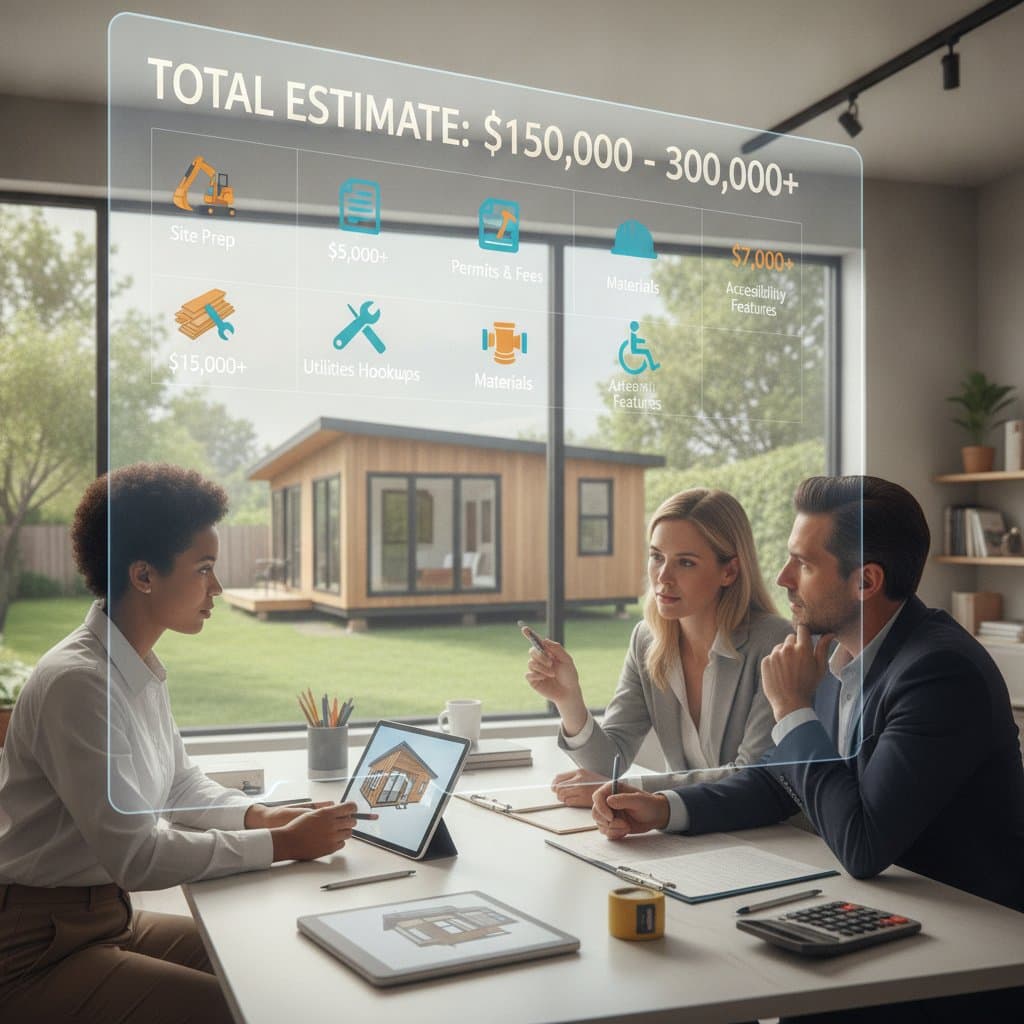
Expenses for prefab ADUs fluctuate based on dimensions, interior details, and regional rules. The sections below explain how budgets allocate across design, manufacturing, site readiness, and setup.
1. Design and Permitting
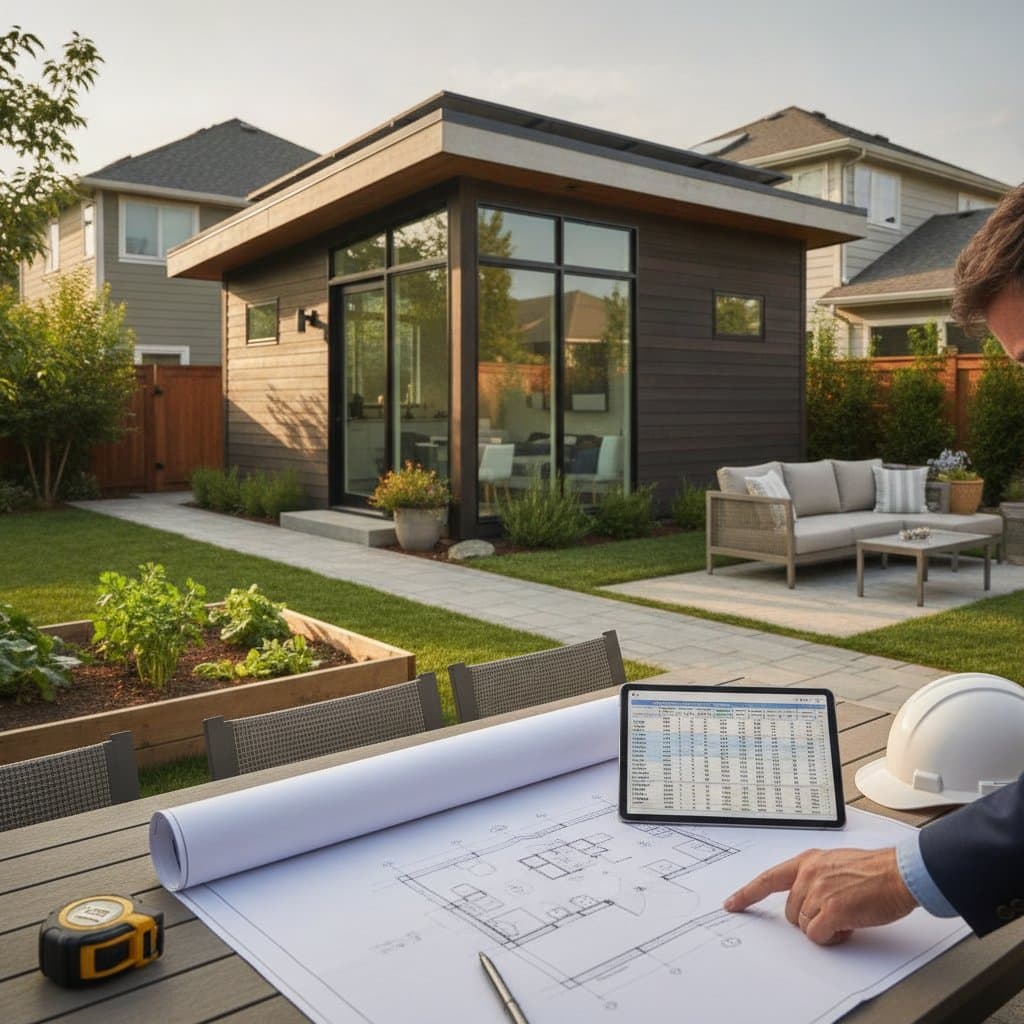
Approved blueprints and municipal permits precede any building activity. Many prefab providers supply basic design templates, yet modifications elevate fees. This phase accounts for a small share of the overall budget and encompasses architectural sketches, structural assessments, and regulatory clearances. Select a compliant design upfront to streamline approvals and reduce time spent.
2. Factory Construction
The primary framework assembles in a regulated indoor space. Streamlined labor and volume material buys maintain lower prices than on-site traditional methods. Design selections still play a role, as premium cabinets, flooring, or insulated glazing substantially raise totals. Balance quality investments with cost considerations, since robust components lower future upkeep needs.
3. Site Preparation
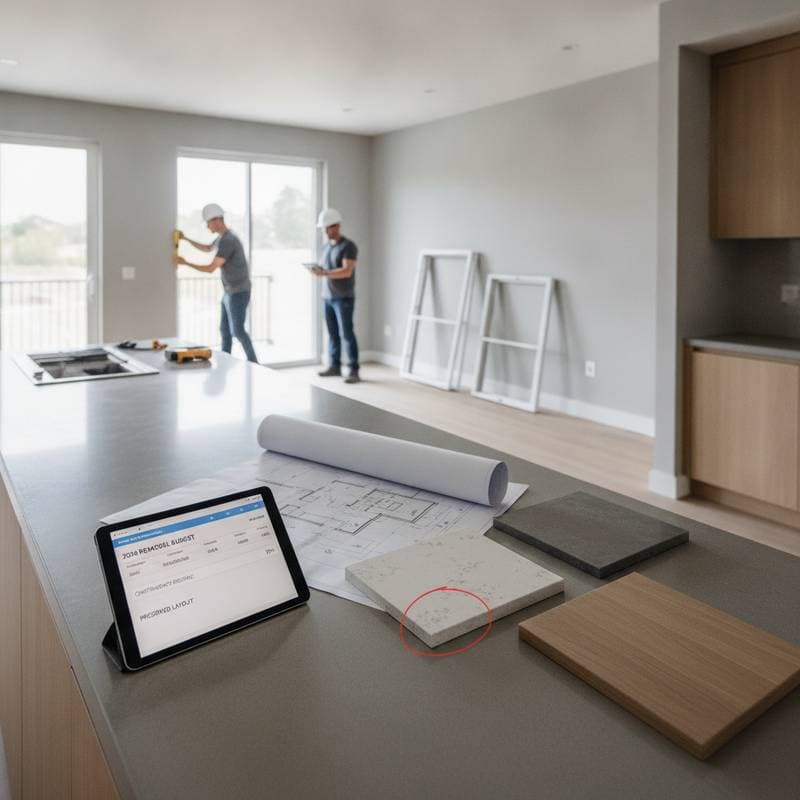
This involves land leveling, base laying, and service integrations. Variability arises from unique property traits; a level yard with straightforward access incurs fewer charges than a hilly terrain demanding barriers or deep utility digs. Additional costs emerge from clearing vegetation or reinforcing ground stability. Incorporate a reserve fund to address surprises revealed during groundwork.
4. Delivery and Setup
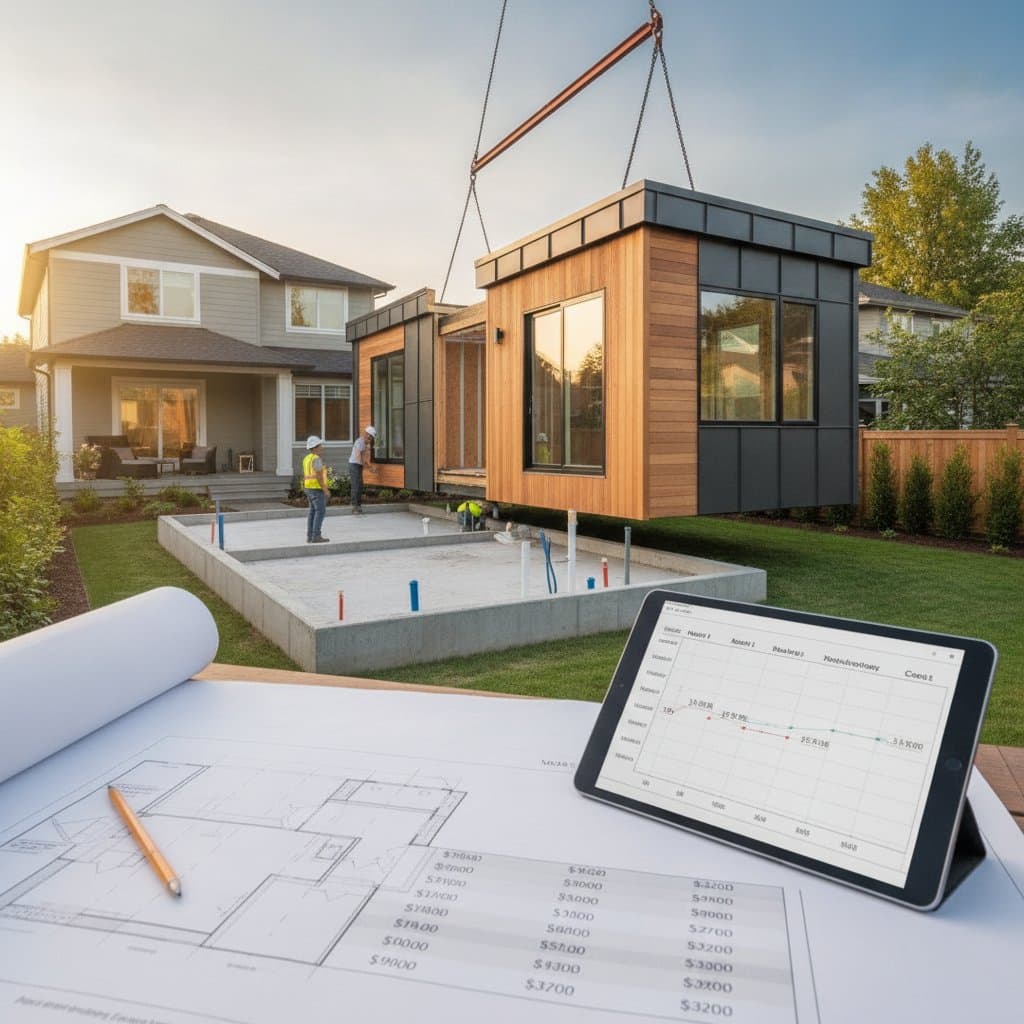
The completed module travels to the location and lifts into place via crane or assembly team. Transport fees vary with factory proximity and site reachability. Narrow paths might necessitate specialized gear or extra crew. On-site joining concludes rapidly, often in mere days, though inspector synchronization may prolong the phase modestly.
5. Finishing and Utility Connections
Post-positioning, teams finalize plumbing, wiring, and climate control links. Internal elements like surfaces and moldings complete, alongside outdoor additions such as patios or plantings. These efforts activate the space for use. Thorough inspections confirm operational integrity.
Cost Ranges by Unit Size and Type
Prefab ADUs segment into categories for better scale comprehension:
-
Compact Studios (250 to 400 square feet)
Suited for offices, short-term rentals, or visitor quarters. These demand minimal resources and basic setups, positioning them as economical choices. -
Mid-Size One-Bedroom Units (400 to 700 square feet)
These feature complete cooking areas, bathrooms, and lounges. Expenses climb due to extended piping, amplified power systems, and refined detailing. -
Two-Bedroom Cottages (700 to 1,000 square feet)
Tailored for household use or extended leasing. Expanded cooking zones, additional facilities, and intricate service ties drive higher pricing.
Material standards and groundwork efforts exert the strongest influence on totals. Basic builds with everyday components prove more accessible than bespoke versions with upscale elements.
Project Timelines: Planning Through Occupancy
Prefab ADUs finish quicker than conventional structures. The full schedule covers planning, authorizations, production, and placement, with off-site efficiency offsetting on-site waits like reviews and checks.
1. Design and Permitting Phase
Municipal evaluations often extend this period most. Prefab-optimized plans accelerate clearance when aligned with local zoning and distance rules. Maintain active file management and dialogue to sidestep setbacks.
2. Factory Fabrication
Approval triggers indoor manufacturing, immune to outdoor elements. Progress advances steadily with few hitches. Builder communications provide ongoing status reports.
3. Site Preparation and Foundation Work
As fabrication occurs, ground teams ready the base and lines. Overlapping efforts compress the calendar. Precise timing alignment allows immediate module integration upon arrival.
4. Delivery, Assembly, and Final Checks
Transport and joining span a handful of days, succeeded by connections and verifications. Clearance enables setup or leasing. Prefab approaches trim months from standard timelines.
Strategies for Budget Control
Effective oversight begins with thorough forethought. Implement these approaches to secure quality outcomes without excess spending.
- Establish a comprehensive baseline figure, factoring in approvals, groundwork, and potential overruns.
- Opt for manufacturer-standard configurations optimized for speed and adherence.
- Select resilient intermediate-grade surfaces for enduring performance at reasonable rates.
- Map service pathways in advance to anticipate and mitigate disruptions.
- Partner with prefab-savvy contractors to prevent expensive errors.
Integrating Your ADU into Daily Life
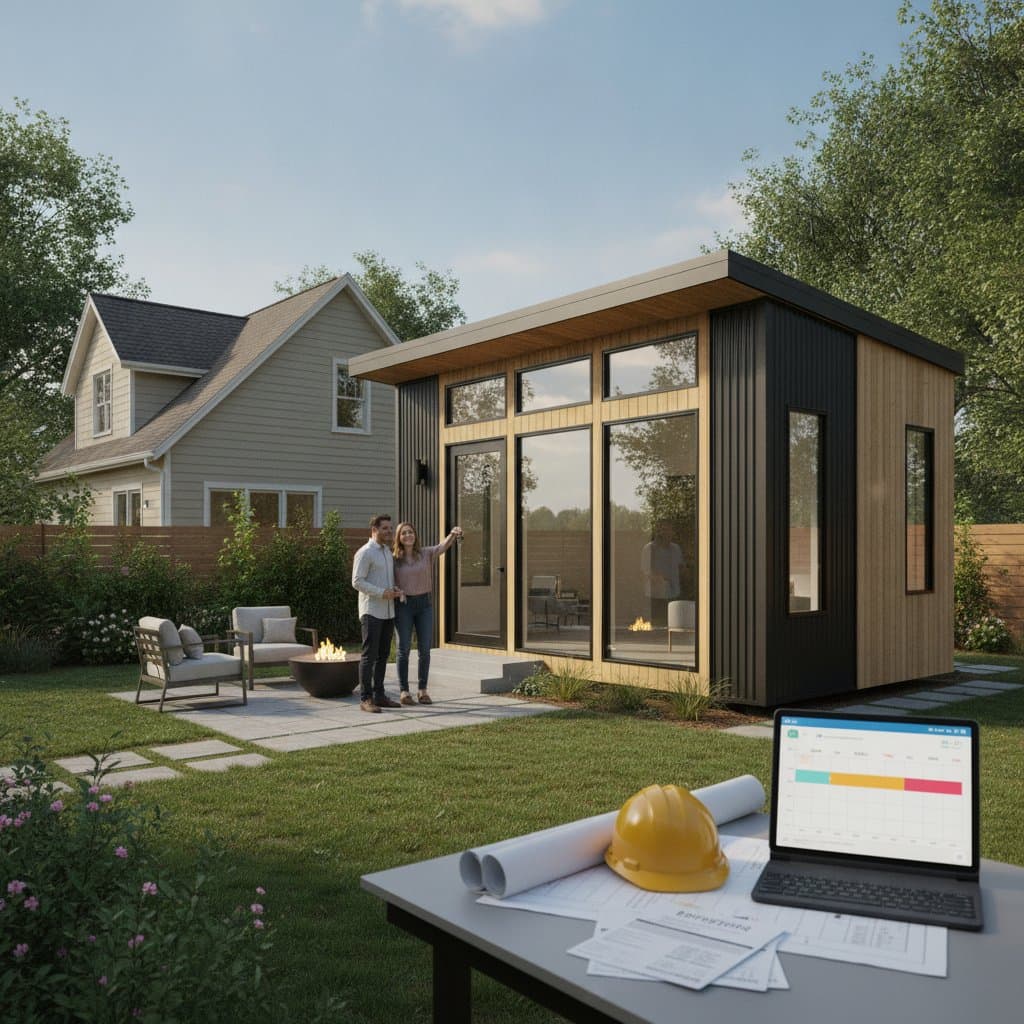
A finished prefab ADU enhances property utility as family lodging, revenue source, or dedicated office. High manufacturing benchmarks yield low initial repairs. Periodic reviews of seals, covers, and coatings sustain longevity.
Advancing Your ADU Project
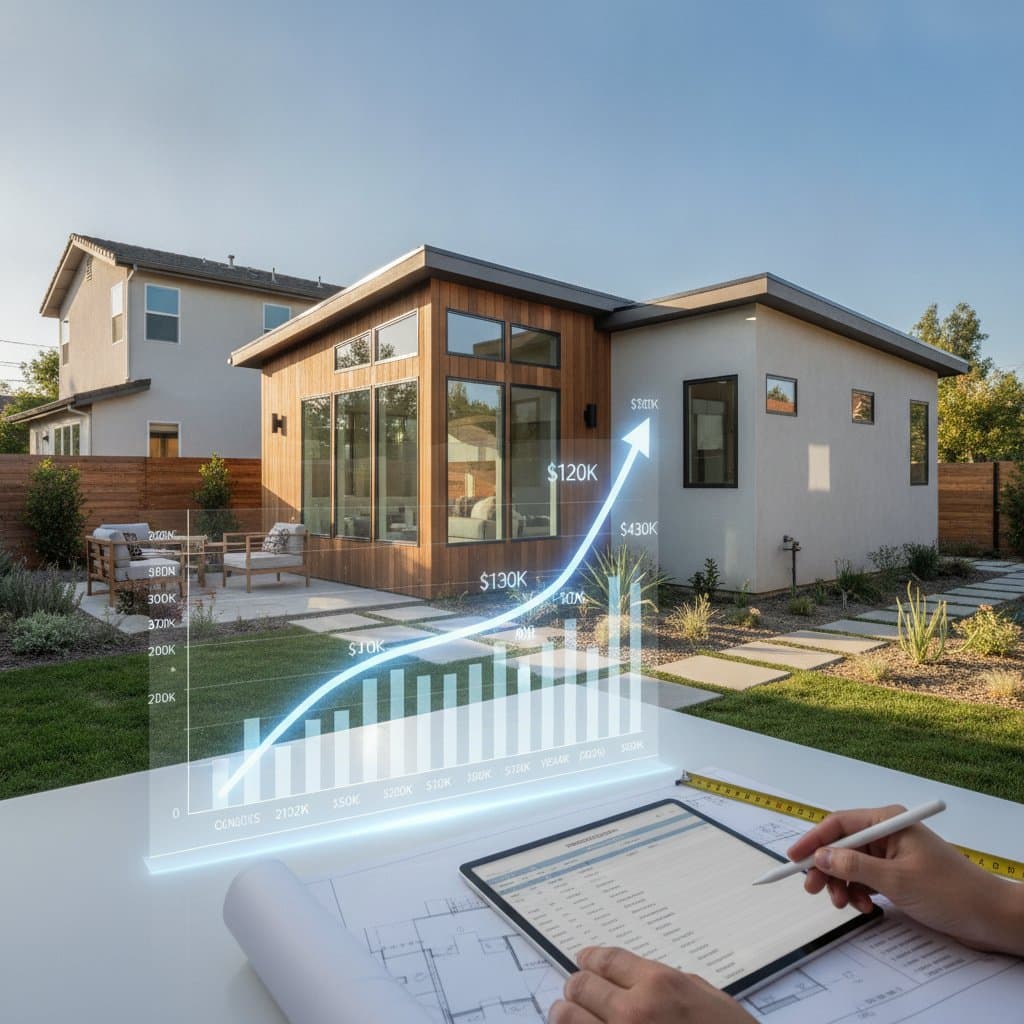
A prefab ADU boosts asset worth and living options. Insight into expense and schedule dynamics empowers choices throughout. Through meticulous preparation, open costing, and practical pacing, realize your additional dwelling with efficiency and poise.