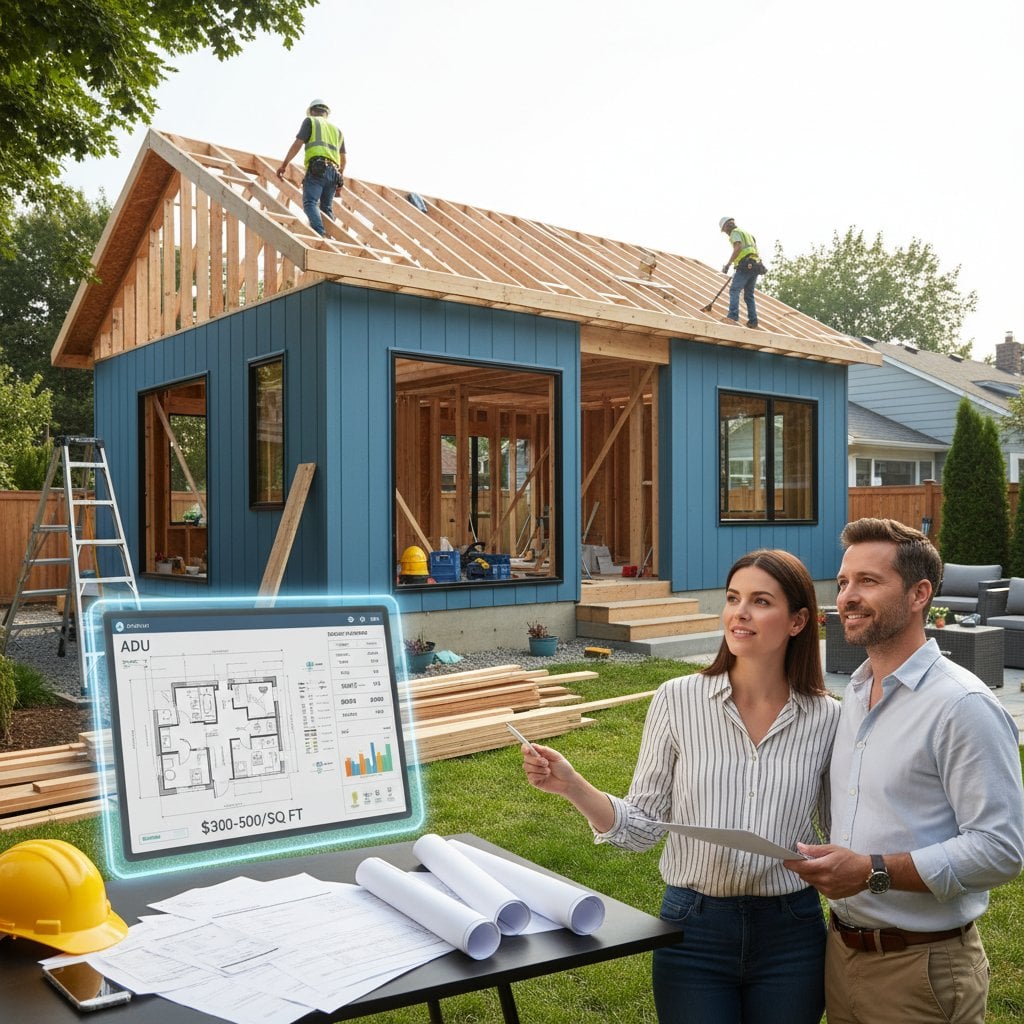
Real 2026 Costs to Build a Detached ADU with Permits
Building a detached accessory dwelling unit increases property value while generating rental income or additional living space. Understanding actual construction expenses, permit requirements, and service fees supports realistic planning from the start.
What This Guide Covers
- Average construction and permit costs
- Key factors that influence pricing
- DIY versus professional work
- Ways to manage costs and maximize return on investment
- When to hire a contractor
Average Construction and Permit Costs
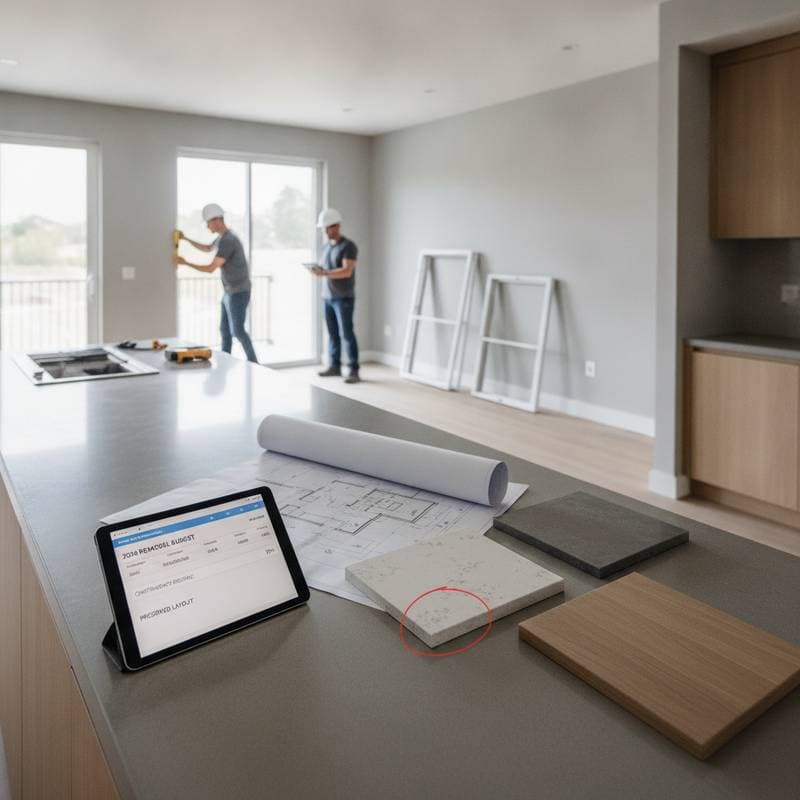
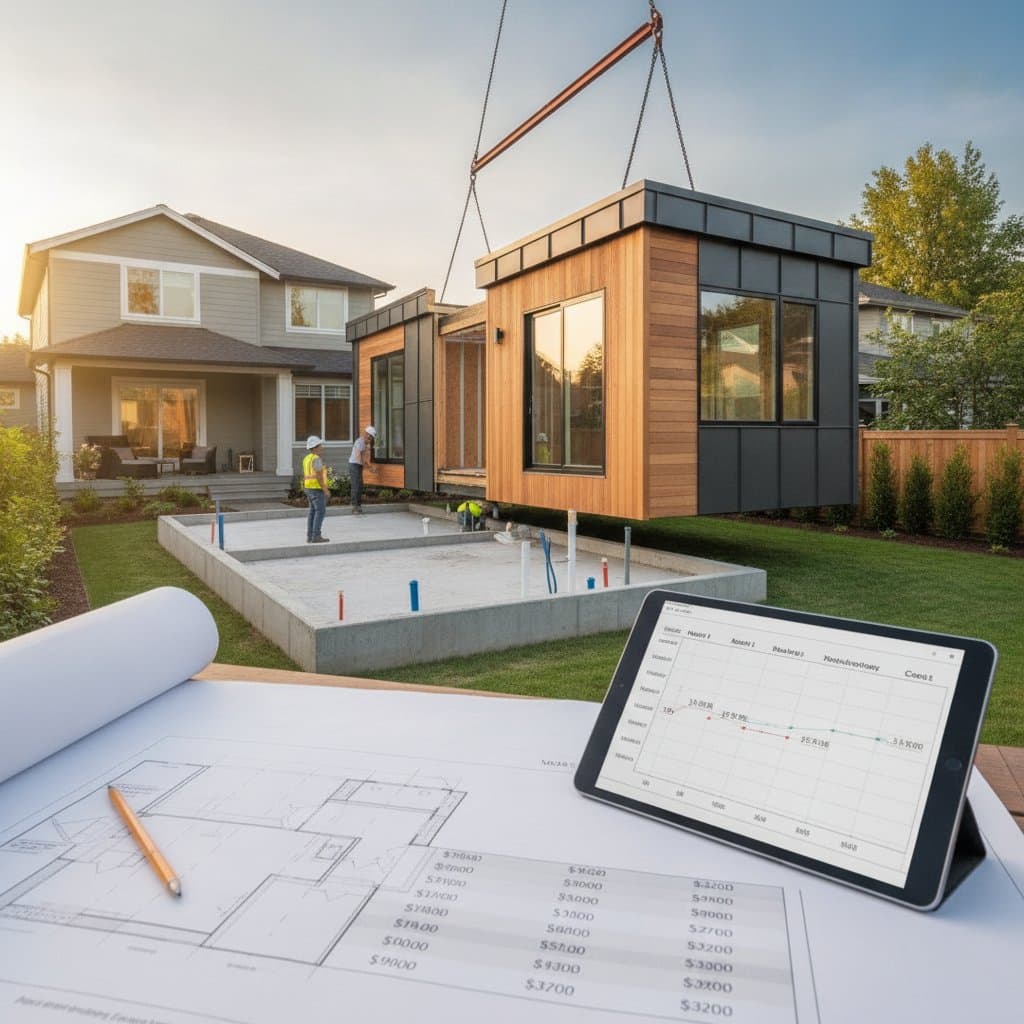
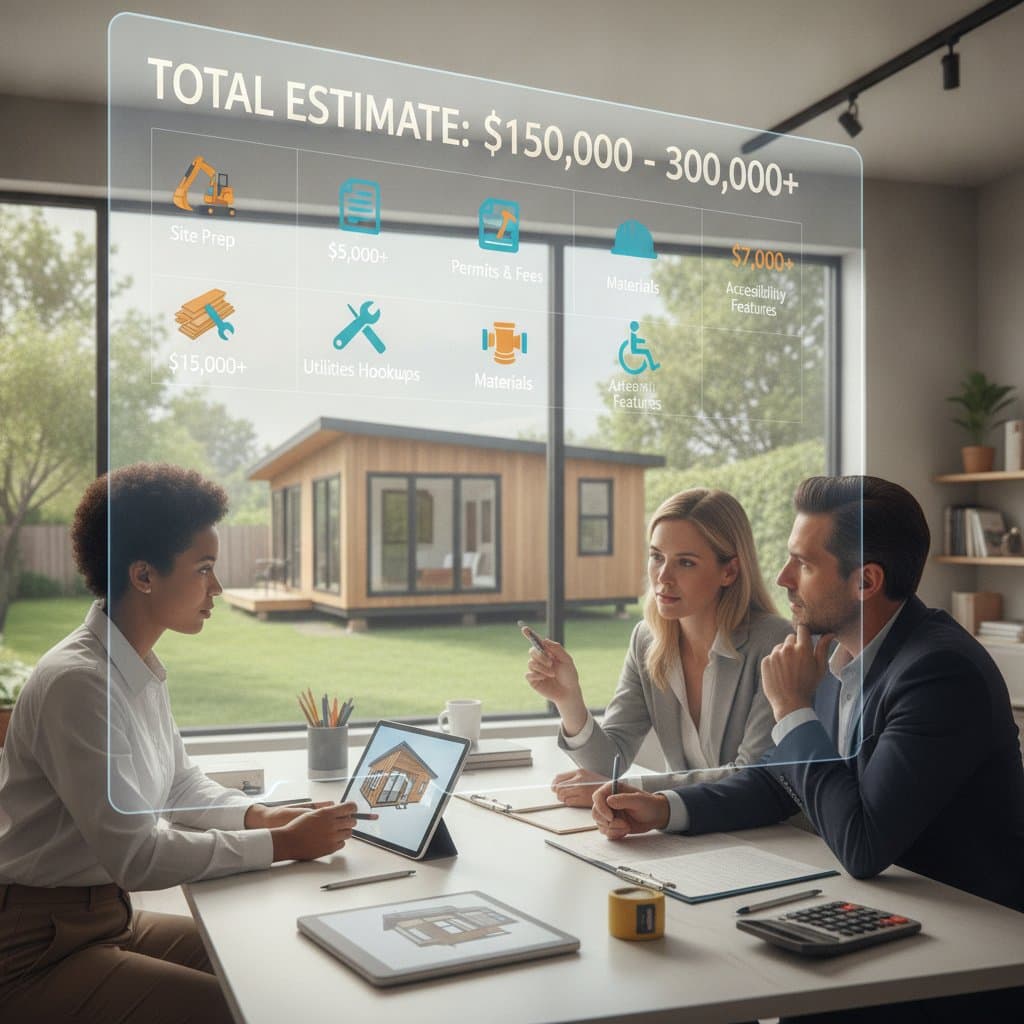
Detached ADU projects vary widely in size and complexity. A small studio unit of about 400 square feet typically costs between $180,000 and $240,000. A larger two bedroom ADU of 800 square feet can reach $280,000 to $400,000. These figures include structural work, utilities, and finishes.
Permits and fees usually add another $8,000 to $20,000 depending on your local jurisdiction. This includes plan checks, impact fees, and utility connection charges. Some areas have reduced or waived certain impact fees for smaller ADUs, so confirm details early with your city building department.
Factors That Influence Cost
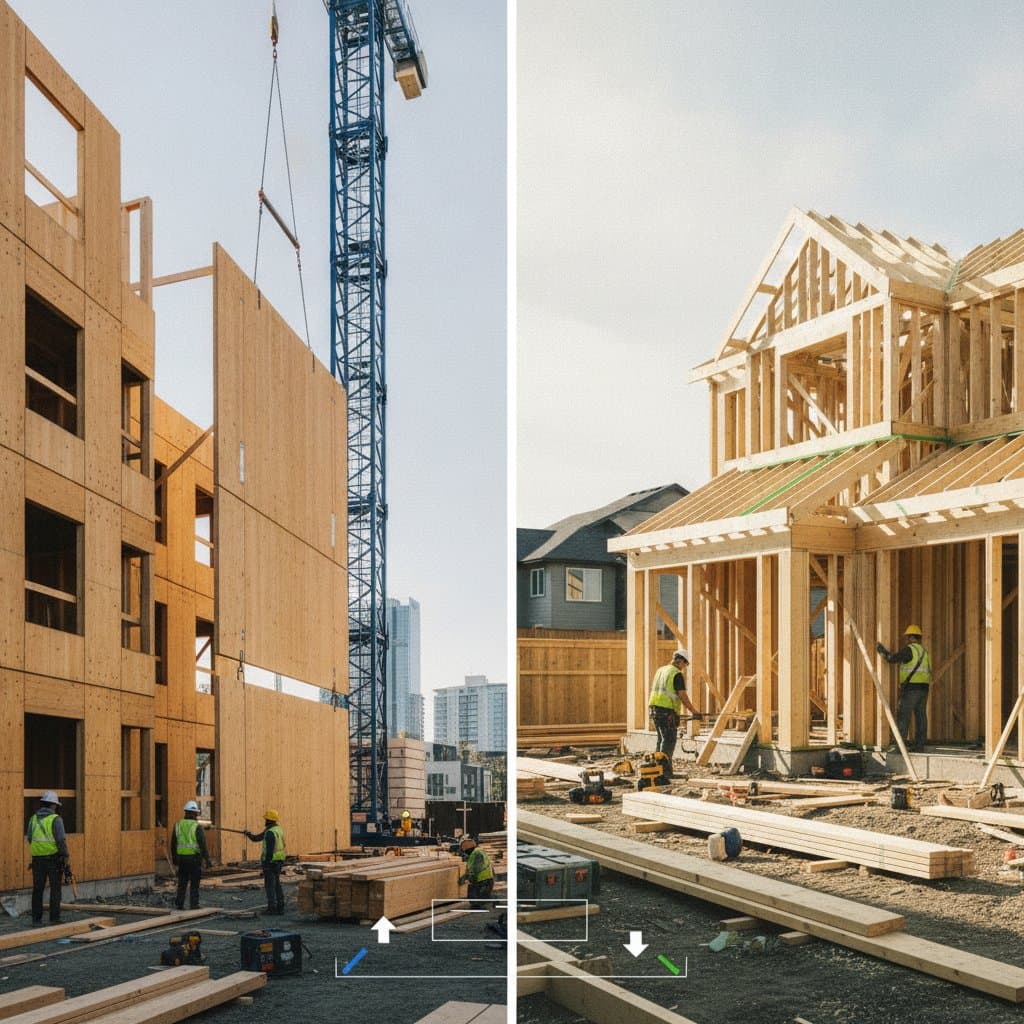
Several variables affect final pricing. Size and layout determine materials and labor expenses because more square footage requires additional resources. Site conditions such as sloped lots, limited access, or poor soil raise excavation and foundation costs.
Utility connections for sewer, water, or electrical lines often range from $10,000 to $30,000. Finish level also matters. Standard materials keep budgets lower while custom cabinetry, tile, or high end windows increase totals. Energy standards for insulation, solar readiness, or efficient HVAC systems further shape the overall investment.
DIY or Hire a Professional
You can handle some parts of an ADU project yourself such as design research, interior painting, or basic landscaping. Most homeowners should hire licensed professionals for structural framing, plumbing, electrical, and foundation work because these phases require code compliance and inspections.
Hiring a general contractor typically adds 15 to 25 percent to total project cost but ensures coordination, quality control, and schedule management. For complex builds that added cost often prevents expensive mistakes or delays later.
Tips to Manage Budget and Improve ROI
- Build smaller. A compact 500 square foot layout still provides strong rental potential at a lower cost.
- Simplify design. Choose a rectangular footprint and a simple roofline to reduce framing and roofing expenses.
- Reuse materials. Salvaged doors, light fixtures, or flooring can cut material costs while adding character.
- Plan utilities early. Coordinating connections during design prevents surprise expenses once construction begins.
- Aim for moderate finishes. Durable mid range materials often perform as well as premium ones for a lower price.
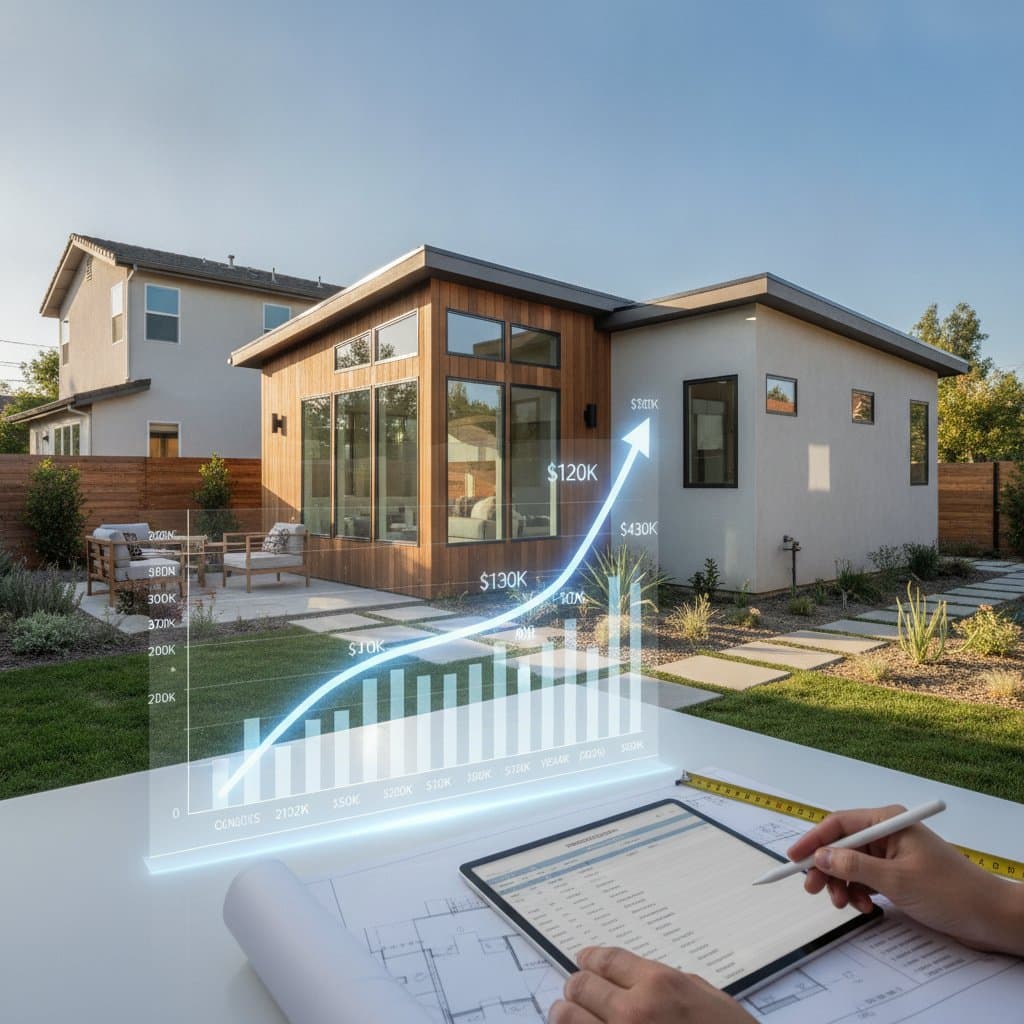
Detached ADUs often return 70 to 90 percent of their cost in added property value according to housing industry surveys. Long term rental income can further improve overall return within several years of completion.
When to Hire a Professional
Engage a licensed contractor or design build firm whenever your project involves structural or foundation work, electrical plumbing or gas systems, engineering or seismic upgrades, or navigating multiple city or county permits.
Request at least three detailed bids and confirm each includes materials, labor, permit handling, and timeline estimates. Always verify license status, insurance, and references before signing a contract.
Common Questions
How long does it take to build a detached ADU?
Most projects take five to nine months from design through final inspection depending on size and local permitting speed.
Do I need a separate address or utilities?
Many cities require a unique address and separate utility meters though some allow shared service lines. Check local rules before design finalization.
Can I rent out my ADU immediately after completion?
Yes as long as your property meets local zoning and rental registration requirements.
What maintenance does an ADU require?
Treat it like a small home. Inspect roofing, plumbing, and exterior paint every few years to preserve value and comfort.
Securing Long Term Property Benefits
A detached ADU adds flexibility and lasting value to your property. Make design choices that balance cost with durability and document all permits and materials for future resale transparency.