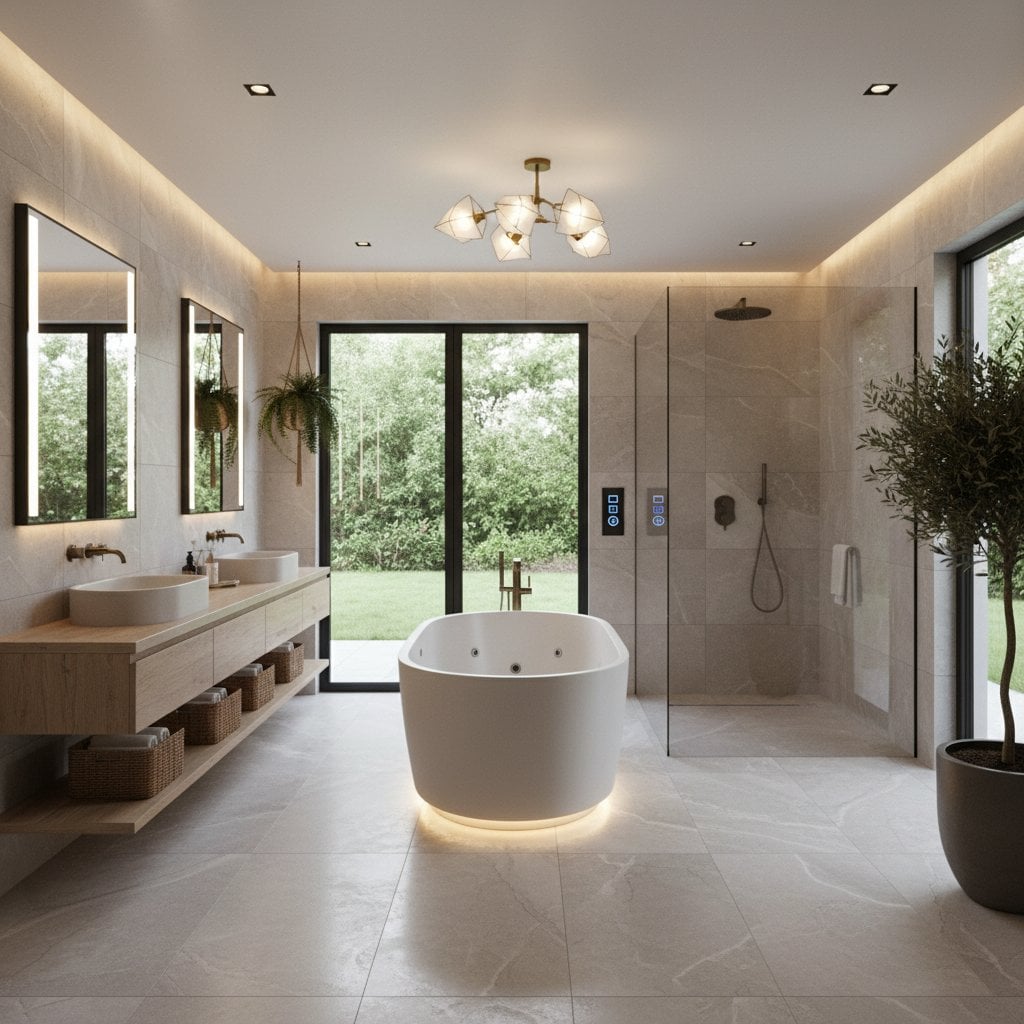
Spa Bath Upgrades: Real Costs and Smart Choices
In 2025, spa bath upgrades transform ordinary bathrooms into personal sanctuaries. Homeowners seek designs that incorporate natural elements, advanced technology, and eco-friendly practices. These enhancements not only improve daily routines but also increase property appeal.
Trends emphasize serenity and functionality. Natural materials like stone and wood create calming atmospheres. Smart systems allow effortless control over lighting and water features. Sustainable choices, such as low-flow fixtures, reduce environmental impact while saving resources.
This guide explores current trends, detailed cost breakdowns, and practical advice. Readers gain insights to plan upgrades that balance luxury with budget. Professional input ensures projects meet high standards of quality and safety.
2025 Spa Bath Trends
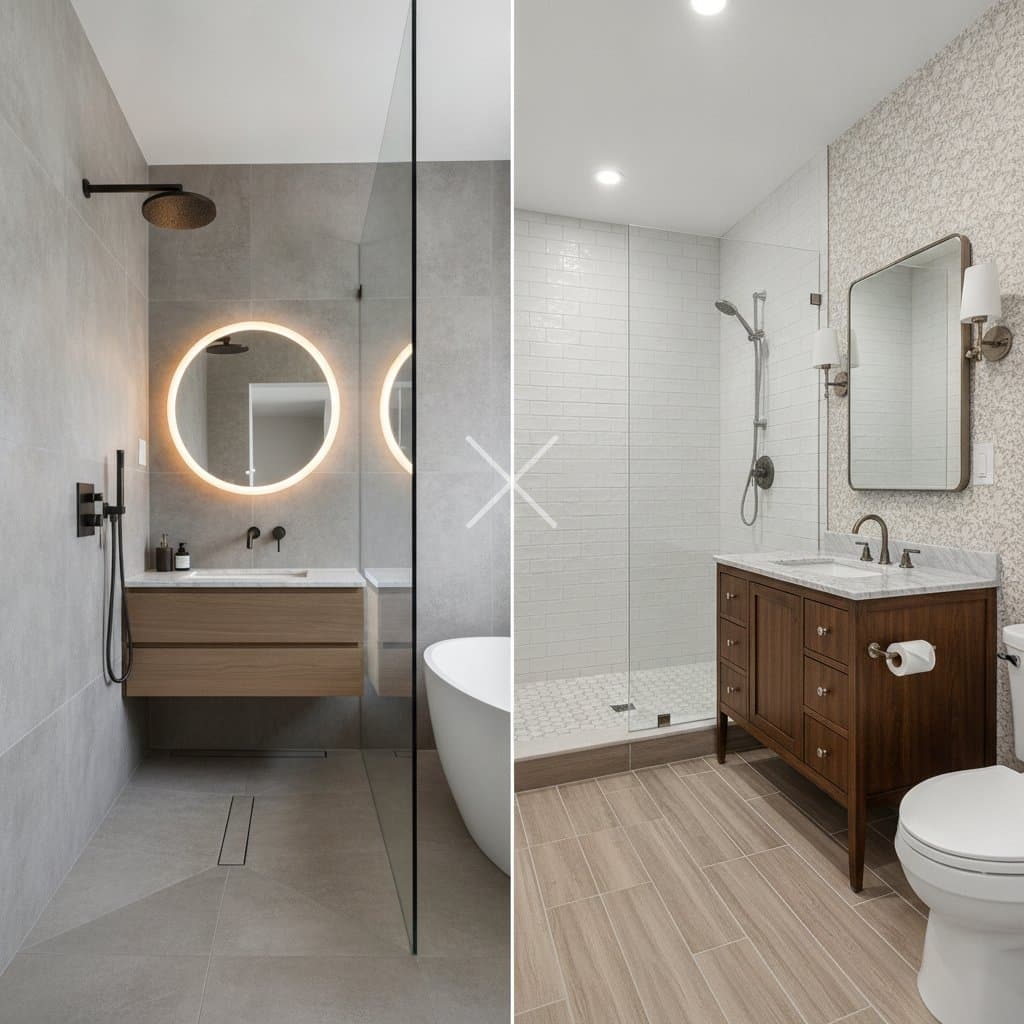
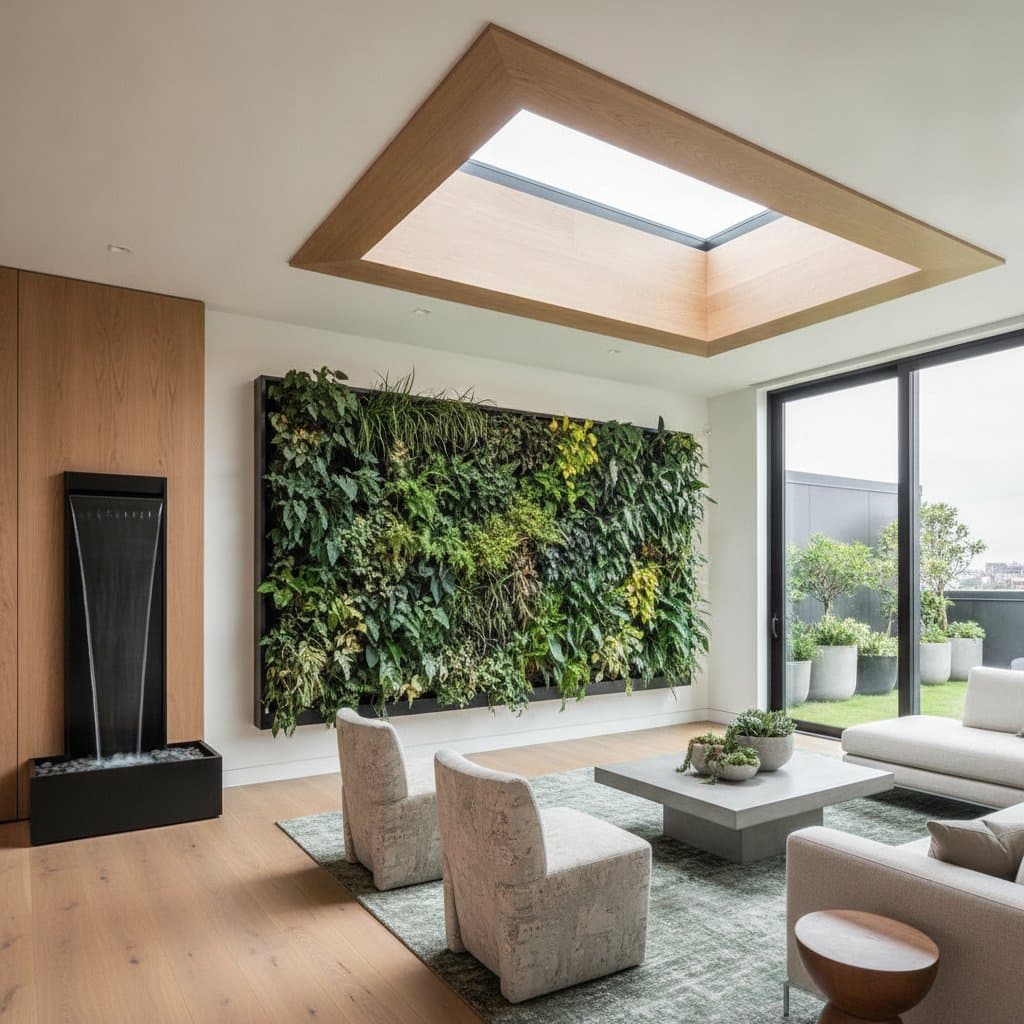
Design professionals predict a rise in biophilic elements that connect interiors with nature. Walls clad in reclaimed wood or marble veining mimic outdoor textures. Plants integrated into shelving or vertical gardens add freshness without overwhelming space.
Technology integrates seamlessly into these natural settings. Voice-activated controls adjust shower temperatures or activate steam functions. Mirrors with built-in defogging and LED lighting provide convenience and ambiance. These features enhance usability for all ages.
Sustainability drives material selections. Recycled glass tiles and bamboo cabinetry offer durability with minimal ecological footprint. Water-efficient rainfall showerheads maintain pressure while conserving usage. Energy-saving underfloor heating systems warm tiles efficiently.
Natural Materials in Focus
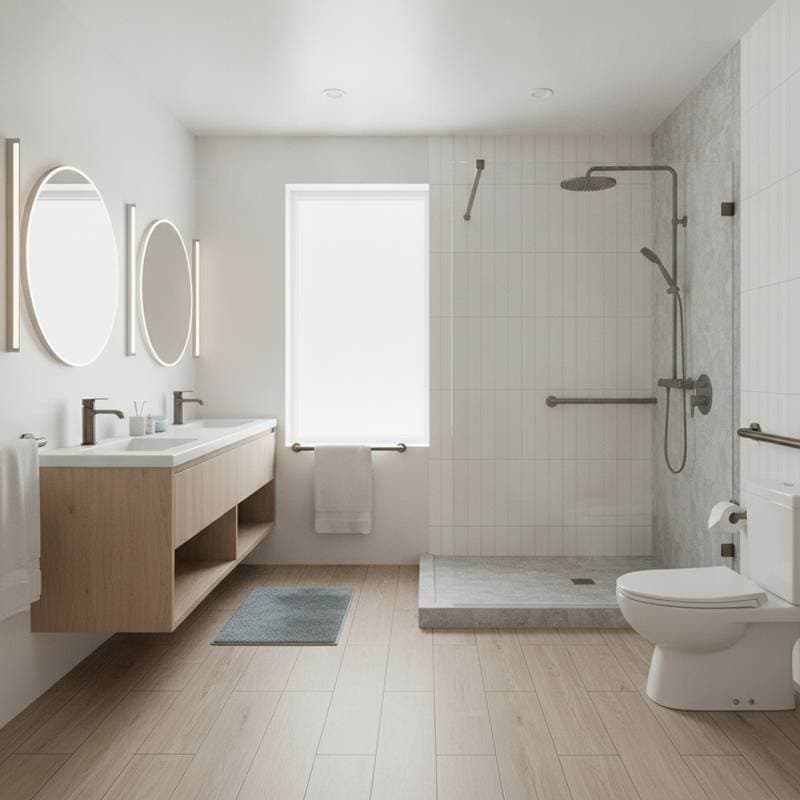
Stone surfaces, such as quartzite countertops, resist stains and require little maintenance. Their subtle patterns add elegance to vanities and floors. Wood accents, treated for humidity, bring warmth to otherwise cool spaces.
Integrating greenery requires careful planning. Built-in planters with drainage systems prevent moisture issues. Native plants thrive in humid environments, purifying air naturally.
Smart Technology Integration
Automated systems learn user preferences over time. For instance, a smart thermostat maintains ideal room temperatures. App-controlled chromotherapy lights shift colors to promote relaxation.
Security features, like motion-sensor lights, add safety. Integration with home ecosystems ensures compatibility across devices.
Sustainable Design Practices
Low-VOC paints and adhesives minimize indoor pollutants. Solar-powered ventilation fans reduce energy bills. Greywater recycling systems repurpose sink water for toilets, promoting conservation.
Certifications from organizations like LEED guide selections. These ensure products meet rigorous environmental standards.
Real Costs of Spa Bath Upgrades
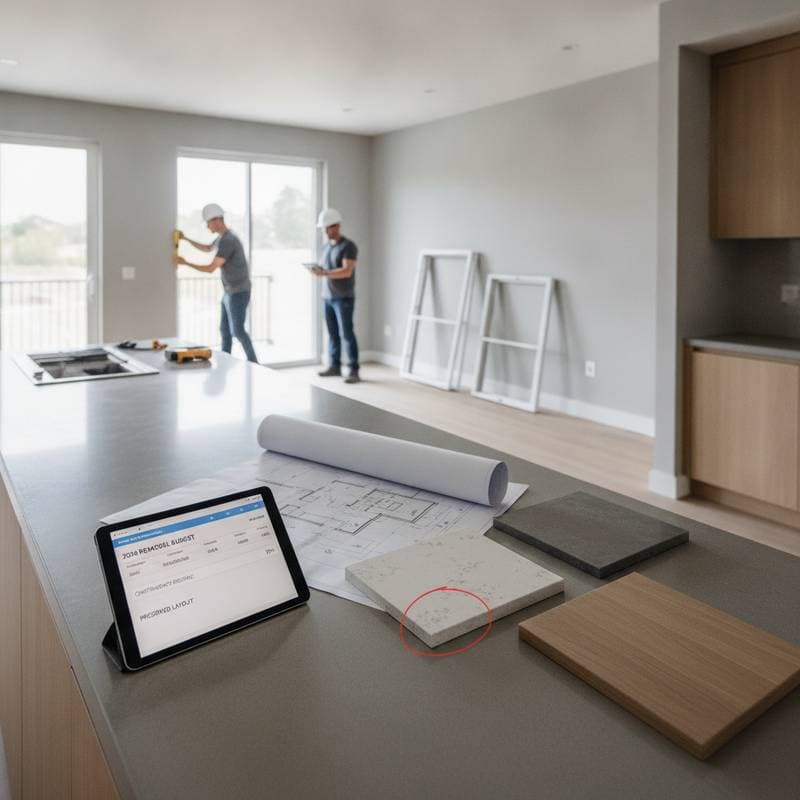
Budgeting requires realistic estimates based on scope and location. Costs vary by region, with urban areas commanding higher labor rates. Material quality significantly influences total expenses.
A modest refresh involves updating fixtures and paint. Expect to spend between 5,000 and 10,000 dollars. This approach yields noticeable improvements without structural changes.
Full remodels, including layout adjustments, range from 15,000 to 30,000 dollars. Plumbing rerouting and tiling contribute to higher figures. Luxury options, with custom features like saunas, exceed 50,000 dollars.
Breakdown of Modest Refresh Costs
- New faucets and showerheads: 500 to 1,500 dollars.
- Paint and accessories: 300 to 800 dollars.
- Lighting fixtures: 200 to 600 dollars.
- Labor for installation: 2,000 to 4,000 dollars.
These updates refresh aesthetics quickly. They focus on high-impact areas like vanities and mirrors.
Full Remodel Expenses
Demolition and disposal add 1,000 to 3,000 dollars. New tiling covers 10 to 20 dollars per square foot. Custom cabinetry costs 200 to 500 dollars per linear foot.
Plumbing modifications, essential for hydrotherapy, range from 2,000 to 5,000 dollars. Electrical work for smart features adds another 1,500 to 4,000 dollars.
Luxury Upgrade Investments
High-end materials like imported marble push costs upward. Hydrotherapy tubs with jets start at 5,000 dollars. Sauna installations require 10,000 dollars or more, including ventilation.
Professional design consultations, at 100 to 200 dollars per hour, ensure cohesive results. Permits and inspections, often 500 to 1,500 dollars, comply with local codes.
Factors like supply chain issues or custom orders can increase prices by 10 to 20 percent. Planning contingencies avoids surprises.
Key Features for Enhanced Comfort
Lighting sets the mood in spa baths. Layered options include recessed ceiling lights for general illumination and sconces for task areas. Dimmable LEDs allow customization from bright mornings to soft evenings.
Hydrotherapy features promote wellness. Whirlpool tubs circulate warm water for muscle relief. Rainfall showers with multiple heads simulate natural cascades. Steam enclosures open pores and ease respiratory issues.
Open layouts maximize space perception. Removing non-load-bearing walls creates fluidity. Freestanding tubs become focal points, paired with floating vanities for a modern look.
Optimizing Lighting
Natural light from frosted windows preserves privacy. Skylights bring daylight deeper into rooms. Smart bulbs adjust automatically based on time of day.
Avoid harsh fluorescents; opt for warm-toned incandescents. Proper placement prevents shadows around mirrors.
Hydrotherapy Benefits
Massage showers target specific body areas. Aromatherapy diffusers integrate with steam for sensory experiences. These elements turn routines into rituals.
Installation demands waterproofing to prevent damage. Regular maintenance keeps systems performing optimally.
Designing Open Layouts
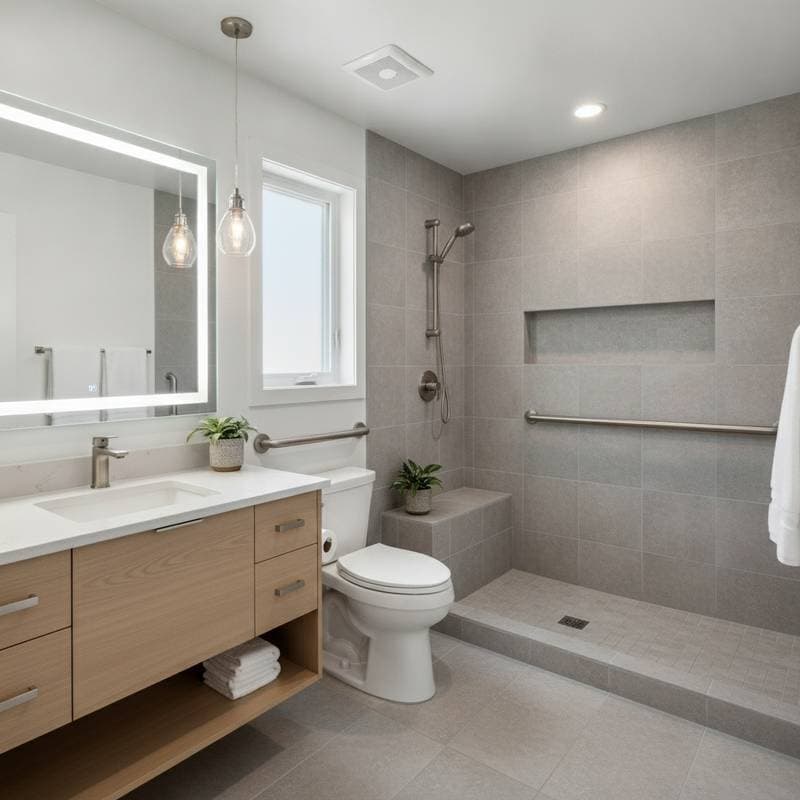
Zoning with rugs or screens maintains functionality. Walk-in showers without curbs improve accessibility. Storage solutions like niches in walls keep surfaces clear.
When to Hire Professionals
Complex projects benefit from expert involvement. Signs include structural changes or electrical work. Licensed contractors ensure code compliance and warranties.
DIY suits simple tasks like painting. However, plumbing errors lead to costly repairs. Professionals bring specialized tools and experience.
Selecting reliable teams involves checking references and portfolios. Clear contracts outline timelines and payments. This approach minimizes risks and maximizes satisfaction.
Steps to Plan Your Upgrade
-
Assess current space and needs. Measure dimensions and note pain points like poor drainage.
-
Research trends and gather inspiration. Visit showrooms or review design magazines.
-
Set a realistic budget with 10 percent buffer for unforeseen issues.
-
Consult professionals for quotes and feasibility.
-
Source materials from reputable suppliers. Verify sustainability claims.
-
Schedule work during low-disruption periods. Prepare adjacent areas for dust and noise.
-
Maintain post-installation with gentle cleaners. Schedule annual inspections for tech components.
These steps guide projects from concept to completion. Patience yields enduring results.
Boosting Home Value Through Spa Baths
Well-executed upgrades recoup 60 to 80 percent of costs upon resale. Buyers prioritize serene, efficient spaces. Timeless designs appeal broadly, avoiding fleeting fads.
Daily use enhances well-being, reducing stress. Families enjoy shared moments in luxurious settings. Sustainable choices align with growing environmental awareness.
Investing in a spa bath creates lasting comfort and equity. It transforms a functional room into a cherished retreat.