Tariffs Push Home Building Costs Higher Than Expected
Quick Answer
Tariffs on imported building materials can raise home construction costs when suppliers pass higher import expenses to builders and homeowners. If you plan a custom home or major remodel, budget for price changes and confirm costs before signing. The risk is a higher final bill, not a predictable surcharge. Ask your contractor for current supplier quotes, clear allowances, and written rules for price changes.
Before You Set a Budget
Tariffs do not affect every product or project in the same way. Costs depend on which materials face added import charges, where suppliers source them, available inventory, and whether domestic products can replace them. Lumber, steel, aluminum, cabinets, appliances, and some finish materials may face different pressures.
A tariff also does not automatically raise a product price by the same percentage. Importers, distributors, manufacturers, and builders may absorb part of the added cost, pass on part of it, or adjust prices as inventory changes. Do not rely on a broad headline as a project estimate.
Safety and code requirements remain unchanged. A cost change does not justify substituting a lower grade product without approval. Structural lumber, connectors, windows, and other regulated products must meet the plans and local code. Ask your builder to document any proposed substitute and verify that the designer or building official accepts it.
Where You May See Higher Costs
Material exposure depends on your project scope. A new home often uses large quantities of framing lumber, sheathing, roofing, wiring, and mechanical equipment. A kitchen remodel may face more pressure from cabinets, appliances, metal fixtures, and imported tile.
Labor, permits, site work, and design fees do not rise directly from a tariff on a product. Yet a material delay can extend a schedule and add labor, storage, or temporary protection costs. Ask your contractor to separate material pricing from labor and other project charges.
Steps to Protect Your Project Budget
-
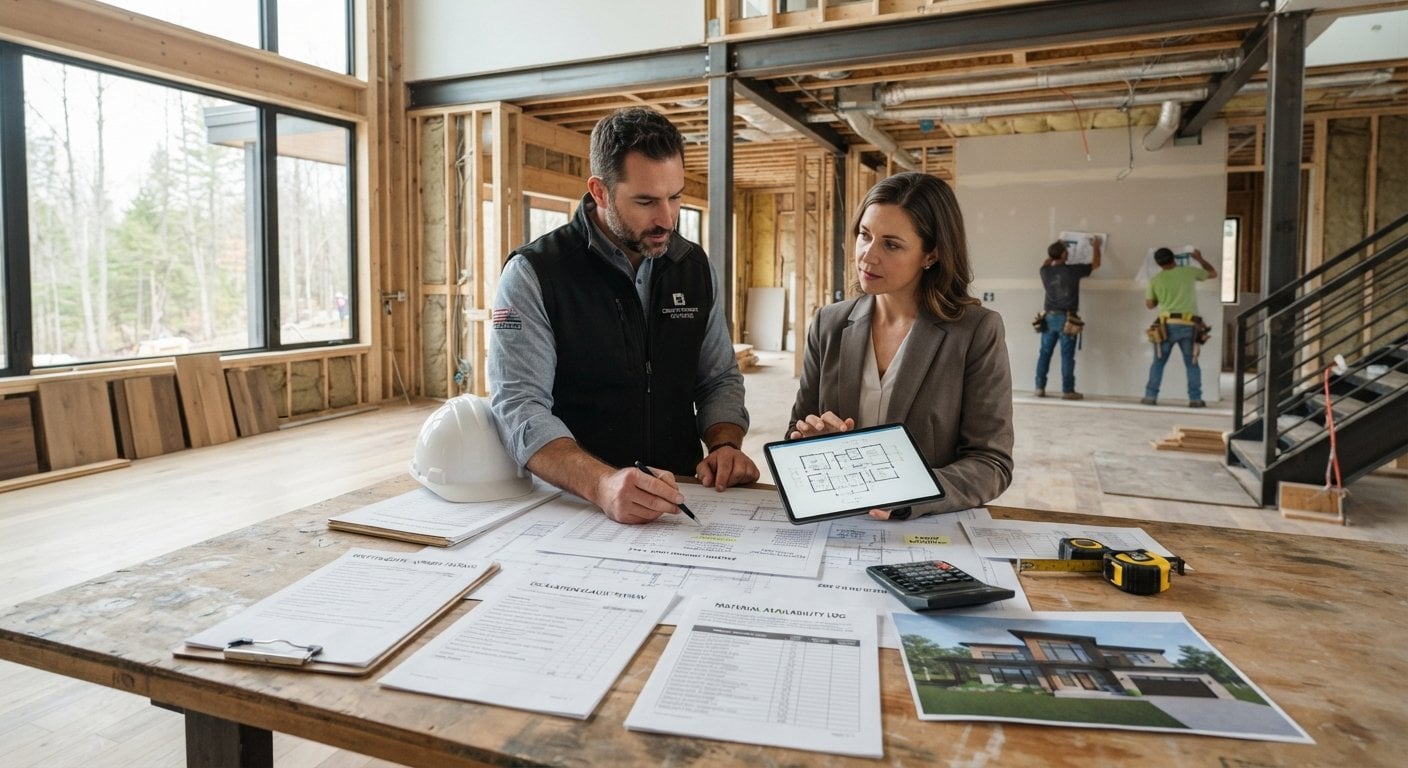
Request a detailed estimate. Ask the contractor to list major materials, quantities, allowances, labor, delivery, and disposal separately. A clear estimate gives you a baseline for comparison. Each major cost should have a description and a price.
-
Ask how the builder handles price changes. Review the contract for escalation clauses, which describe when and how a price can change. Ask what evidence the contractor must provide, such as an updated supplier quote. The contract should state who approves a change and whether you can reject it.
-
Confirm material availability before selecting products. Ask suppliers or your builder about stock, lead times, and quote expiration dates. Do not treat an informal estimate as a guaranteed price. Your selection list should identify products that the supplier can currently provide.
-
Compare approved alternatives. Ask your designer or builder to compare domestic and imported products that meet the same performance and code requirements. Review appearance, warranty, maintenance, and delivery as well as price. The substitute should have written approval before anyone orders it.
-
Keep a contingency reserve. Set aside funds for documented price changes and unexpected site conditions. Your lender, designer, or contractor can help you choose a reserve based on project scope and contract terms. You should know which costs the reserve covers and who approves its use.
Understanding Project Costs and Timing
There is no reliable single tariff surcharge for a home. Request fresh quotes for the materials that matter to your plans, then compare them with the original estimate. Ask the builder to identify quote dates, expiration terms, and any freight or storage charges.
A careful budget review can take a few days if suppliers respond promptly. A delayed product can affect a project schedule by days or longer, depending on what the crew needs next. Your contractor should explain schedule effects in writing rather than promise a fixed outcome without supplier confirmation.
When to Call a Contractor or Cost Professional
Ask a licensed contractor, architect, or quantity surveyor to review the budget if a large price change threatens your financing or scope. A quantity surveyor estimates construction quantities and costs. Get at least two written estimates when practical. Fees depend on location and project complexity, so request the scope and fee before hiring.
Check that the contractor holds required licenses, carries insurance, and has relevant references. Ask for a written contract, payment schedule, change order process, and proof for material price increases. Local permit rules still apply to the work, and tariffs do not change inspection requirements.
Frequently Asked Questions
Do tariffs always increase the price of lumber?
No. Prices depend on sourcing, inventory, supplier costs, and market conditions.
Can my builder change the contract price?
Only if your contract includes an escalation clause that allows price adjustments. The clause must specify what triggers a change, what documentation is required, and who must approve the adjustment.
Should I delay construction?
Delaying may not protect you from price changes. Market conditions, supply chains, and tariff policies can shift at any time. Focus on securing current pricing and availability rather than waiting for uncertain future conditions.
What should I ask before approving a substitute?
Ask whether the substitute meets the same structural, performance, and code requirements as the original product. Request documentation showing that the designer and building official have approved the change. Confirm that the substitute carries comparable warranty coverage and maintenance requirements.
Keep Decisions Documented
Use current quotes and a clear contract to manage uncertainty. Before you approve a purchase or change, confirm the price, product, delivery terms, and effect on the schedule in writing. This documentation protects both your budget and your project timeline when market conditions shift.