Universal Design: Age-Proof Your Bathroom for 2025
A bathroom designed for every stage of life offers safety, comfort, and value. As more homeowners plan to stay in their homes long-term, universal design has become a leading approach to remodeling. This guide explains how to create a bathroom that supports mobility, accessibility, and style without compromising visual appeal.
Key Elements of a Universal Bathroom
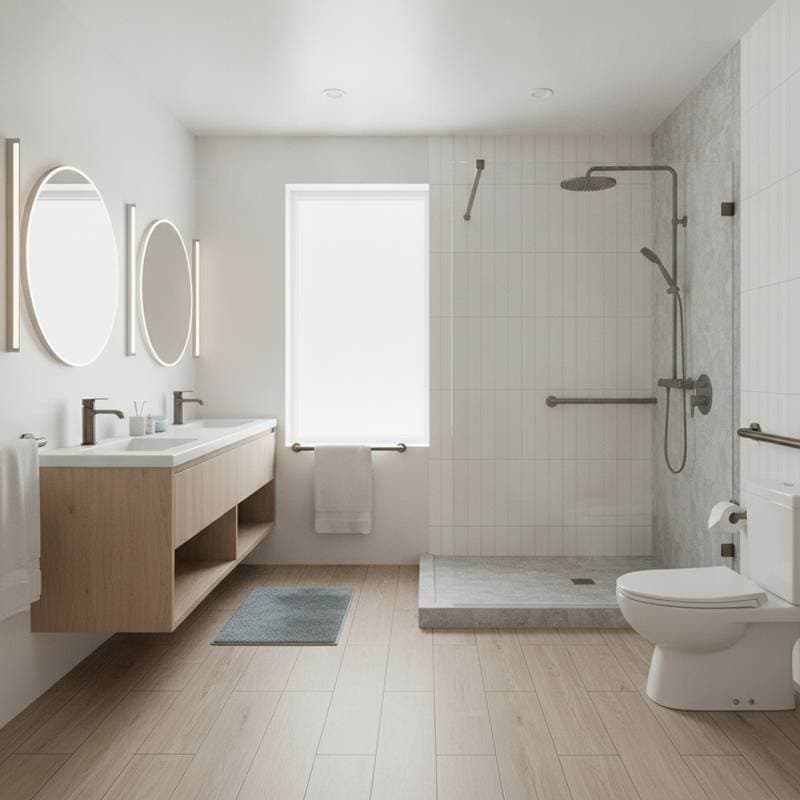
A universal design bathroom prioritizes ease of use for people of all ages and abilities. The goal is to eliminate barriers while maintaining a polished, modern look. Key features include:
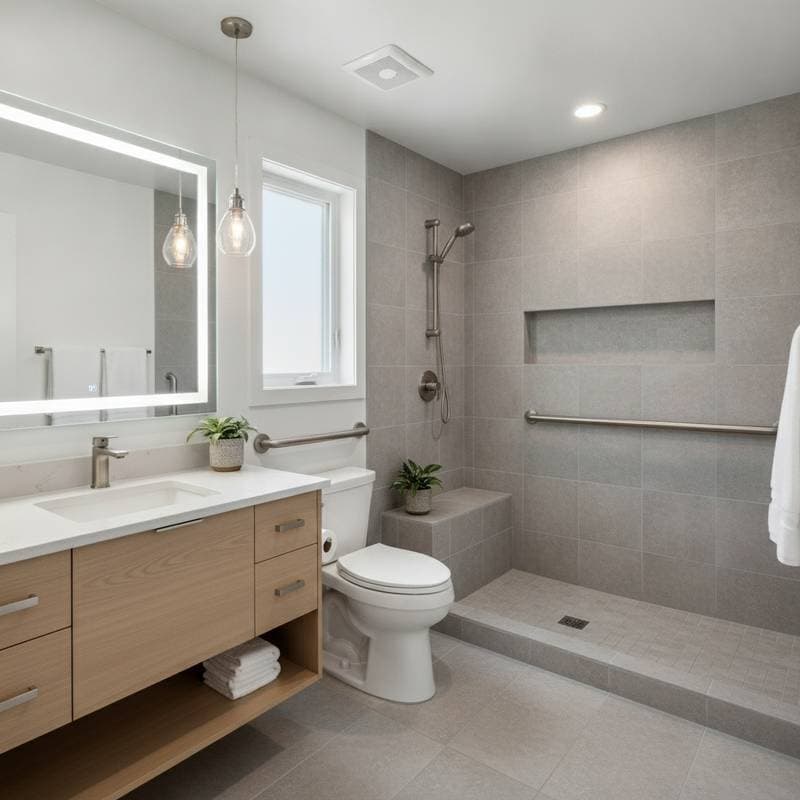
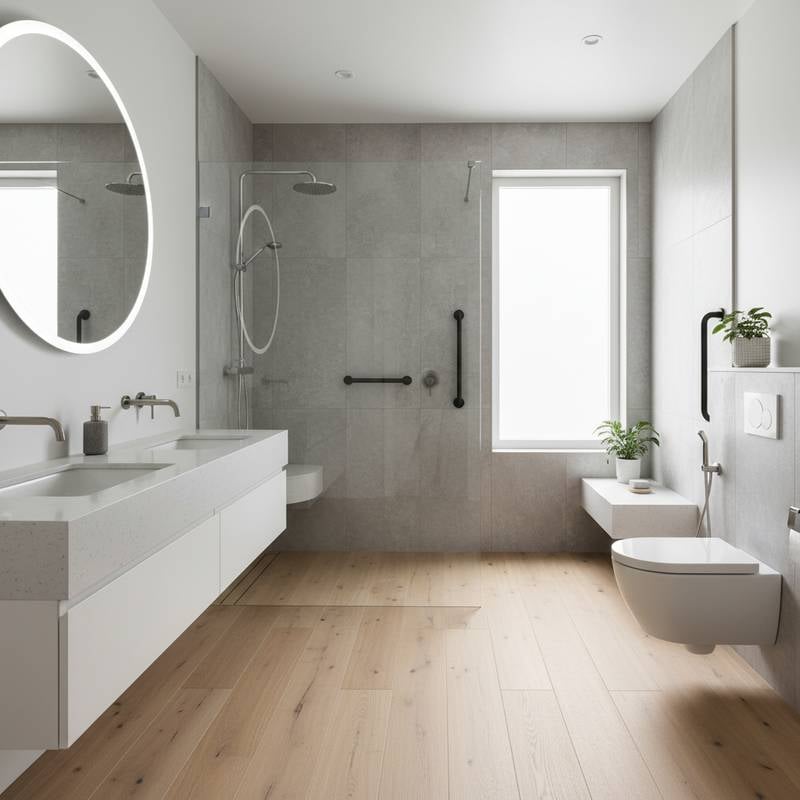
- Zero-threshold showers for easy entry, allowing seamless access without steps
- Grab bars that blend with the décor, installed at strategic heights for support during transfers
- Non-slip flooring materials, such as textured tiles or vinyl with high traction ratings
- Comfort-height toilets, positioned at 17 to 19 inches for reduced strain on knees and hips
- Adjustable or handheld showerheads, mounted on sliding rails for versatile positioning
Each of these features reduces fall risk and improves comfort while keeping the design cohesive and inviting. For example, integrating grab bars into towel racks creates a unified aesthetic that feels intentional rather than remedial.
Why It Matters
Bathrooms account for a large percentage of home injuries related to slips and falls. Universal design solutions increase safety and independence, especially for aging homeowners. They also appeal to buyers looking for accessible spaces, which can improve resale potential. According to national remodeling surveys, accessible bathroom upgrades can return between 60 and 70 percent of their cost when selling.
This return on investment stems from broader market demand. Prospective buyers, including multigenerational families, value homes that accommodate varying needs without extensive modifications. Such designs future-proof the property, making it more attractive in competitive real estate markets.
Costs and ROI
A full universal design bathroom remodel often ranges from $15,000 to $35,000, depending on size, materials, and plumbing adjustments. Adding single features costs less. For instance:
- Installing grab bars: $150 to $300, including reinforced wall blocking for stability
- Replacing a standard toilet with a comfort-height model: $400 to $800, plus potential flange adjustments
- Widening a doorway for accessibility: $700 to $1,500, ensuring at least 32 inches of clear width
- Converting a tub to a walk-in shower: $6,000 to $12,000, incorporating waterproof membranes and proper drainage
These updates not only protect against injury but also increase the longevity and flexibility of the space. Homeowners often recoup costs through energy-efficient fixtures that lower utility bills over time.
DIY or Professional Help
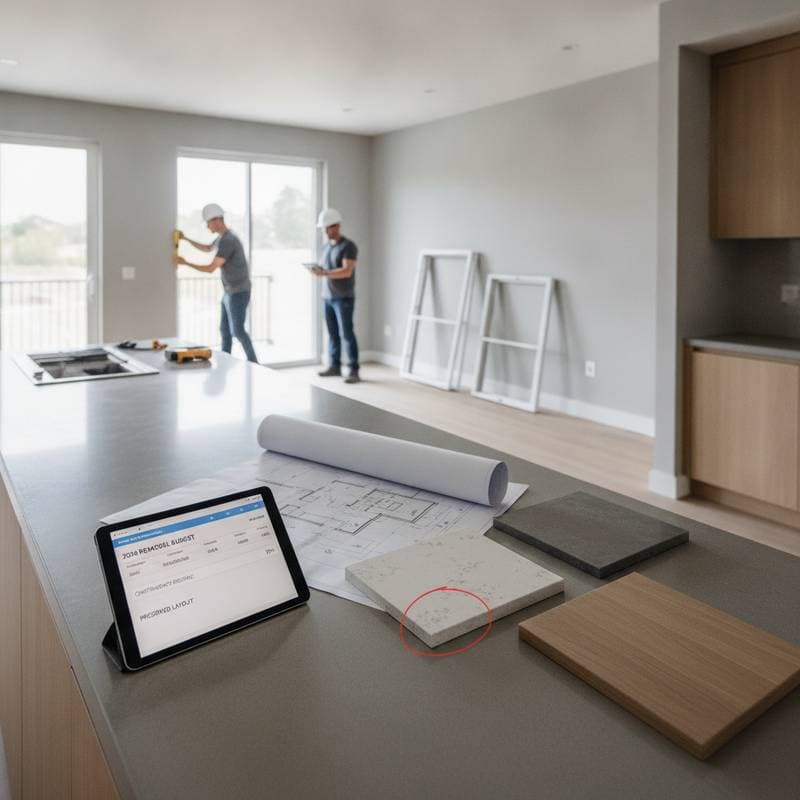
While minor updates such as installing grab bars or replacing fixtures can be done by skilled homeowners, larger modifications should be handled by licensed professionals. Plumbing, waterproofing, and electrical work require expertise to meet local codes. A certified aging-in-place specialist can help design a layout that meets accessibility standards while maintaining a cohesive style.
For DIY projects, start with simple installations using pre-fabricated kits. Ensure proper anchoring to studs for grab bars to support up to 250 pounds. Professionals bring tools for precise measurements and compliance checks, preventing costly errors like improper shower slopes that lead to water pooling.
Style and Material Considerations
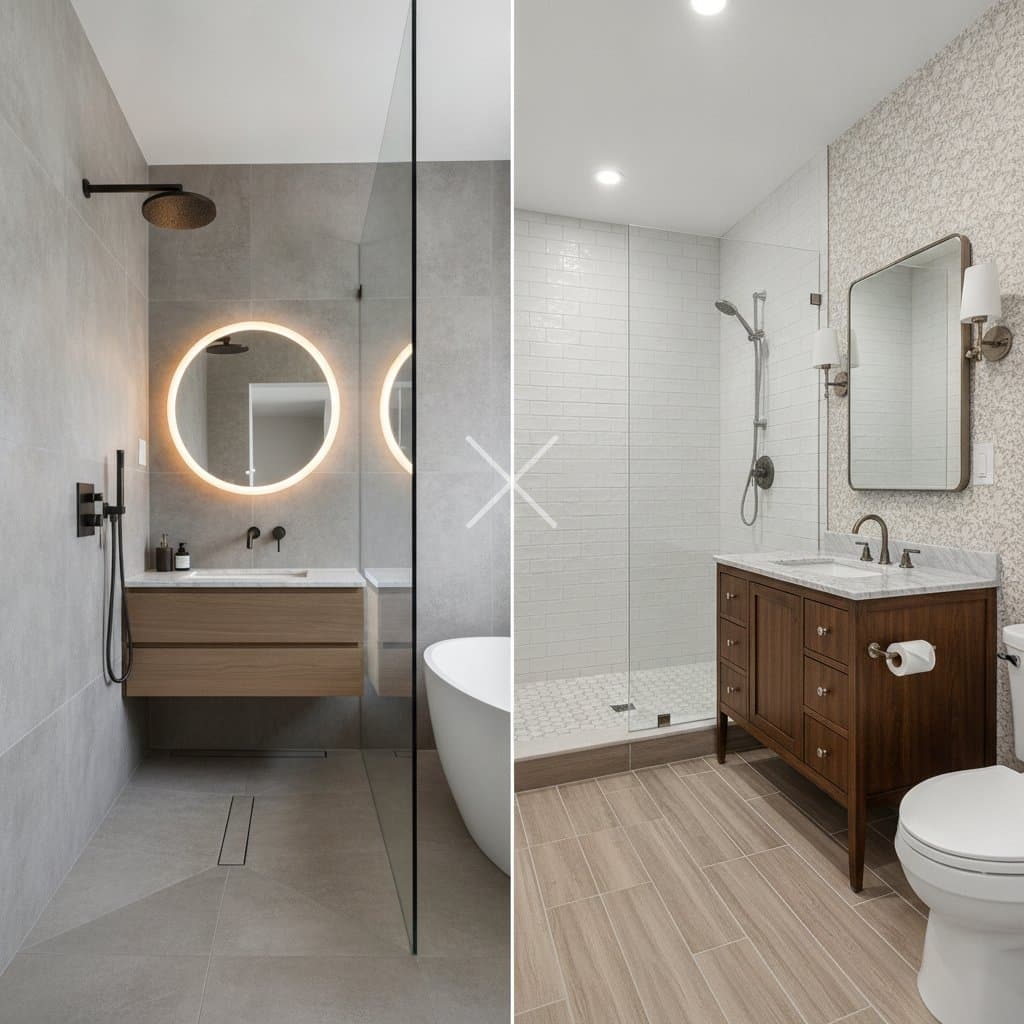
Universal design does not mean utilitarian. Modern fixtures come in attractive finishes like brushed nickel or matte black, allowing safety features to blend naturally. Choose slip-resistant porcelain or textured vinyl flooring for traction. Curbless showers with linear drains create a sleek, spa-like appearance that also supports mobility. Consider lever-style faucets and wider vanity spaces for easier reach and operation.
To enhance functionality, opt for vanities with open storage below or pull-out shelves for seated access. Wall-mounted sinks free up floor space for wheelchairs. Lighting plays a crucial role; install fixtures that provide even illumination without harsh glare, such as recessed LEDs over mirrors.
Maintenance and Longevity
Durability is key in a universal bathroom. Select materials that resist moisture and wear, such as quartz countertops and acrylic shower panels. Keep grout lines minimal to simplify cleaning. LED lighting with motion sensors can reduce energy use and improve visibility at night. Regularly check seals and caulking to prevent leaks that could create slippery surfaces.
Establish a routine: Wipe down surfaces weekly with mild cleaners to avoid buildup. Inspect hardware quarterly for looseness, especially in high-use areas. These habits extend the life of features, ensuring the space remains safe and efficient for decades.
When to Hire a Professional
Hire a contractor when structural changes, plumbing relocation, or waterproofing are required. Ask for references from clients who completed accessibility renovations. Verify that the contractor understands local code requirements for grab bar placement, slope of shower floors, and minimum doorway widths. A detailed plan and itemized estimate help avoid unexpected costs.
Look for certifications from organizations like the National Association of Home Builders. Discuss timelines early, as custom features may require lead times for materials. Clear communication ensures the final result aligns with your vision of style and usability.
Your Next Steps
Start by assessing your current bathroom layout and identifying obstacles to accessibility. Prioritize improvements that enhance safety and comfort right away, such as adding grab bars or non-slip flooring. Then plan for larger updates, including shower conversions or layout changes, as budget allows. By investing in universal design now, you create a bathroom that supports independence, comfort, and timeless style for years to come.
Measure doorways and clearances to pinpoint immediate needs. Consult online resources or local experts for personalized advice. This proactive approach transforms your bathroom into a versatile sanctuary that evolves with your life.