Understanding 2025 Costs for Aging in Place with Universal Design
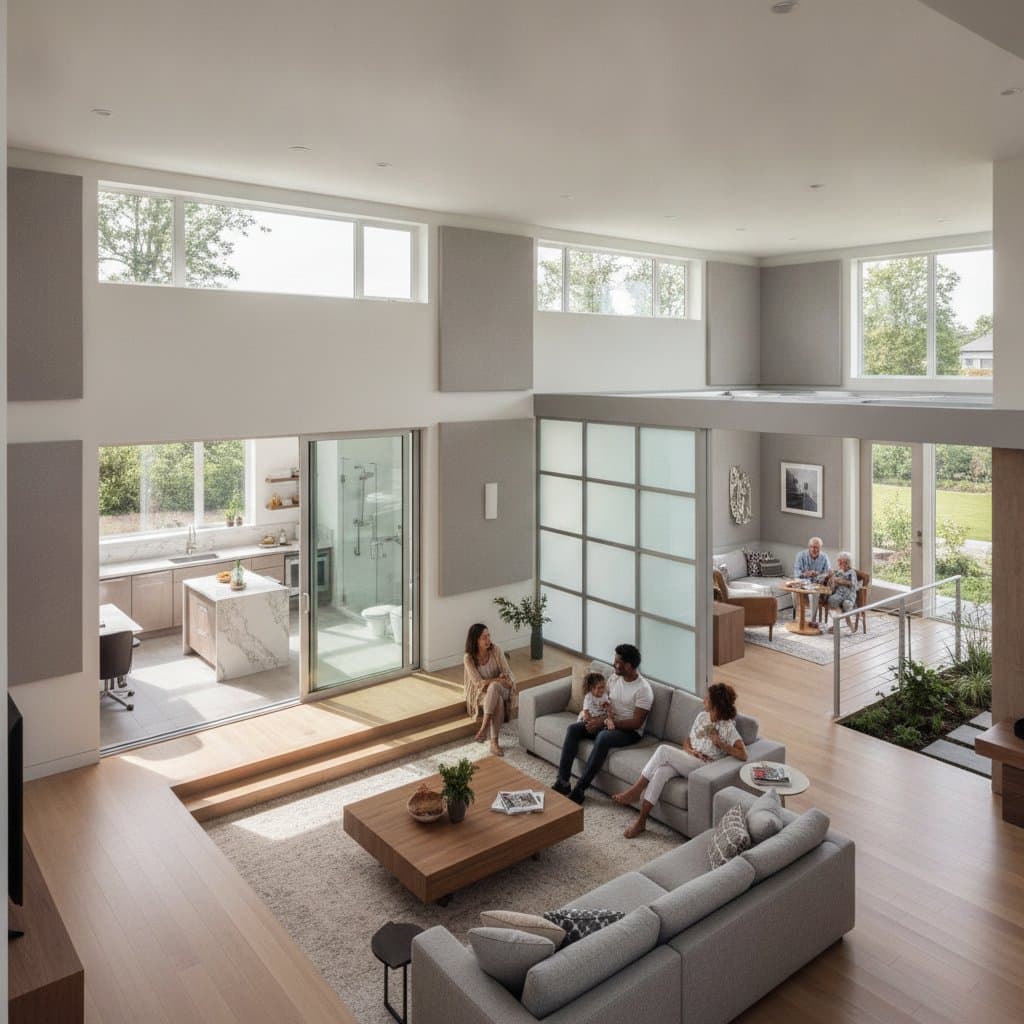
Universal design transforms homes into spaces that accommodate all ages and abilities, promoting safety and independence. This approach integrates features like wider doorways and adjustable fixtures from the start, avoiding costly retrofits later. In 2025, these modifications balance immediate needs with future-proofing, ensuring comfort without compromising style.
Essential Cost and Timeline Breakdown
Projects vary widely based on scope, home size, and location. Overall expenses for universal design remodels typically fall between $8,000 and $75,000. Factors such as regional labor rates and material choices influence the final figure, with urban areas often commanding higher prices due to demand and regulations.
- Basic enhancements, including grab bars, lever-style door handles, and enhanced lighting, range from $500 to $3,000. These quick additions address common hazards like slips and strains.
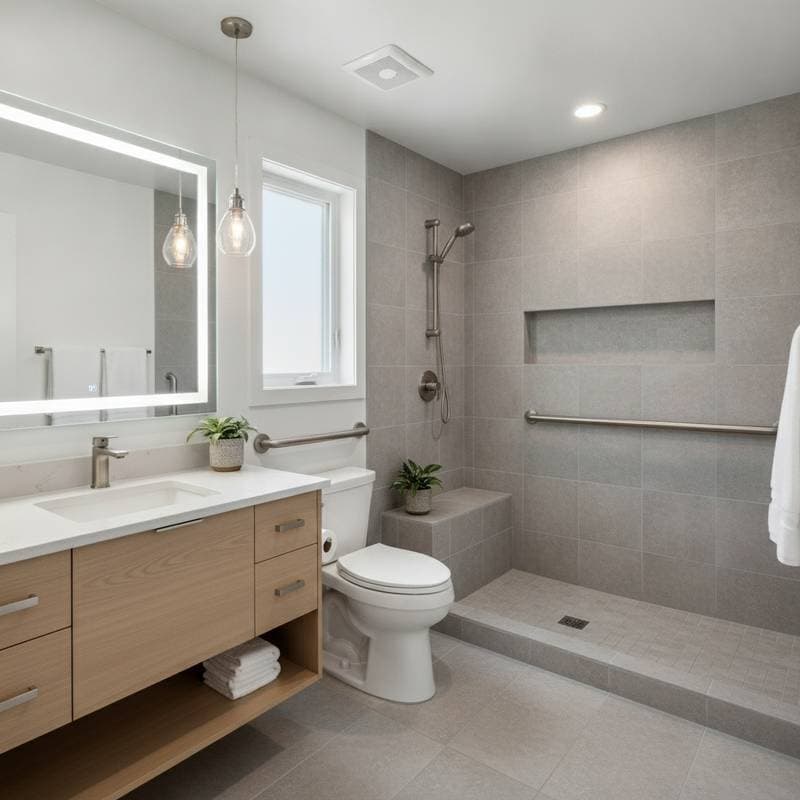
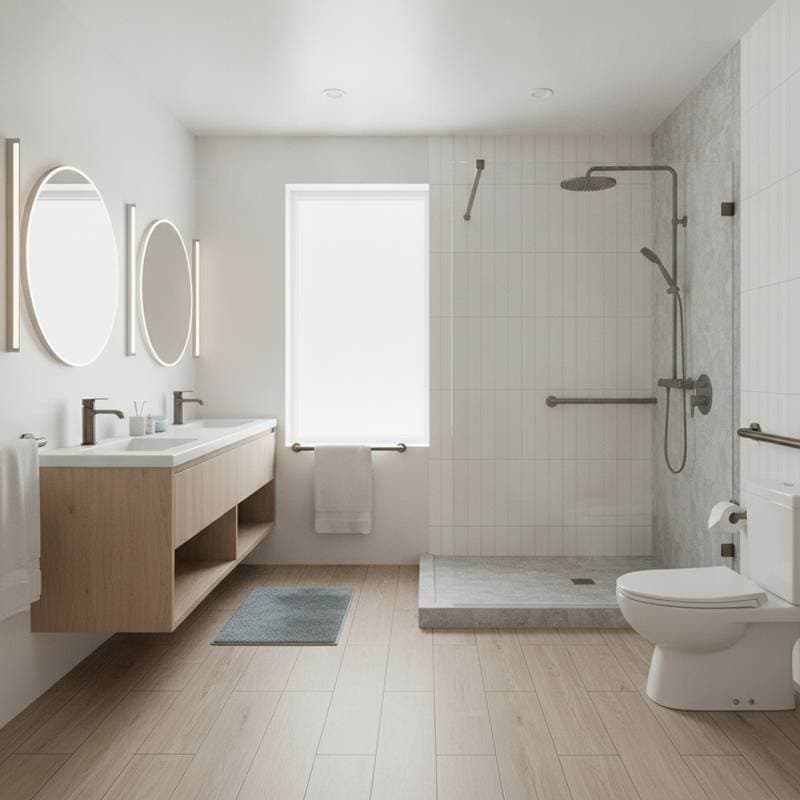
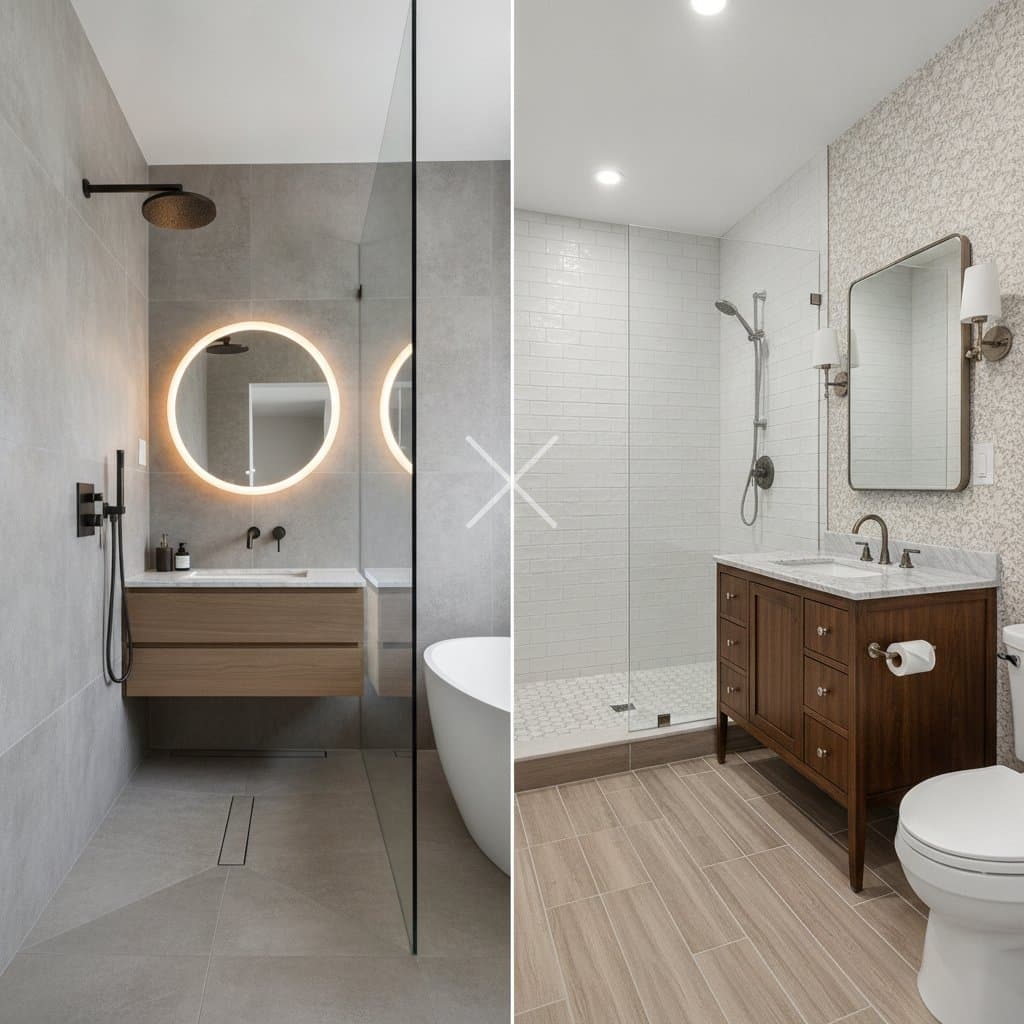
- Mid-level changes, such as installing curbless showers or expanding doorways to 36 inches, cost $10,000 to $25,000. They improve daily navigation for those using mobility aids.
- Major overhauls, encompassing exterior ramps, full kitchen adaptations with lowered counters, or multilevel accessibility solutions, exceed $50,000. These comprehensive updates often require engineering input for structural integrity.
Labor accounts for 40 to 60 percent of costs, while materials like durable, low-maintenance flooring add to the total. Timelines depend on complexity: DIY tasks wrap up in 1 to 3 weeks, whereas professional installations span 4 to 10 weeks. Most projects rate as moderate to advanced in difficulty, demanding attention to codes like the Americans with Disabilities Act guidelines.
Weighing DIY Options Against Professional Expertise
Homeowners with handyman skills can tackle certain upgrades independently, saving on labor while gaining satisfaction from the work. However, complex alterations demand certified experts to avoid safety risks and code violations. Evaluate your abilities honestly to prevent issues that could escalate expenses.
Projects suitable for DIY:
- Securing grab bars into wall studs using toggle bolts for stability.
- Swapping traditional knobs for lever handles that require less grip strength.
- Upgrading to LED fixtures positioned at eye level and task areas for reduced glare.
- Laying non-slip mats or adhesive strips in high-traffic zones like bathrooms.
Tasks requiring professionals:
- Framing adjustments to widen doorways or hallways to at least 32 inches clear width.
- Rerouting plumbing for zero-threshold showers or height-adjustable sinks.
- Wiring smart home systems or installing platform lifts compliant with weight limits.
- Building custom ramps with proper slopes, typically 1:12 ratio for every inch of rise.
Opting for DIY can reduce costs by 25 to 40 percent, but errors in areas like moisture barriers or load-bearing walls lead to repairs that double the budget. Professionals bring tools, warranties, and knowledge of local permits, justifying their fees for peace of mind.
Step-by-Step Guide to Executing Your Remodel
Effective planning turns a daunting project into a manageable process. Begin with a thorough evaluation to pinpoint inefficiencies, then build a roadmap that aligns with your lifestyle and finances.
-
Evaluate your home's layout. Walk through each room to note obstacles like steep stairs, tight corners, or dim hallways. Measure clearances around furniture and appliances to identify mobility bottlenecks. A detailed inventory ensures targeted improvements.
-
Prioritize essential features. Address immediate safety concerns, such as handrails on both sides of stairs, before planning for wheelchairs or walkers. Consider scalability, like modular cabinetry that adjusts over time. This step creates a phased approach that fits evolving needs.
-
Build a comprehensive budget. Factor in 10 to 15 percent contingency for surprises, plus costs for materials like vinyl composite flooring or reinforced glass. Research suppliers for bulk discounts on accessibility hardware. Alignment with financial goals prevents overruns.
-
Select experienced contractors. Seek firms specializing in aging-in-place designs, verified through the National Association of Home Builders certification. Review portfolios for similar jobs and confirm bonding. Strong partnerships yield durable results.
-
Secure approvals and oversight. Submit plans to local authorities for accessibility variances, especially in historic districts. Schedule phased inspections to catch issues early. Compliance safeguards health and resale potential.
-
Execute and validate the work. Monitor progress to ensure features like 60-inch turning radii in bathrooms meet standards. Test all elements post-completion, from door swings to light switches at 48-inch heights. Final walkthroughs confirm seamless functionality.
Key Safety Considerations and Best Practices
Safety forms the foundation of universal design, minimizing accidents that affect 30 percent of adults over 65 annually. Prioritize non-slip materials rated for wet areas and secure installations to withstand daily use.
- Electrical precautions: De-energize breakers before altering switches or outlets to prevent shocks. Use GFCI-protected circuits in kitchens and baths for added protection.
- Fall prevention measures: Anchor area rugs with double-sided tape and opt for flooring with a coefficient of friction above 0.5. Install motion-sensor lights to illuminate paths at night.
During work, equip yourself with protective gear: sturdy gloves for handling tools, impact-resistant eyewear, and steel-toed boots. These habits protect against common injuries like cuts or strains.
Resolving Common Challenges and Ensuring Quality
Even well-planned projects encounter hurdles, but proactive fixes maintain momentum. Regular checks during and after construction uphold standards.
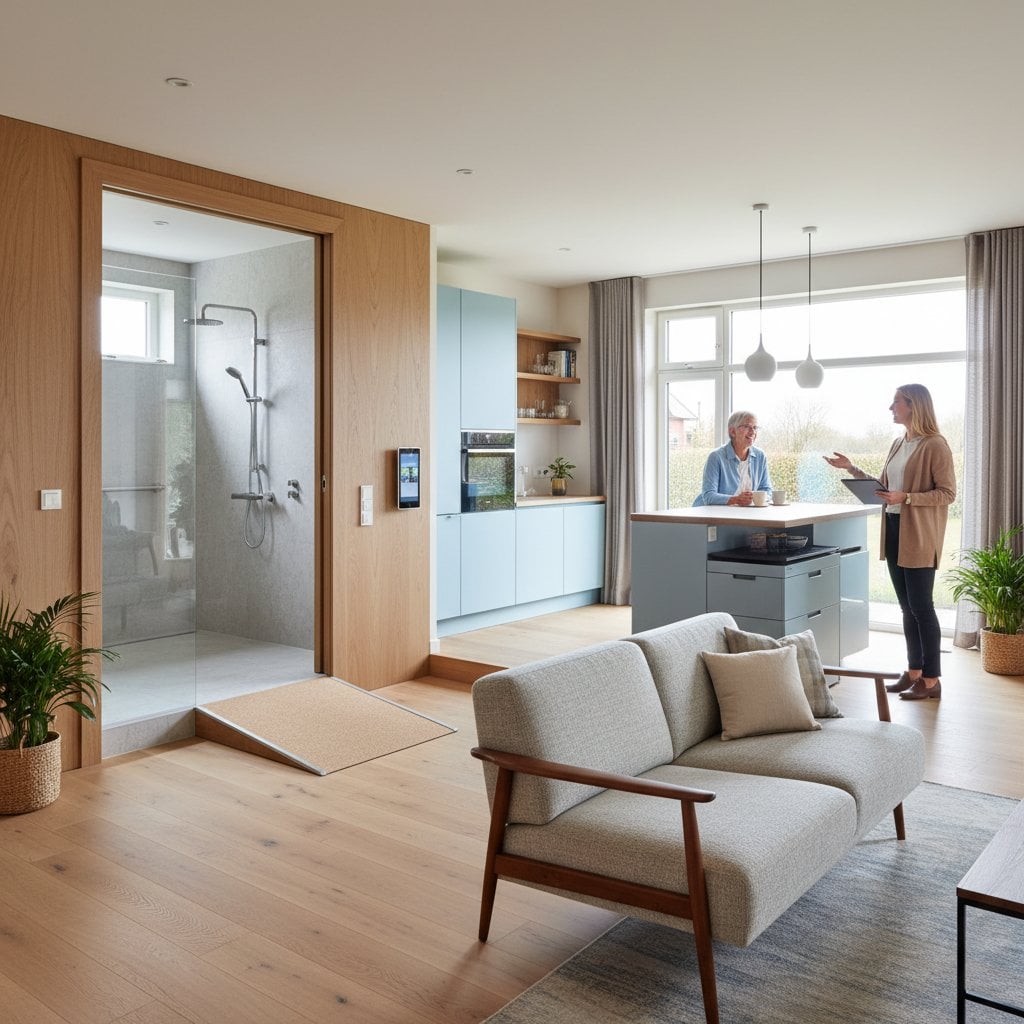
- Addressing floor inconsistencies: Install beveled ramps or metal thresholds to bridge height differences under 1/2 inch, facilitating smooth wheelchair passage.
- Securing fixtures properly: Add plywood blocking behind drywall for grab bars supporting up to 250 pounds. Torque screws to manufacturer specs for reliability.
- Optimizing illumination: Layer ambient, task, and accent lighting to eliminate shadows; dimmers allow customization for varying vision needs.
Before sign-off, simulate use: maneuver a rolling chair through spaces and reach for controls from seated positions. These tests reveal oversights, ensuring the home supports active living.
Handling Waste and Ongoing Upkeep
Responsible disposal keeps projects eco-friendly and compliant. Haul debris to designated facilities, separating recyclables like copper wiring or porcelain tiles to reduce landfill impact.
Maintenance extends the value of investments. Quarterly inspections of joints and seals prevent water damage, while annual professional tune-ups for lifts or automated doors catch wear early. With diligent care, elements like quartz countertops and vinyl floors endure 15 to 25 years, adapting as needs change.
Indicators for Professional Involvement
DIY shines for surface-level tweaks, but deeper modifications warrant experts. Signs include any work piercing walls, altering utilities, or impacting foundations, where precision averts hazards.
Professionals charge $60 to $120 hourly, varying by metro proximity and expertise in adaptive designs. To choose wisely:
- Confirm active licensing through state boards and liability coverage up to project value.
- Demand itemized bids outlining phases and milestones.
- Contact past clients for insights on reliability and cleanliness.
- Negotiate guarantees covering materials and workmanship for at least one year.
Strategies for Lasting Accessibility
Launch with foundational changes like threshold eliminations to build confidence, then layer in conveniences such as voice-activated controls. Emphasize multifunctional spaces that serve families now and individuals later. This intentional design not only enhances safety but elevates quality of life, fostering independence amid an aging population.