Understanding Universal Design for Long-Term Comfort
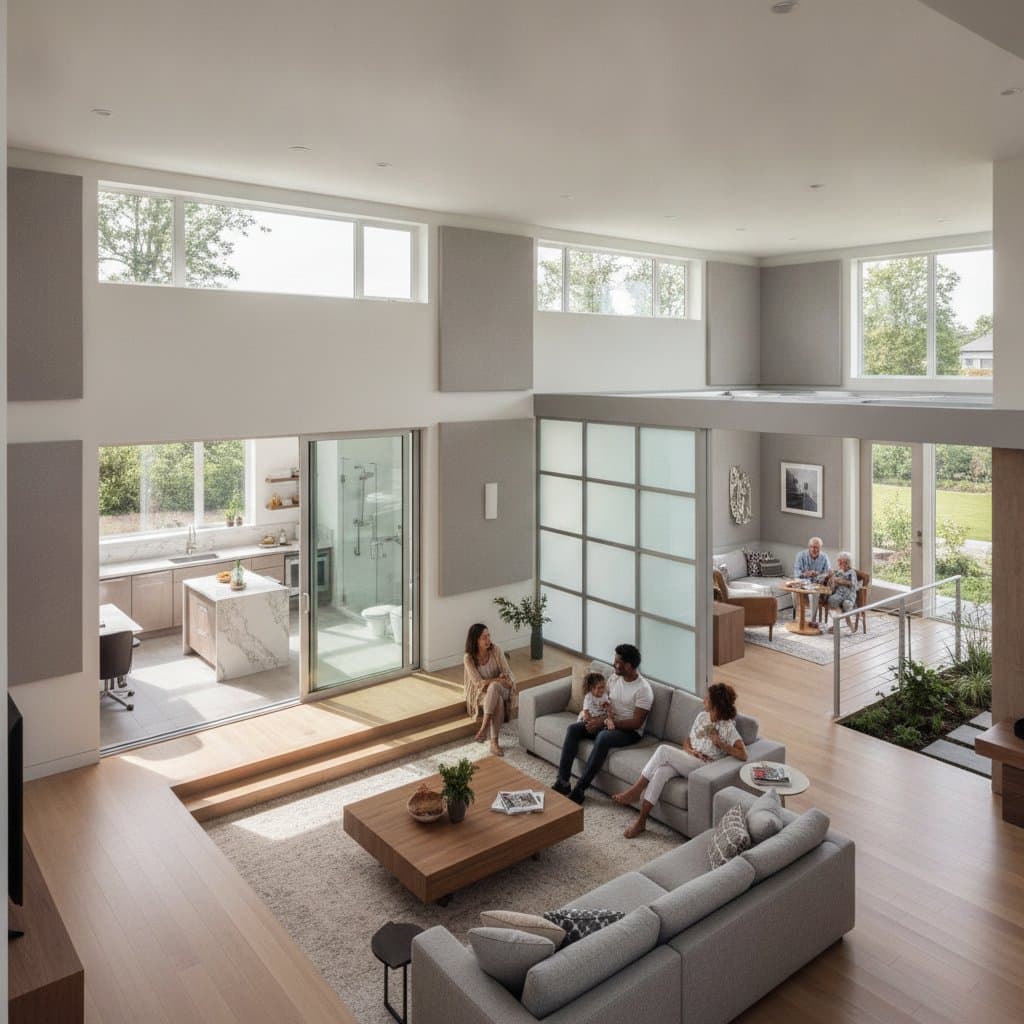
Universal design principles create spaces that accommodate people of all ages, abilities, and sizes without compromising aesthetics or functionality. These features focus on flexibility, allowing homes to adapt to changing needs over time. By incorporating them during remodeling, homeowners ensure environments that promote independence and reduce potential hazards.
The concept emphasizes seven core principles: equitable use, flexibility in use, simple and intuitive operation, perceptible information, tolerance for error, low physical effort, and size and space for approach and use. Applying these in residential settings transforms ordinary homes into versatile sanctuaries. Such updates not only enhance daily living but also increase property desirability in the real estate market.
Benefits of Aging in Place Remodeling
Aging in place allows individuals to remain in familiar surroundings while addressing mobility and health challenges. Universal design elements contribute to this by minimizing risks like falls and strains, which affect millions annually. Beyond safety, these modifications preserve home equity, as inclusive features appeal to a broader buyer demographic.
Investing in such remodels yields immediate and future returns. Families experience greater peace of mind knowing spaces support multigenerational living. Professional assessments reveal that properties with these adaptations often sell faster and at higher prices compared to standard homes.
Essential Entryway and Pathway Modifications
Begin transformations at the front door with step-free entryways to eliminate tripping hazards. Install ramps with gentle slopes, ideally no steeper than 1:12, and ensure pathways are at least 36 inches wide for easy navigation with walkers or wheelchairs. Pair these with automatic door openers for effortless access.
Leverage non-slip materials for exterior walkways, such as textured concrete or composite decking, to maintain traction in wet conditions. Add motion-sensor lighting along paths to illuminate routes at night, reducing disorientation. These changes create welcoming thresholds that integrate seamlessly with curb appeal.
Accessible Bathroom Innovations
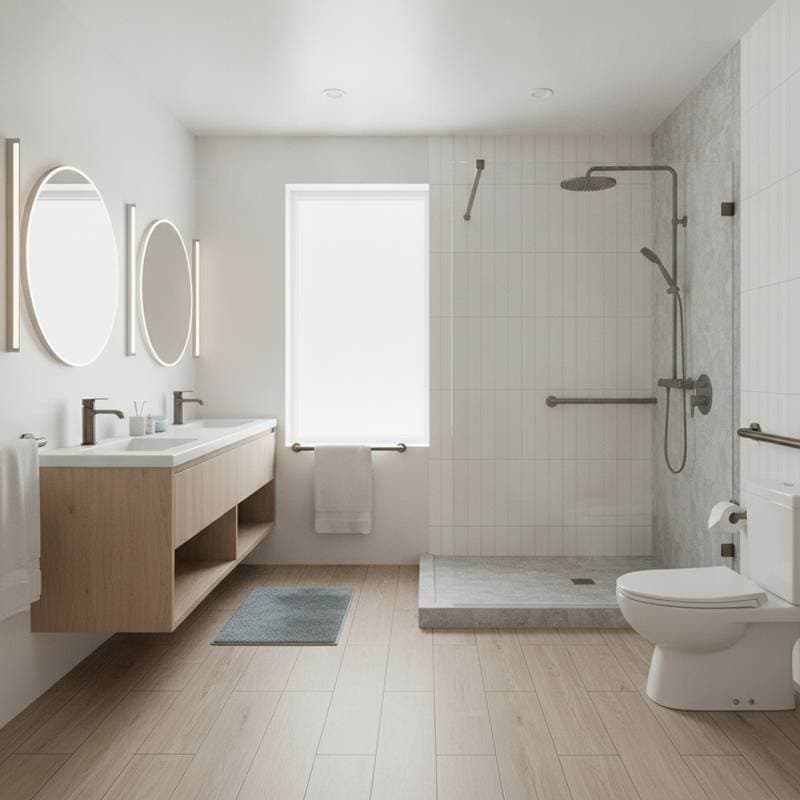
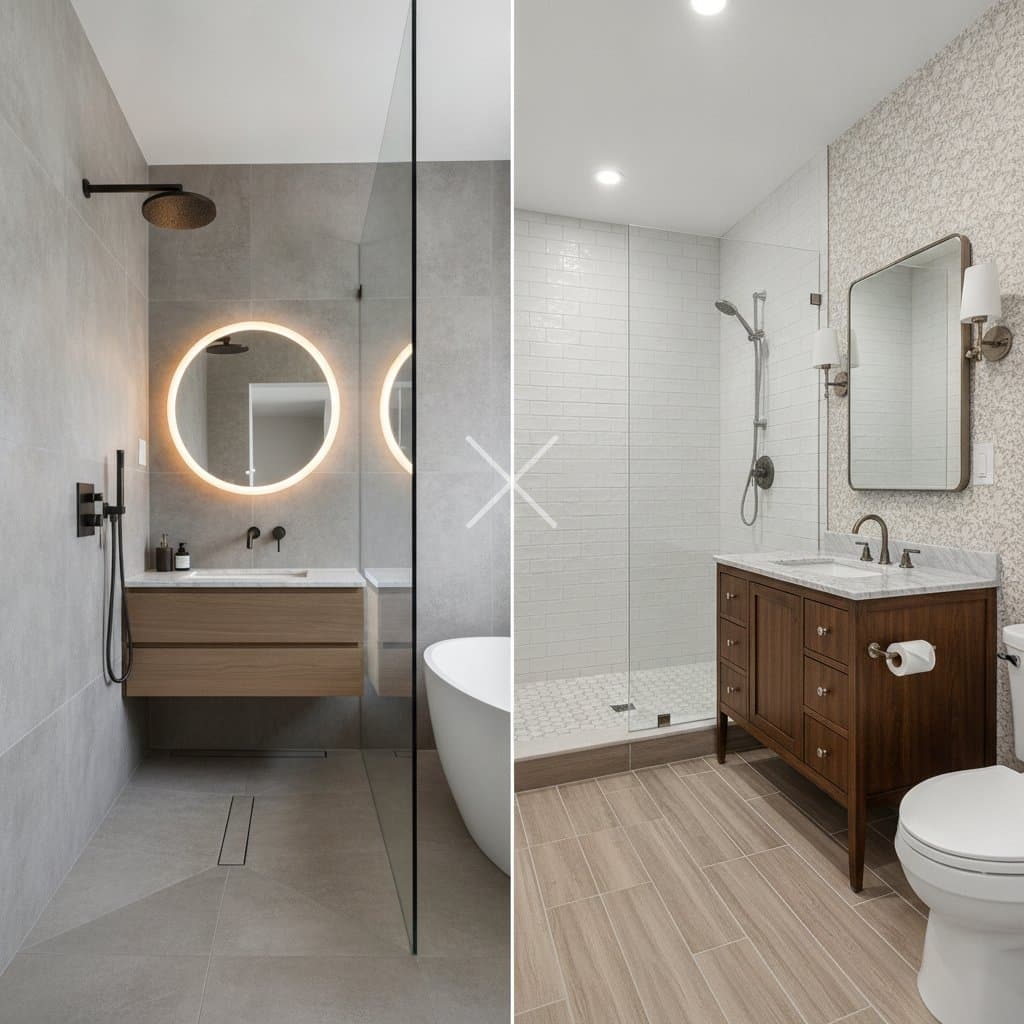
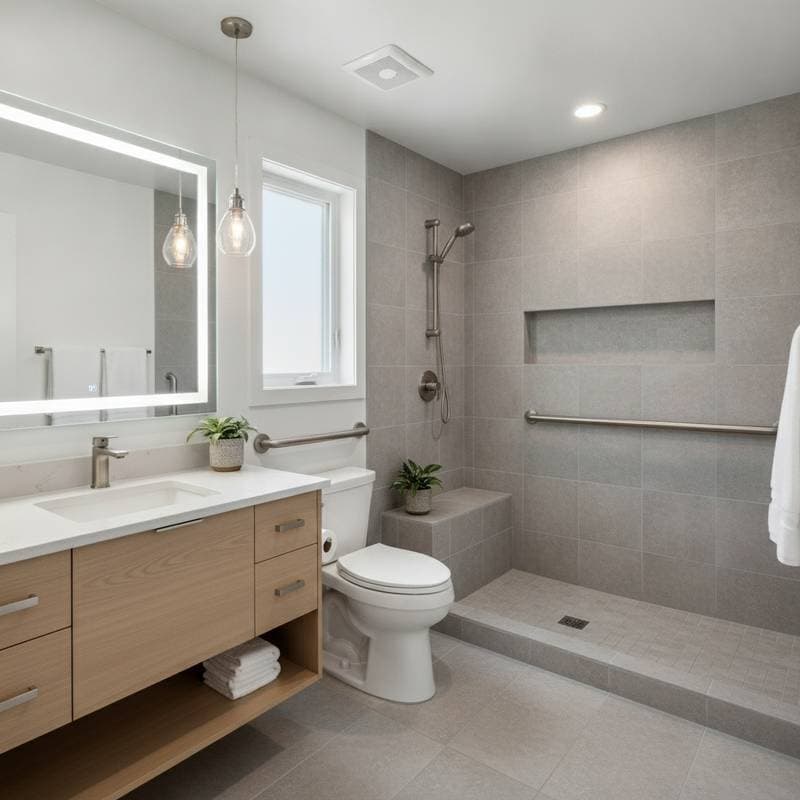
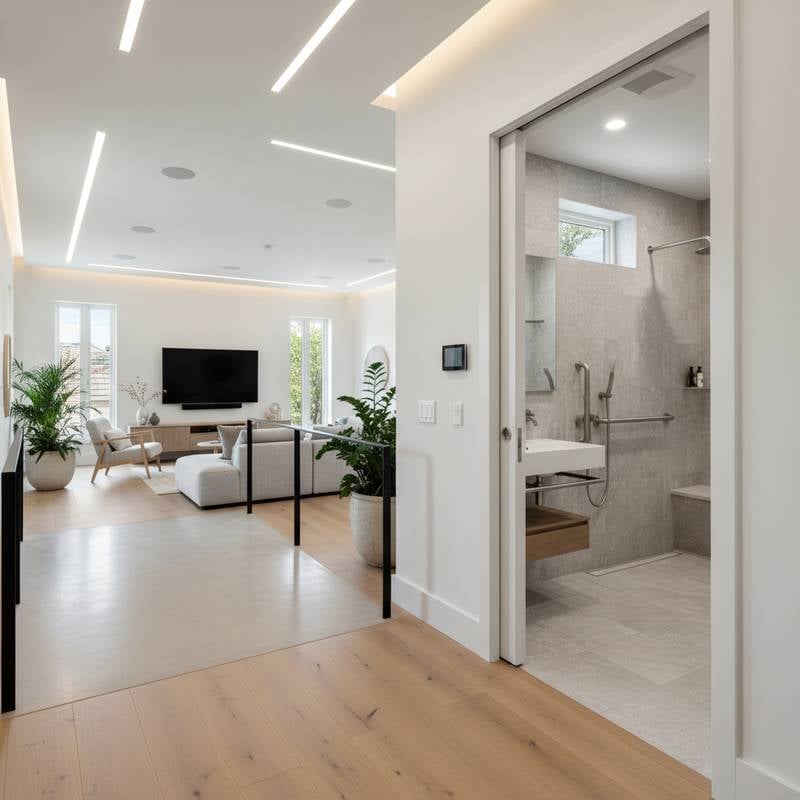
Bathrooms demand priority attention due to their high-risk nature for slips and reaches. Convert traditional tubs to curbless, roll-in showers with built-in benches and handheld showerheads for versatile use. Position grab bars strategically near toilets and showers, using concealed mounting for a sleek appearance.
Incorporate comfort-height toilets at 17 to 19 inches and vanities with open space underneath for knee clearance. Opt for lever-style faucets and touchless sensors to simplify operation. These upgrades foster hygiene and relaxation without altering the room's visual harmony.
Kitchen Designs for Independent Living
Kitchens benefit from adjustable countertops that lower to 28 inches for seated use or raise for standing tasks. Install pull-out shelves and lazy Susans in cabinets to bring items within easy reach, minimizing bending and stretching. Select appliances with front controls and at least 30-inch clear floor space for maneuvering.
Choose matte-finish hardware to reduce glare and fingerprint visibility, enhancing usability for those with visual impairments. Integrate task lighting under cabinets for precise illumination during food preparation. Such configurations support culinary independence while maintaining a contemporary kitchen aesthetic.
Integrating Smart Home Technology
Smart lighting systems adjust brightness and color temperature automatically based on time of day or occupancy, promoting energy efficiency and visual comfort. Voice-activated controls enable hands-free operation of lights, thermostats, and locks, ideal for limited mobility. Ensure compatibility with major platforms like Alexa or Google Home for intuitive management.
Incorporate automated shades and temperature sensors to optimize comfort without manual intervention. Security features, such as video doorbells and motion detectors, provide remote monitoring for added reassurance. These technologies blend innovation with universal design to create responsive living environments.
Flooring and Lighting Strategies
Select slip-resistant flooring like luxury vinyl plank or cork, which offers cushioning for joints while providing durability. Avoid deep-pile carpets that impede mobility; instead, use low-profile options with high contrast edges for better visibility. Ensure transitions between rooms are flush to prevent stumbles.
Layer lighting with ambient overhead fixtures, adjustable task lamps, and night lights in hallways to guide movement. Dimmers allow customization for different activities, from reading to winding down. These elements improve orientation and safety throughout the home.
Planning and Executing Your Remodel
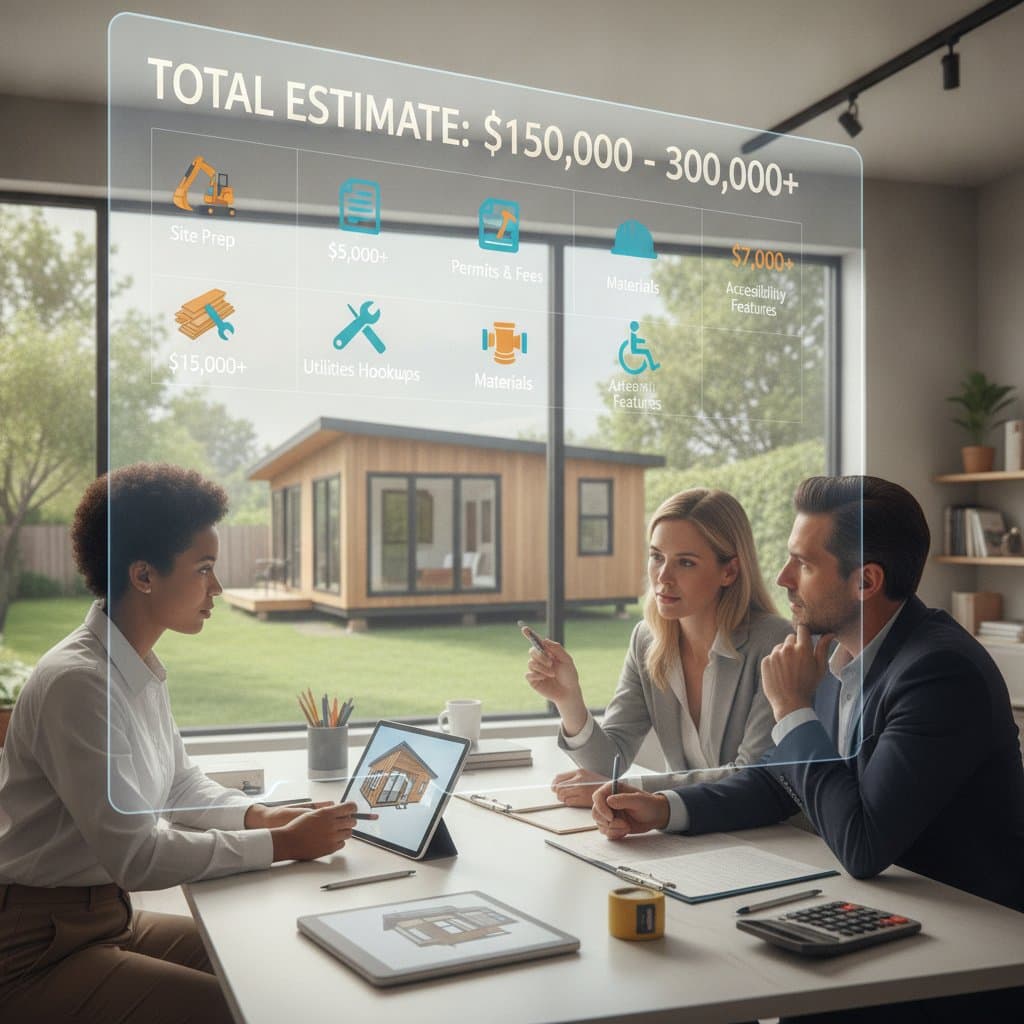
Assess your current space by consulting with an occupational therapist to identify specific needs based on lifestyle and health. Develop a prioritized list, starting with high-traffic areas like entrances and bathrooms, then progressing to kitchens and whole-home lighting. Set a realistic budget, allocating 10 to 15 percent for universal design consultations.
Collaborate with certified remodelers experienced in accessibility standards, such as those adhering to ADA guidelines. Review portfolios for projects demonstrating seamless integration of features. Obtain multiple quotes and timelines to align with your schedule.
Realizing Lasting Independence and Value
Universal design remodels empower residents to age gracefully within their homes, fostering autonomy and joy in daily routines. These thoughtful investments safeguard against unforeseen changes, ensuring spaces evolve with you. Ultimately, such homes become cherished assets that support well-being and financial security for generations.