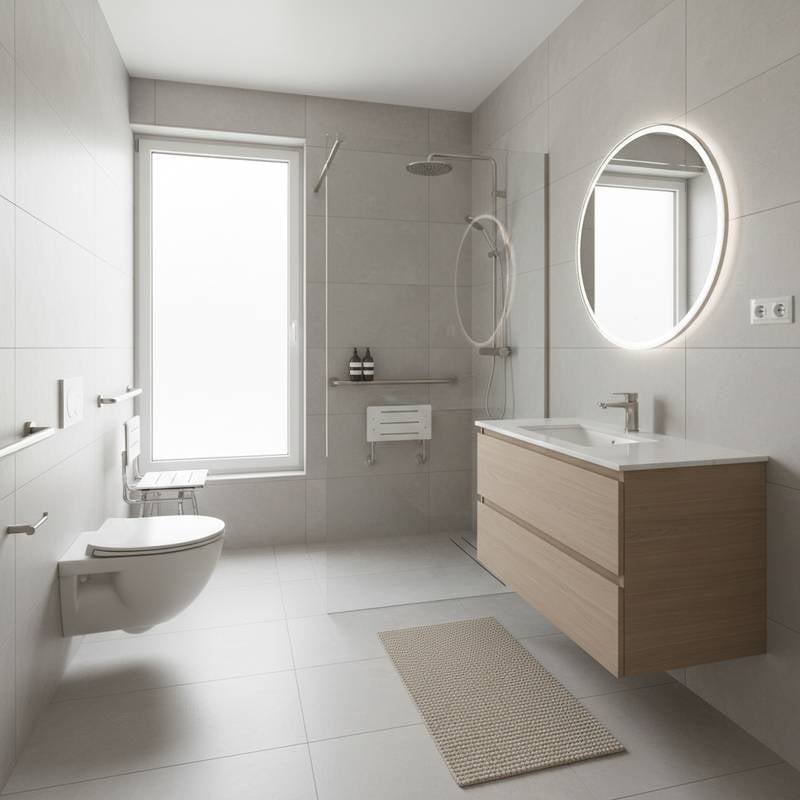
Creating Safer, More Accessible Bathrooms for Every Stage of Life with Universal Design
Bathrooms present unique challenges for safety and usability, especially as needs evolve over time. Universal design addresses these by integrating features that accommodate everyone, from young children to older adults, without sacrificing aesthetics or functionality. This approach not only enhances daily comfort but also boosts property value through thoughtful, inclusive renovations.
By focusing on intuitive layouts and durable materials, universal design ensures bathrooms remain practical and inviting. Homeowners can enjoy greater independence while minimizing risks like slips or strains. The result is a space that adapts seamlessly to changing circumstances.
Understanding Universal Design Principles
Universal design emphasizes eight core principles: equitable use, flexibility, simple operation, perceptible information, tolerance for error, low physical effort, size and space for approach, and robust construction. In bathrooms, these translate to features that prevent accidents and promote ease of use.
For instance, equitable use means designing elements accessible to all abilities, such as lever handles instead of knobs for easier gripping. Flexibility allows adjustments like height-adjustable sinks for seated or standing users. These principles guide renovations toward long-term usability.
Key Features for Safety and Accessibility
Incorporating specific elements transforms ordinary bathrooms into secure havens. Start with flooring: opt for textured, non-slip surfaces rated for wet areas, such as porcelain tiles with a high coefficient of friction. These materials reduce fall risks without compromising on visual appeal.
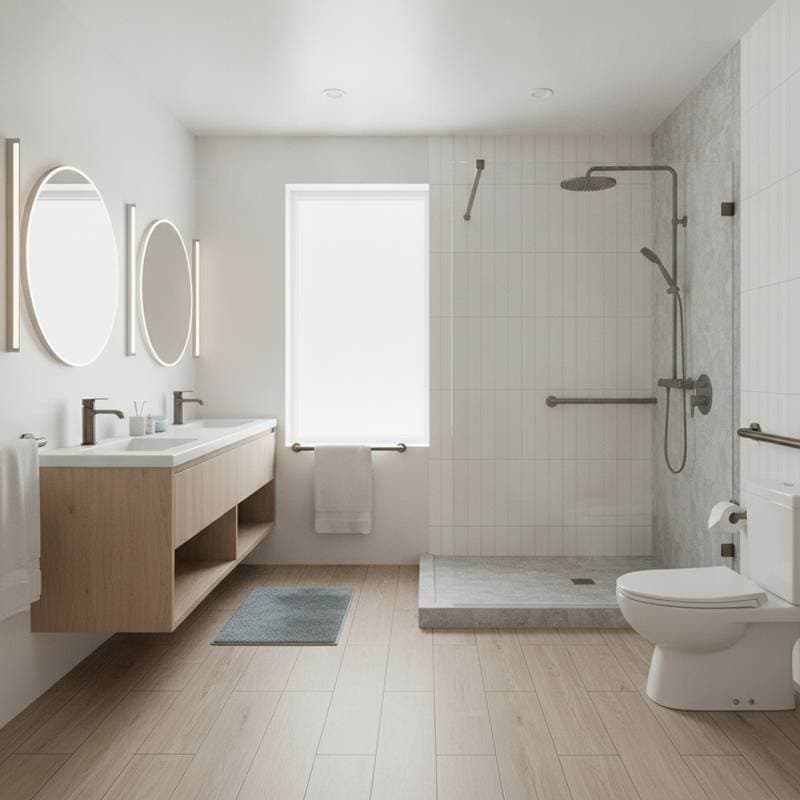
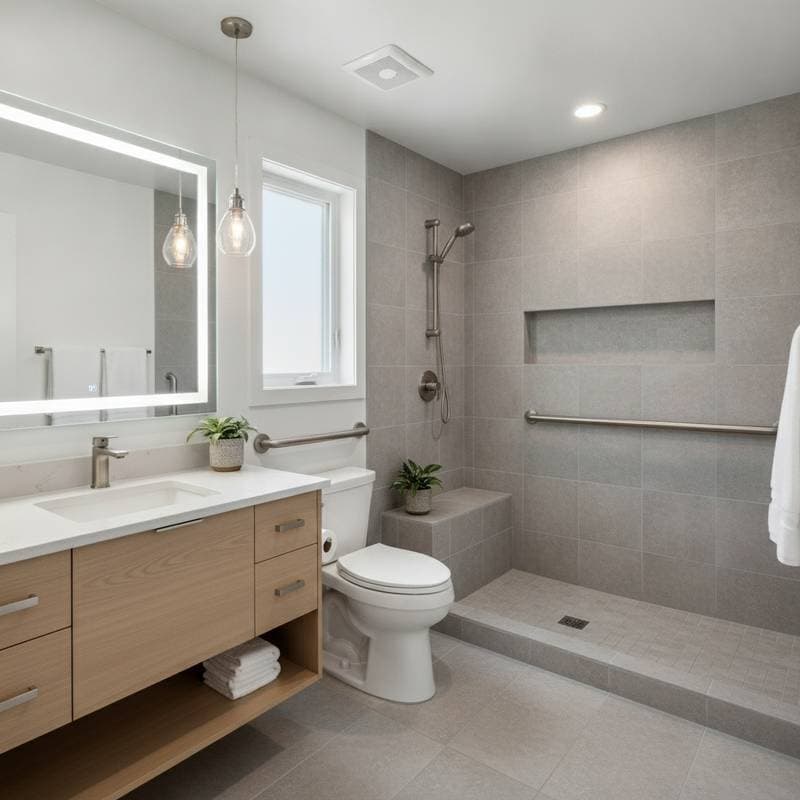
Next, consider entryways. Replace traditional tubs with walk-in showers featuring zero-threshold entries, where the floor meets the shower pan seamlessly. This eliminates tripping hazards and allows wheelchair access if needed. Pair this with a fold-down bench seat molded from the shower walls for resting during use.
Grab bars provide essential support. Install them near toilets, showers, and vanities at heights between 33 and 36 inches from the floor, using bars that extend at least 42 inches for full coverage. Choose concealed mounting systems to maintain a sleek look while ensuring they support up to 250 pounds.
Comfort-height fixtures elevate the experience. Toilets at 17 to 19 inches high ease sitting and standing, while sinks at 34 inches accommodate both seated and standing users. Motion-sensor faucets and touchless flush valves add convenience and hygiene.
Lighting plays a crucial role in visibility. Install layered options: ambient overhead lights, task lighting above mirrors with adjustable brightness, and night lights in outlets for low-light navigation. Dimmable LEDs ensure energy efficiency and reduce glare.
Leverage technology for added safety. Smart mirrors with defogging and integrated speakers, or voice-activated controls for lights and fans, simplify routines. Waterproof outlets positioned at 36 inches high prevent reaching hazards.
Planning Your Renovation: Budget and Priorities
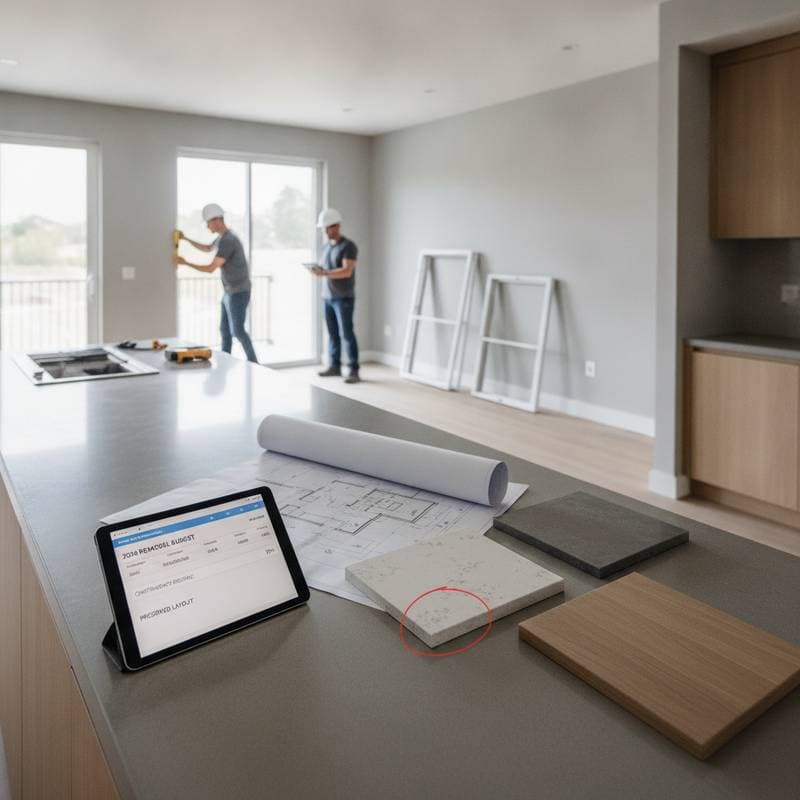
Assess your space before starting. Measure doorways, which should be at least 32 inches wide for easy passage, and evaluate plumbing locations. Prioritize high-impact changes like shower conversions, which can cost between $5,000 and $15,000 depending on size and materials.
Budget allocation matters. Dedicate 40 percent to structural elements like waterproofing and framing, 30 percent to fixtures and finishes, and 20 percent to labor, leaving a buffer for surprises. Focus on durable, low-maintenance materials such as solid-surface countertops that resist stains and scratches.
Consult local building codes early. Many areas require permits for plumbing or electrical work, and universal design often aligns with ADA guidelines for added compliance and resale appeal.
Deciding Between DIY Upgrades and Professional Remodeling
Homeowners with basic skills can tackle minor enhancements independently. For example, adding grab bars involves selecting ADA-compliant models, locating wall studs with a finder, and securing them with toggle bolts for reinforced hold. Replacing a standard faucet with a single-handle model requires shutting off water, disconnecting lines, and ensuring a tight seal to prevent leaks.
Non-slip mats or adhesive strips offer quick floor improvements without demolition. These peel-and-stick options provide immediate traction and can be removed if preferences change.
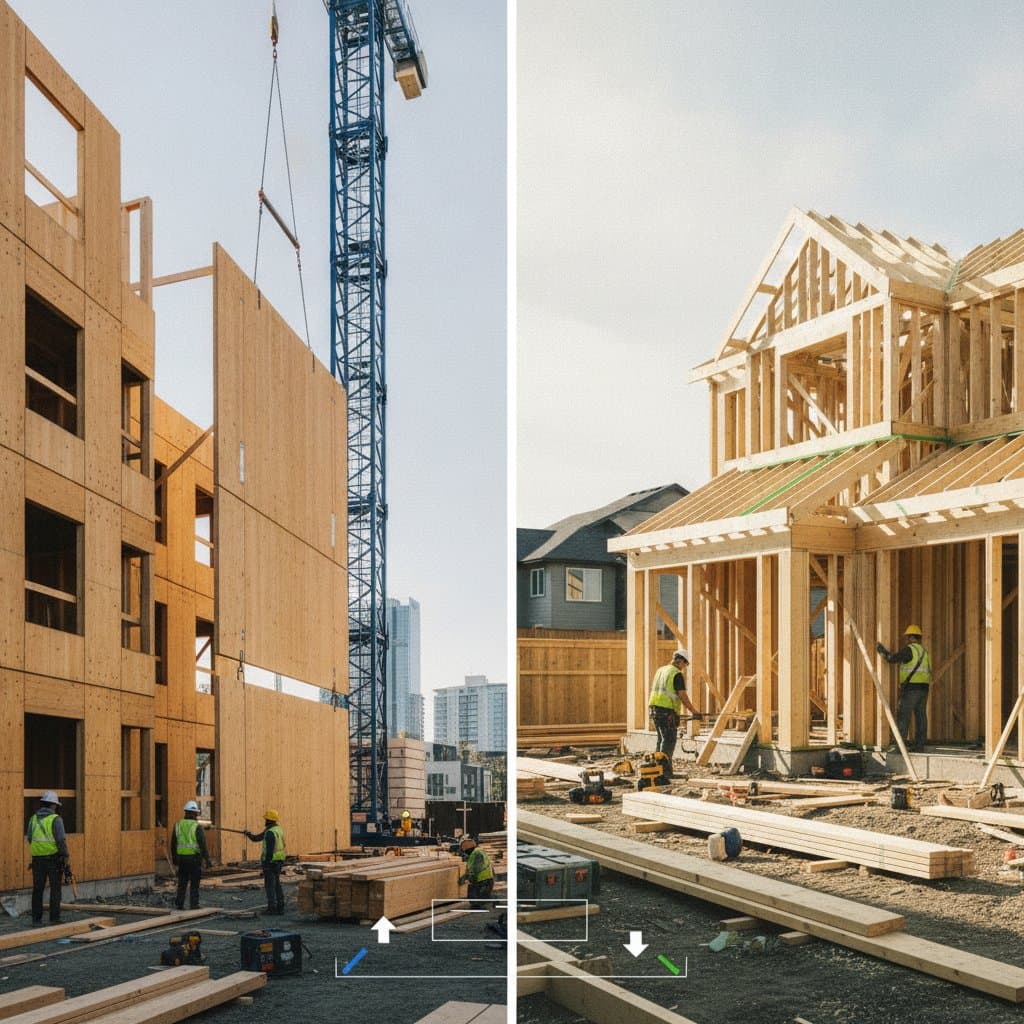
However, complex projects demand expertise. Widening doorways might involve removing walls, which risks structural integrity if not assessed properly. Curbless showers require precise sloping, typically a 1/4-inch drop per foot, to direct water to the drain without ponding.
Professionals handle these intricacies, including installing Schluter systems for waterproof membranes that prevent mold behind tiles. They also integrate heating elements, like radiant floor mats, for warmth underfoot without raising energy costs excessively.
Signs You Need Professional Assistance
Engage a contractor for projects that alter the home's framework. Relocating plumbing lines demands knowledge of pipe materials and venting to avoid backups. Electrical updates, such as adding GFCI outlets in wet zones or low-voltage lighting, must meet code to prevent shocks.
Shower overhauls often involve custom glass enclosures with frameless doors for a barrier-free feel. Built-in niches for shampoos at varying heights accommodate different users, but installation requires leveling and sealing expertise.
Vanity modifications, like open shelving under sinks for knee clearance, benefit from professional carpentry to ensure stability. Before committing, review portfolios of similar accessible projects and verify licensing through state boards.
Request detailed contracts outlining timelines, costs, and warranties. A reputable firm will conduct a site visit to propose tailored solutions, potentially saving money through efficient material use.
Selecting Materials and Finishes
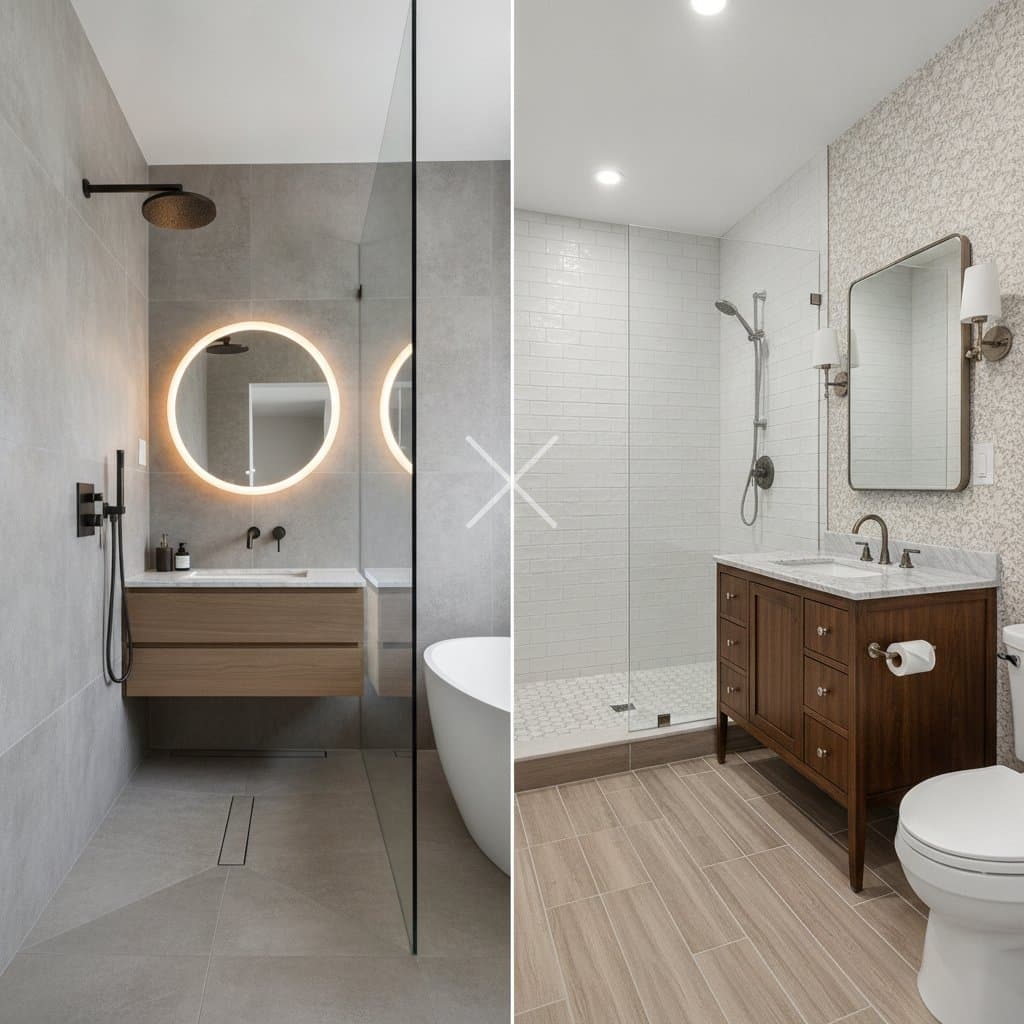
Choose timeless palettes to avoid dated looks. Neutral tones with bold accents, like matte black fixtures against white subway tiles, create contrast for better visibility. Textured walls or pebble mosaics in showers add grip and interest.
Sustainability factors in too. Low-flow toilets using 1.28 gallons per flush conserve water, while recycled glass tiles offer eco-friendly durability. These selections align with universal design's robust principle, ensuring longevity.
Maintaining Your Universal Design Bathroom
Sustained care keeps features performing optimally. Wipe down surfaces weekly with mild cleaners to preserve non-slip properties and prevent residue buildup. Test grab bars quarterly by applying body weight to confirm secure anchoring.
Monitor drainage in curbless showers by clearing hair traps monthly and inspecting slopes annually. Replace caulking around fixtures every two years to seal against moisture intrusion.
Update technology as needed. Reprogram smart devices for user preferences and replace batteries in sensors promptly. Clear walkways of clutter to maintain open circulation, fostering a space that supports active lifestyles.
Through proactive upkeep, your bathroom evolves as a reliable asset. It delivers ongoing safety, comfort, and independence, enhancing quality of life across generations.