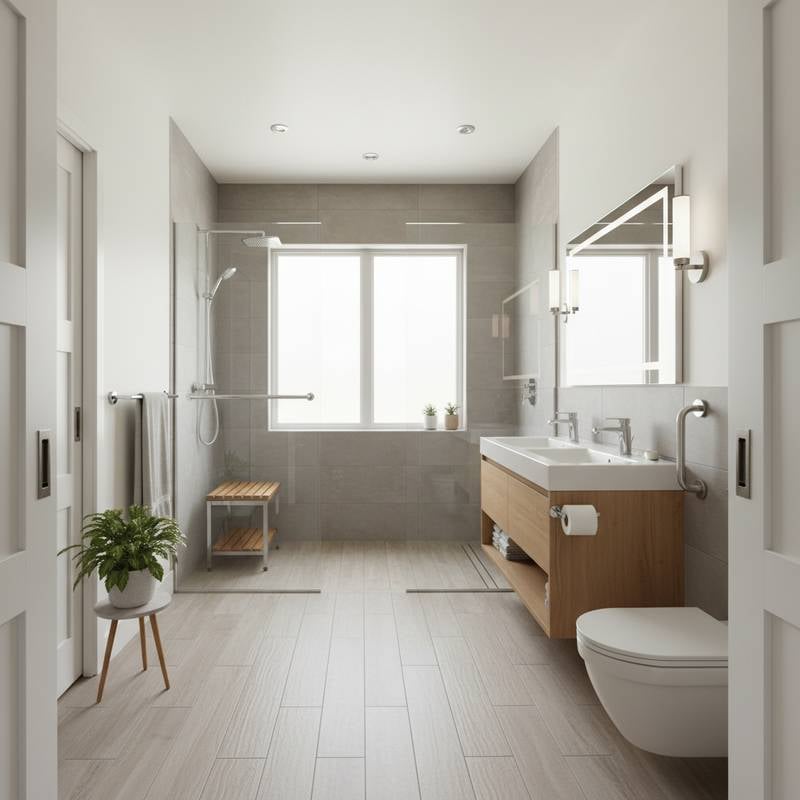
The Real Costs of Aging-in-Place Bathroom Remodels
An aging-in-place bathroom remodel enables individuals to remain in their homes comfortably as mobility needs evolve. These renovations emphasize safety features, accessible layouts, and user-friendly elements that prevent accidents and simplify daily routines. By grasping the factors that drive expenses, homeowners can make informed decisions to balance functionality with budget constraints.
Understanding Aging-in-Place Design Principles
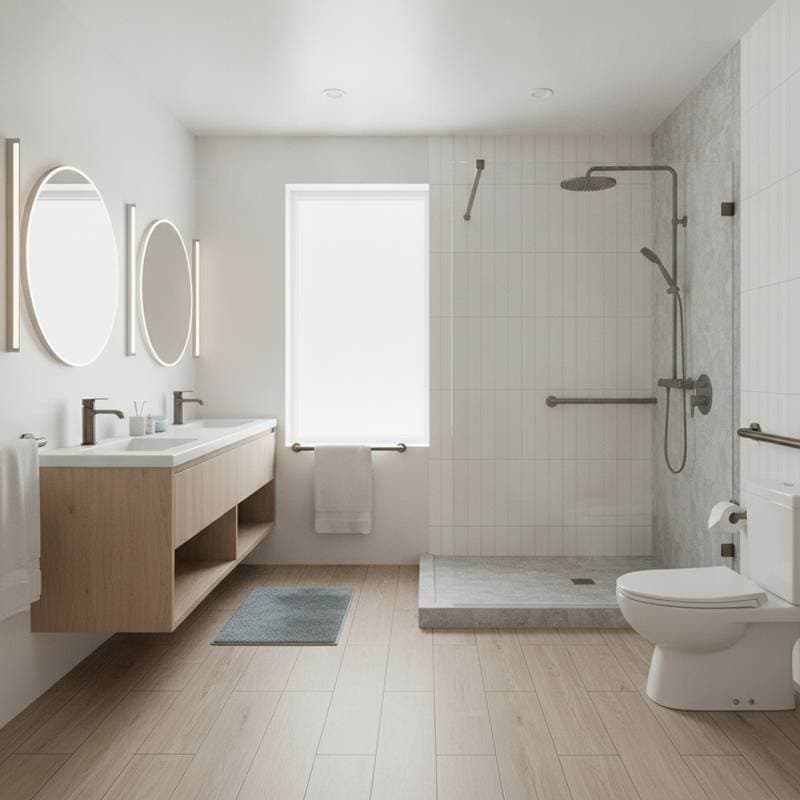
Aging-in-place design adapts living spaces to accommodate physical changes over time, prioritizing ease of movement and reduced risk of falls. In bathrooms, this approach involves installing non-slip flooring, widening doorways for wheelchair access, and incorporating adjustable-height fixtures. The design maintains an attractive appearance while ensuring practical benefits, such as lever-handled faucets that require less grip strength and motion-sensor lighting that eliminates fumbling in low visibility.
These elements not only support current needs but also future-proof the space against progressive mobility challenges. Professional designers often assess the home's layout to recommend changes that integrate seamlessly, avoiding the need for major overhauls later.
Factors Influencing Remodel Costs
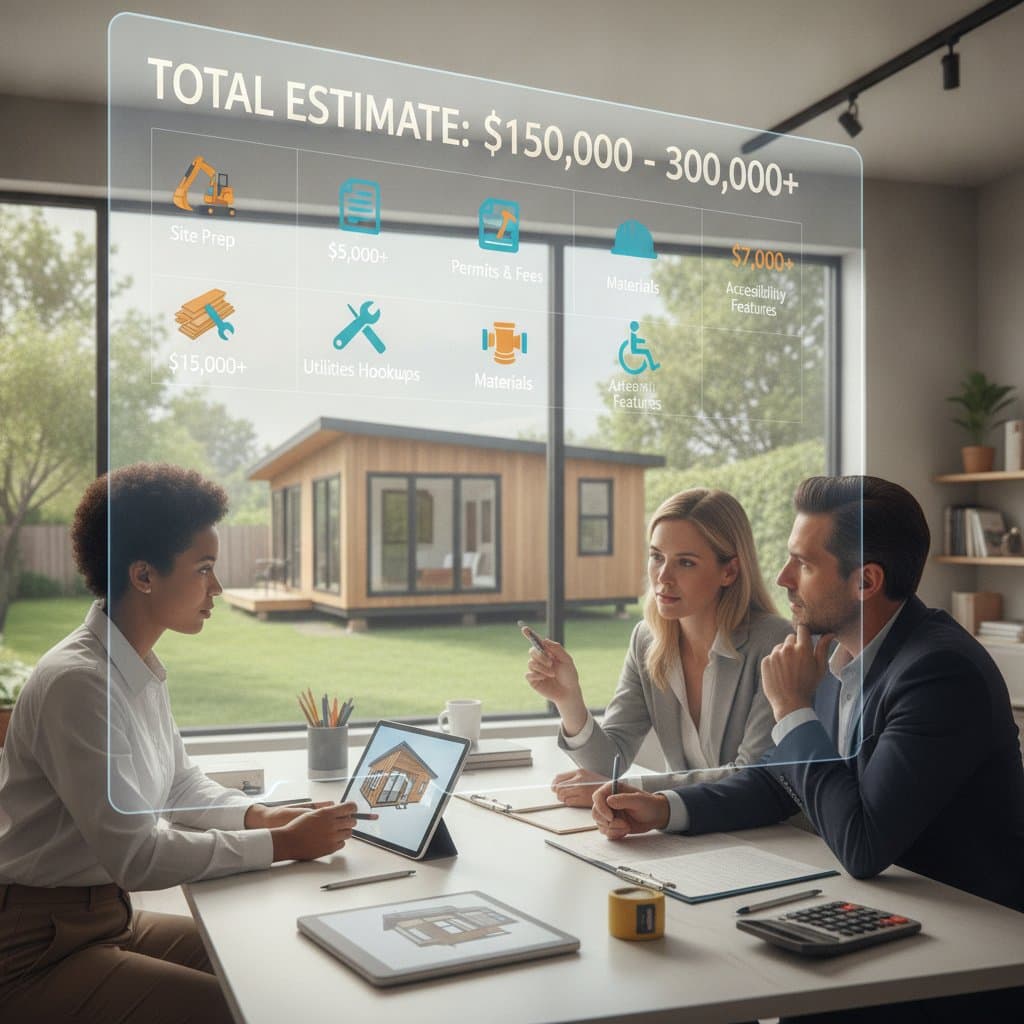
The total expense of an aging-in-place bathroom remodel varies based on the room's dimensions, current condition, and selected upgrades. Smaller bathrooms might require $10,000 to $20,000 for comprehensive changes, while larger or more complex projects can exceed $30,000. Key contributors include labor for skilled trades, custom fixtures, and any necessary structural modifications.
Essential Safety Features and Their Price Ranges
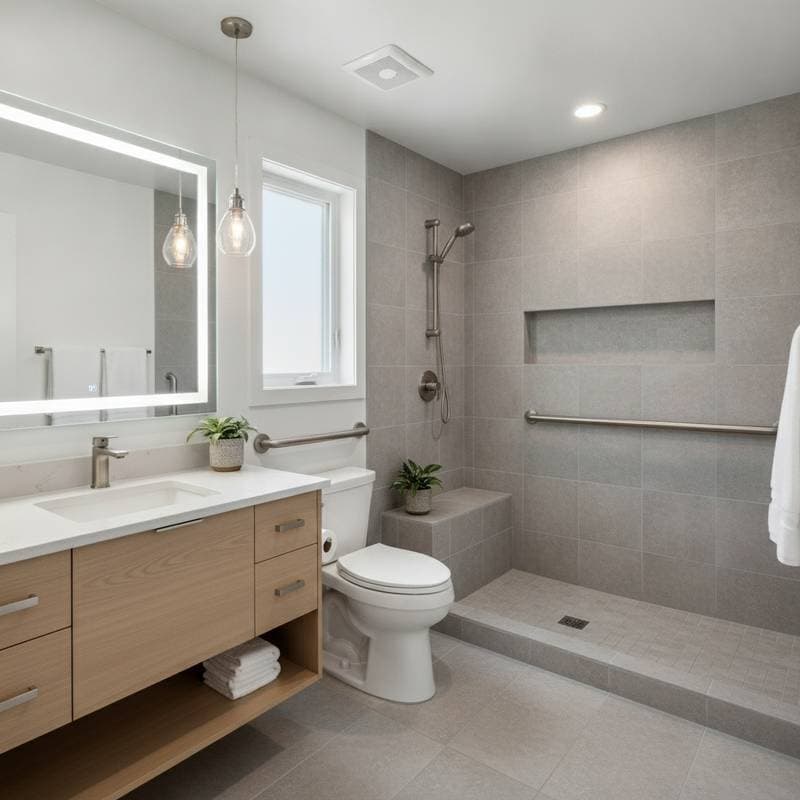
Grab bars provide crucial support near toilets, showers, and vanities, with costs ranging from $150 to $500 per unit, including installation. Opt for stainless steel models with concealed mounting for a sleek look and durability.
Curbless showers eliminate tripping hazards by creating a seamless entry, typically costing $4,000 to $8,000. This upgrade involves retiling the floor to slope gently toward the drain and may require waterproofing adjustments to prevent leaks.
Enhanced lighting, such as LED strips under vanities or automatic night lights, adds $200 to $600. These fixtures improve visibility for tasks like grooming and reduce the risk of nighttime accidents.
Layout and Structural Adjustments
Removing barriers, like bathtub enclosures, to install walk-in showers can cost $2,000 to $5,000, depending on plumbing rerouting. Widening doorways or reinforcing walls for future grab bar additions might add $1,000 to $3,000, ensuring compliance with accessibility standards.
Plumbing updates, including relocating pipes for a comfort-height toilet, range from $1,500 to $4,000. Electricians charge $500 to $2,000 for installing outlets at accessible heights or adding exhaust fans with humidity sensors.
Material and Fixture Selections
Choosing low-maintenance materials influences both upfront and ongoing costs. Quartz or solid-surface countertops, which resist moisture and bacteria, cost $2,000 to $5,000 for a standard vanity. Anti-slip tiles for floors and walls add $1,000 to $3,000 but prevent slips better than traditional options.
Accessible fixtures, such as bidet seats or handheld showerheads, range from $300 to $1,200. These selections enhance hygiene and ease without compromising aesthetics.
Strategies for Effective Budgeting and Planning
Begin the planning process by consulting a specialist to evaluate your bathroom's specific requirements. Prioritize high-impact safety elements before cosmetic enhancements to allocate funds efficiently.
-
Phased Implementation: Tackle urgent safety upgrades first, such as installing grab bars and improving lighting, then address layout changes in subsequent phases. This method distributes expenses over time and minimizes disruption.
-
Professional Versus Self-Installation: Delegate complex tasks like electrical wiring or plumbing to certified experts to avoid code violations and ensure reliability. Simpler additions, including adhesive grab bars, suit DIY efforts but verify compatibility with surfaces.
-
Material Choices for Durability: Select slip-resistant, easy-to-clean options like porcelain tiles or acrylic surrounds. These materials withstand frequent use and require minimal upkeep, lowering replacement costs over decades.
-
Navigating Permits and Codes: Structural or utility alterations often necessitate permits, which cost $100 to $500 and involve inspections. Research local regulations early to prevent delays or fines.
Incorporating energy-efficient features, such as low-flow fixtures, can qualify for rebates, offsetting initial investments. A detailed budget spreadsheet helps track expenditures and compare contractor quotes.
Sustaining Accessibility and Comfort Over Time
After completing the remodel, routine upkeep preserves the bathroom's functionality and extends its lifespan. Inspect seals around fixtures quarterly to catch potential water damage early, and clean surfaces with mild, non-abrasive solutions to maintain non-slip properties.
Address wear proactively by tightening hardware or replacing faded caulk. As needs evolve, incorporate adaptable elements like adjustable shelving or modular grab bars to refine the space without full renovations.
This investment in an aging-in-place bathroom fosters lasting independence, enhances daily comfort, and potentially increases property value. Homeowners gain peace of mind knowing their sanctuary supports wellness through every stage of life.