Backyard ADU Costs 2025: What to Expect for Your Build
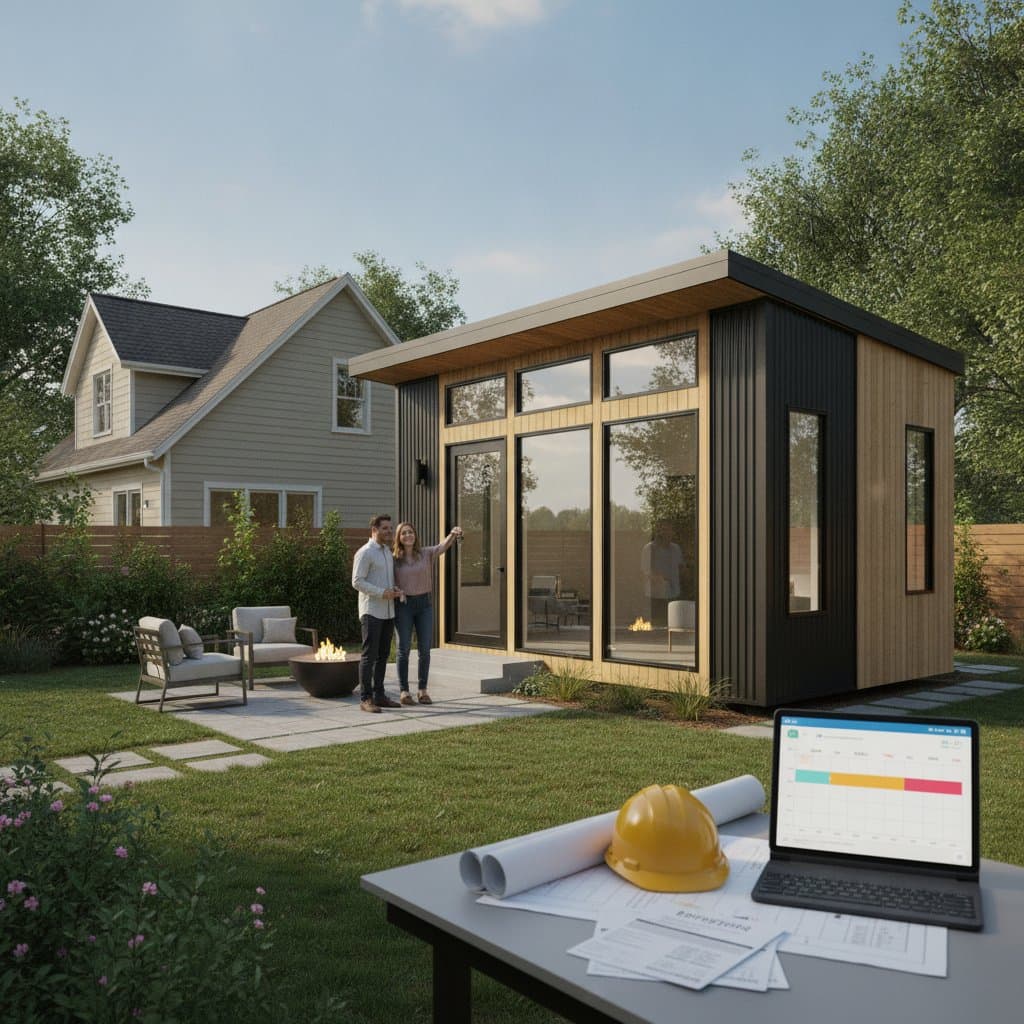
Adding an accessory dwelling unit to your backyard enhances property value and provides versatile space for family members or rental purposes. Costs fluctuate based on size, design choices, and site characteristics. Grasping the elements that influence pricing enables you to establish a feasible budget and sidestep unexpected expenses.
Quick Cost Summary
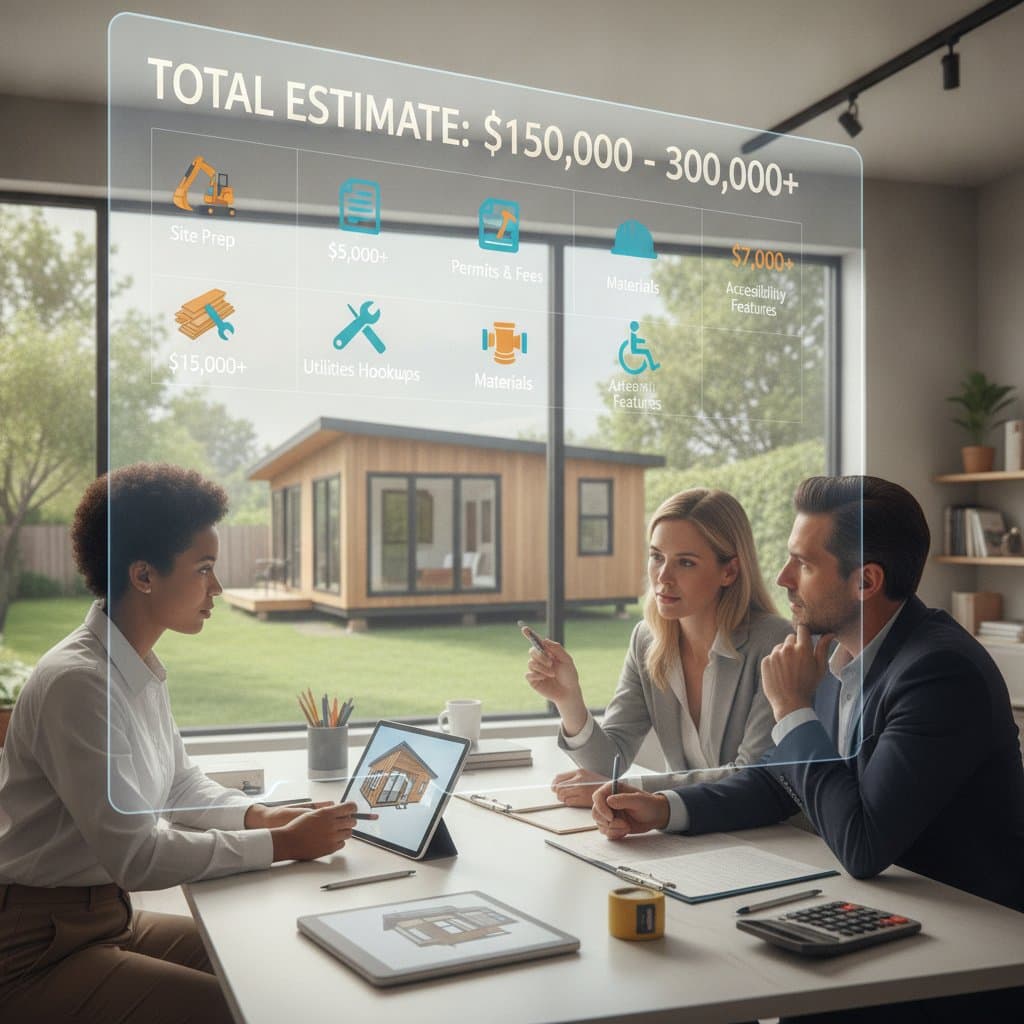
A backyard ADU generally ranges from $140,000 to $380,000, with the average expenditure around $240,000. This figure encompasses design fees, permitting, site preparation, materials, labor, and utility installations. Prefabricated options for smaller units might dip under $150,000, whereas elaborate custom designs often surpass $400,000.
Major factors driving these costs include:
- Size and layout: Expansive areas and intricate room configurations elevate labor and material demands.
- Foundation and site preparation: Challenging terrain like slopes demands extra grading and concrete work.
- Utility connections: Greater separation from the primary residence escalates plumbing, electrical, and sewage expenses.
- Material selections: Superior finishes, windows, and roofing materials can inflate the budget by 20 percent or higher.
- Permitting and design services: These elements typically represent 10 to 15 percent of the overall project.
Essential Cost Influences
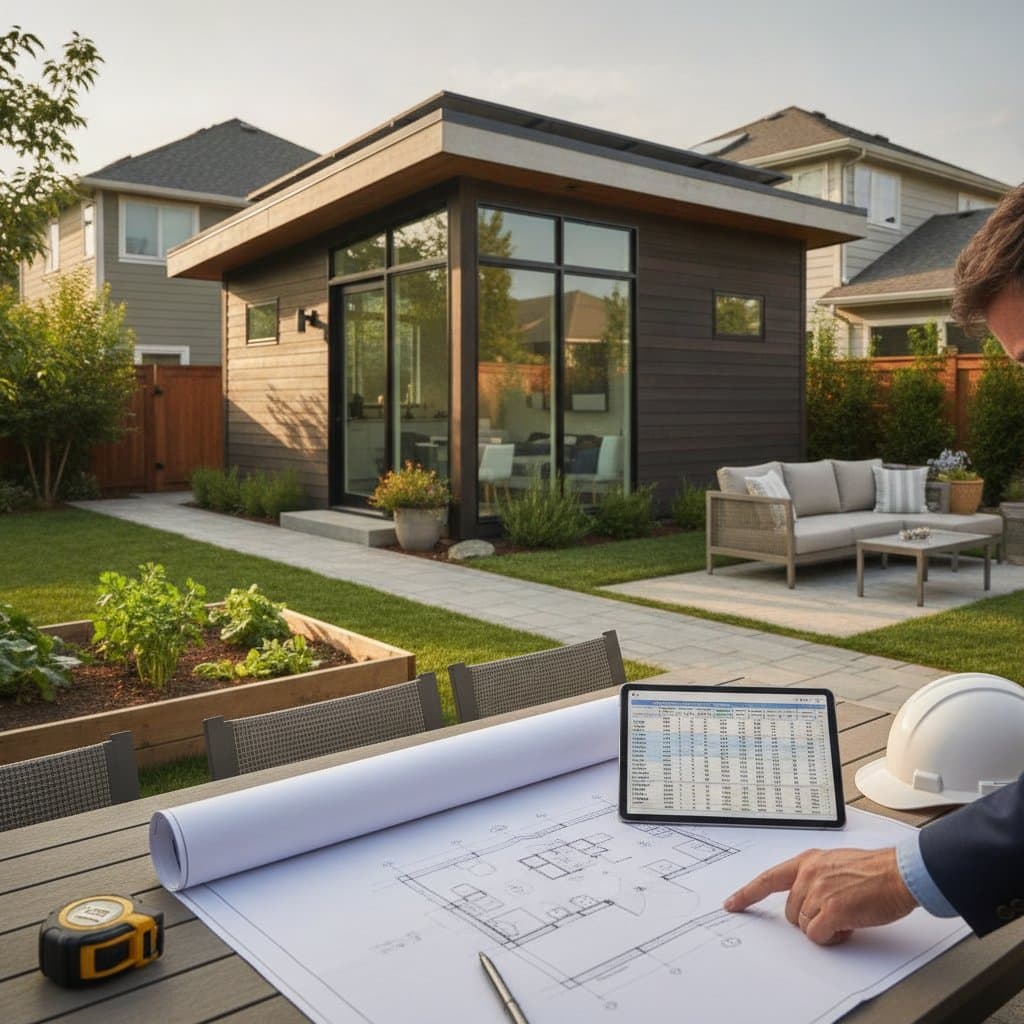
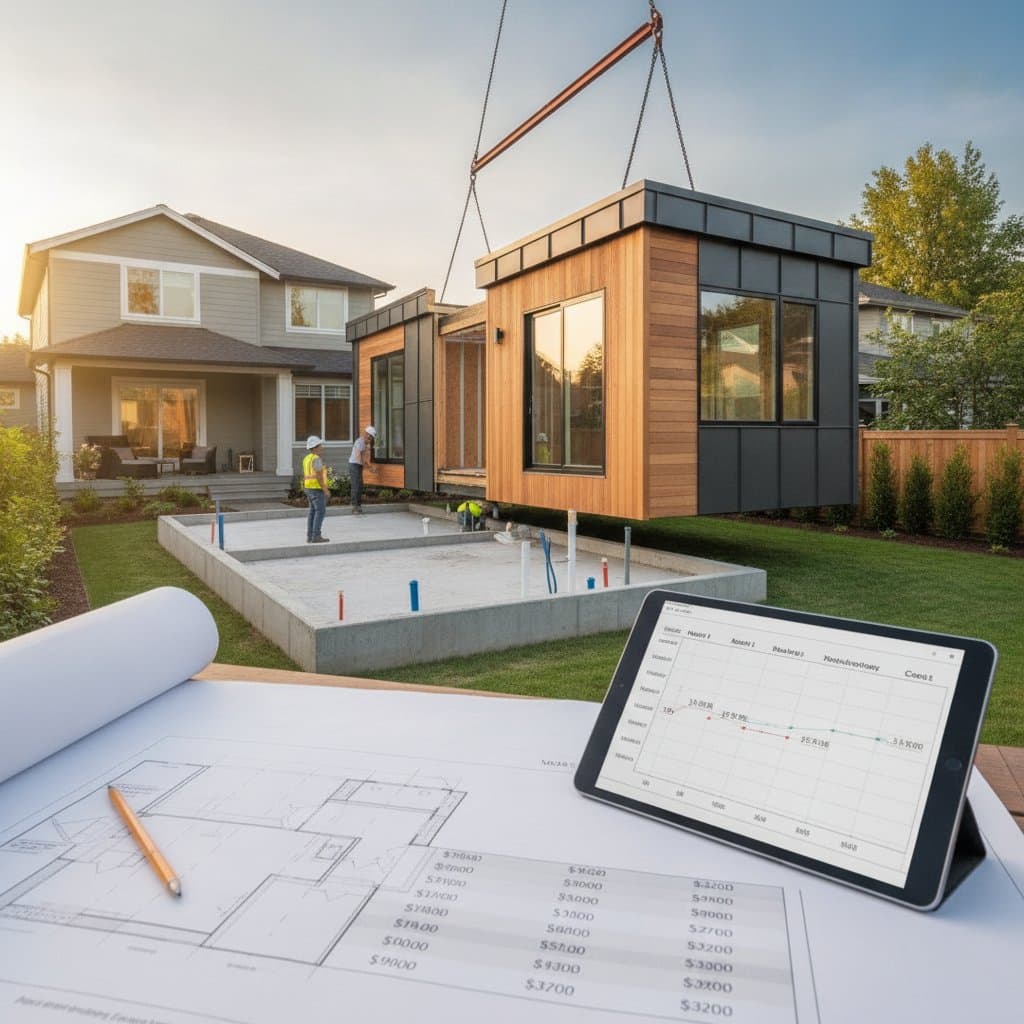
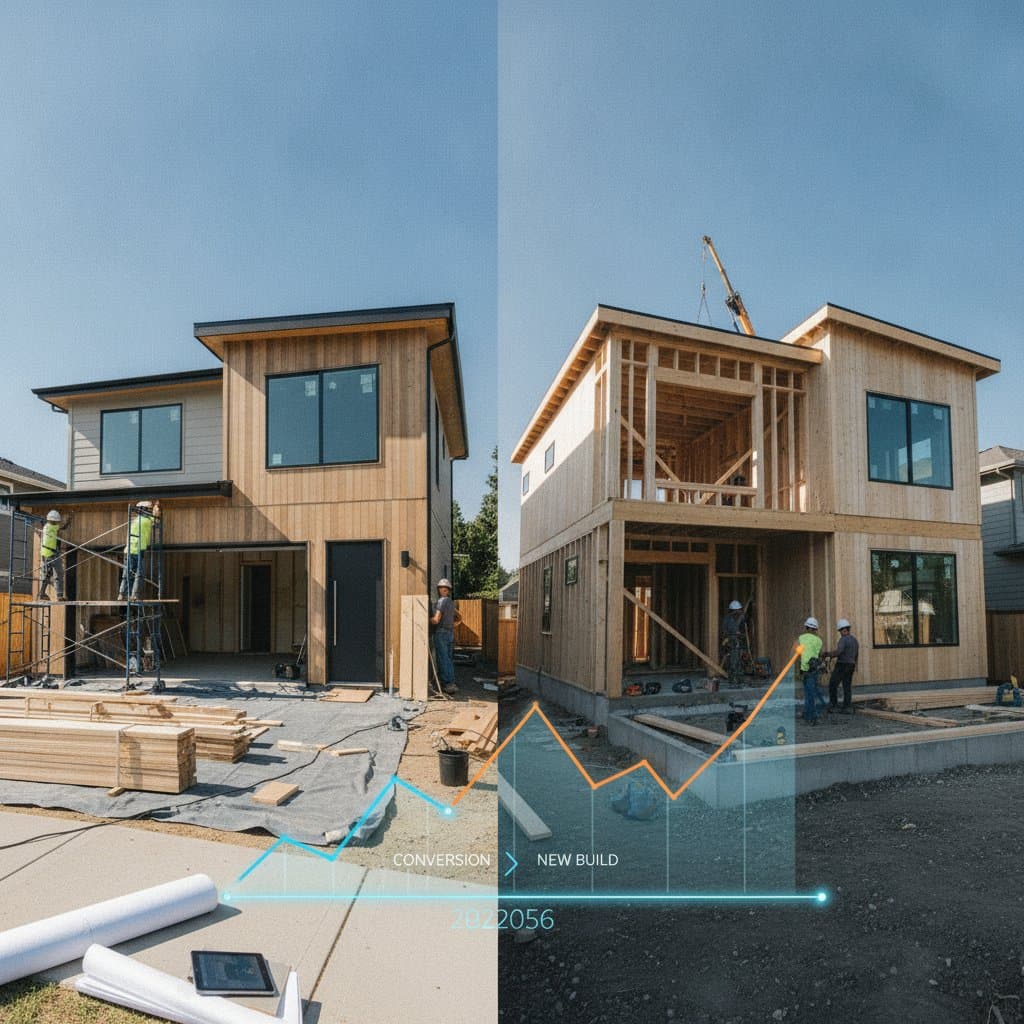
Detached ADUs incur higher per-square-foot expenses compared to interior conversions, primarily due to independent utilities and foundational requirements. Opting for prefabricated units accelerates timelines and trims labor outlays, yet site readiness remains essential. Permit fees and local rules differ significantly across regions, potentially varying by thousands of dollars. Engaging experts for design and permitting phases minimizes the risk of rework and subsequent delays.
Costs by Size and Type
The dimensions of the ADU profoundly impact the final price tag. Below are representative ranges derived from current industry averages.
| ADU Type | Typical Size | Cost Range | Average Cost |
|---|---|---|---|
| Small studio or micro unit | 250–400 sq. ft. | $140,000–$190,000 | $165,000 |
| One-bedroom cottage | 400–600 sq. ft. | $180,000–$260,000 | $220,000 |
| Two-bedroom ADU | 600–800 sq. ft. | $230,000–$310,000 | $270,000 |
| Large or custom ADU | 800–1,200 sq. ft. | $280,000–$380,000+ | $330,000 |
Compact units carry elevated costs per square foot because they necessitate core features like kitchens, bathrooms, and utilities regardless of scale. Larger designs benefit from economies of scale, where additional space incurs proportionally lower expenses once fixed costs are addressed.
Balancing Contractor Expertise and DIY Efforts
Labor from contractors constitutes 40 to 60 percent of the total budget. Selecting a licensed general contractor guarantees adherence to building codes and seamless integration of specialties such as plumbing, electrical systems, and framing. Contractor fees generally span 10 to 20 percent of the project total.
DIY strategies offer potential savings on labor, provided you possess relevant construction knowledge and handle permits, inspections, and timelines effectively. Consider a hybrid model, tackling interior finishes or landscaping post-occupancy approval, to cut costs by thousands while upholding structural integrity and safety. Always secure professional oversight for critical elements to comply with regulations.
Variables Affecting Your Budget
Numerous elements can adjust the overall expenditure.
Permits and Fees
Permit costs from municipalities and counties span $2,000 to $10,000, influenced by project magnitude. Certain locales impose impact fees for expanded utility usage or added living areas.
Site Conditions
Proximity to existing utilities lowers trenching and hookup expenses. Properties with steep gradients or irregularities might require retaining walls or specialized foundations, adding substantial costs.
Design Complexity
Basic rectangular forms prove more economical than designs featuring multiple roofs or levels. Elements like vaulted ceilings or expansive windows demand increased framing and insulation efforts.
Material Selections
Opt for standard-grade options to maintain budget discipline. Upgrading to premium cabinetry, tiles, or fixtures can effectively double the expense for interior completions.
Strategies to Control Expenses
Achieve savings through thoughtful planning and resource-efficient choices without compromising durability.
- Select a compact layout to minimize square footage and associated costs.
- Cluster plumbing fixtures, such as bathrooms and kitchens, to shorten pipe runs.
- Incorporate prefabricated elements like modular walls or pre-engineered trusses to decrease on-site labor.
- Employ straightforward roof designs, such as single-slope configurations, for reduced framing and upkeep.
- Specify standard dimensions for windows and doors to avoid premiums on custom fabrication.
- Phase non-essential tasks, like landscaping or interior enhancements, after initial occupancy to distribute financial outlays.
Evaluating Return on Investment
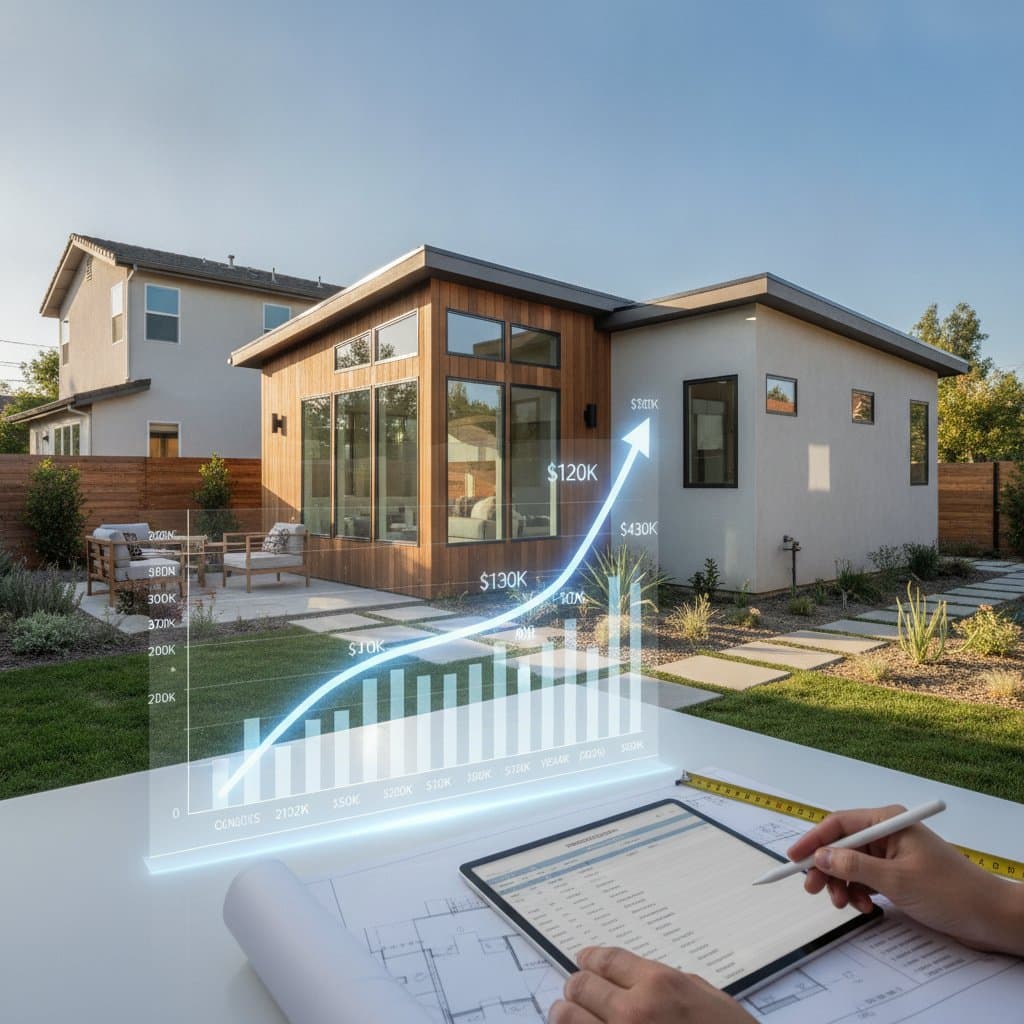
Backyard ADUs frequently recoup 60 to 100 percent of their investment via elevated property valuations and rental revenues. In areas with strong rental demand, these units yield steady income that can recover build costs over a few years. For personal use, the extra space boosts living adaptability and market desirability over time.
Basis for Cost Estimates
These projections draw from contractor quotations, homeowner feedback, and prevailing rates for materials and labor in various regions. Assumptions include standard site work, mid-range finishes, and average utility proximities. Adjustments arise from local economics, bespoke designs, and regulatory frameworks.
Steps to Launch Your Project
Embark on your ADU construction with a defined budget aligned to your site's layout and objectives. Solicit bids from several contractors to gauge variations and verify comprehensive inclusions for site development and utilities. Allocate a contingency fund, as modifications during building can influence expenditures. This preparation positions you to realize the full benefits of added space and value.