What You Will Really Pay for a Curbless Shower
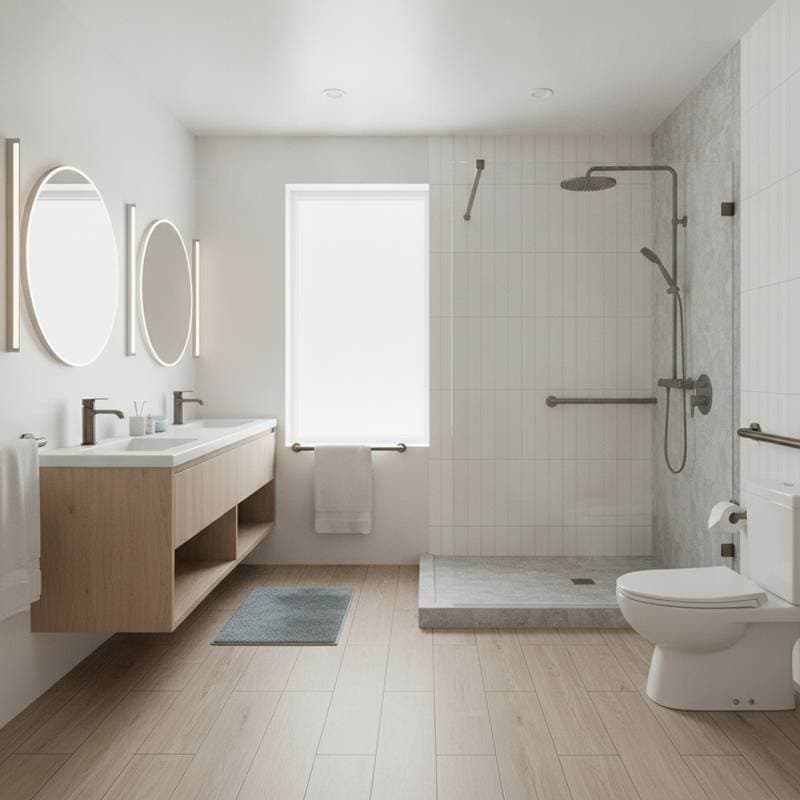
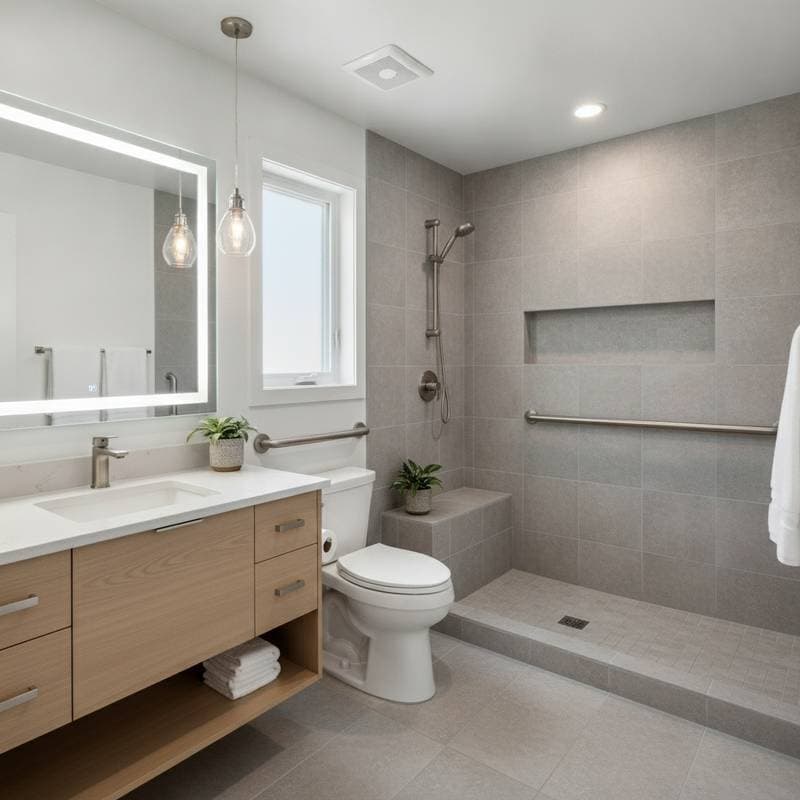
Curbless showers deliver a sleek and accessible design. They also involve detailed installation steps and higher overall expenses. This guide outlines pricing ranges from 7000 dollars to 30000 dollars along with key cost factors, material options, and strategies for effective planning.
Cost Breakdown
- Shower drain and slope preparation: 1000 dollars to 3000 dollars
- Tile and materials: 3 dollars to 20 dollars per square foot
- Glass panels or enclosures: 1000 dollars to 2500 dollars
- Labor: 50 dollars to 150 dollars per hour depending on region and project complexity
These figures shift based on bathroom dimensions, tile selections, and any required plumbing or structural adjustments. Properties needing subfloor modifications for proper slope typically reach the higher end of the spectrum.
Materials and Design Choices That Influence Price
Tile Selection
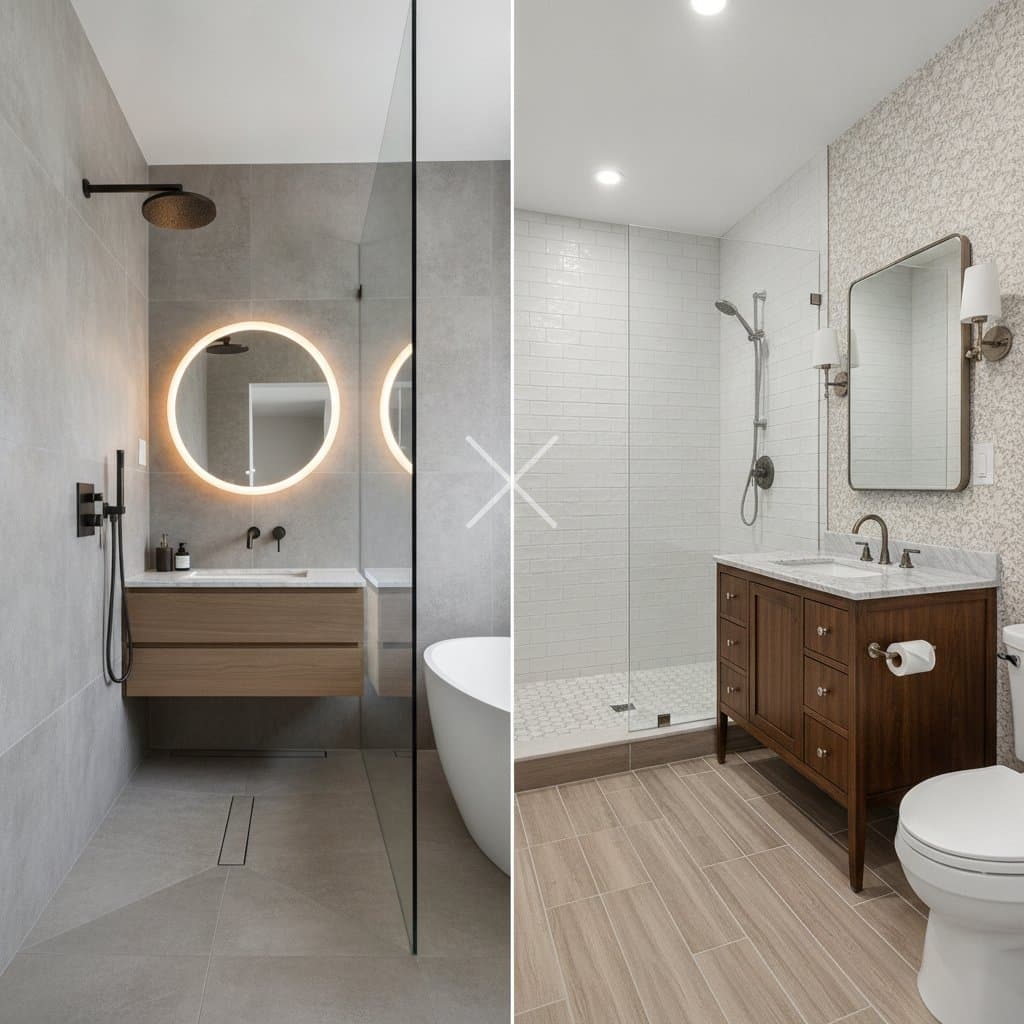
Tile represents one of the largest cost variables. Porcelain or ceramic options remain common and range from 3 dollars to 10 dollars per square foot. Natural stone such as marble or slate spans 10 dollars to 25 dollars per square foot and requires sealing to limit moisture absorption. Smaller mosaic tiles increase installation expenses due to added labor for alignment and grouting.
Drain Type
Linear drains produce a modern appearance and exceed the price of center drains. They range from 400 dollars to 1000 dollars compared with 100 dollars to 300 dollars for standard round drains. Linear drains demand precise placement and waterproofing, which raises labor expenses.
Glass Enclosures
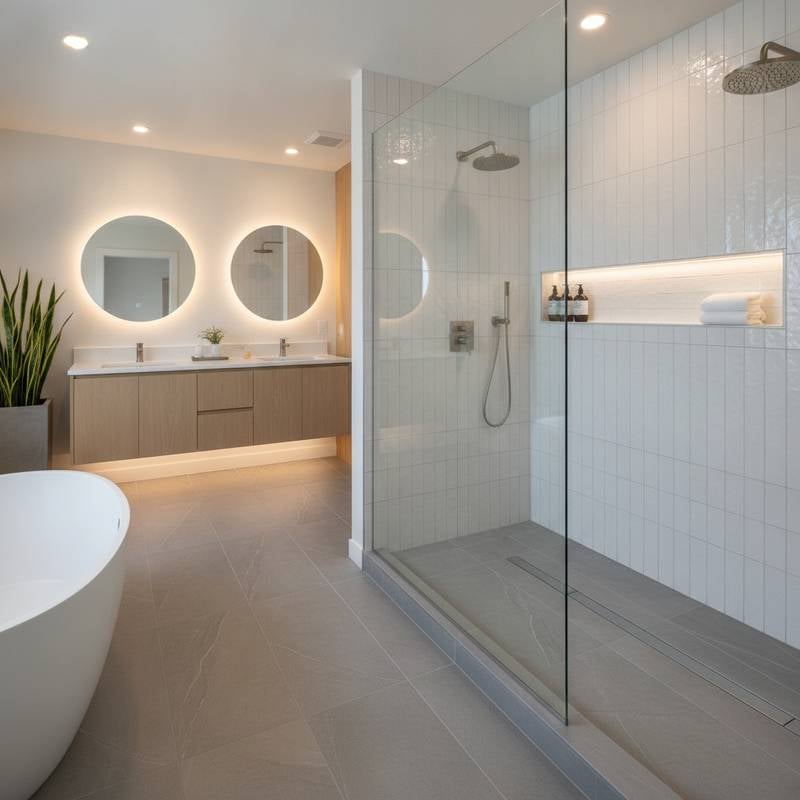
Many wet rooms incorporate frameless glass panels to manage overspray while preserving an open aesthetic. Custom panels exceed the cost of prefabricated versions yet permit exact sizing with minimal hardware. Budget between 1000 dollars and 2500 dollars based on size and thickness.
Return on Investment and Lasting Value
Wet rooms frequently provide strong resale appeal. Buyers view them as premium features that merge style with accessibility. Homeowners often recover 50 to 70 percent of project costs through higher property values and increased buyer interest.
Beyond resale considerations, a curbless shower supplies ongoing practicality. It removes trip hazards, eases cleaning routines, and supports aging in place. These advantages position the upgrade as a sound choice for owners who plan extended residency.
Strategies to Reduce Expenses
- Select porcelain tile rather than stone to lower material costs and simplify upkeep.
- Retain plumbing in the existing location to prevent relocation of supply or drain lines.
- Install partial glass panels instead of full enclosures to cut material expenses.
- Combine the project with a complete bathroom remodel so labor and permits overlap.
Minor choices such as a single drain instead of dual drains can trim costs while preserving design quality.
Partnering with a Qualified Contractor
Projects that require subfloor cutting, drain relocation, or plumbing reconfiguration call for a licensed contractor. Request references, insurance documentation, and prior wet room examples from candidates. Confirm use of quality waterproofing systems and adherence to local codes. A reliable contractor supplies a detailed estimate covering materials, labor, and timeline for accurate bid comparisons.
Addressing Common Concerns
Do curbless showers allow water to spread throughout the space?
Proper design prevents this outcome. A modest floor slope, accurate drain positioning, and a glass panel contain water effectively.
Is installation possible in an upstairs bathroom?
Yes, though adjustments to subfloor height or joist reinforcement may prove necessary to achieve the required slope.
What is the typical installation duration?
Most projects require one to two weeks after demolition starts. Duration depends on tile selection and curing periods.