Understanding 2025 Costs for Aging-in-Place Remodels
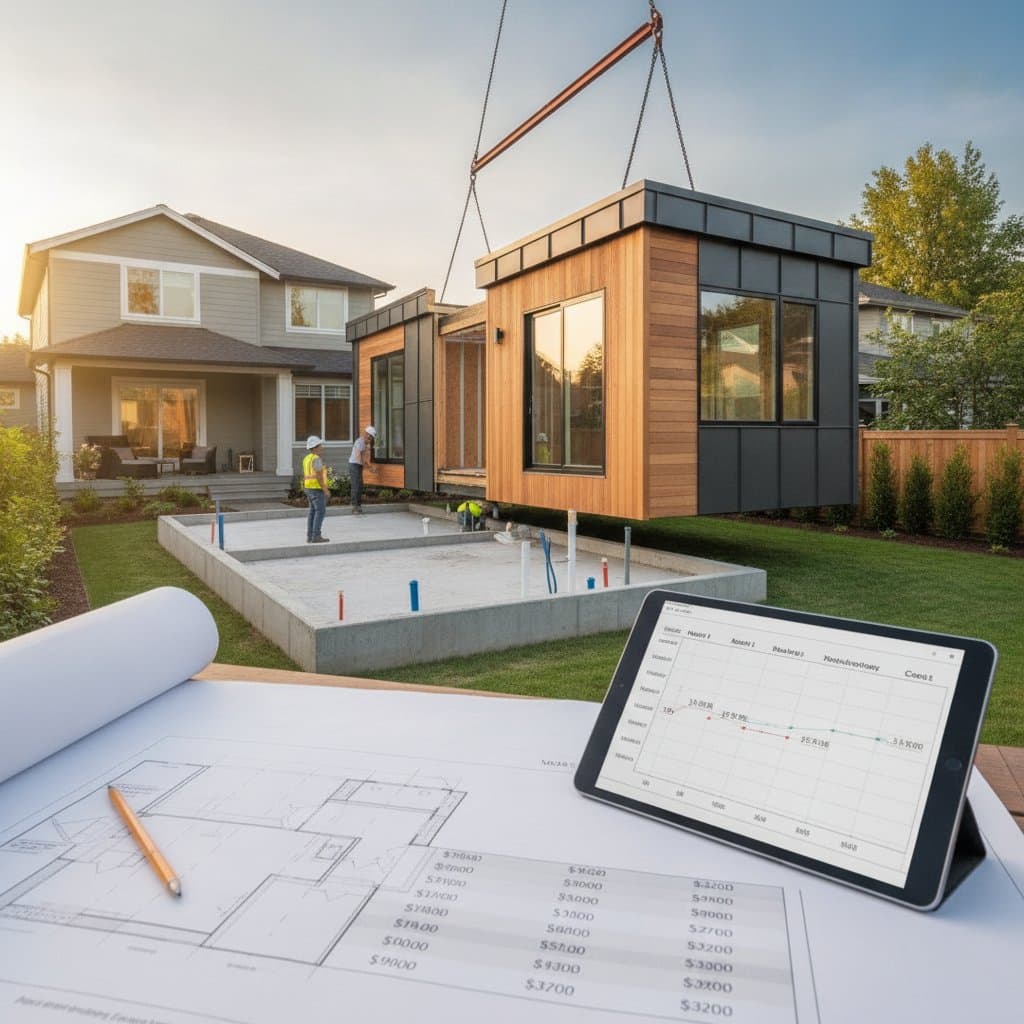
Aging-in-place remodeling modifies homes to support safe, independent living as mobility and health needs evolve. These projects range from minor adjustments to comprehensive overhauls, with costs typically spanning $15,000 to $100,000 based on home size, existing conditions, and upgrade scope. Professional involvement ensures compliance with safety standards, while timelines for full remodels often extend from two to six weeks.
Homeowners with basic skills may manage simple tasks, but complex elements like electrical or structural changes demand licensed experts. Key risks include falls from uneven surfaces, electrical hazards from improper wiring, and reduced accessibility if designs overlook user needs. Prioritizing certified materials and code-compliant installations minimizes these issues and enhances long-term value.
Quick Overview
- Cost Range: $15,000 for basic updates; $100,000 for whole-home transformations.
- Timeline: 2-6 weeks for major projects; shorter for targeted fixes.
- Essential Focus: Bathrooms, kitchens, entries, and lighting for daily safety.
- Professional Needs: Electricians, plumbers, and contractors for regulated work.
- Budget Tip: Allocate 10-15% extra for unforeseen adjustments.
Step-by-Step Guide to Your Remodel
1. Evaluate Current Hazards
Begin by inspecting each room systematically. Identify issues such as narrow doorways under 32 inches, thresholds exceeding half an inch, or lighting below 100 lux in key areas. Document these with photos and measurements to guide planning.
Verification Step: Compile a detailed list prioritizing high-risk zones like stairs or wet areas.
2. Design Accessibility Priorities
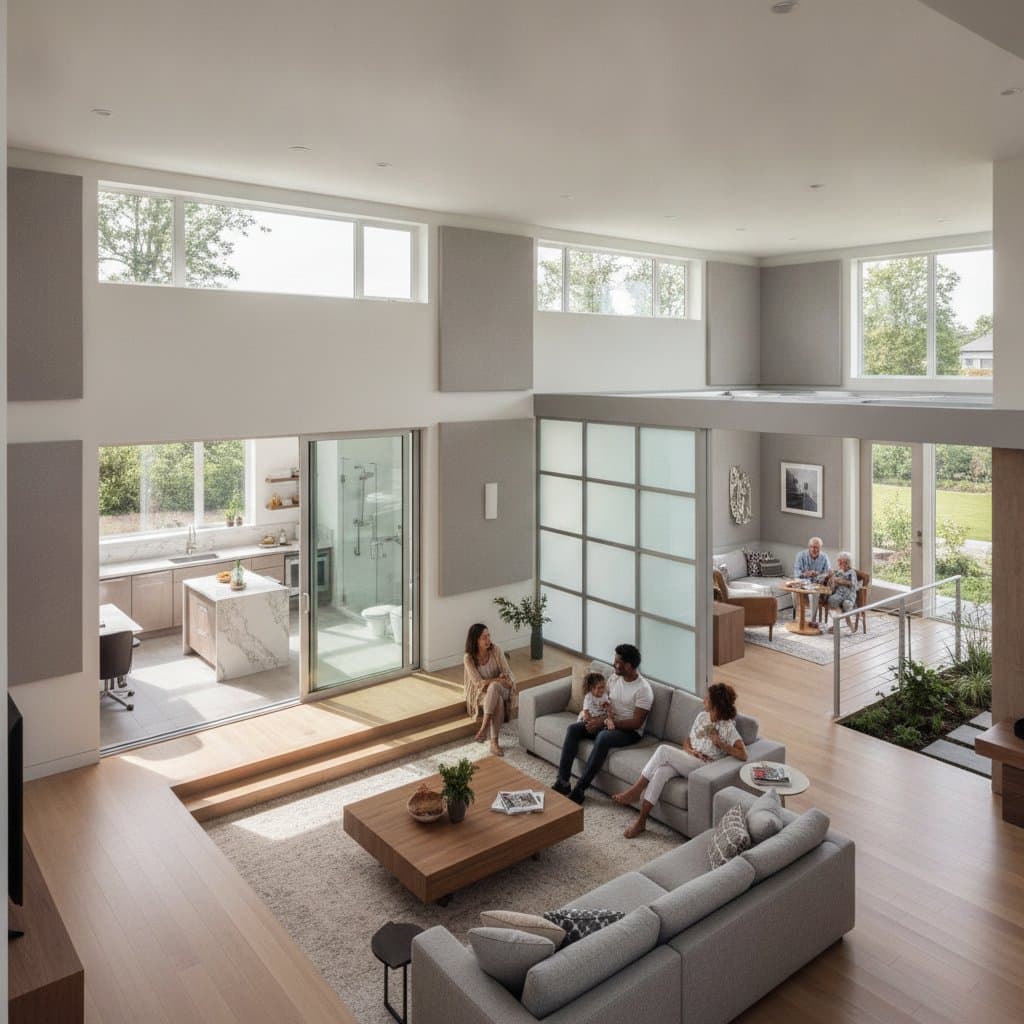
Target primary living spaces first: bathrooms for slip prevention, kitchens for reachable storage, and entries for easy navigation. Sketch preliminary layouts incorporating universal design principles, such as 5-foot turning radii for wheelchairs.
Verification Step: Confirm the plan aligns with your physical requirements and financial limits through a preliminary cost sketch.
3. Establish a Realistic Budget
Break down expenses by category to avoid surprises. Bathroom overhauls often range from $10,000 to $30,000, including grab bars and shower conversions. Kitchen modifications, like adjustable counters, fall between $15,000 and $40,000, while full-home adaptations can reach $50,000 to $100,000.
Factor in material choices: opt for durable, low-maintenance options like vinyl plank flooring over carpet for easier cleaning. Include labor at $50 to $100 per square foot for general work.
Verification Step: Draft a line-item budget with a 10% contingency fund for material fluctuations or delays.
4. Select Qualified Professionals
Engage specialists for regulated tasks to ensure safety and legality. Electricians handle outlet placements compliant with National Electrical Code standards, while plumbers manage drain relocations without compromising water flow.
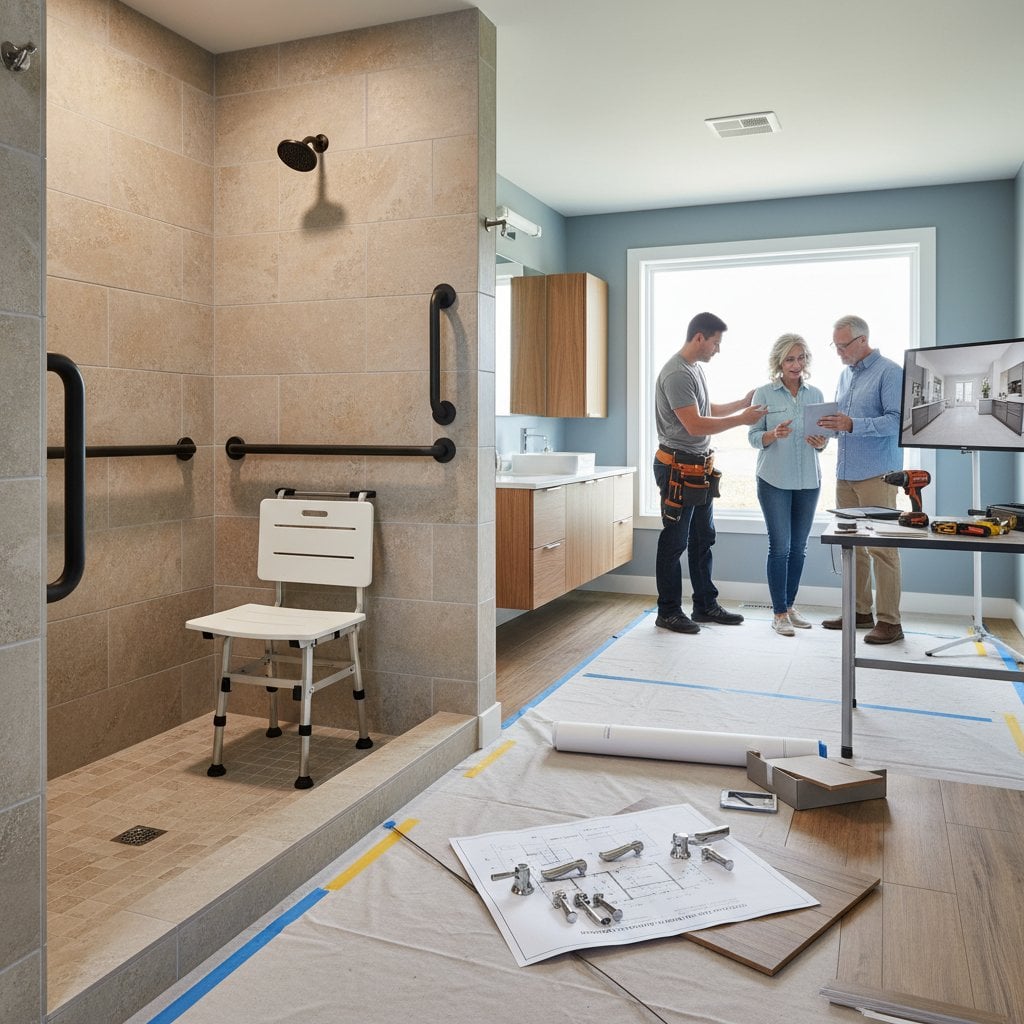
Request multiple bids and verify credentials through state licensing boards. General contractors coordinate multidisciplinary teams, streamlining the process.
Verification Step: Collect documentation of licenses, insurance coverage up to $1 million, and bonds from each hire.
5. Enhance Entryway Accessibility
Install ramps with a maximum slope of 1:12 for gradual inclines, using textured concrete or composite materials for traction. Zero-threshold doors eliminate steps entirely, paired with automatic openers for hands-free access.
These changes reduce strain on joints and prevent trips, particularly for those using mobility aids.
Verification Step: Test the entry for smooth passage, ensuring no gaps wider than a quarter-inch.
6. Expand Doorway Widths
Standardize openings to 36 inches for unobstructed wheelchair movement. This involves removing old frames, adjusting studs, and installing reinforced doors with lever-style handles at 36 to 48 inches high.
Preserve structural integrity by consulting engineers for load-bearing walls.
Verification Step: Verify doors swing fully 90 degrees without obstruction and latch securely.
7. Fortify Bathroom Safety
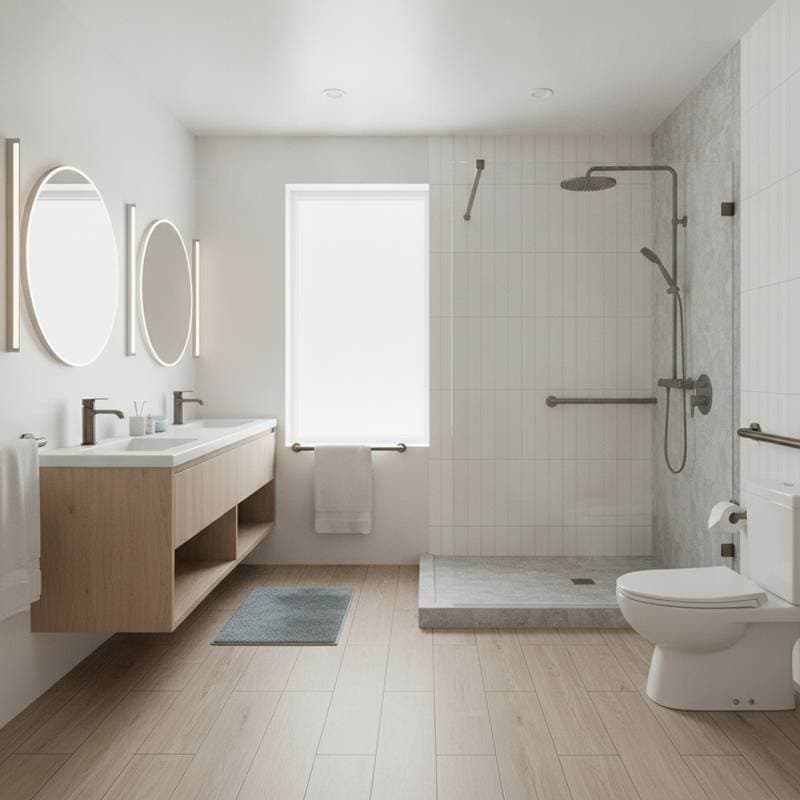
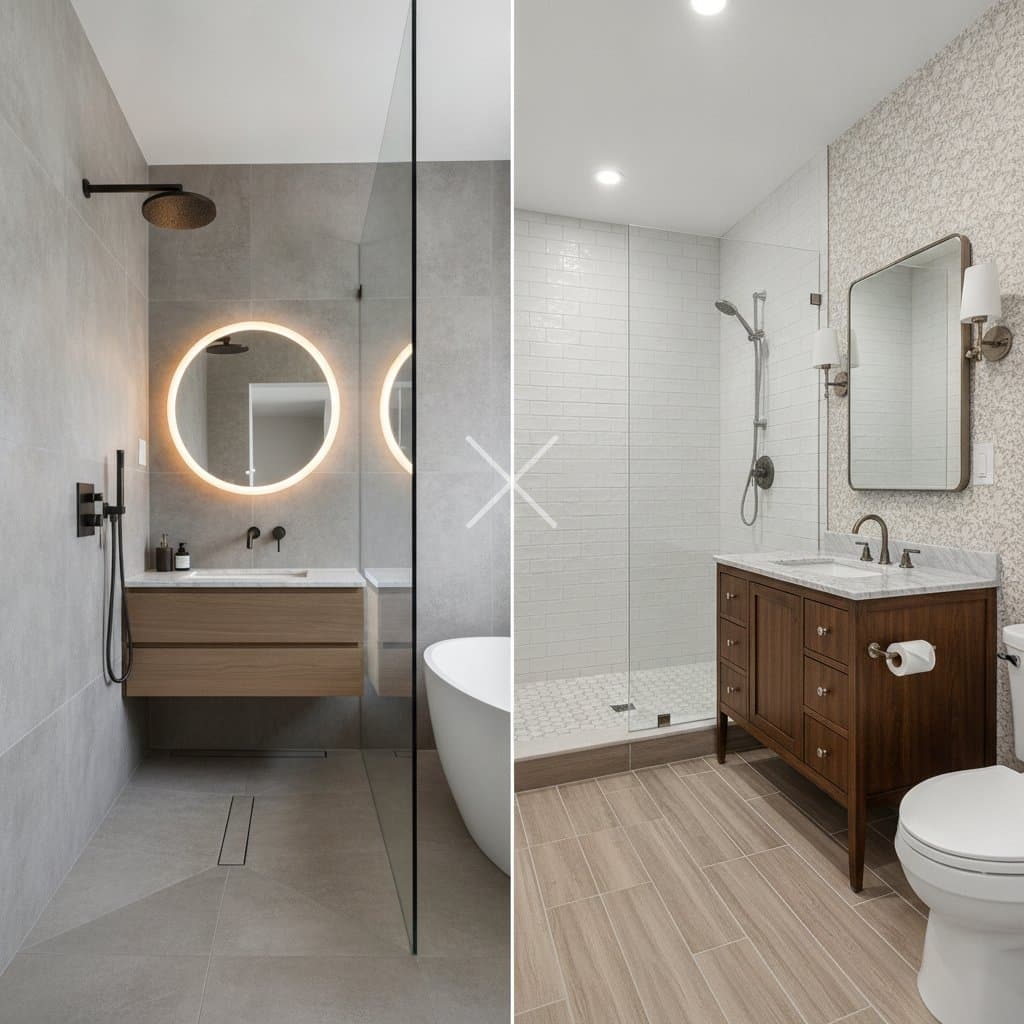
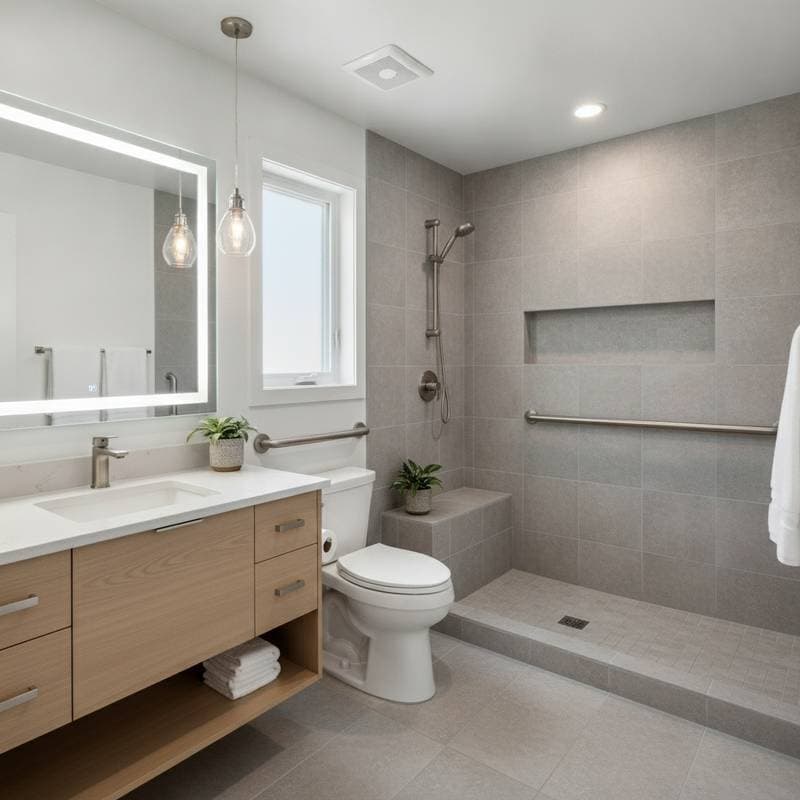
Secure grab bars to wall studs using corrosion-resistant screws rated for 250 pounds. Convert tubs to walk-in showers with linear drains and fold-down seats, incorporating anti-scald valves set below 120 degrees Fahrenheit.
Select flooring with a wet dynamic coefficient of friction above 0.42, such as porcelain tiles with textured surfaces.
Verification Step: Simulate use to confirm stability during transfers and no slippage risks.
8. Adapt Kitchen Ergonomics
Adjust counter heights to 34 inches for seated use, with pull-out shelves and lazy Susans for accessible storage. Install sinks with insulated aprons to allow knee space at 27 inches high and 30 inches wide.
Incorporate touchless faucets and voice-activated appliances to minimize physical effort.
Verification Step: Reach all essentials from standing and seated positions without excessive extension.
9. Optimize Lighting and Controls
Upgrade to LED fixtures providing 3000-4000 Kelvin color temperature for clear visibility without glare. Position switches and outlets at 15 to 48 inches from the floor, following ADA guidelines.
Layer lighting with task, ambient, and accent options controlled via dimmers.
Verification Step: Assess illumination levels with a meter, ensuring at least 200 lux in work zones.
10. Integrate Smart Technology
Add voice-activated systems like smart locks, motion-sensor lights, and fall-detection sensors linked to emergency services. Budget $500 to $2,000 for a basic setup, compatible with platforms such as Alexa or Google Home.
These features enhance monitoring without overwhelming daily routines.
Verification Step: Test integrations for reliable responses and user-friendly interfaces.
Troubleshooting and Quality Assurance
Frequent Challenges and Solutions
Loose fixtures undermine safety; secure grab bars with toggle bolts if studs are inaccessible, supporting up to 300 pounds. Address flooring inconsistencies by applying self-leveling underlayment before new installations.
For shower leaks, apply 100% silicone sealant along joints, allowing 24 hours to cure. Regularly inspect for wear in high-traffic areas.
Everyday Maintenance Tips
Swap incandescent bulbs for LEDs matching 800-1000 lumens to sustain brightness. Lubricate door hinges annually with graphite spray to prevent sticking. Check cabinet pulls quarterly, tightening as needed to maintain functionality.
Markers of a Successful Project
Navigation feels intuitive, with no awkward maneuvers required. Fixtures withstand normal use without wobbling, and lighting supports tasks like reading or cooking effectively. Overall, the home promotes confidence and ease.
Guidance on Professional Involvement
When Expertise Is Essential
Engage professionals for any electrical modifications, such as adding GFCI outlets in wet zones. Plumbing tasks like rerouting pipes for barrier-free showers demand certified handling to avoid backups.
Structural alterations, including doorway enlargements, require permits and inspections. For intricate designs, seek Certified Aging-in-Place Specialists (CAPS) designation.
Hourly and Project Rates
Electricians charge $75 to $120 per hour, often with a $100 minimum. Plumbers range from $80 to $150 hourly, depending on location. Full remodels via general contractors cost $50 to $100 per square foot, inclusive of oversight.
Vetting Process for Contractors
- Solicit three detailed bids outlining scope, timeline, and pricing.
- Verify active licenses and liability insurance exceeding project value.
- Contact at least three recent references for aging-in-place work.
- Examine portfolios for ADA-compliant features and code adherence.
- Ensure contracts specify warranties, change order protocols, and completion dates.
Frequently Asked Questions
What does aging-in-place remodeling entail?
It involves targeted home modifications to accommodate aging-related changes, emphasizing safety features like wider paths and supportive fixtures for prolonged independent living.
Which tasks suit DIY efforts?
Straightforward projects such as installing lever handles, adding non-slip mats, or swapping bulbs work well for skilled individuals. Reserve plumbing, electrical, and framing for licensed experts to prevent hazards.
Are building permits required?
Yes, for alterations affecting structure, utilities, or egress. Consult local building departments early to understand fees and inspection schedules.
What influences the highest expenses?
Custom bathroom and kitchen adaptations, along with entry ramps, account for the bulk due to labor and specialized materials.
Exist grants for these upgrades?
Certain programs through HUD or state agencies provide funding for low-income households. Inquire with area agencies on aging for eligibility details.
How durable are these modifications?
Quality installations endure 15-20 years with routine care, though technology integrations may need updates every 5-10 years.
Can everyday materials suffice?
Absolutely, provided they satisfy safety benchmarks like ASTM standards for slip resistance and load-bearing capacity.
Does this boost property value?
Often yes, as accessible designs attract diverse buyers, potentially increasing marketability by 10-20% in aging populations.
Implementing Your Accessibility Plan
Start with high-impact areas to maximize immediate benefits, securing professional input from the outset. Choose materials that balance aesthetics with functionality, such as matte finishes that hide wear. Regular evaluations post-installation ensure adaptations evolve with needs, safeguarding health and autonomy for decades ahead.