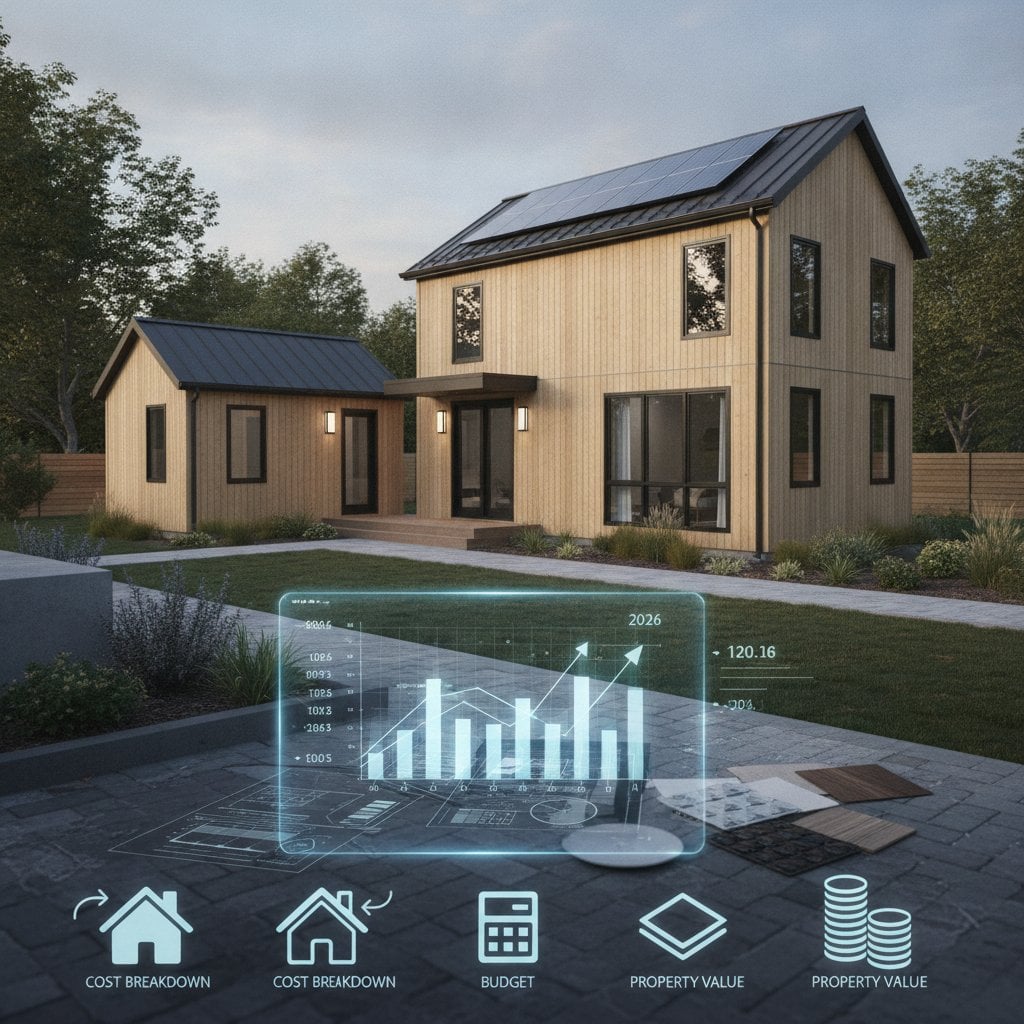
Expected 2026 Costs for Building Granny Pods and ADUs
Adding a granny pod or accessory dwelling unit expands living space and creates options for family or income. This guide outlines 2026 construction costs, explains how design and site factors shape pricing, and provides practical steps to control expenses.
Accurate cost knowledge supports confident planning and reduces surprises during the build process.
Definitions and Core Differences
A granny pod is a compact, independent living unit placed near the primary home. It typically contains a bedroom, bathroom, kitchenette, and living area. ADUs encompass similar spaces but appear in varied forms such as detached cottages, garage conversions, or attached additions.
Both unit types function as fully code compliant residences. Size, layout complexity, and material selections drive the majority of cost differences.
Price Ranges by Unit Type
Project costs vary according to construction method and finish level.
- Basic prefabricated units range from 85000 to 150000 dollars including delivery, foundation work, and utility hookups.
- Custom site built ADUs typically total 180000 to 350000 dollars depending on square footage and upgrades.
- Garage conversions often fall between 60000 and 120000 dollars because the existing structure reduces foundation and framing expenses.
- Attached additions generally cost 140000 to 280000 dollars and require careful integration with the main residence.
Detailed Cost Categories
Site Preparation
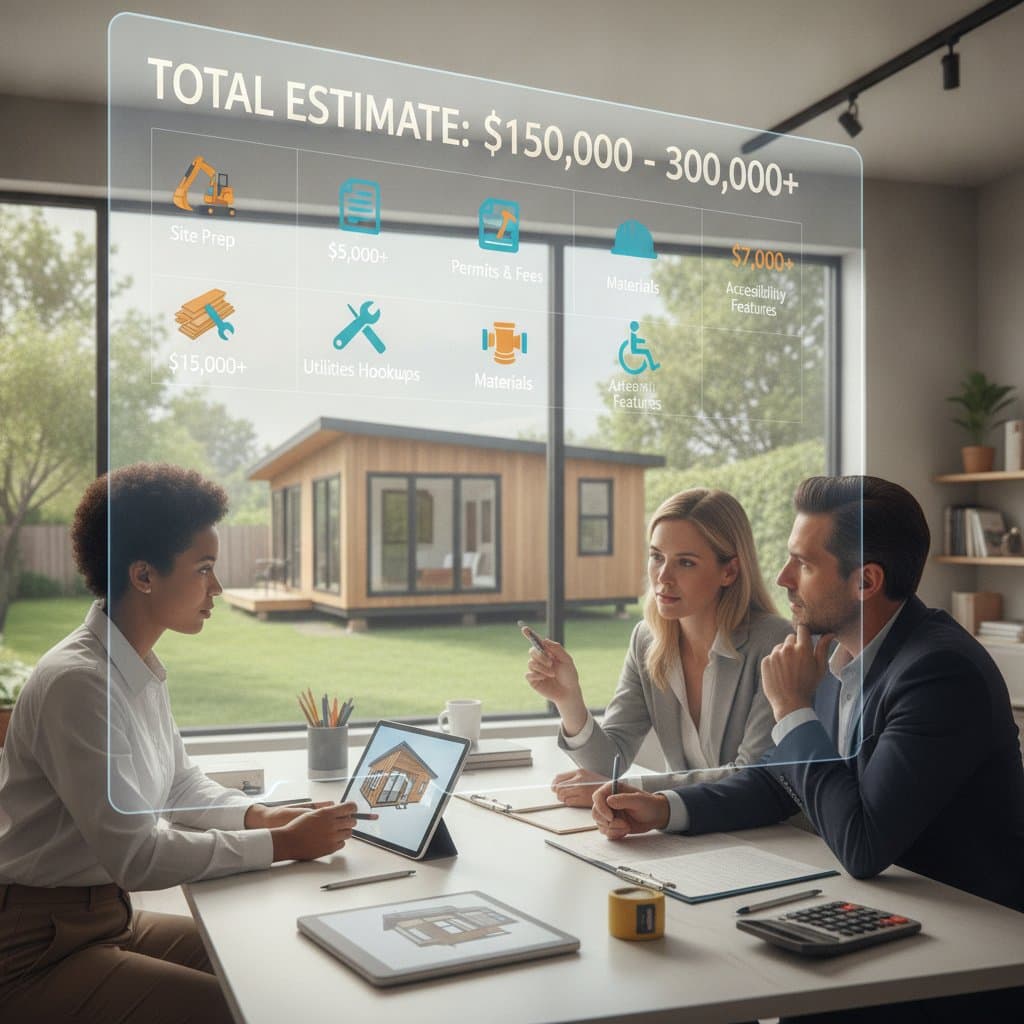
Leveling, grading, and vegetation removal usually require 3000 to 8000 dollars. Retaining walls, drainage systems, or utility trenching increase this amount when site conditions demand them.
Design and Permitting
Architectural fees, engineering stamps, and permit costs average 8000 to 18000 dollars. Local energy codes or septic reviews can add several thousand more.
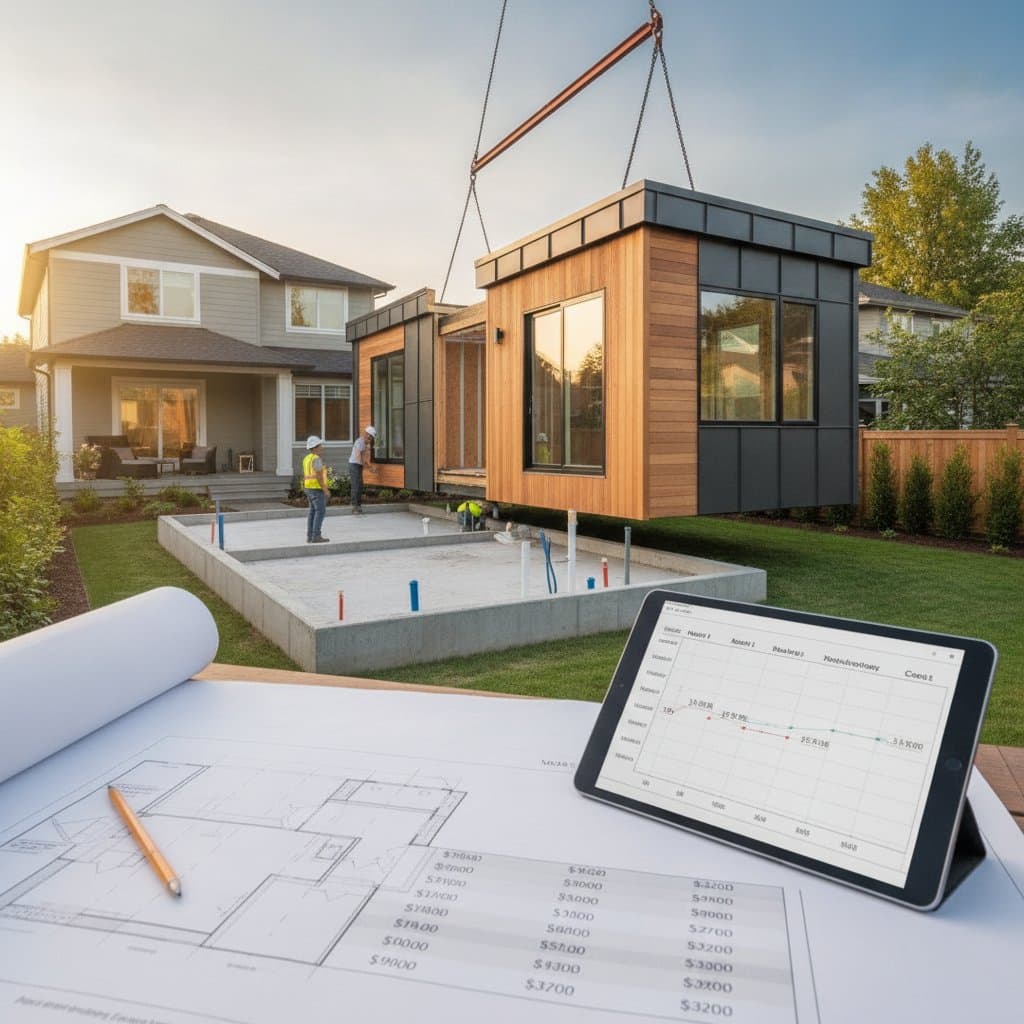
Foundation and Framing
Slab foundations cost less than crawl spaces or pier systems. Framing expenses rise with complex rooflines or nonstandard layouts. Simple rectangular designs keep labor hours lower.
Exterior Finishes
Durable options such as fiber cement siding and standing seam metal roofing raise initial outlay yet reduce future maintenance. Quality windows improve energy performance while increasing upfront spending.
Interior Systems
Plumbing, electrical, and HVAC work represent a large budget share. Compact layouts and connections to existing lines help limit these costs when codes permit.
Finishes and Fixtures
Flooring, cabinetry, and appliances allow personalization. Mid grade durable materials balance appearance with long term value.
Utility Connections
Trenching and new meter installations typically add 4000 to 12000 dollars depending on distance from the main house.
External Factors That Influence Price
Zoning rules set size and placement limits while labor availability and material price swings affect timelines and totals. Energy efficiency upgrades raise construction costs yet lower operating expenses over time.
Prefabricated Versus Custom Construction
Factory built units reach completion faster and suit tight schedules, though they offer limited floor plan choices. Custom builds adapt precisely to site conditions and architectural style, often delivering higher long term property value.
Design Decisions With Cost Impact
- Smaller footprints between 400 and 600 square feet control material quantities.
- Simple roof forms reduce both labor and material expenses.
- Open interior layouts decrease wall framing needs.
- Accessibility features require added planning yet improve usability for many occupants.
Steps to Manage Project Costs
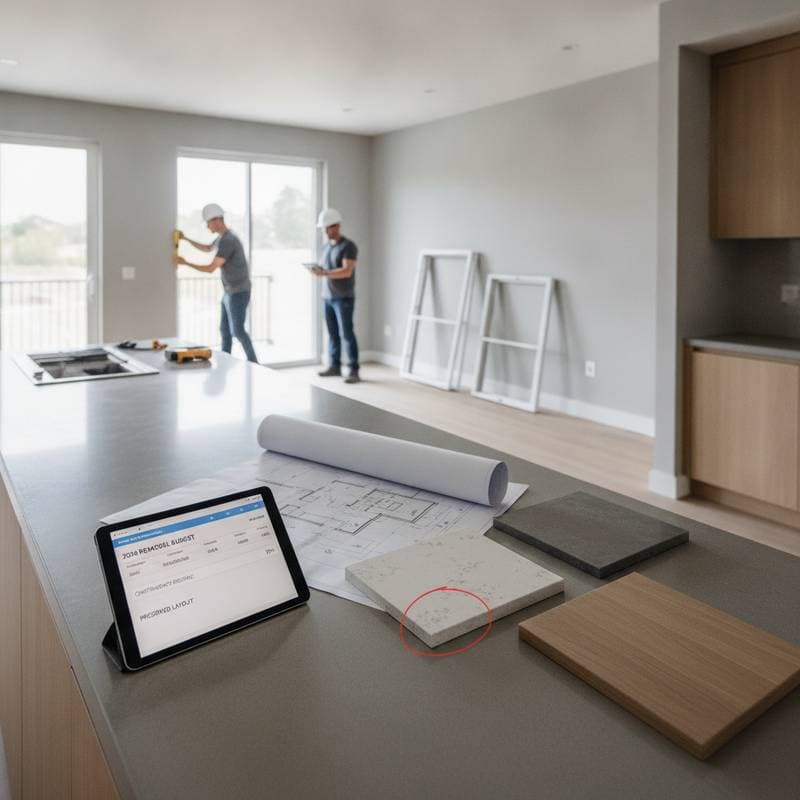
Obtain detailed bids from three or more licensed contractors. Reserve at least ten percent of the budget for unforeseen conditions. Select standard dimensions and locally stocked materials to avoid shipping delays. Schedule work during slower construction periods when labor rates may be lower.
Professional Involvement Requirements
Licensed contractors must handle structural, electrical, and plumbing work to satisfy code standards. Homeowners can manage cosmetic tasks such as painting or landscaping after major systems pass inspection.
Lasting Property Benefits
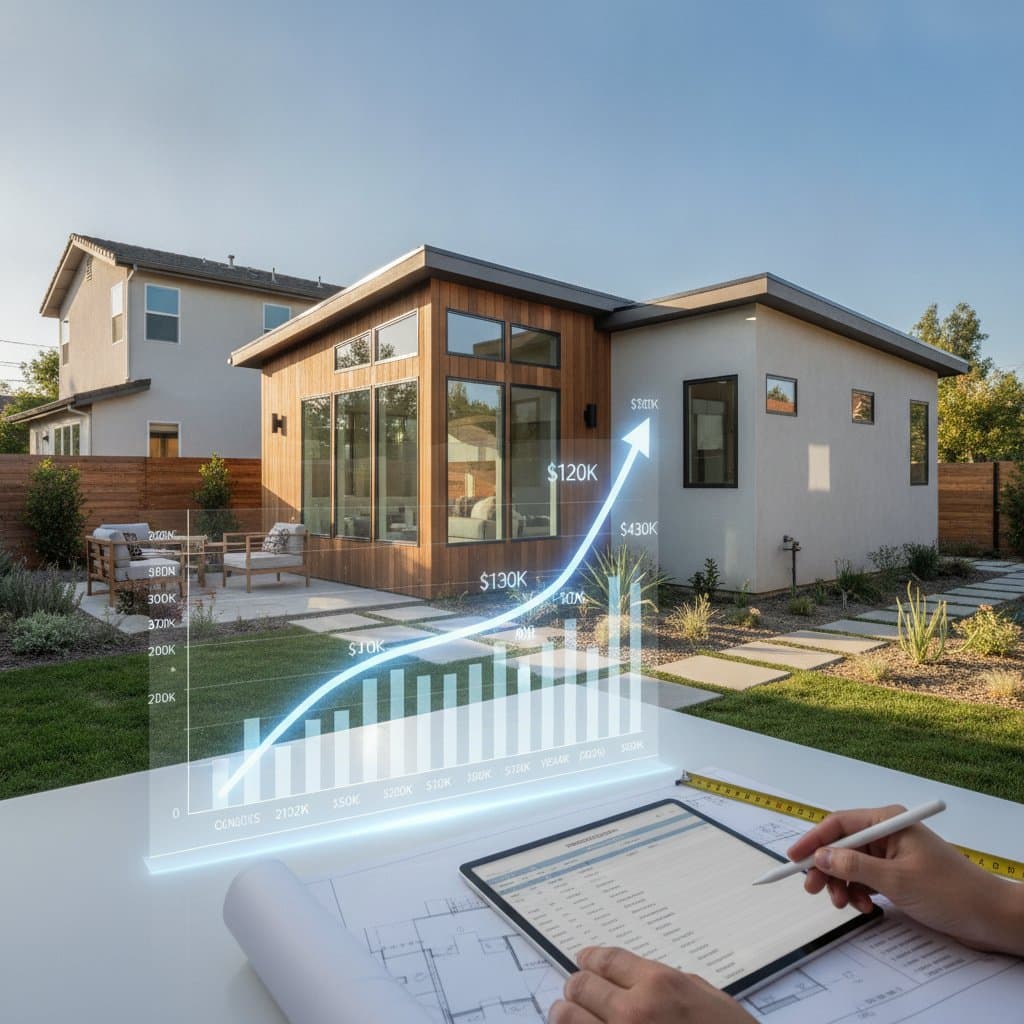
A well executed unit increases resale appeal and can generate rental income. Regular inspections of roofing, siding, and mechanical systems protect the investment and maintain energy efficiency throughout ownership.