Understanding ADU Costs in 2026
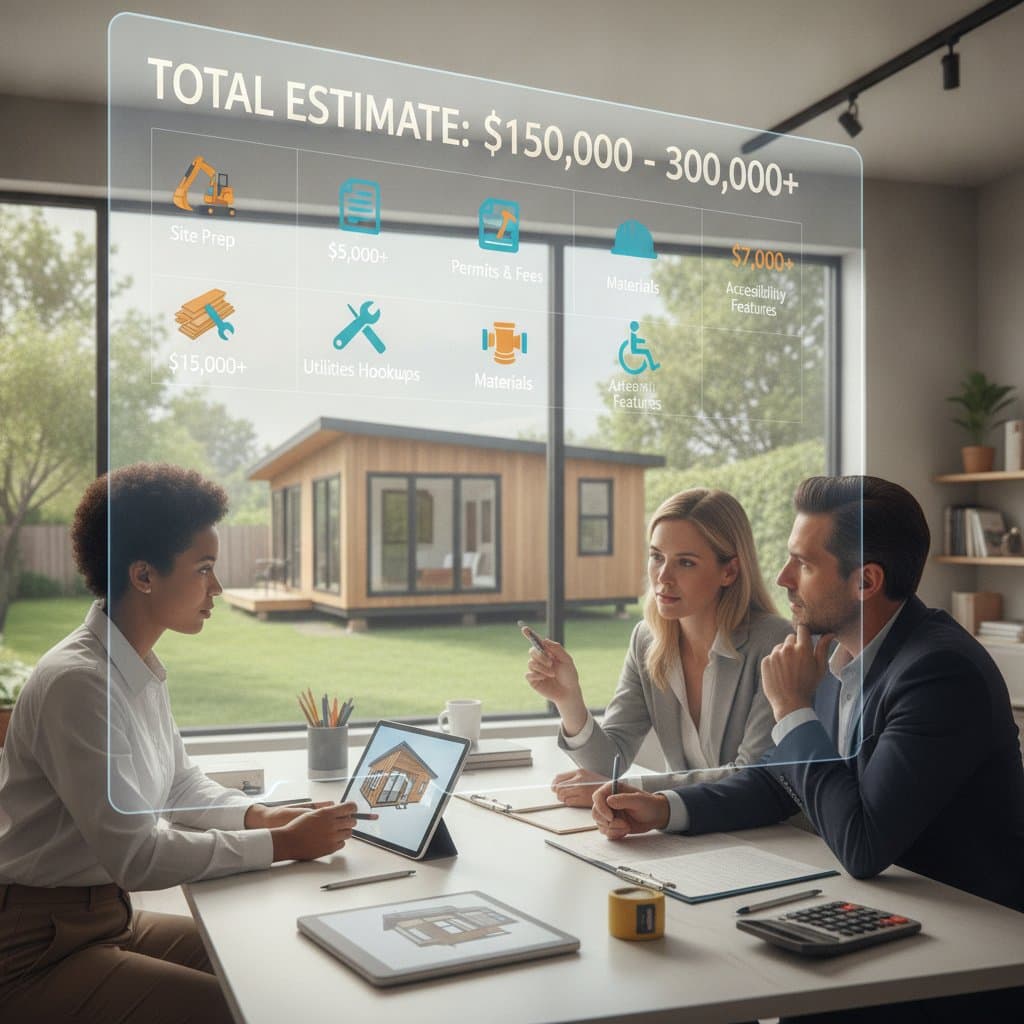
Accessory Dwelling Units (ADUs) offer homeowners versatile options for additional living space, such as backyard cottages or garage conversions. In 2026, the costs to build an ADU typically range from $150,000 to $350,000, depending on several key factors. This guide explores these expenses in detail, helping you plan a budget that aligns with your needs and goals.
What Influences ADU Construction Costs?
Several elements determine the final price of an ADU project. Location plays a significant role, as urban areas often involve higher labor and permitting fees compared to rural settings. The size of the unit, measured in square footage, directly impacts material and construction expenses; a compact 400-square-foot studio costs less than a 1,000-square-foot two-bedroom unit.
Design complexity adds another layer of variability. Simple, rectangular structures with basic finishes keep costs down, while custom features like vaulted ceilings or energy-efficient systems increase the budget. Site preparation, including grading, utility connections, and foundation work, can vary widely based on soil conditions and existing infrastructure.
Breaking Down Average Costs by Type
Garage conversions represent the more affordable end of the spectrum, often starting at $150,000. These projects leverage existing structures, minimizing foundation and framing needs. Expect to spend on electrical upgrades, insulation, and interior finishes to meet modern building codes.
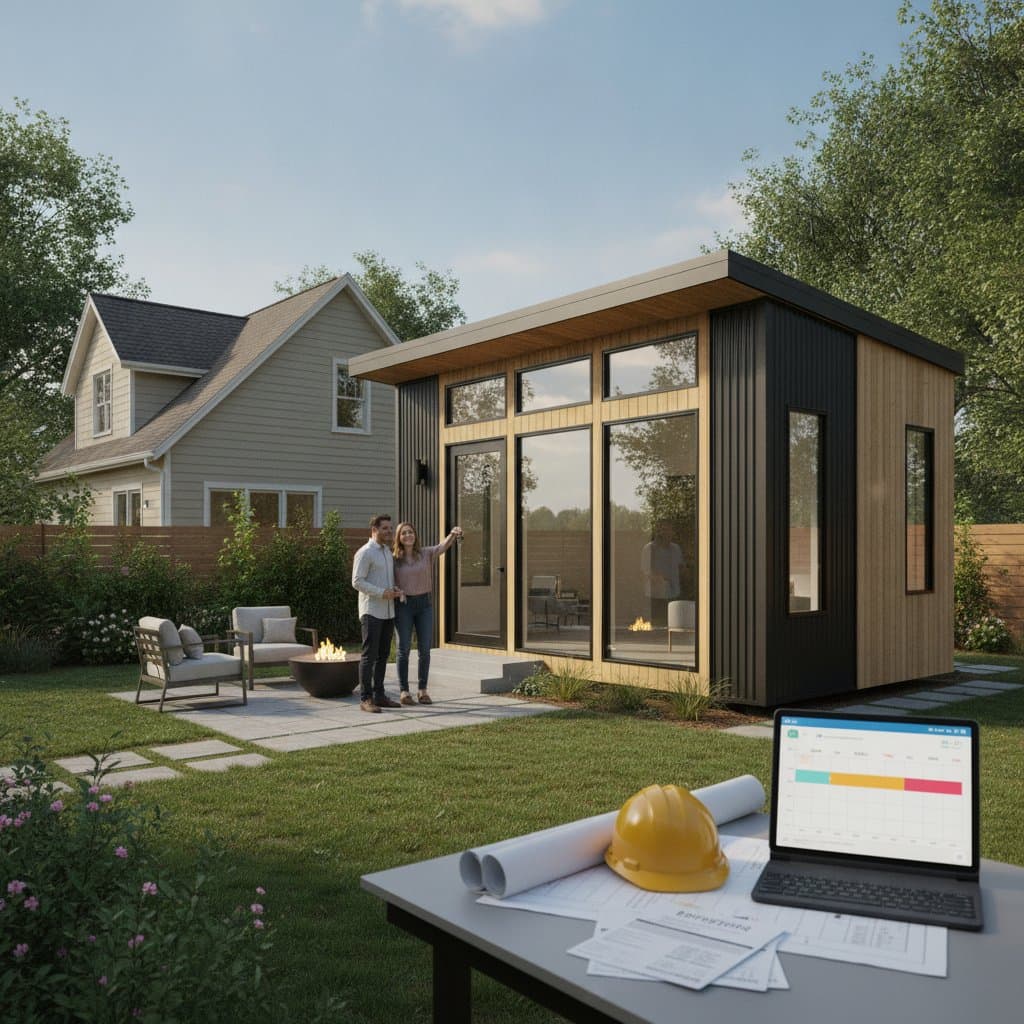
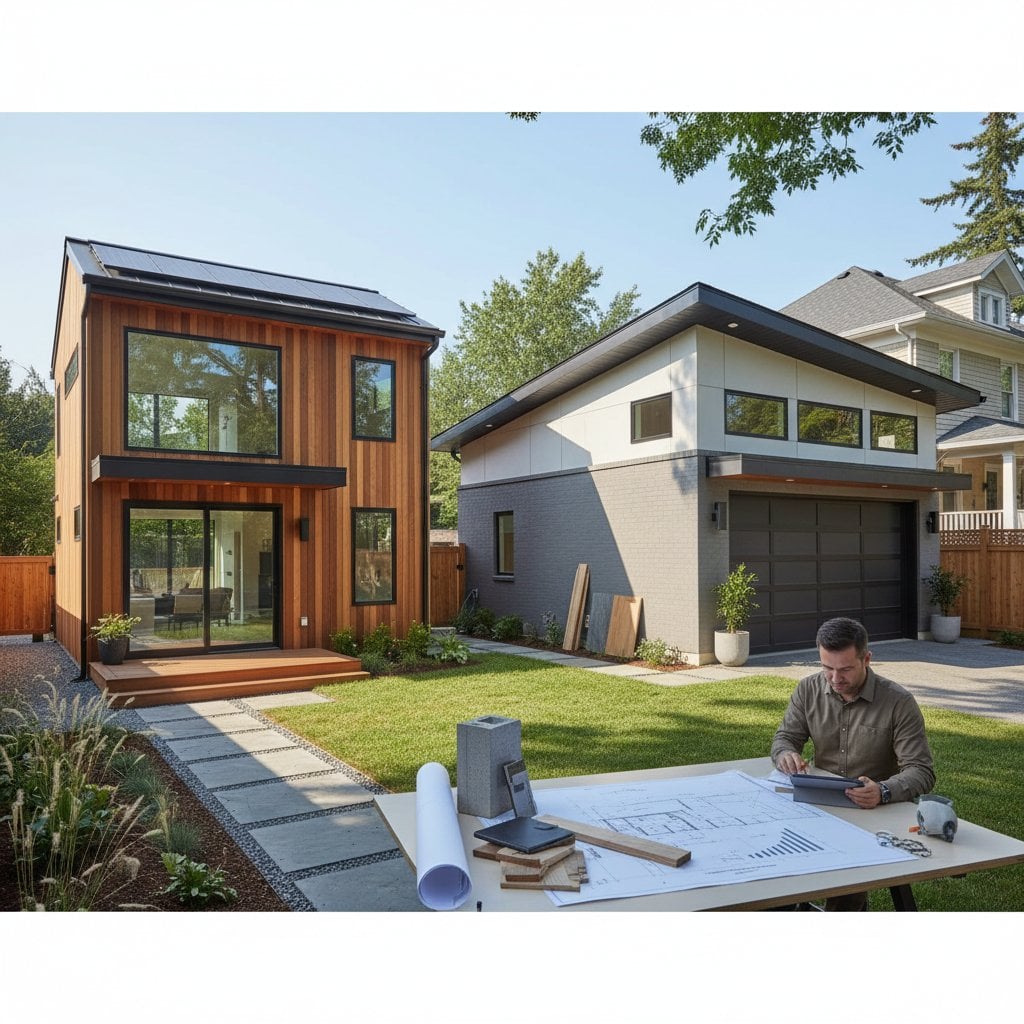
Backyard cottages or detached units fall in the mid-to-high range, around $250,000 to $350,000. These require full construction from the ground up, including plumbing, HVAC, and roofing. Premium materials such as hardwood flooring or solar panels can push costs toward the upper limit.
Cost Components in Detail
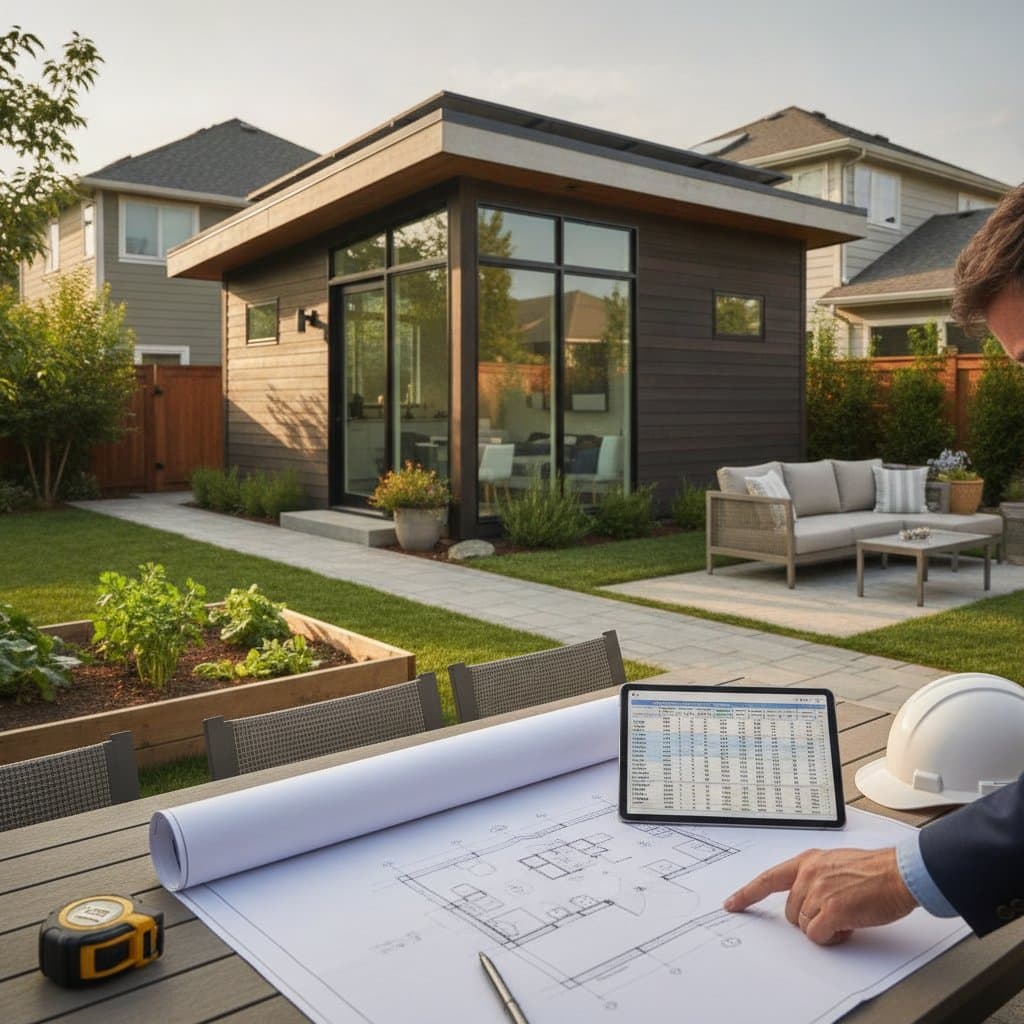
- Permitting and Design Fees: Budget $5,000 to $15,000 for architectural plans and local approvals. Regulations vary by municipality, so early consultation with authorities saves time and money.
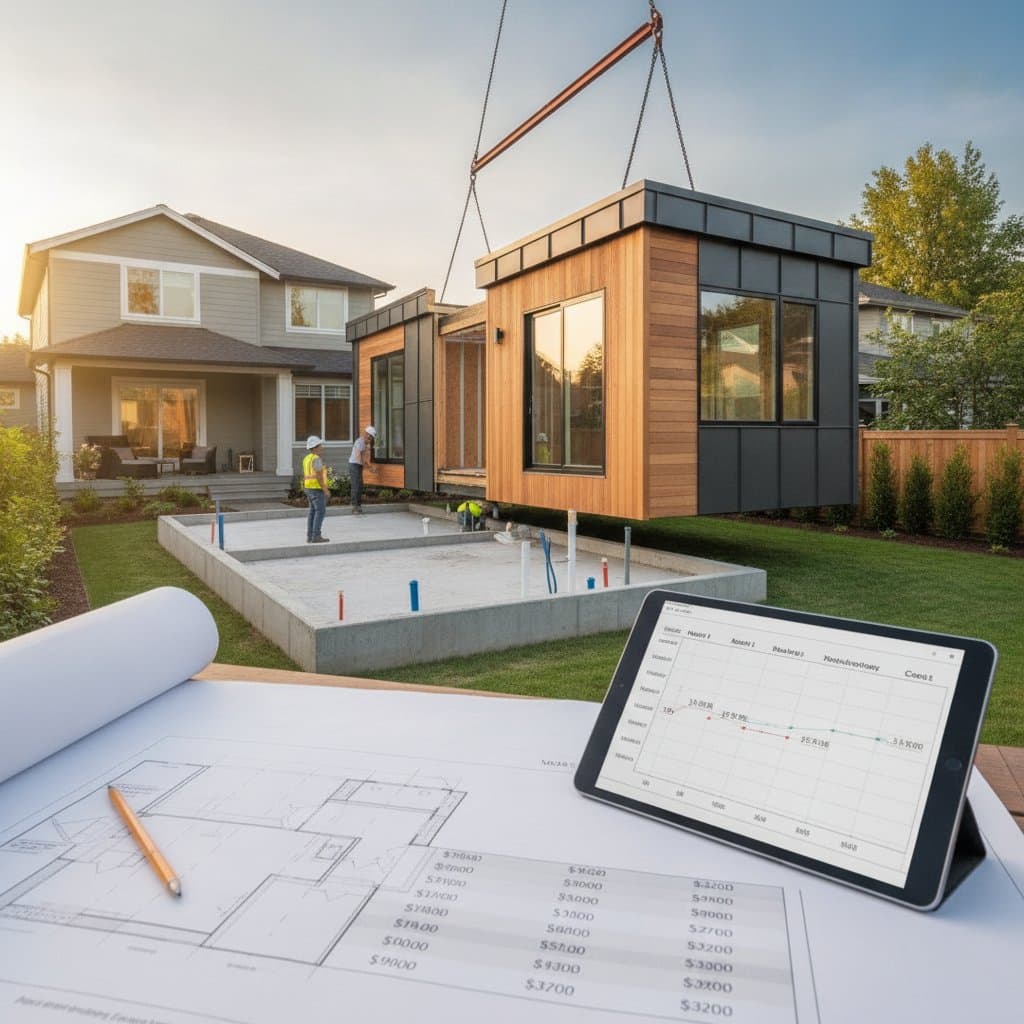
- Foundation and Framing: This foundational work costs $20,000 to $50,000, influenced by site challenges like slopes or poor soil.
- Utilities and Systems: Plumbing, electrical, and heating installations range from $30,000 to $60,000. Connecting to the main home or municipal lines adds complexity.
- Interior and Exterior Finishes: Materials and labor here account for $50,000 to $100,000. Opt for durable, low-maintenance options to balance aesthetics and longevity.
- Labor and Contingencies: Professional builders charge $100 to $200 per square foot. Set aside 10 to 15 percent for unexpected issues.
DIY Options Versus Hiring Professionals
Homeowners with construction experience might consider DIY approaches to reduce costs, potentially saving 20 to 30 percent on labor. Tasks like painting or basic landscaping suit this method, but structural elements demand expertise to ensure safety and code compliance. Permits often require licensed oversight, limiting full DIY feasibility.
Hiring a professional team provides reliability and warranties, justifying the higher upfront investment. Reputable contractors manage timelines and subcontractors, reducing risks of delays or errors. Compare bids from at least three firms to secure competitive pricing.
Strategies to Control and Reduce Expenses
Start with a clear scope to avoid scope creep during construction. Prioritize essential features, such as open floor plans that maximize space without excess square footage. Energy-efficient designs qualify for rebates, offsetting costs through lower utility bills over time.
Source materials strategically; bulk purchases or reclaimed items lower expenses without sacrificing quality. Phased construction, like building the shell first and finishing interiors later, spreads payments. Consult financial advisors early to explore loans or incentives tailored to ADU projects.
Long-Term Value and Returns
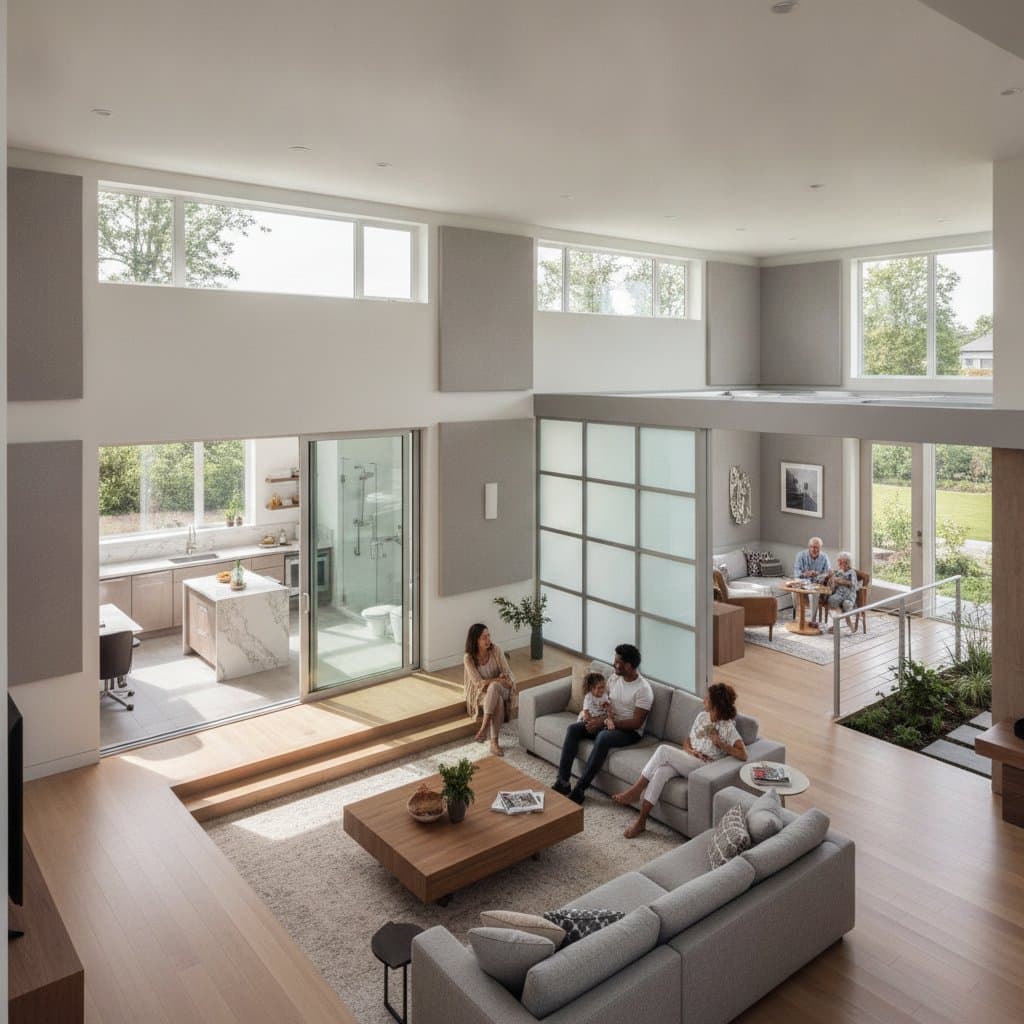
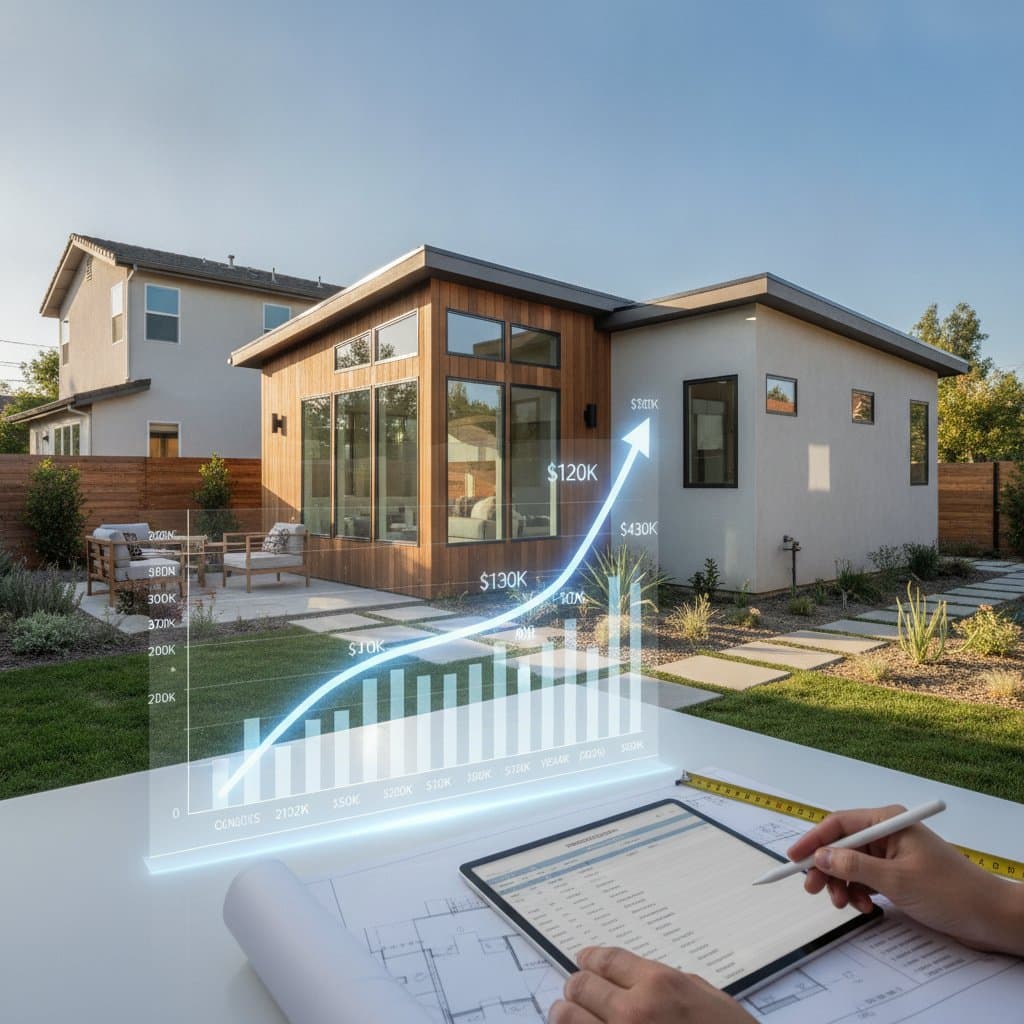
Investing in an ADU yields benefits beyond initial costs, including increased property value and rental income potential. A well-designed unit enhances livability for multigenerational families or guests. Focus on durable construction to ensure the space serves your needs for decades, providing both comfort and financial security.