Understanding ADU Costs in 2025
Accessory Dwelling Units (ADUs) provide versatile solutions for homeowners. These structures, often called granny flats or backyard cottages, serve purposes such as housing family members or generating rental income. In 2025, building an ADU demands careful financial planning due to rising material and labor costs.
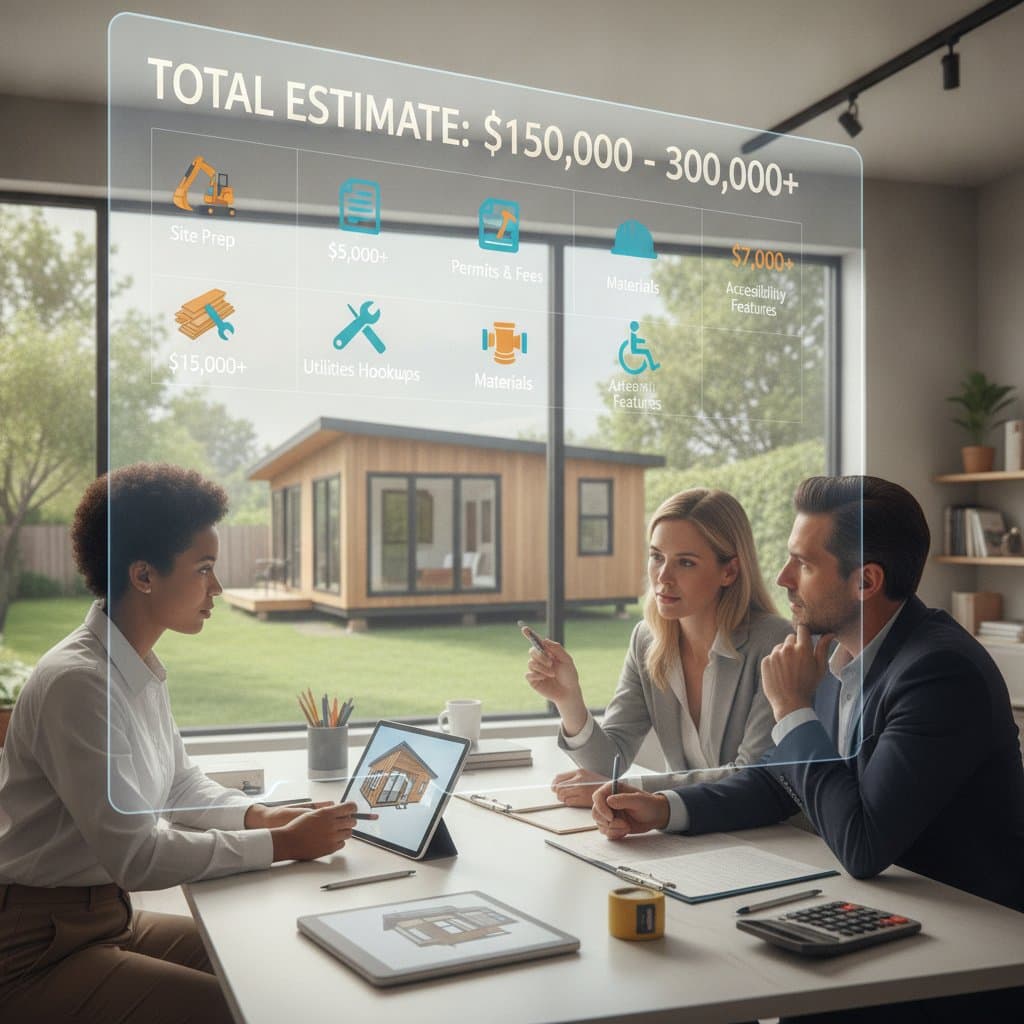
The overall expense varies widely based on design and location. Basic conversions might start at $90,000, while custom detached units can reach $400,000. This guide explores these costs in detail to help you budget effectively.
Types of ADUs and Their Cost Ranges
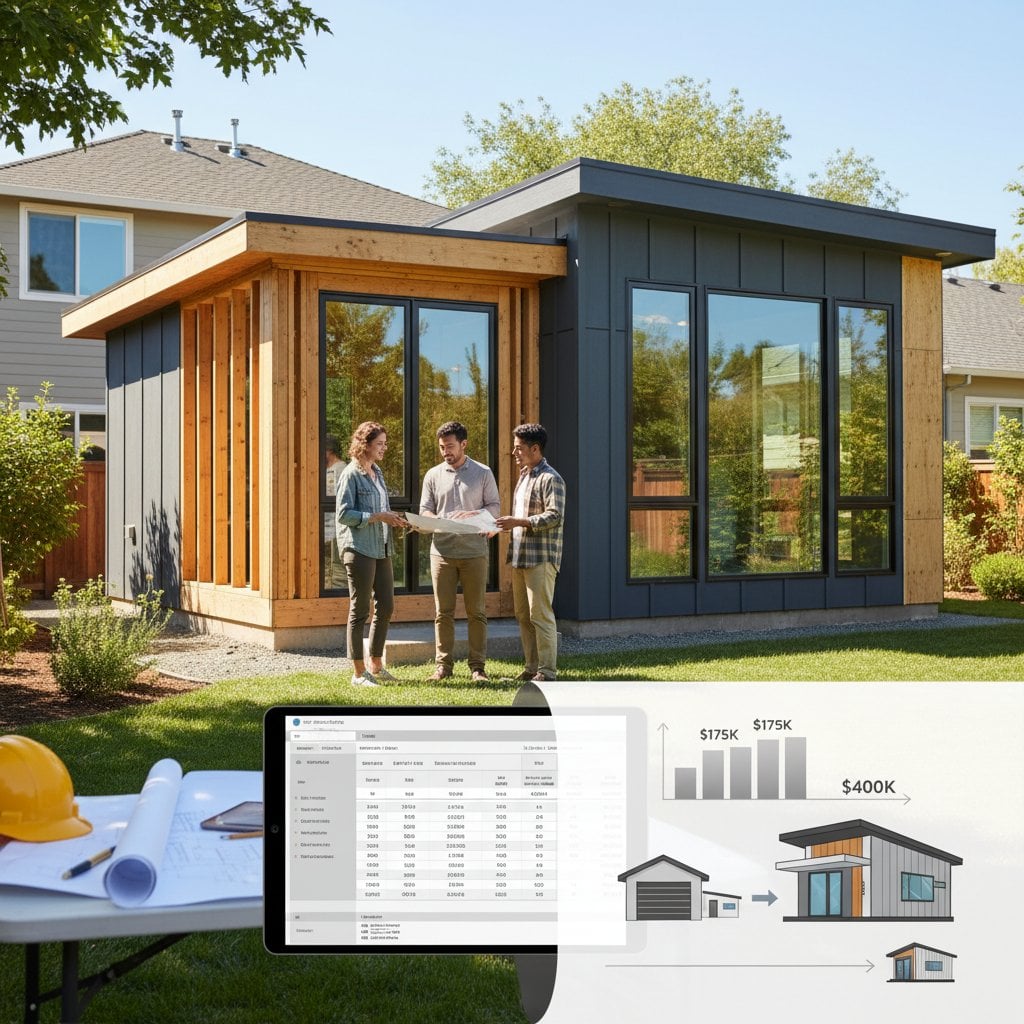
ADUs come in several configurations, each with distinct pricing. Garage conversions represent the most affordable option, typically ranging from $90,000 to $150,000. These projects leverage existing foundations, reducing groundwork expenses.
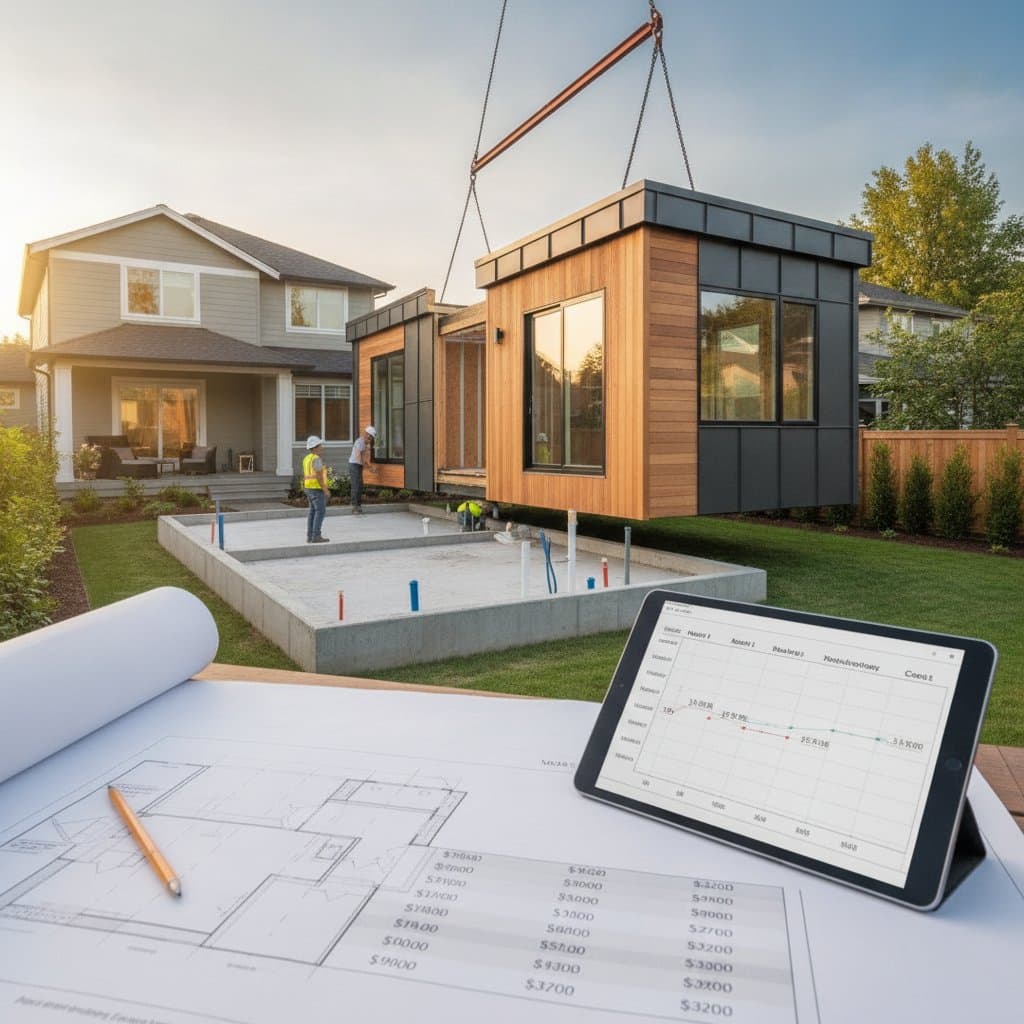
Attached ADUs, built onto the primary residence, cost between $175,000 and $250,000. They integrate seamlessly with the home but require structural modifications. Detached ADUs, standalone buildings, fall in the $250,000 to $400,000 range due to full site preparation and utilities installation.
Junior ADUs, compact units within the main house, offer a lower entry point at $50,000 to $100,000. However, they suit smaller spaces and may limit privacy. Select the type that aligns with your property and needs to optimize value.
Key Factors Driving ADU Expenses
Location significantly impacts total costs. Urban areas with high land values and strict codes add 20 to 30 percent to the budget. Rural settings often prove more economical, though utility extensions can offset savings.
Size and features determine material outlays. A 500-square-foot basic unit requires fewer resources than a 1,000-square-foot model with premium finishes. Expect $200 to $300 per square foot for construction, including insulation, roofing, and plumbing.
Labor rates fluctuate by region and contractor expertise. Skilled teams ensure quality but charge $100 to $200 per hour. Material choices, such as energy-efficient windows or sustainable siding, elevate prices yet yield long-term savings on utilities.
Site-specific challenges, like soil testing or grading, add unforeseen expenses. Budget an additional 10 to 15 percent for contingencies to cover these variables.
Navigating Permits and Regulations
Permitting forms the foundation of any ADU project. Local zoning laws dictate setbacks, height limits, and occupancy rules. Research your municipality's requirements early to avoid delays.
Submit detailed plans, including architectural drawings and engineering reports, to the building department. Fees range from $1,000 to $5,000, depending on complexity. Approval processes take 4 to 12 weeks, so factor this into your timeline.
Compliance with energy codes and accessibility standards is mandatory. Hire a licensed architect or consultant to streamline applications. Non-compliance risks fines or demolition orders, underscoring the need for professional guidance.
Project Timelines and Milestones
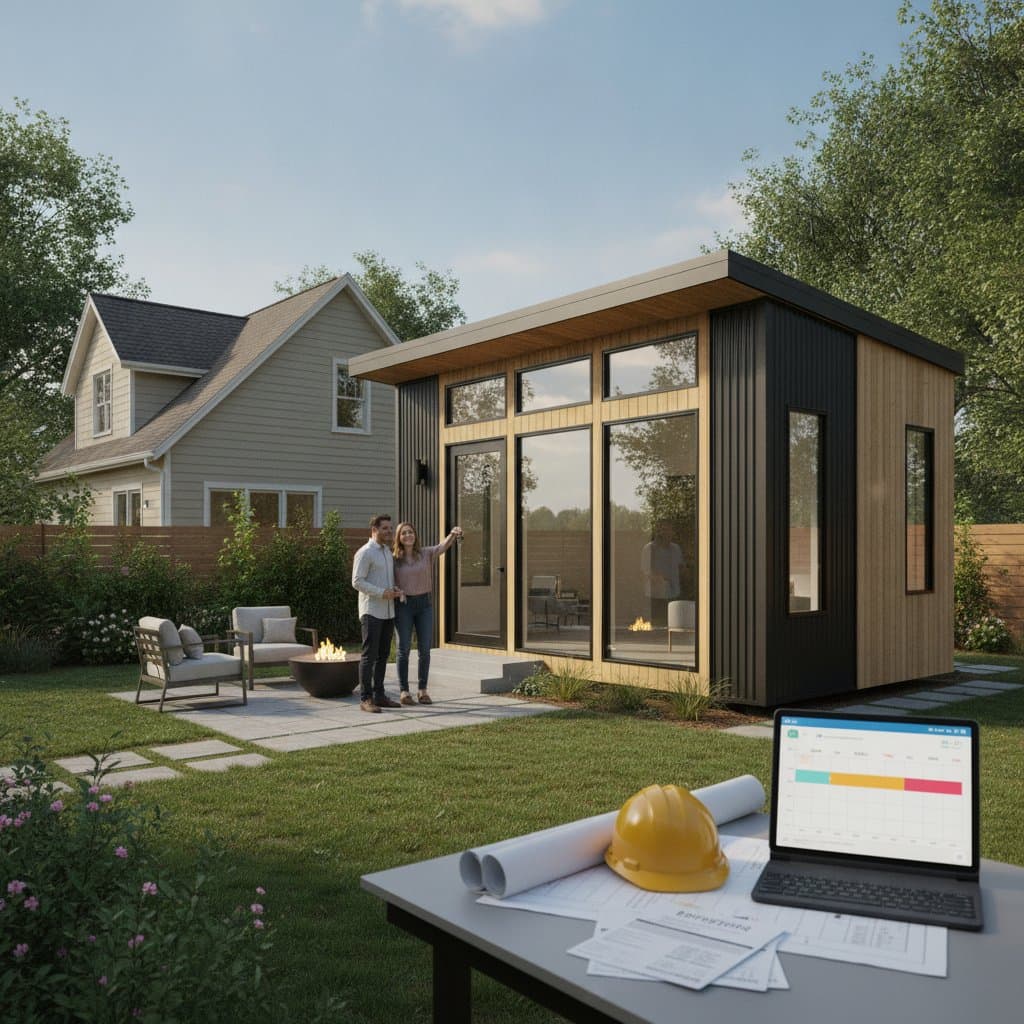
ADU construction spans 3 to 12 months from planning to completion. Pre-construction phases, including design and permitting, consume the first 2 to 3 months. Groundbreaking follows, with framing and rough-ins taking 4 to 6 weeks.
Interior finishing and inspections extend the process by another 1 to 2 months. Weather conditions influence outdoor work, potentially adding weeks in rainy seasons. Detached units demand longer timelines due to utility trenching and foundation pouring.
Set realistic milestones to track progress. Weekly contractor updates help identify bottlenecks early. A well-managed schedule minimizes disruptions and keeps costs in check.
Financing Your ADU Build
Home equity loans provide a common funding avenue, tapping into property value without refinancing the mortgage. Interest rates hover around 5 to 7 percent in 2025, offering flexibility for repayment.
Construction loans cover phased payments, disbursing funds as work advances. These short-term options convert to permanent mortgages upon completion. Government programs, such as local housing grants, reduce out-of-pocket expenses for qualifying projects.
Personal savings or rental income projections assist in covering gaps. Consult a financial advisor to model scenarios and ensure affordability. Secure pre-approval before starting to lock in rates and avoid project halts.
Essential Tips to Avoid Costly Errors
Conduct thorough due diligence on contractors. Verify licenses, review portfolios, and obtain multiple bids to ensure competitive pricing. Clear contracts outlining scope, timelines, and payment schedules prevent disputes.
Prioritize energy-efficient designs from the outset. Solar panels or high-R-value insulation lower operational costs over time. Integrate smart home features for added appeal and functionality.
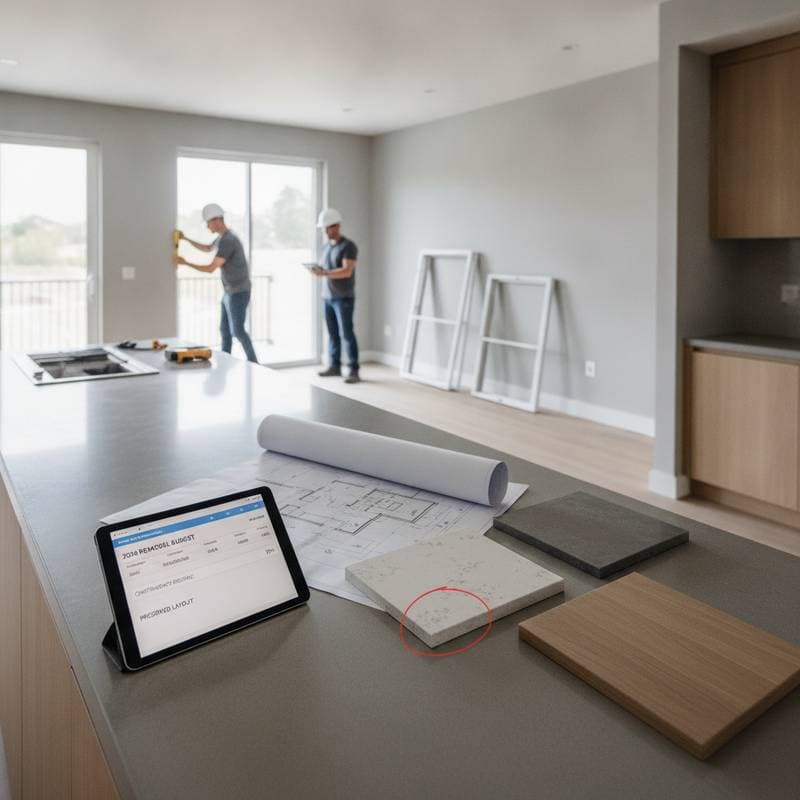
Monitor budget variances monthly. Adjust plans as needed to stay within limits. Engage an independent inspector at key stages to catch issues before they escalate.
Achieving Long-Term Value from Your ADU
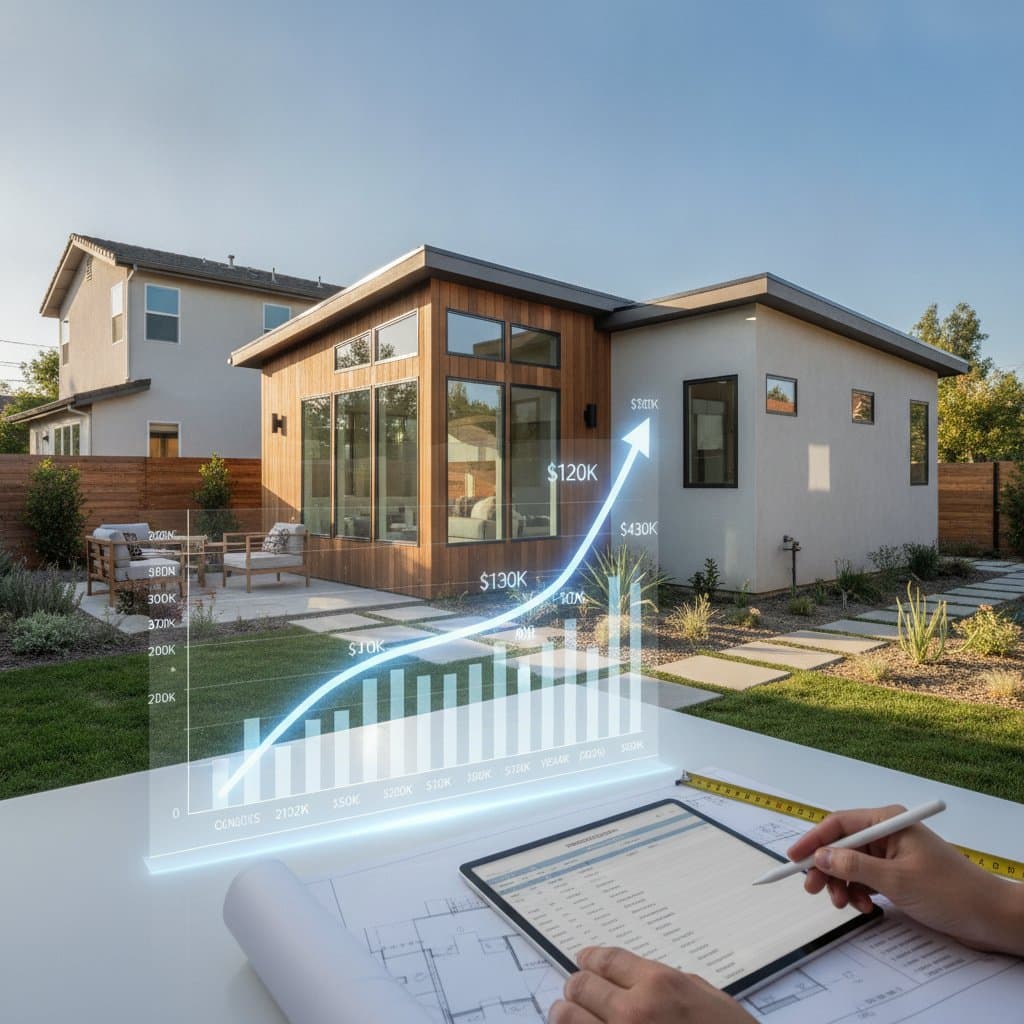
A thoughtfully planned ADU enhances property worth by 20 to 50 percent. It addresses housing needs while building equity. Focus on durable, adaptable designs to maximize returns.
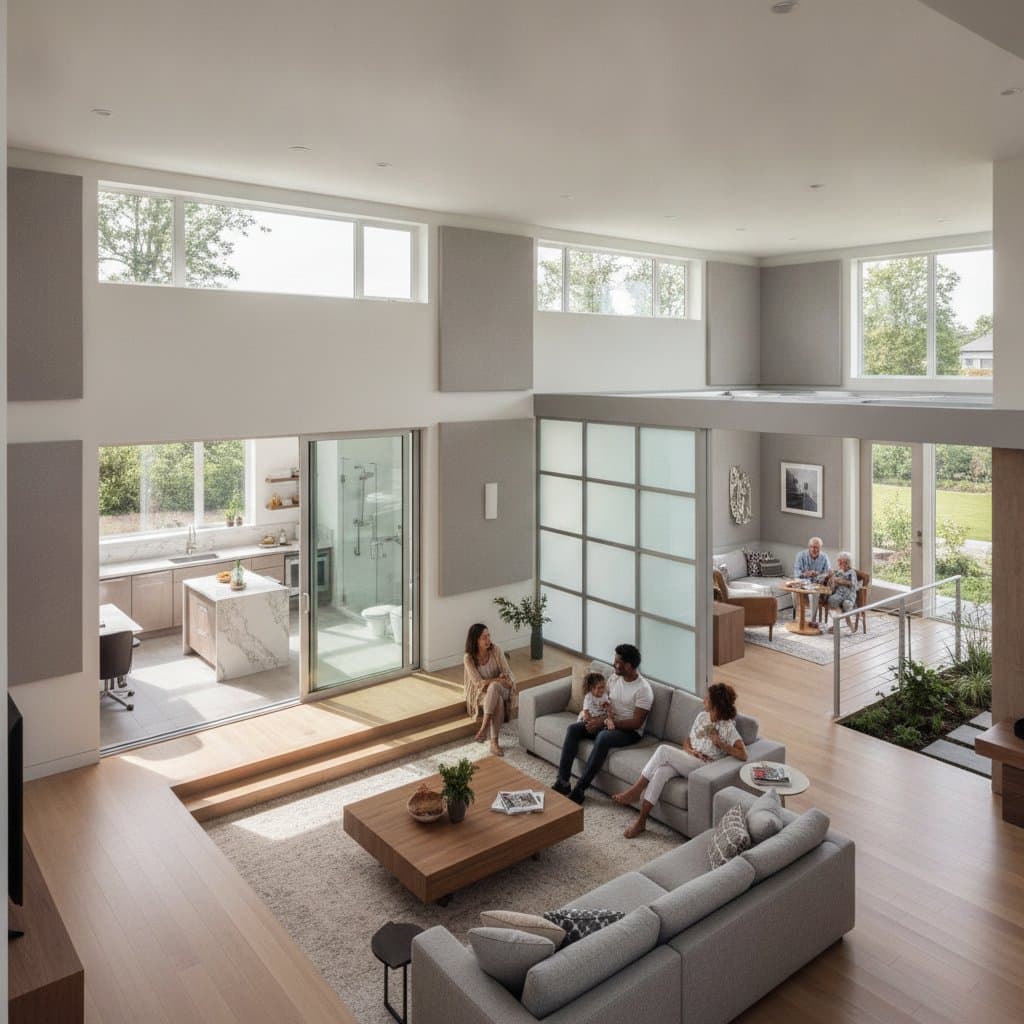
Rental potential generates steady income, often covering construction loans. Family accommodations foster closer bonds without relocation stress. With strategic execution, your ADU becomes a lasting asset.
Start by assessing your goals and site constraints. Gather professional input to refine your vision. This approach ensures a smooth build and enduring benefits.