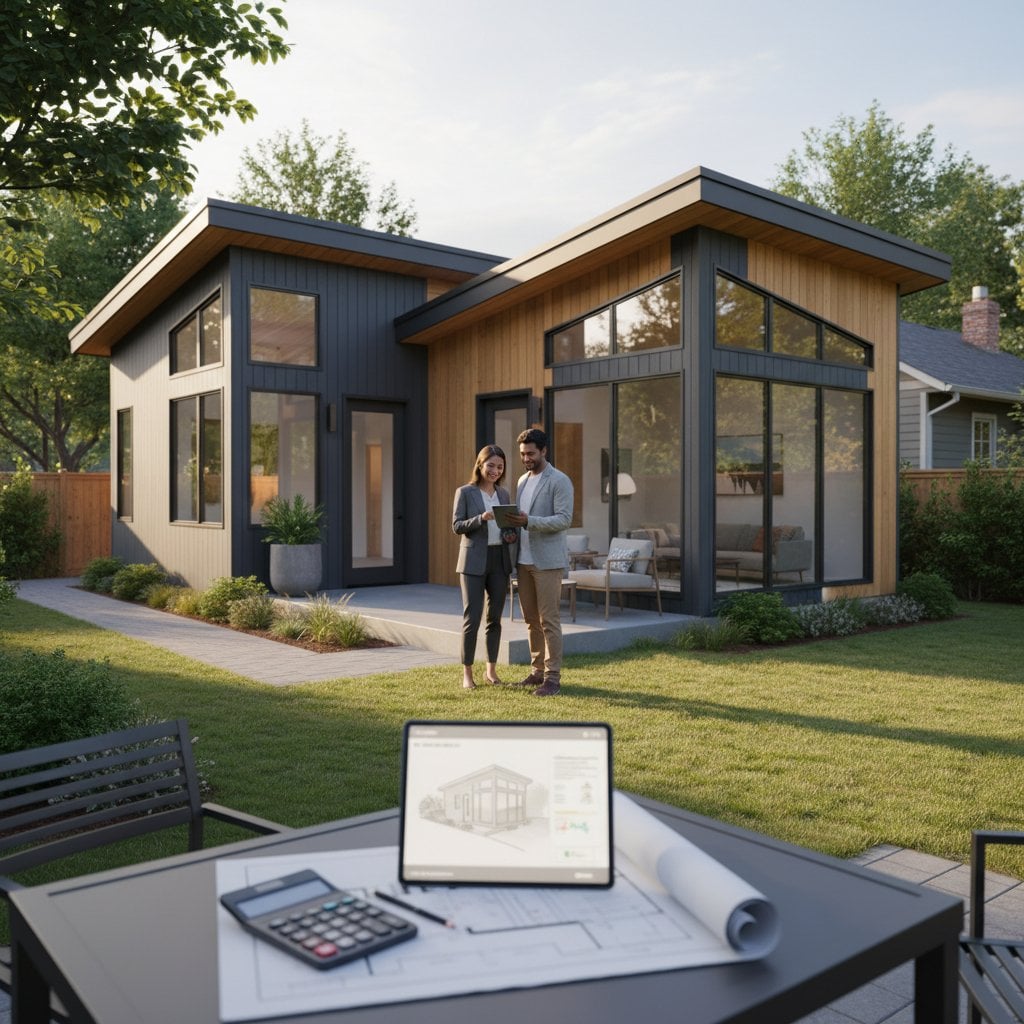
ADU Costs and ROI in 2026: Boost Your Home Value Now
Adding an accessory dwelling unit, or ADU, transforms underutilized space into a valuable asset. Homeowners consider options such as a backyard cottage, garage conversion, or detached small home. Understanding the factors that drive costs and return on investment enables informed decisions that align with financial goals.
This guide details the elements influencing ADU expenses, methods for estimating budgets, and strategies to enhance property value. By focusing on practical planning, readers gain insights to pursue profitable ADU projects.
Understanding an ADU and Its Value Potential
An ADU represents a secondary living space constructed on the same property as the primary residence. It functions as a rental unit, guest accommodation, or home office. Recent updates to zoning and building codes in numerous cities facilitate ADU construction, sparking greater homeowner interest.
Financially, an ADU contributes additional square footage, generates potential rental income, and elevates resale attractiveness. Prospective buyers view these units as versatile solutions for modern living needs. Although initial expenses prove substantial, the enduring advantages frequently surpass the outlay.
Key Factors That Influence ADU Costs
Multiple variables determine the overall expense of an ADU project. Awareness of these elements supports effective planning and minimizes unforeseen expenditures.
1. Type of ADU
- Detached ADU: This standalone backyard structure, often termed a cottage or guest house, provides privacy yet demands complete utility connections, elevating costs.
- Attached ADU: By sharing a wall with the main residence, this option proves more economical through integration with existing infrastructure.
- Garage Conversion: Repurposing an existing garage into habitable space offers the lowest cost, leveraging pre-established foundation and framing.
2. Size and Layout
Square footage directly impacts material and labor requirements. A modest studio demands fewer resources than a two-bedroom configuration. Designers recommend open layouts and multifunctional furnishings to control expenses while preserving livability.
3. Site Conditions and Utilities
Soil composition, terrain slope, and proximity to water, electricity, and sewer systems affect construction demands. Properties with irregular topography necessitate additional grading, incurring higher excavation fees. Linking to current utilities conserves funds relative to new installations.
4. Finishes and Materials
Selections for exterior cladding, roofing, windows, and interior elements influence the budget. Opt for resilient options like fiber cement siding or metal roofing to lower maintenance over time. High-quality, UV-resistant paint safeguards against weathering and preserves aesthetic appeal.
5. Permits and Design Fees
Regulatory approvals constitute a significant budget segment. Local rules dictate setbacks, maximum heights, and parking mandates. Engaging a certified architect or designer guarantees adherence to codes and accelerates the approval process.
Estimating Typical ADU Costs
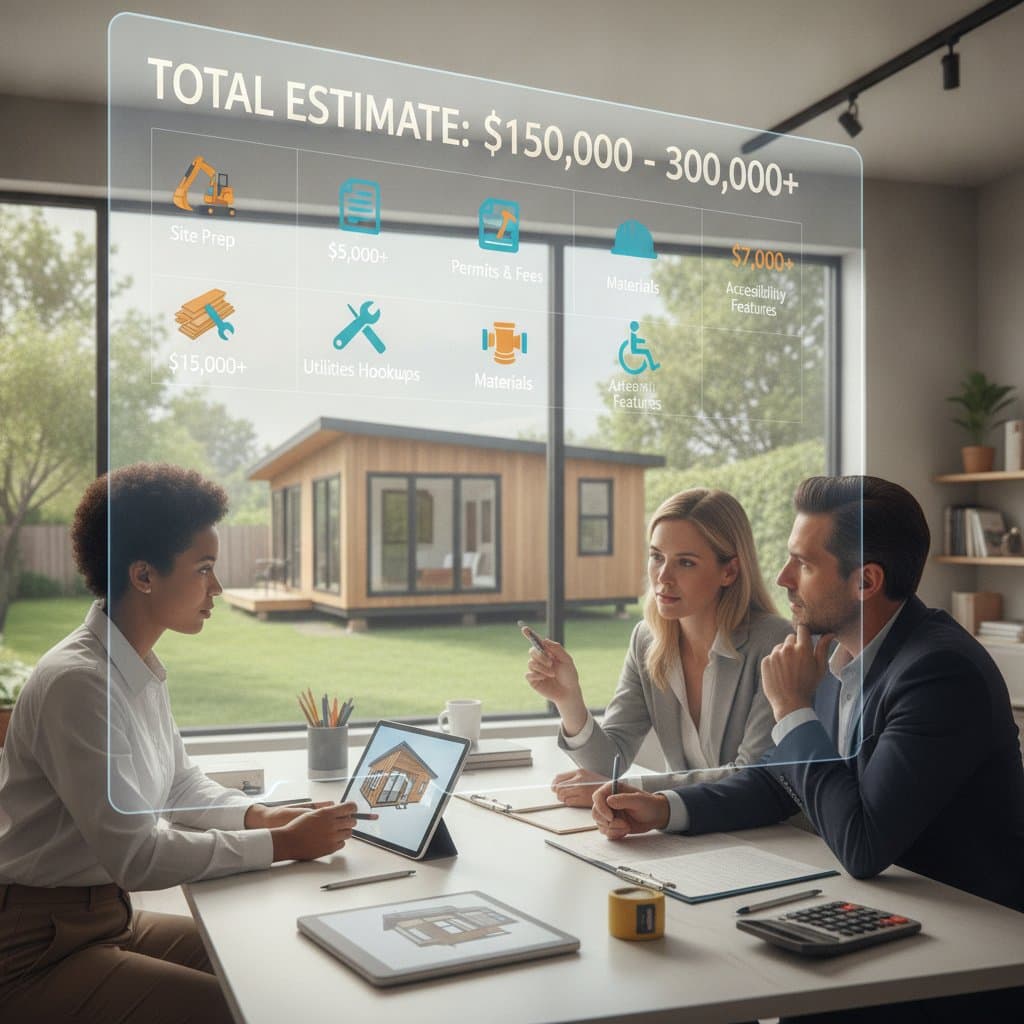
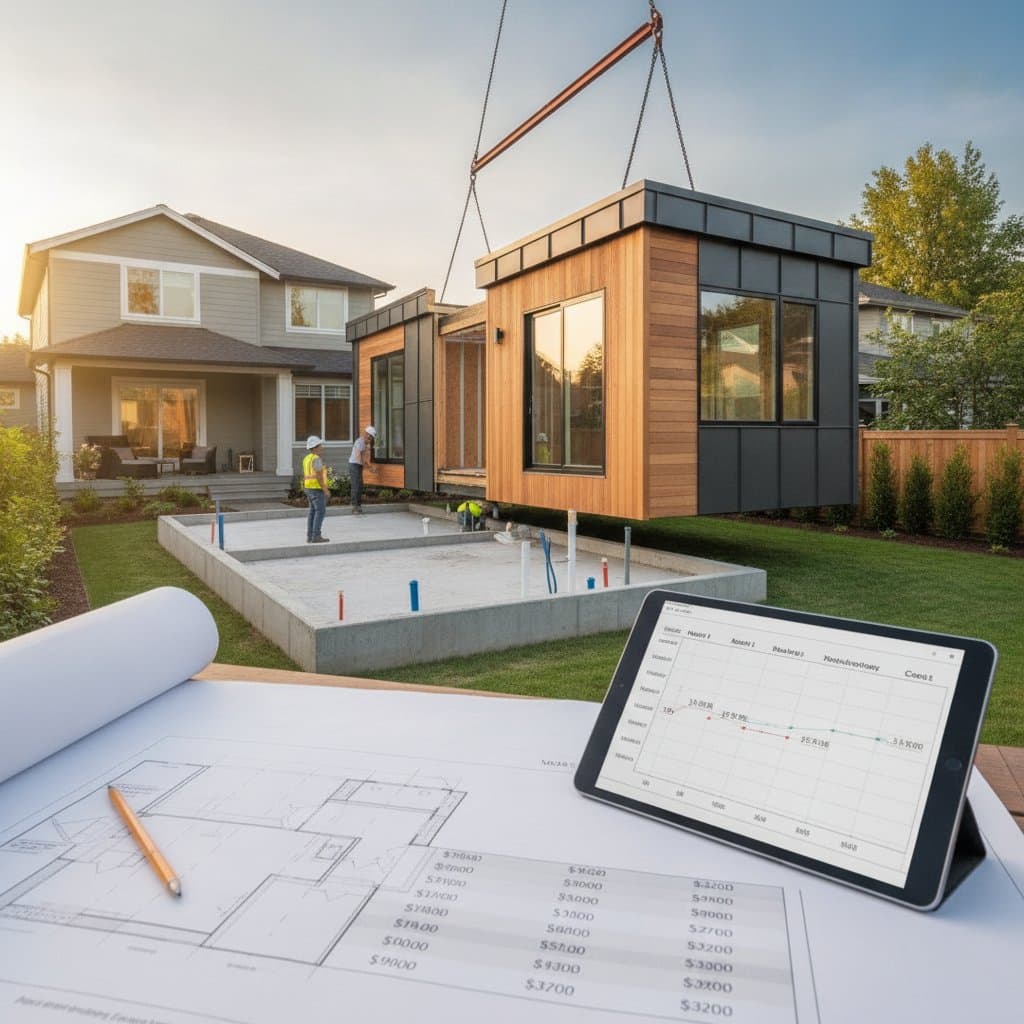
Costs vary by location and specifications, yet patterns emerge across construction types. Garage conversions range from $40,000 to $80,000, benefiting from existing structures. Attached ADUs fall between $80,000 and $150,000, sharing foundational components with the primary home. Detached ADUs command $150,000 to $300,000 or more, accounting for independent foundations, utilities, and roofing.
Material choices further adjust totals. Vinyl siding paired with laminate flooring trims costs, whereas wood cladding and stone accents raise them. Allocate 10 to 15 percent of the budget as a contingency for site variations or supply fluctuations.
Calculating ROI for an ADU
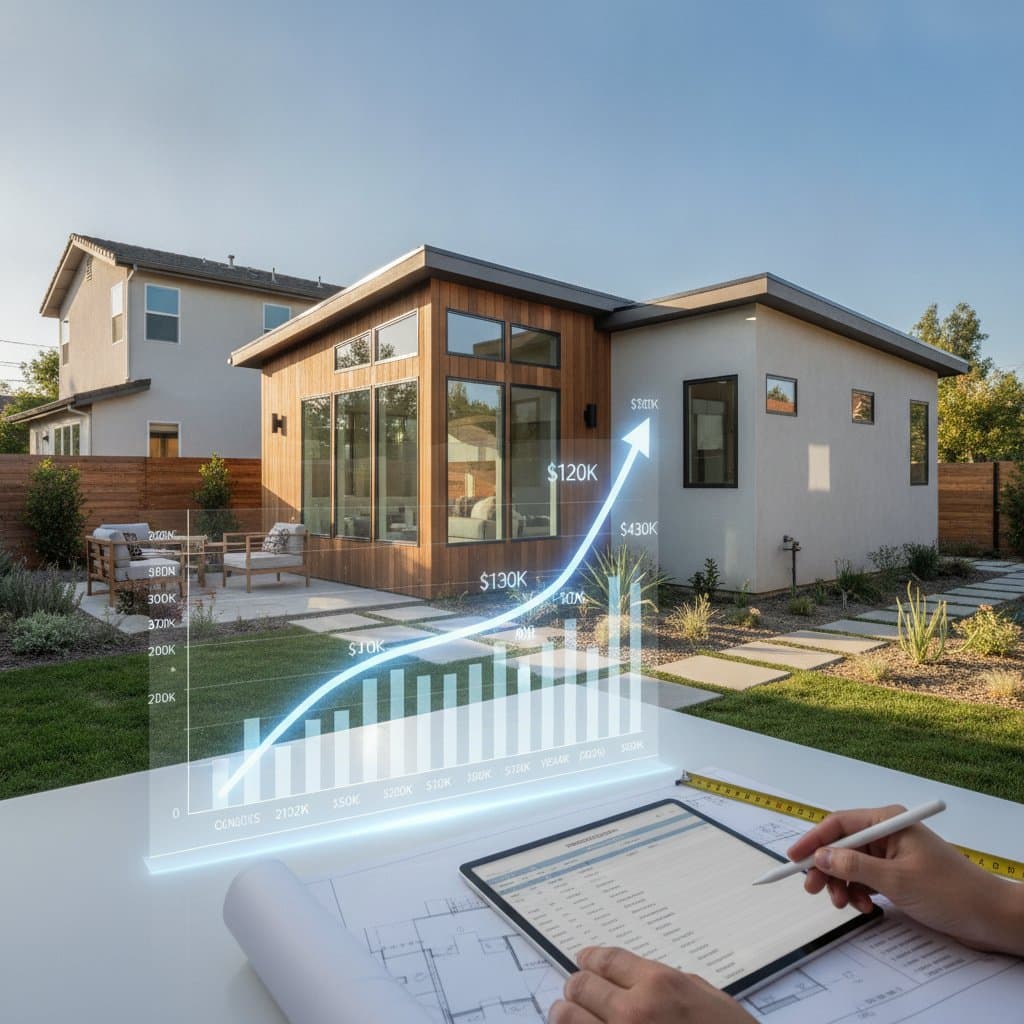
Return on investment hinges on the unit's intended application. Projections for 2026 indicate that ADU projects recoup approximately 80 percent of costs upon resale, driven by rising demand for flexible housing.
1. Rental Income
Both detached and attached ADUs suit long-term leasing or short-term stays. In competitive markets, rents from $1,200 to $2,500 monthly offset construction loans or bolster family finances. Secure tenant screening and routine upkeep ensure steady revenue streams.
2. Increased Property Value
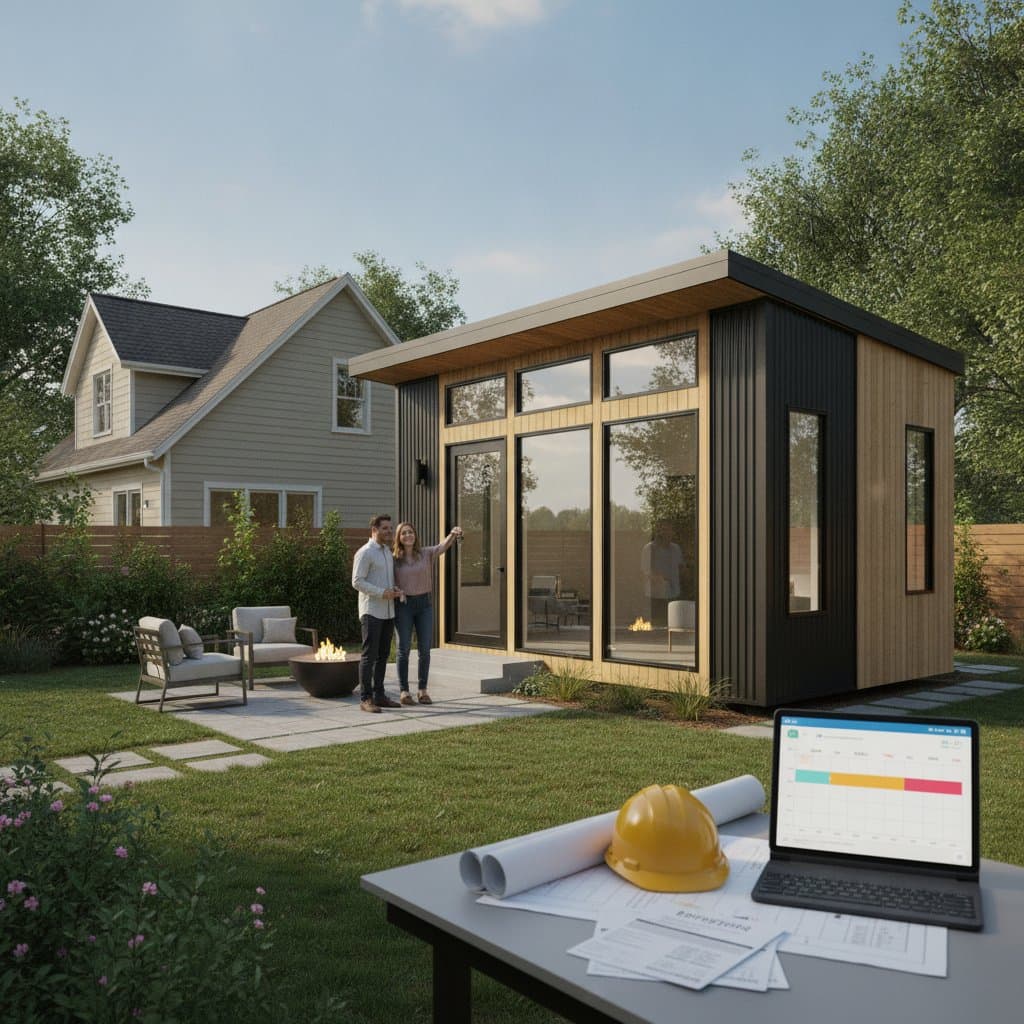
Properties featuring ADUs draw diverse purchasers. Valuation experts assess based on usable area and income potential, often adding $100,000 to $200,000 to market price. This enhancement persists even without rental use, distinguishing the home in appraisals.
3. Lifestyle Flexibility
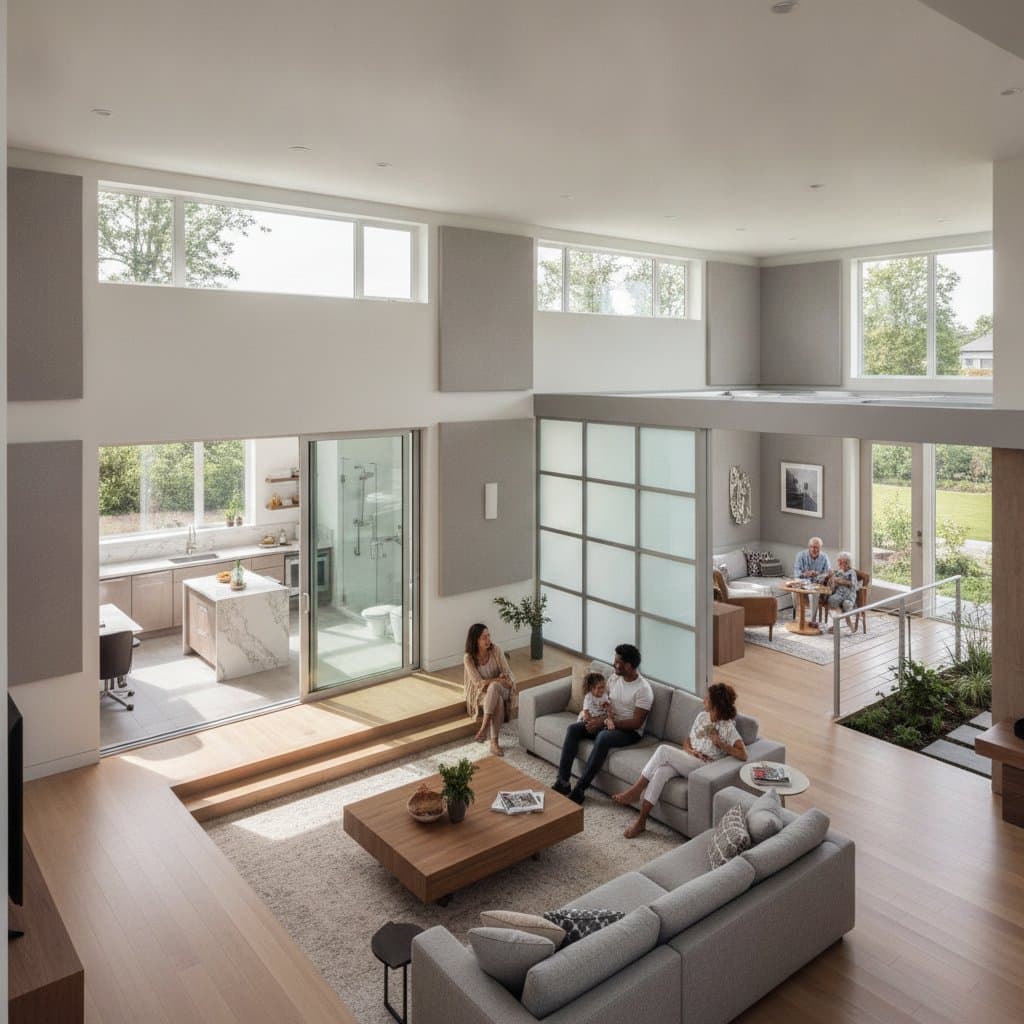
ADUs accommodate multigenerational households, providing separate quarters for elderly relatives, grown offspring, or visitors. Such versatility enhances long-term desirability and averts costly future modifications.
Practical Planning Tips
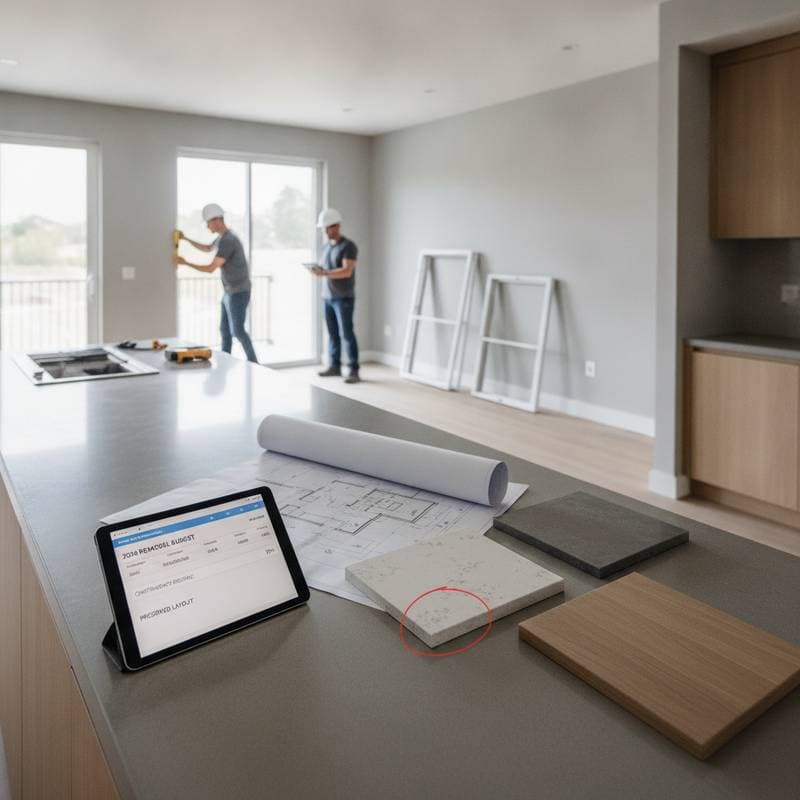
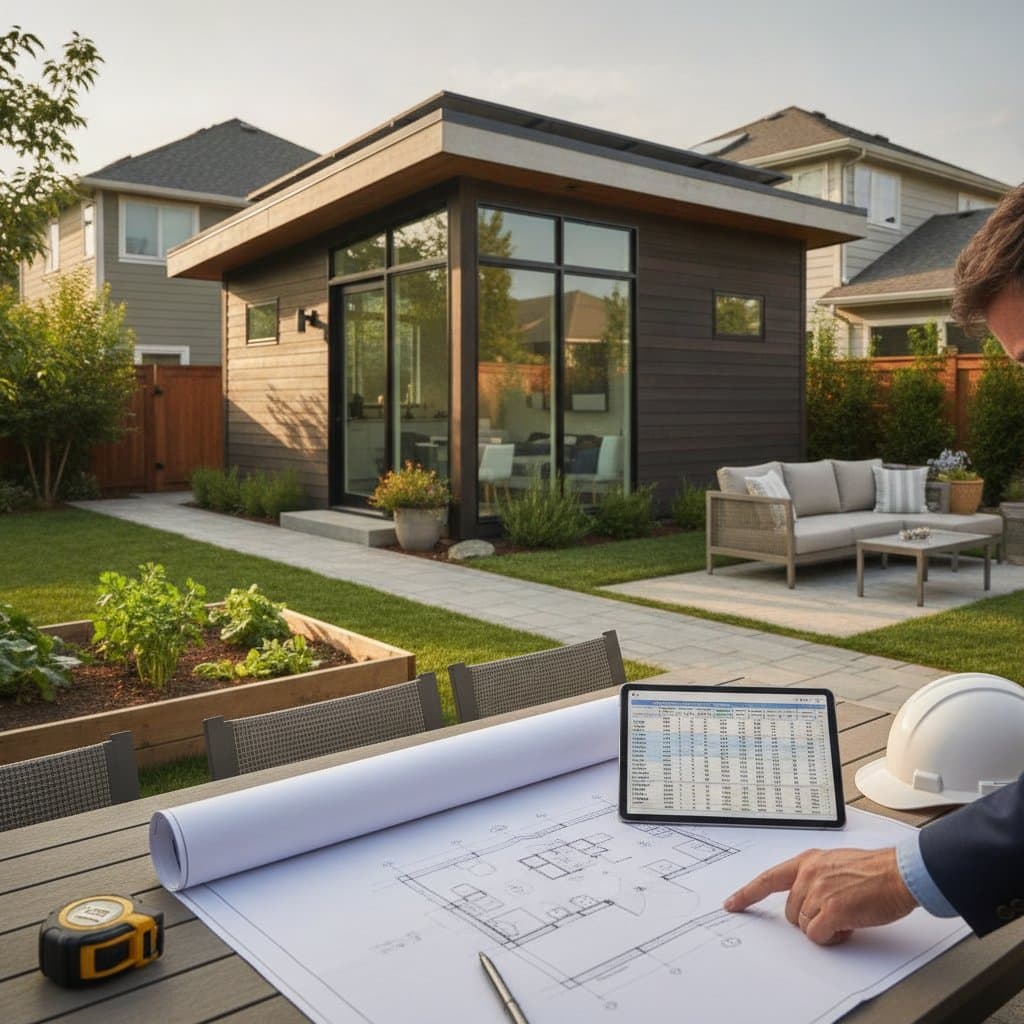
Establish a comprehensive budget encompassing design, permits, materials, labor, and a 10 percent buffer. Review municipal zoning to confirm size restrictions and placement options. Select enduring materials for siding, roofing, and painting to safeguard the investment.
Partner with ADU-experienced builders to optimize expenses and uphold code compliance. Incorporate energy-efficient features, including superior insulation, double-pane windows, and advanced heating systems, to curtail operational costs.
Cost and Effort Considerations
Small-scale ADUs permit partial owner involvement for those with building expertise, yet professional intervention remains essential for framing, plumbing, and wiring. Licensed contractors prioritize safety and regulatory adherence. Thoughtful upfront preparation and premium finishes yield superior durability and appeal.
Maximizing Returns Through Smart Design
Design elements subtly elevate perceived worth. Neutral tones such as Warm Greige or Soft Sage integrate the ADU seamlessly with the primary residence and landscape. Accents in Deep Charcoal or Matte Black introduce contemporary contrast, accentuating structural details and enhancing exterior allure.
Ample natural illumination expands spatial perception in compact areas. Install expansive windows or sliding glass doors to capture daylight. Pathway and entry lighting improves security while contributing to nighttime aesthetics.
Sustaining Your ADU Investment
Regular maintenance preserves value and functionality. Schedule annual inspections for structural integrity, plumbing, and electrical systems. Clean gutters and repaint exteriors every five years to combat environmental wear. These proactive measures extend the unit's lifespan and support optimal ROI.
Implementing Your ADU Vision
Strategic budgeting and design choices position ADUs as worthwhile endeavors. Homeowners who prioritize compliance, efficiency, and quality realize enhanced living options and financial gains. Proceed with confidence to elevate your property's potential in 2026.