Understanding Aging-in-Place Remodels
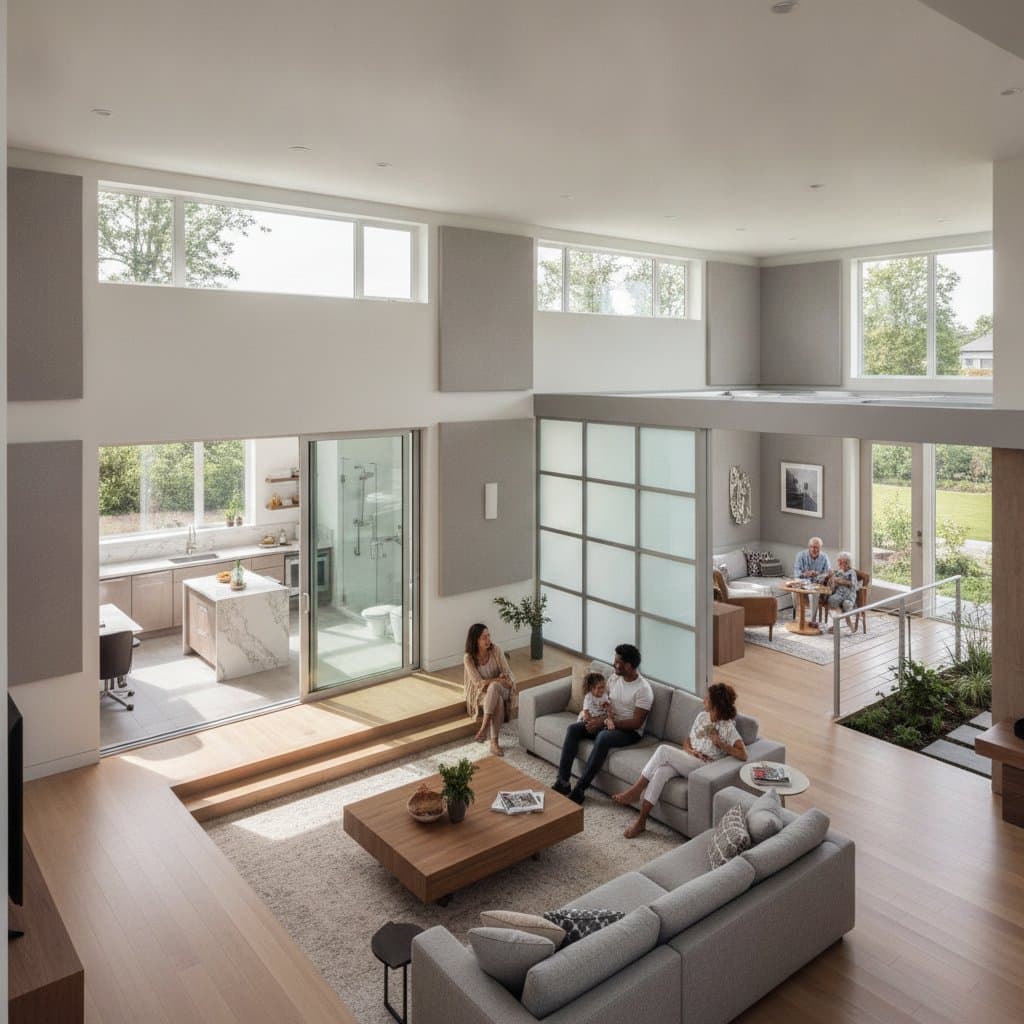
Aging-in-place remodels enable individuals to maintain their independence within familiar surroundings as mobility and health needs evolve. These modifications prioritize accessibility, safety, and ease of use without necessitating a move to specialized facilities. In 2026, such projects will reflect advancements in design and materials, offering tailored solutions that align with personal lifestyles and future requirements.
Homeowners increasingly recognize the value of these investments, which not only support daily living but also preserve emotional ties to their homes. Projects range from minor adjustments to extensive overhauls, each calibrated to specific needs. This approach ensures spaces remain functional across decades, promoting well-being and reducing long-term care expenses.
Cost Ranges and Breakdown
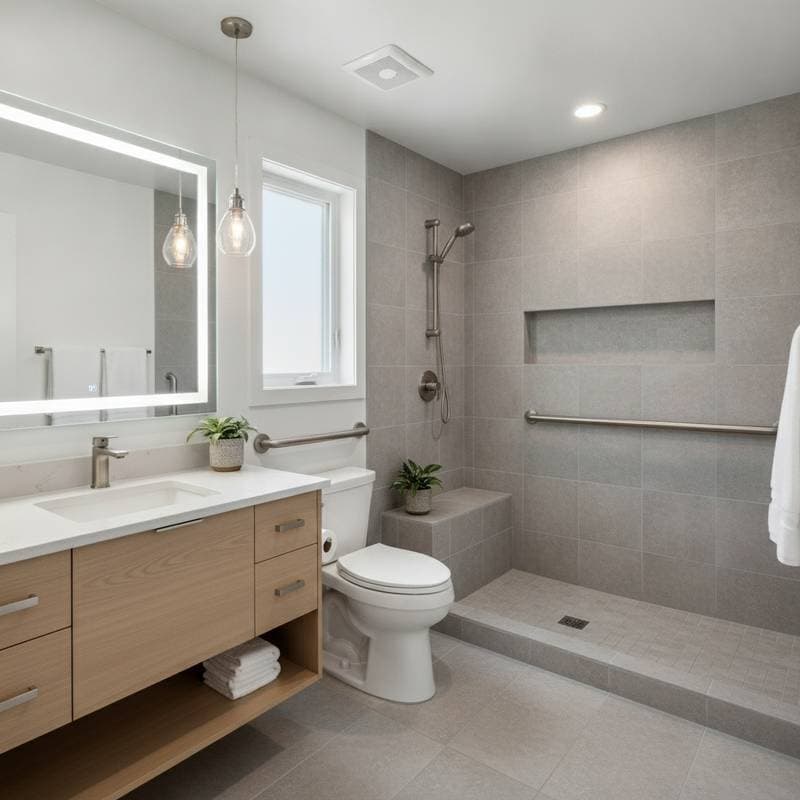
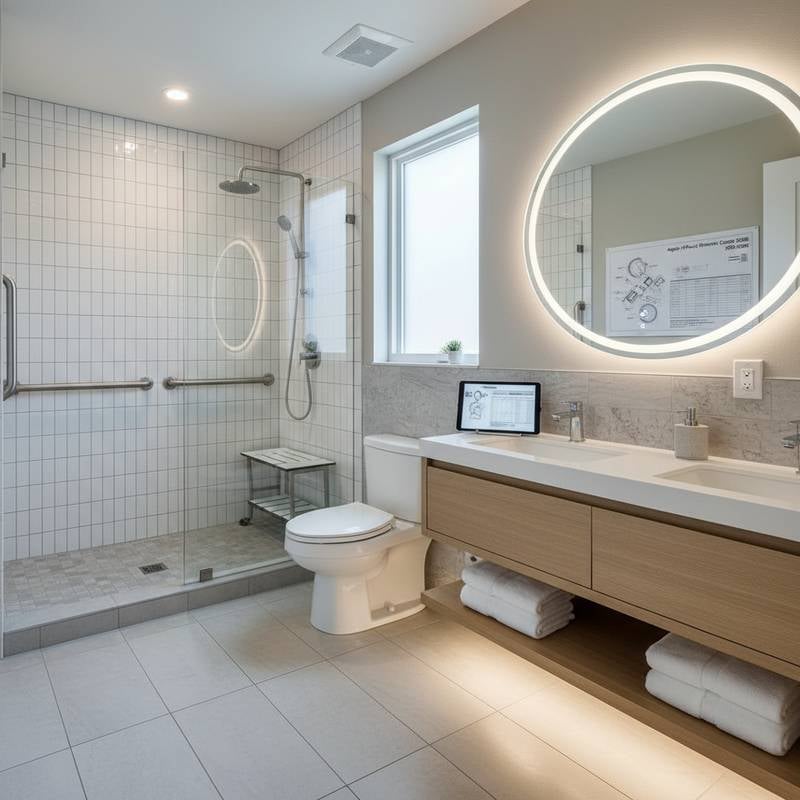
The spectrum of costs for aging-in-place remodels in 2026 begins at approximately $15,000 for targeted updates and extends to $80,000 for whole-home transformations. Entry-level projects often involve installing grab bars, lever handles, and non-slip flooring in key areas like bathrooms and entryways. These interventions provide immediate safety improvements at a fraction of the total budget.
Mid-range remodels, typically $30,000 to $50,000, incorporate wider doorways, ramp installations, and kitchen adaptations such as lowered counters and pull-out shelves. Full-scale renovations reaching $80,000 may include structural changes like adding a first-floor bedroom suite or elevator preparation. Factors such as home size, location, and material choices significantly influence these figures.
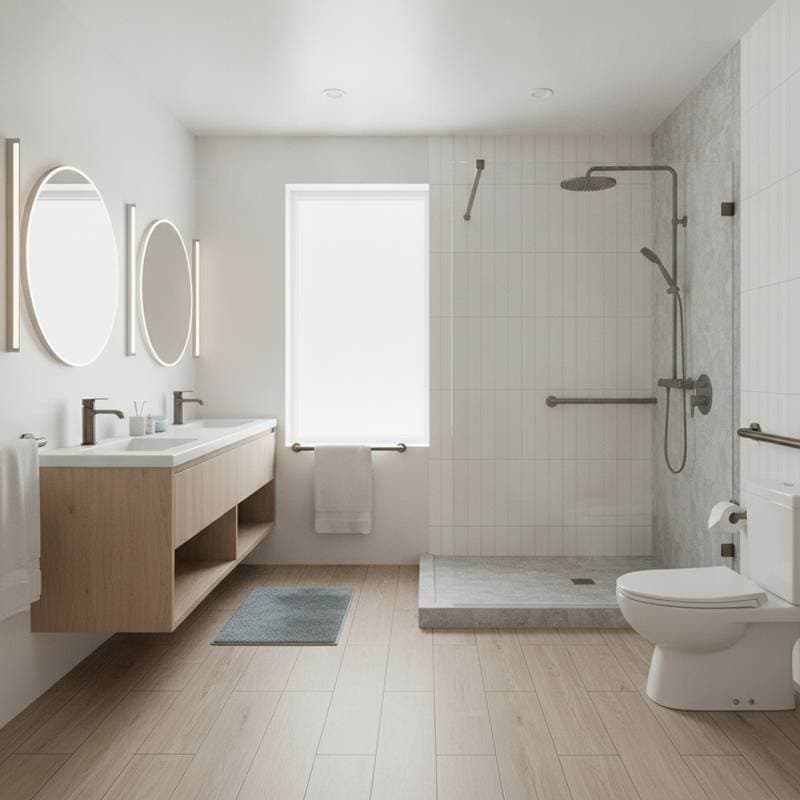
Bathrooms consistently represent the highest expense category, often accounting for 40 percent of the total budget due to waterproofing, fixture replacements, and layout adjustments. Kitchens follow closely, with costs driven by appliance upgrades and ergonomic redesigns. Conversely, exterior modifications like pathway lighting or threshold ramps offer cost-effective enhancements that boost overall accessibility.
Key Factors Influencing Expenses
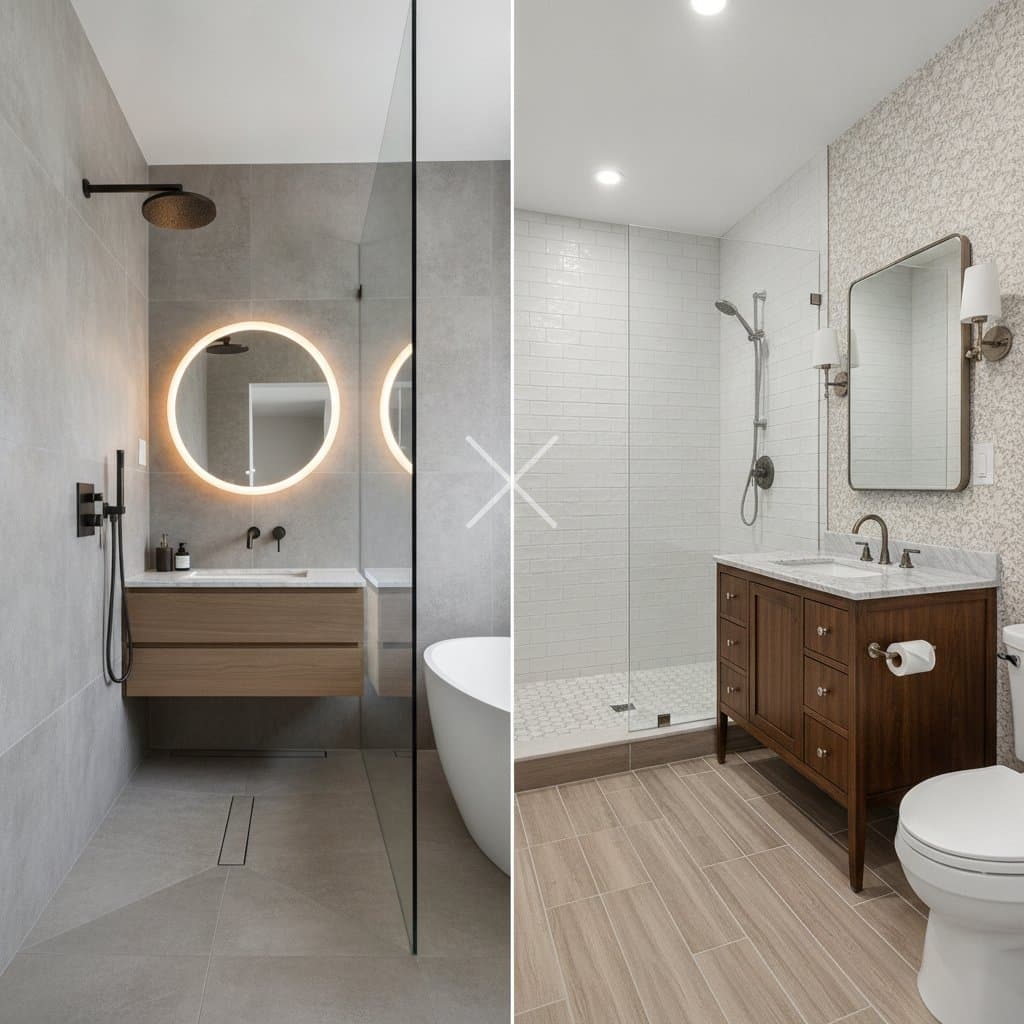
Several elements determine the final price tag of an aging-in-place remodel. Labor rates vary by region, with urban areas commanding premiums due to higher demand and regulatory compliance. Material selection plays a pivotal role; opting for mid-grade, durable options balances affordability and longevity without sacrificing quality.
Existing home conditions also affect costs. Older structures may require foundational reinforcements or plumbing updates, escalating expenses. Compliance with universal design principles, such as those outlined in accessibility standards, ensures projects meet legal and practical needs, though initial assessments add to upfront planning costs.
Inflation and supply chain dynamics in 2026 will further shape budgets. Homeowners should anticipate a 5 to 7 percent increase in material prices compared to prior years. Engaging certified contractors early helps mitigate surprises through detailed quotes and phased implementation.
Budgeting Strategies for Success
Effective budgeting starts with a comprehensive needs assessment. Homeowners benefit from consulting occupational therapists or aging-in-place specialists to identify essential modifications. This step prevents over-investment in unnecessary features while prioritizing high-impact changes.
Allocate funds across categories: 50 percent for structural and mechanical work, 30 percent for finishes and fixtures, and 20 percent for contingencies. Tracking expenses through simple spreadsheets or project management apps maintains transparency. Seeking multiple bids from reputable contractors fosters competitive pricing without compromising standards.
Financing options abound, including home equity loans, grants for accessibility improvements, and tax credits for energy-efficient elements often integrated into these remodels. Planning for phased projects allows spreading costs over time, easing financial strain while delivering progressive benefits.
Planning Your Remodel Step by Step
Initiate the process with a professional evaluation of your home's layout and potential hazards. Document current challenges, such as steep stairs or narrow hallways, to guide design decisions. Collaborate with architects or designers experienced in universal design to visualize outcomes.
Next, select materials that endure daily use and require minimal maintenance. Vinyl plank flooring resists slips and simplifies cleaning, while composite decking suits outdoor ramps. Prioritize features like motion-sensor lighting and voice-activated controls for enhanced convenience.
Obtain necessary permits and schedule work to minimize disruption. Coordinate with contractors to sequence tasks efficiently, starting with high-priority areas. Post-completion inspections verify compliance and functionality, ensuring the space supports long-term independence.
- Conduct a home safety audit.
- Define priorities based on health needs.
- Gather quotes from three or more professionals.
- Finalize designs with accessibility in mind.
- Secure financing and permits.
- Oversee implementation and adjustments.
Enhancing Home Value and Independence
Beyond immediate usability, aging-in-place remodels elevate property appeal in competitive markets. Features like zero-step entries and adaptable bathrooms attract a broader buyer pool, potentially increasing resale value by 10 to 20 percent. These upgrades signal thoughtful foresight, distinguishing homes in appraisals.
For residents, the rewards extend to sustained quality of life. Seamless navigation reduces fall risks, while ergonomic setups preserve dignity in routine tasks. Families gain peace of mind knowing loved ones thrive in secure environments.
Investing in these modifications yields multifaceted returns, from health preservation to financial prudence. Homeowners who plan strategically emerge with residences that adapt to life's stages, fostering enduring comfort and autonomy.