Aging in Place: Costs of Universal Design Transformations
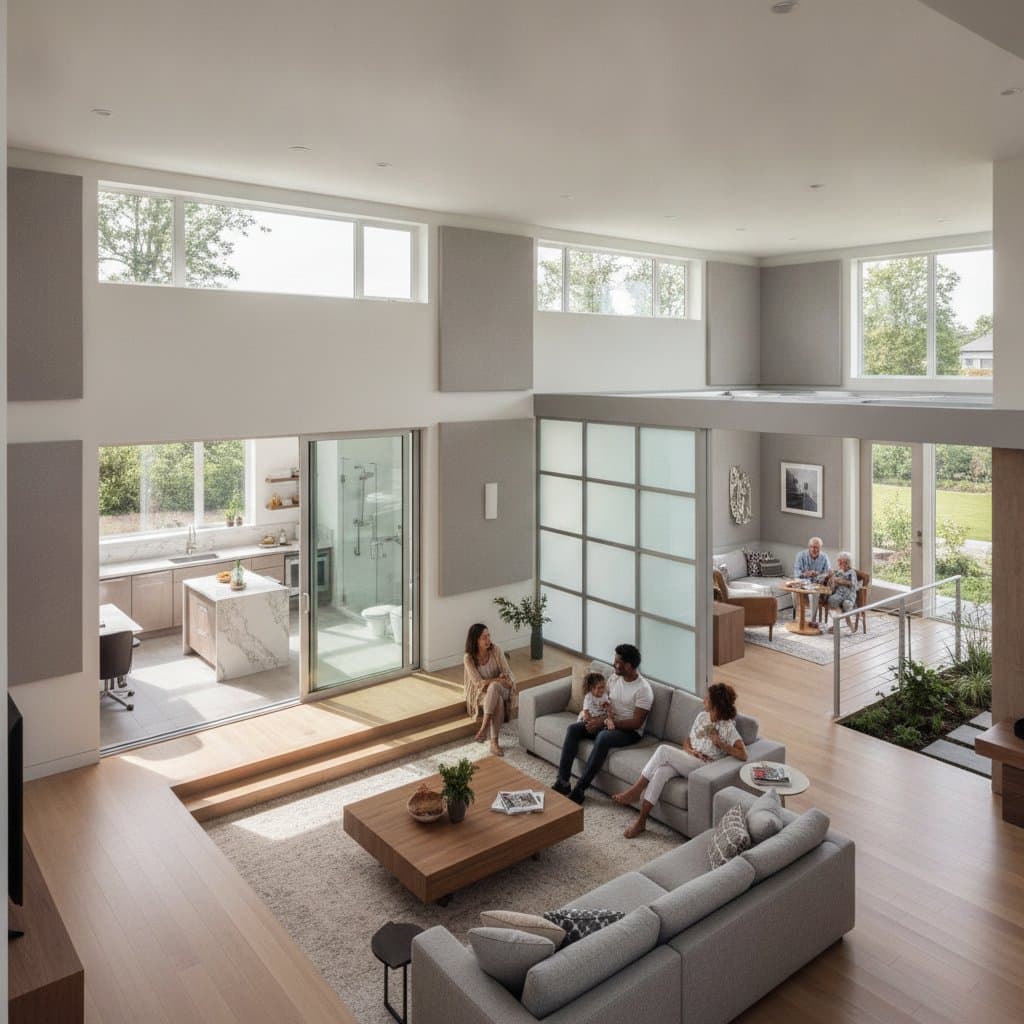
Universal design transforms homes into spaces that accommodate aging residents while remaining functional for all. These modifications enhance safety and independence, allowing individuals to remain in familiar surroundings longer. Costs vary widely based on project scale, from inexpensive DIY adjustments to extensive professional renovations.
Quick Overview
Aging-in-place remodels incorporate universal design elements to address mobility challenges and reduce injury risks. Individuals with basic skills can manage simple installations, yet complex alterations demand certified experts. Budgets typically span $200 for basic safety features up to $10,000 or more for complete room overhauls. Completion times range from a single day for minor tasks to four weeks for larger endeavors. Key hazards arise in electrical and plumbing modifications, necessitating professional intervention to ensure compliance and safety.
Assessing and Planning Your Remodel
Before initiating any changes, evaluate your home's current setup to identify priorities. This foundational step prevents overlooked issues and aligns modifications with daily needs. A thorough assessment sets the stage for efficient, targeted improvements.
1. Evaluate the Home Layout
Inspect each room methodically, documenting potential obstacles like uneven thresholds, insufficient lighting, or confined passages. Note locations requiring expanded maneuverability or enhanced illumination. Compile a detailed inventory of concerns to guide material purchases and project sequencing.
Verification: Confirm possession of a comprehensive problem list prior to procurement.
2. Expand Doorways and Hallways
Standard doorways under 32 inches wide often impede wheelchair access; consider enlargement for smoother navigation. Proceed by detaching trim and frames with care to avoid structural damage. Engage a certified carpenter for any adjustments to load-bearing elements.
Verification: Ensure doors swing freely and accommodate mobility aids without obstruction.
3. Upgrade Hardware and Fixtures
Transition from traditional round knobs to lever-style mechanisms on doors and faucets for effortless operation. Secure all components firmly and verify smooth functionality. This change minimizes physical strain during routine tasks.
Verification: Demonstrate ability to operate doors and faucets using a single hand.
4. Enhance Lighting and Visual Clarity
Incorporate energy-efficient LED installations in high-traffic zones such as corridors, restrooms, and staircases. Select bulbs emitting 4000 to 5000 Kelvin for optimal brightness without harsh shadows. Position fixtures to eliminate dark spots while controlling glare.
Verification: All walkways illuminate evenly, free from blinding reflections.
5. Secure Flooring Against Slips
Eliminate unsecured area rugs and opt for durable, non-slip surfaces like embossed vinyl or cork composites. Steer clear of polished coatings that reflect light excessively. These selections promote stable footing in wet or dry conditions.
Verification: Surfaces remain steady and supportive under pressure, without movement.
6. Adapt the Bathroom for Seamless Access
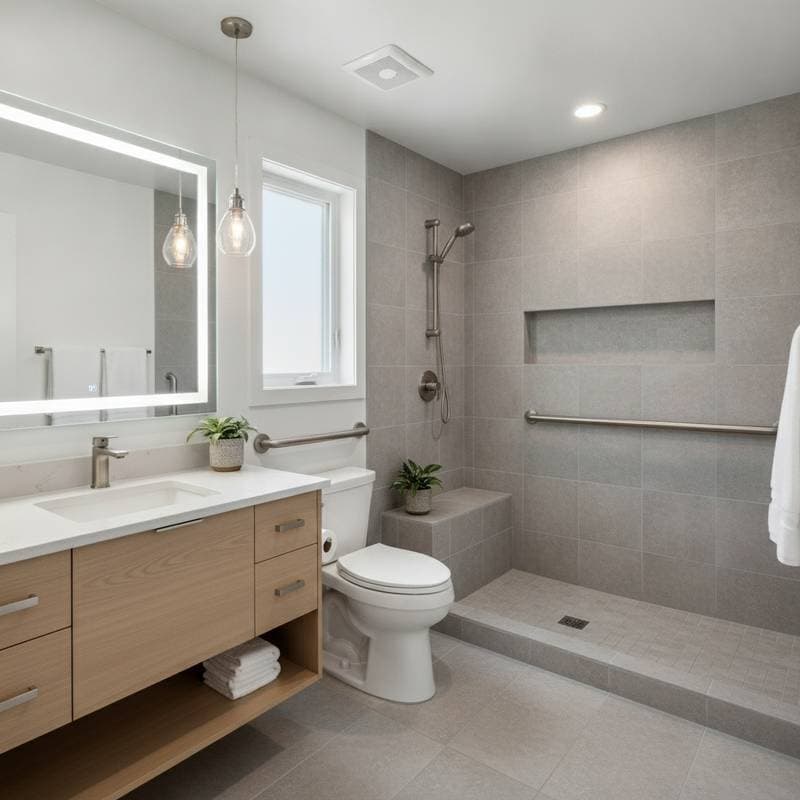
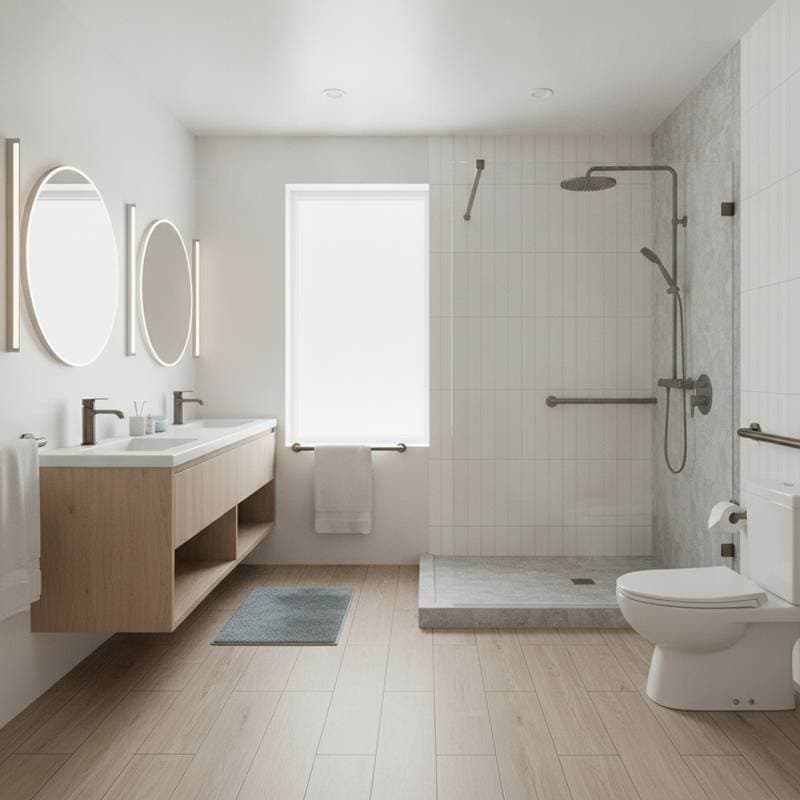
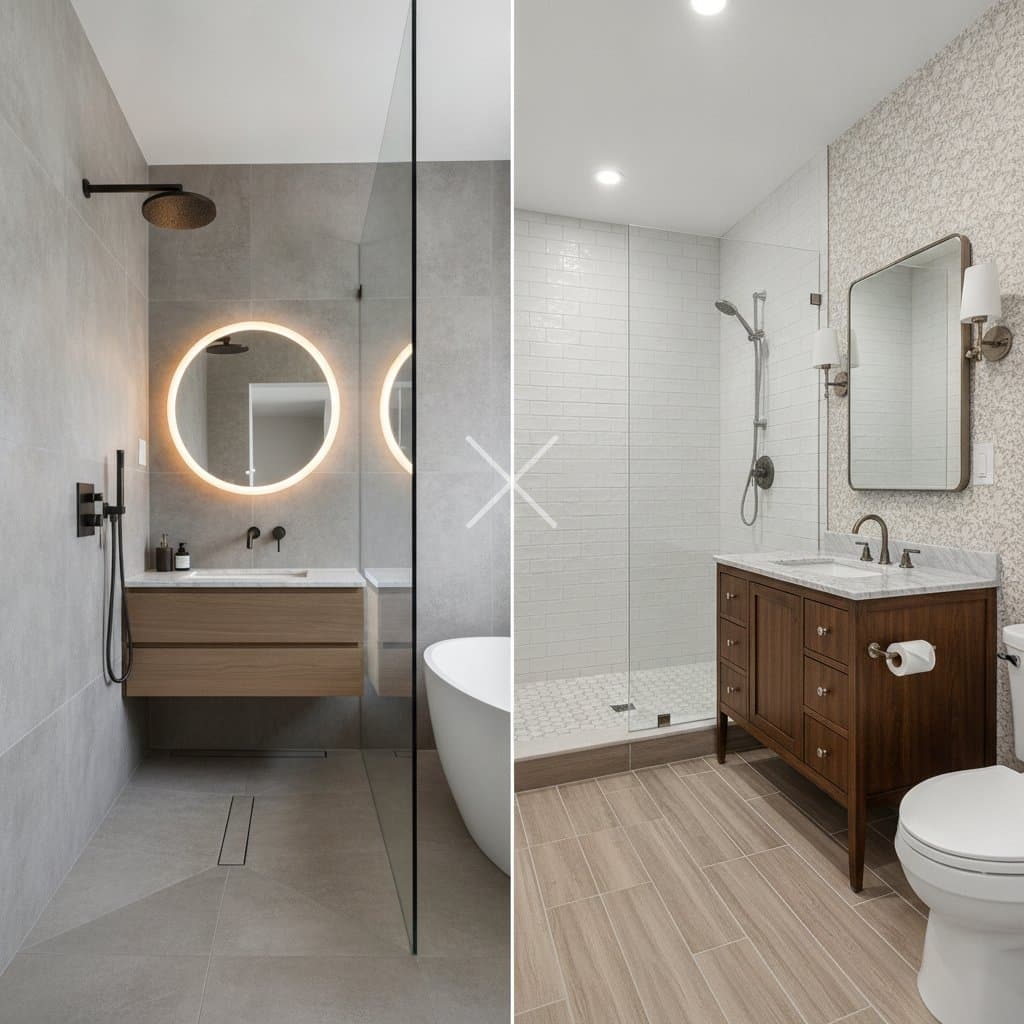
Bathroom transformations frequently involve plumbing expertise to maintain code adherence. Substitute standard tubs with barrier-free or curbless shower enclosures for straightforward entry. Reinforce grab bars to support weights exceeding 250 pounds, and elevate toilet seats to 17 through 19 inches for comfortable seating.
Verification: Facilitate safe ingress, egress, and internal movement within the space.
7. Optimize Kitchen Configuration
Reduce select counter heights to 34 inches to ease preparation tasks, and integrate sliding drawers for accessible storage. Swap out protruding knobs for ergonomic D-pull handles on cabinets. These adjustments foster independence in meal preparation and cleanup.
Verification: Access essentials without excessive reaching or stooping.
8. Integrate Smart Technology and Security Features
Deploy sensor-based lights, intercom door systems, and automated climate controls activated by voice commands. Validate connectivity and responsiveness across all units. Such integrations streamline daily routines and bolster overall security.
Verification: Devices activate promptly, enhancing usability without operational complexity.
Ensuring Quality and Resolving Issues
Post-installation reviews help maintain the integrity of modifications. Address discrepancies promptly to uphold safety standards. Routine maintenance extends the lifespan of these enhancements.
Frequent challenges encompass irregular floor levels, insecure support rails, or diminished hydraulic flow. Reinforce mounting hardware for any wobbling bars. Smooth out juncture points between flooring types to avert stumbles. Summon a qualified plumber for persistent moisture intrusion or flow reductions.
Should illumination stutter, inspect wiring junctions for faults. Persistent power anomalies warrant consultation with a licensed electrician to diagnose and rectify underlying problems.
Indicators for Professional Assistance
Engage certified specialists in scenarios involving:
- Alterations to foundational frameworks
- Relocation of water or electrical conduits
- Detection of contaminants like mold or legacy insulation materials
Cost Breakdown
- Basic enhancements: $500 to $2,000
- Bathroom overhauls: $8,000 to $15,000
- Kitchen adaptations: $10,000 to $25,000
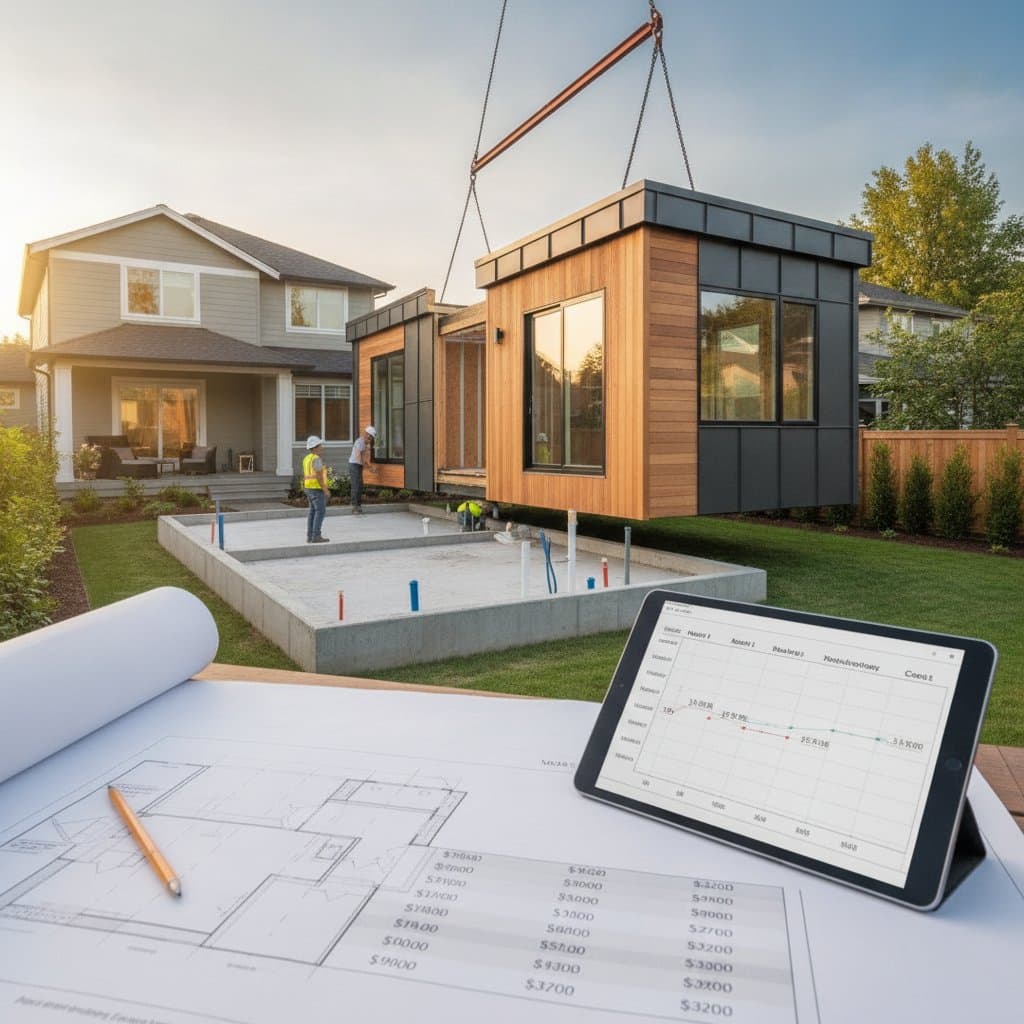
- Comprehensive accessibility retrofits: $30,000 to $60,000
Selecting Reliable Professionals
- Solicit client testimonials and licensing verification
- Demand itemized proposals detailing workforce, supplies, and waste management
- Confirm liability protection and post-project guarantees
Strategies for Effective Implementation
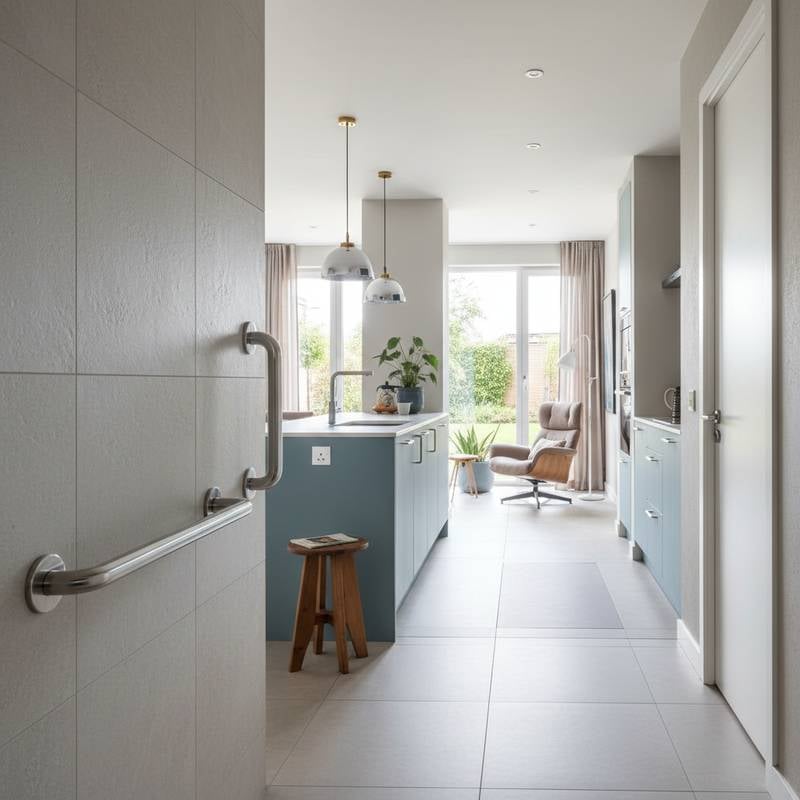
Prioritize high-frequency areas like restrooms and cooking spaces to yield immediate benefits. Position storage solutions within arm's reach, spanning 18 to 48 inches from the floor. Maintain uniform surfacing across zones to minimize transition risks. Employ color differentiation between vertical and horizontal elements to aid spatial awareness. Designate corridors at minimum 36 inches in breadth to support assistive devices.
Universal design principles yield residences that nurture autonomy and ease over extended periods. Incremental improvements, such as ergonomic fixtures or amplified illumination, simplify everyday activities. Substantial undertakings, overseen by skilled contractors, equip homes for enduring, hazard-free habitation.
Frequently Asked Questions
What defines universal design?
This methodology crafts environments that prove intuitive and secure for individuals across diverse ages and capabilities, promoting inclusivity without specialization.
How do costs differ between DIY and professional projects?
Self-directed efforts conserve labor expenses but risk code violations; expert involvement ensures durability, though it elevates totals through skilled execution and materials.