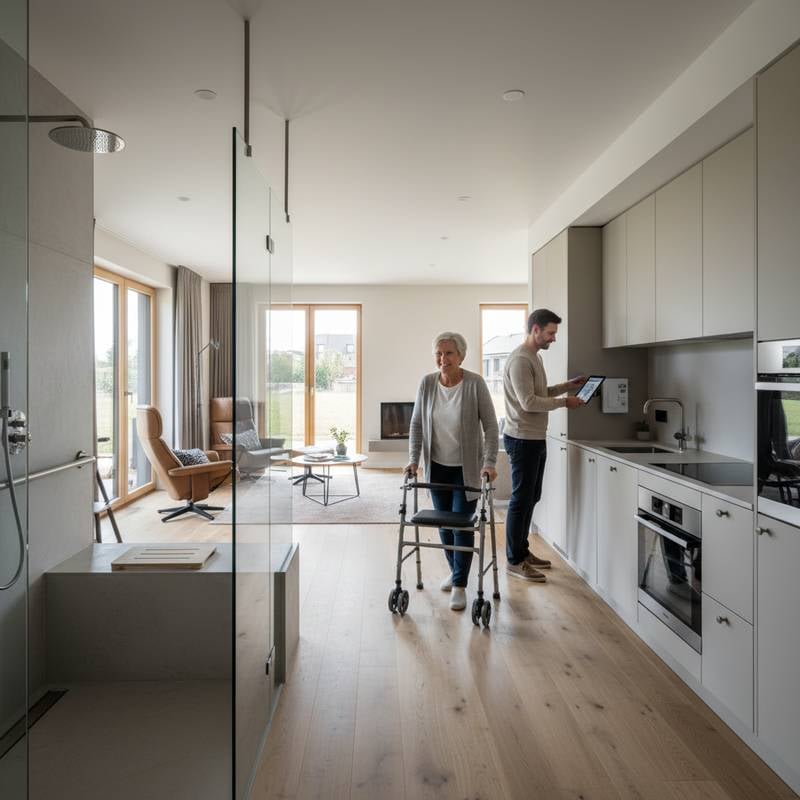
Understanding Aging-in-Place Remodeling Costs in 2025
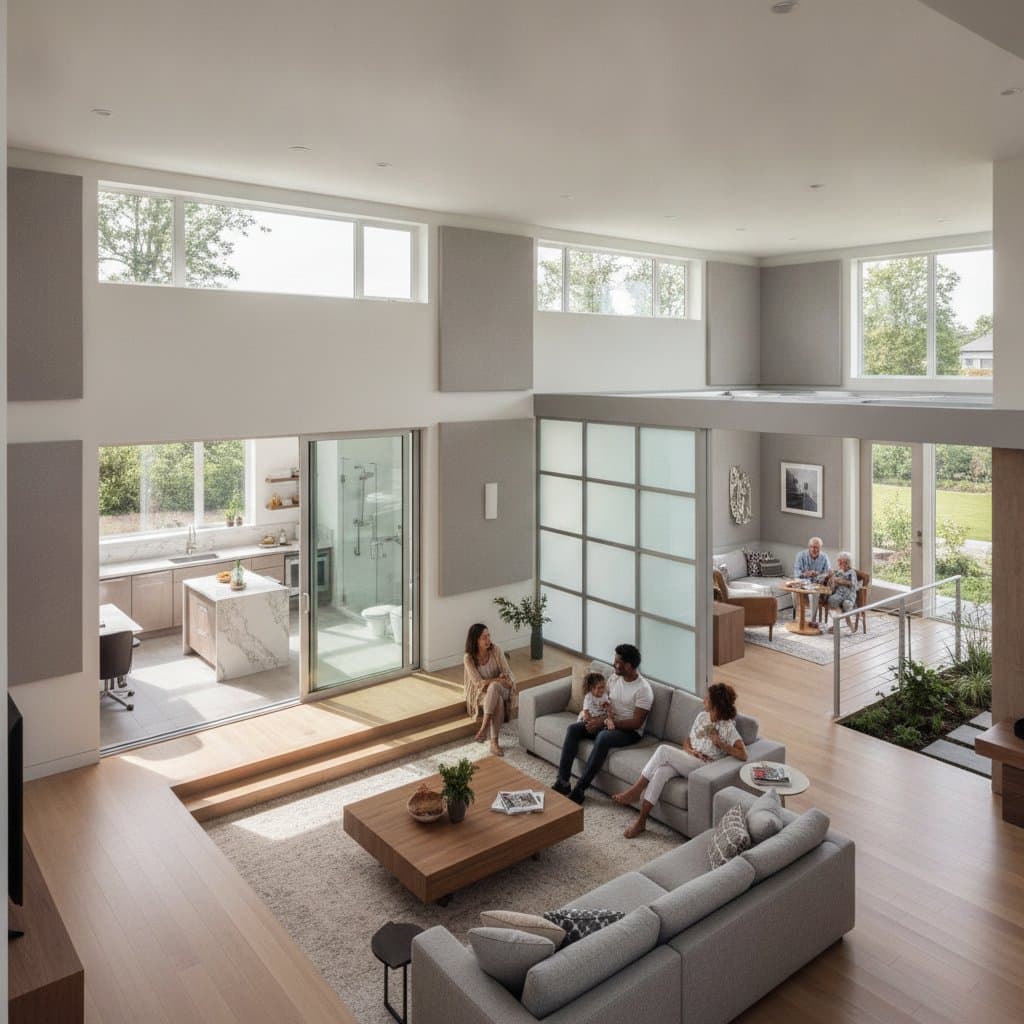
Aging-in-place remodeling enables individuals to remain in their homes as mobility and health needs evolve. These modifications incorporate universal design principles to promote safety and accessibility. This guide details typical expenses, essential features, and key choices for building a supportive living environment.
Project Overview
This resource covers the spectrum of costs for aging-in-place projects grounded in universal design. Readers gain insights into specific modifications, associated investments, and options for self-installation versus hiring experts.
Estimating Costs and Timelines
Expenses for aging-in-place remodels depend on factors such as property size, selected materials, and regional labor rates. Projects generally align with these categories:
- Minor enhancements, including grab bars, lever handles, and improved lighting: $500 to $3,000
- Moderate renovations, such as expanding doorways, adding ramps, and converting to walk-in showers: $8,000 to $25,000
- Comprehensive transformations, encompassing kitchens, bathrooms, flooring, and integrated accessibility systems: $30,000 to $100,000 or higher
Influencing Factors
- Labor rates: Certified professionals bill $50 to $150 per hour, varying by specialty and location.
- Material selections: Items like non-slip surfaces, low-threshold showers, and adaptable cabinetry increase budgets by 10 to 30 percent.
- Regulatory requirements: Permits and inspections range from $100 to $1,000, based on project scale.
- Specialized additions: Elements such as powered lifts, stair glides, and automated home systems contribute $3,000 to $15,000 per unit.
Project Durations
- Self-directed adjustments: Complete small tasks over 1 to 3 weekends.
- Expert-led renovations: Bathroom or kitchen updates span 2 to 8 weeks; whole-home overhauls extend further.
Skill level: Moderate to advanced. Simple safety measures suit skilled homeowners, while structural or utility alterations demand certified expertise.
Choosing Between DIY and Professional Installation
Suitable DIY Tasks
Homeowners with basic tools and adherence to safety protocols can handle these:
- Mounting grab bars into wall studs.
- Swapping traditional knobs for lever-style handles.
- Incorporating motion-activated lights or energy-efficient LEDs.
- Fastening rugs and placing anti-slip mats.
Material costs for these range from $50 to $500, with rapid completion possible.
Tasks Requiring Professionals
Engage specialists for modifications involving structure or regulatory standards:
- Expanding doorways or adjusting load-bearing elements.
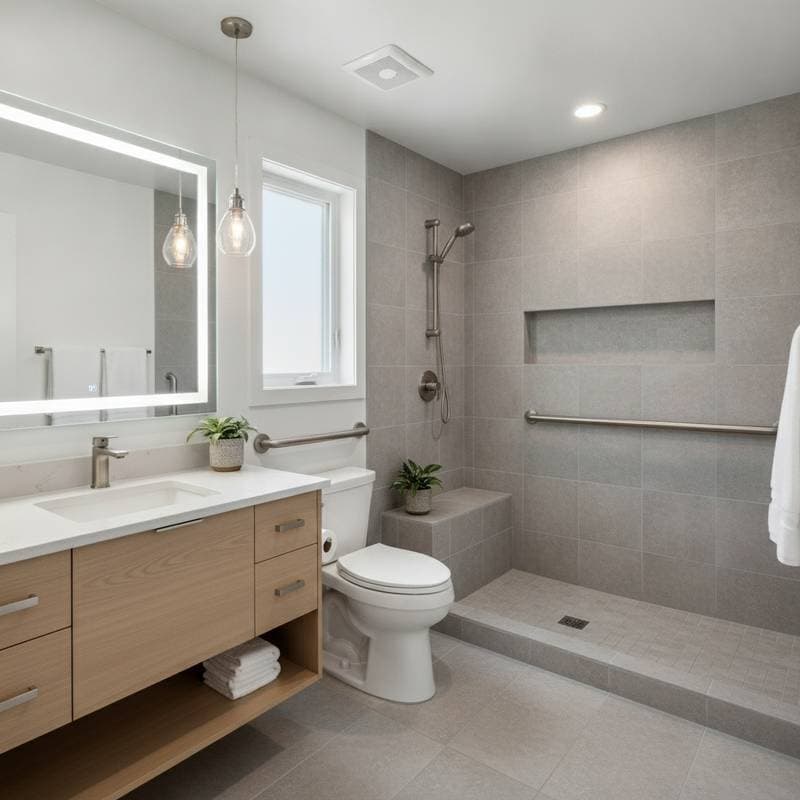
- Transforming tubs into accessible roll-in showers.
- Fitting stair lifts, elevators, or ramps with stable foundations.
- Enhancing electrical and plumbing for inclusive access.
Expert involvement elevates expenses yet guarantees compliance, durability, and risk reduction. Rates for intricate work fall between $75 and $250 per square foot.
Detailed Guide: Enhancing Bathroom Accessibility
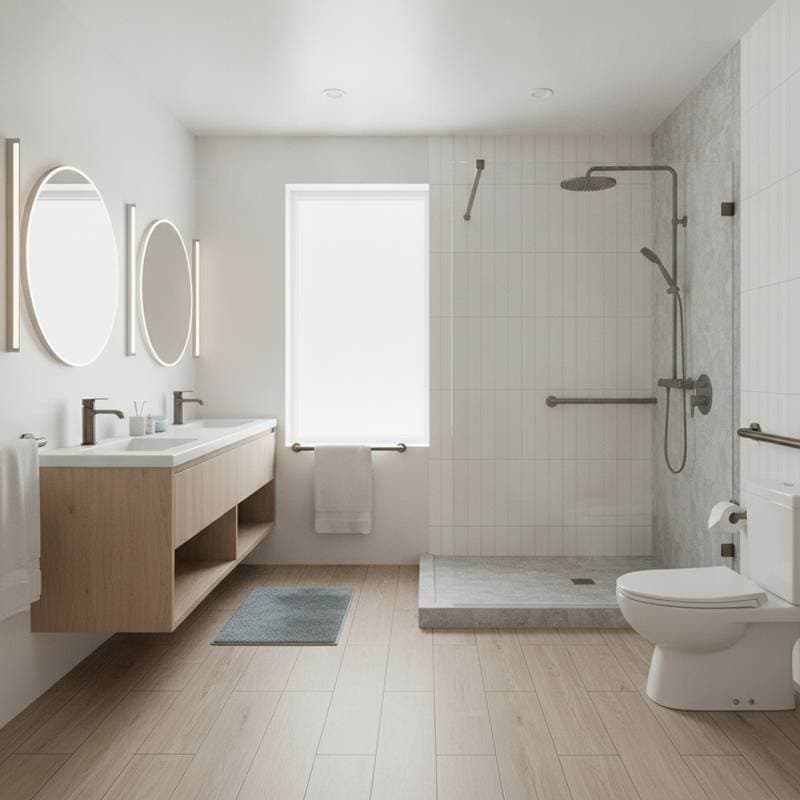
Bathrooms represent a primary focus for aging-in-place improvements, given their slip hazards and frequent use.
Required Tools and Supplies
- Stud detector, power drill, and spirit level.
- Heavy-duty waterproof anchors supporting at least 250 pounds.
- Grab bars measuring 18 to 36 inches.
- Textured non-slip tiles or resilient vinyl flooring.
- Walk-in shower components or minimal-threshold bases.
- Elevated toilet compliant with ADA standards (17 to 19 inches high).
Installation Process
-
Design the space. Assess room for wheelchair or walker navigation. Ensure minimum 36-inch clearances around fixtures.
Verification: Space permits fluid movement without awkward maneuvers. -
Secure support bars. Identify studs and affix bars adjacent to the toilet, shower, and bathtub.
Verification: Bars withstand full body weight securely. -
Update the floor surface. Eliminate smooth or hazardous materials. Lay textured tiles or vinyl for grip.
Verification: Surface provides firm, dry footing. -
Modify the shower area. Select a barrier-free model with adjustable showerhead and integrated seating.
Verification: Threshold aligns with floor level and drainage functions efficiently. -
Optimize fixture elevations. Install a raised toilet and position shelves plus mirrors for seated or standing use.
Verification: All elements accessible from various heights. -
Enhance illumination and airflow. Integrate shadow-free LED lighting and a low-noise ventilation system.
Verification: Areas remain well-lit without shadows; post-use humidity dissipates quickly.
Essential Safety Precautions
- Electrical risks: Disconnect power prior to outlet or fixture changes. Install ground-fault circuit interrupters in moist zones.
- Slip prevention: Don non-skid shoes and maintain dry surfaces.
- Personal protection: Employ gloves, eye shields, and padding during removal or installation phases.
- Preparation steps: Review municipal codes for accessibility mandates and secure necessary approvals.
Resolving Issues and Final Inspections
Issue: Unstable grab bar.
Solution: Reinforce attachment to studs or use load-rated anchors.
Issue: Standing water at shower edge.
Solution: Recalibrate pitch or upgrade drain for optimal runoff.
Issue: Restricted doorway for aids.
Solution: Fit a 36-inch door with swing-clear hinges for added width.
Overall assessment: Confirm level surfaces, firm fixtures, and uniform lighting free of blinding spots.
Post-Project Cleanup
Clear away remnants, outdated components, and wrappings without delay. Sort metals and tiles for recycling. Direct adhesives, coatings, and sealants to designated disposal sites. Maintain unobstructed paths to avoid accidents.
Ongoing Care and Durability
- Support hardware: Examine semiannually for stability and corrosion.
- Grip flooring: Wipe weekly with gentle cleaners; renew if traction diminishes.
- Illumination sources: Swap bulbs to sustain or boost output as required.
- Shower barriers: Refresh caulking biennially to avert moisture intrusion.
- Sanitary fixtures: Anticipate 10 to 15 years of service through diligent care.
Routine attention sustains performance and prolongs value.
Indicators for Professional Assistance
Seek certified help for:
- Alterations to foundational walls.
- Relocation of pipes or wiring.
- Projects necessitating approvals or evaluations.
- Integration of lifts, platforms, or expansive ramps.
Standard Expert Expenses
- Bathroom overhauls: $10,000 to $35,000
- Kitchen adaptations: $15,000 to $40,000
- Complete residence updates: $50,000 to $120,000
- Vertical mobility solutions: $3,000 to $25,000
Selecting Reliable Contractors
- Confirm credentials and coverage.
- Obtain itemized proposals in writing.
- Review portfolios of comparable undertakings.
- Secure assurances on workmanship and products.
- Validate knowledge of inclusive standards.
Key Universal Design Elements and Pricing
- Seamless entrances: $800 to $5,000, influenced by gradient and finish.
- Expanded passages: $700 to $2,500 per portal.
- Ergonomic handles: $40 to $150 each.
- Variable counters: $1,500 to $4,000.
- Automated illumination: $200 to $1,000.
- Voice-activated controls: $500 to $2,000 for comprehensive setup.
These enhancements foster inclusivity, minimize upkeep, and lower injury potential.
Strategies for Optimal Results
- Commission an expert evaluation to pinpoint vulnerabilities.
- Prioritize utility over appearance initially.
- Bundle tasks, like doorway expansions with floor renewals, to economize on labor.
- Select materials certified for damp conditions.
- Anticipate evolving requirements proactively.
Frequently Asked Questions
What defines universal design?
It develops environments usable by people of diverse ages and capabilities.
Are permits required for these modifications?
Structural, utility, or electrical alterations typically demand local authorization.
What financing options exist?
Home equity financing or community grants often support such initiatives.
What timelines apply to these projects?
Minor changes finish in days; extensive redesigns span weeks.
Do these features serve only older adults?
They aid individuals with mobility challenges, recoveries, or family caregiving needs.
Sustaining Long-Term Benefits
Investments in aging-in-place adaptations secure comfort, security, and autonomy. Quality choices and periodic reviews adapt spaces to changing circumstances, preserving both property worth and personal well-being.