The 2025 Costs That Make Aging-in-Place Affordable
Quick Answer
Aging-in-place remodeling enables homeowners to remain in their residences safely and comfortably as they age. Project expenses typically range from $5,000 to $45,000, based on the home size and specific requirements. Simple, do-it-yourself tasks such as installing grab bars or upgrading lighting require only a few hours. More extensive modifications, including bathroom conversions or doorway widening, demand one to four weeks and usually necessitate a licensed contractor. Difficulty levels span from easy to advanced. Primary risks include slips, electrical shocks, or plumbing leaks, which underscores the importance of thorough safety preparations.
Step-by-Step Instructions
1. Assess Your Home’s Accessibility
Conduct a thorough walkthrough of each room using a detailed checklist. Identify tripping hazards, narrow doorways, inadequate lighting, or switches that prove difficult to reach.
- Measure the width of all doorways; those narrower than 32 inches may impede wheelchair access.
- Verify the presence of at least one step-free entry point to the home.
Success Check: Compile a comprehensive list of problem areas along with prioritized action items.
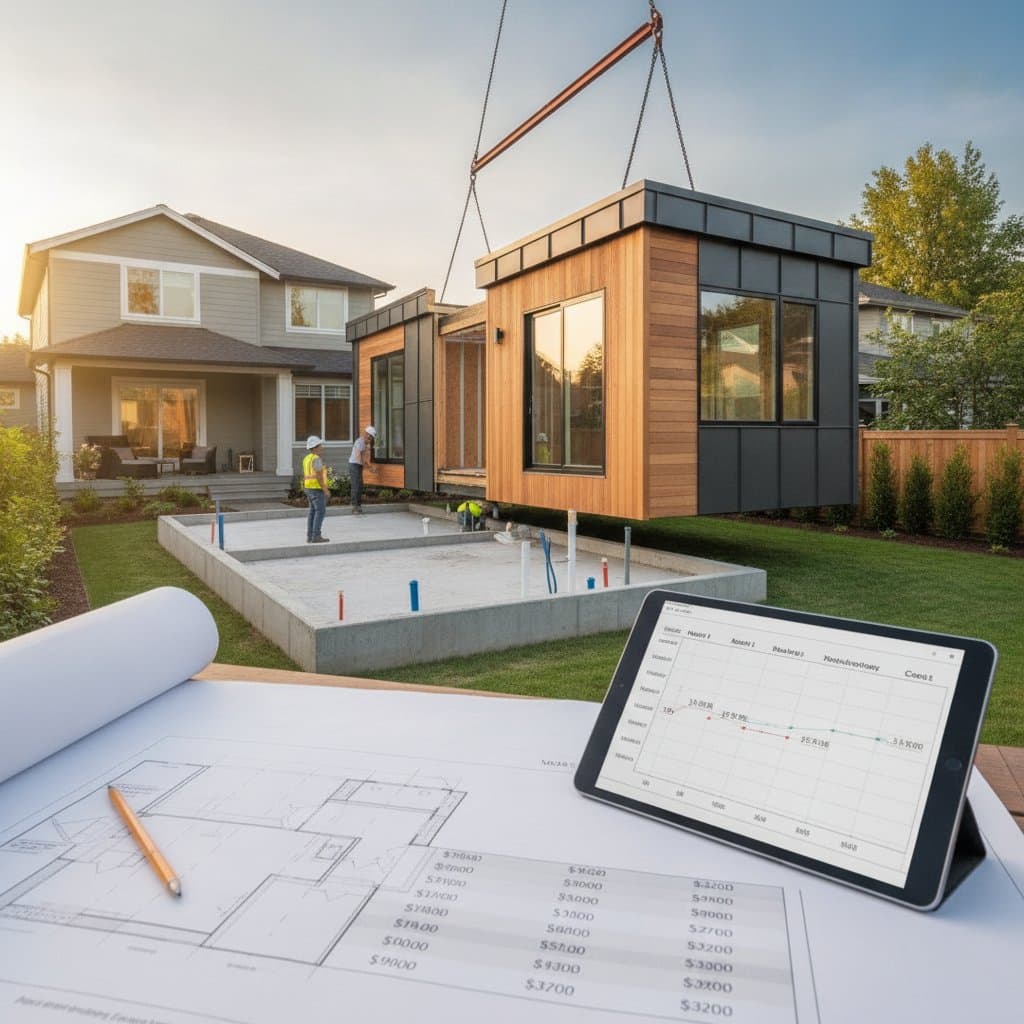
2. Plan a Realistic Budget
Calculate expenses for materials, labor, and necessary permits.
- Basic updates, such as grab bars, range from $100 to $400 per unit.
- Doorway widening or threshold ramps cost $800 to $2,000 per opening.
- Bathroom conversions fall between $10,000 and $25,000.
- Comprehensive home renovations average $25,000 to $45,000.
Success Check: Incorporate a minimum 10 percent contingency fund to address unforeseen challenges.
3. Improve Lighting and Visibility
Substitute dim bulbs with high-lumen LED fixtures that emit 2,700 to 3,000 Kelvin for a warm glow. Position motion-activated night lights in hallways, bathrooms, and other high-traffic zones.
Electrical Hazard: Disconnect power at the breaker before handling any wiring, and verify absence of voltage with a reliable tester.
Success Check: Ensure all essential areas receive ample illumination without excessive glare or persistent shadows.
4. Add Grab Bars and Handrails
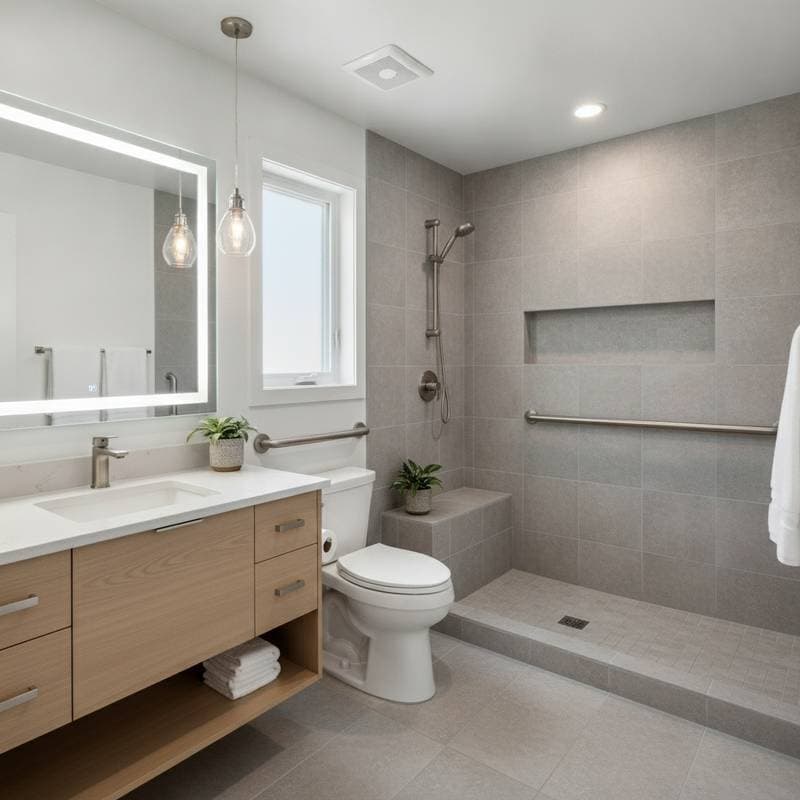
Secure grab bars in shower enclosures, adjacent to toilets, and alongside staircases. Anchor them firmly into wall studs or employ mounting hardware certified to bear substantial weight.
Fall Risk: Avoid adhesive mounts or installations into hollow walls, as they lack sufficient stability.
Success Check: Confirm that each bar withstands full body weight without shifting or loosening.
5. Replace Knobs and Handles
Exchange traditional round doorknobs and faucet handles for lever-style alternatives. These designs accommodate individuals with reduced grip strength or conditions like arthritis.
Success Check: Verify that doors and fixtures operate effortlessly with minimal pressure.
6. Modify the Bathroom for Accessibility
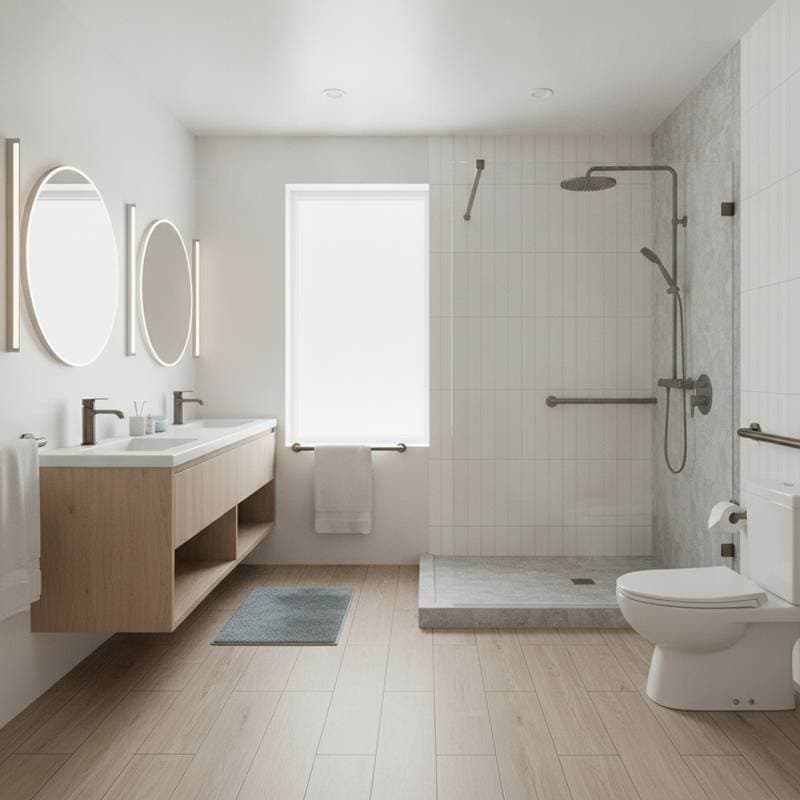
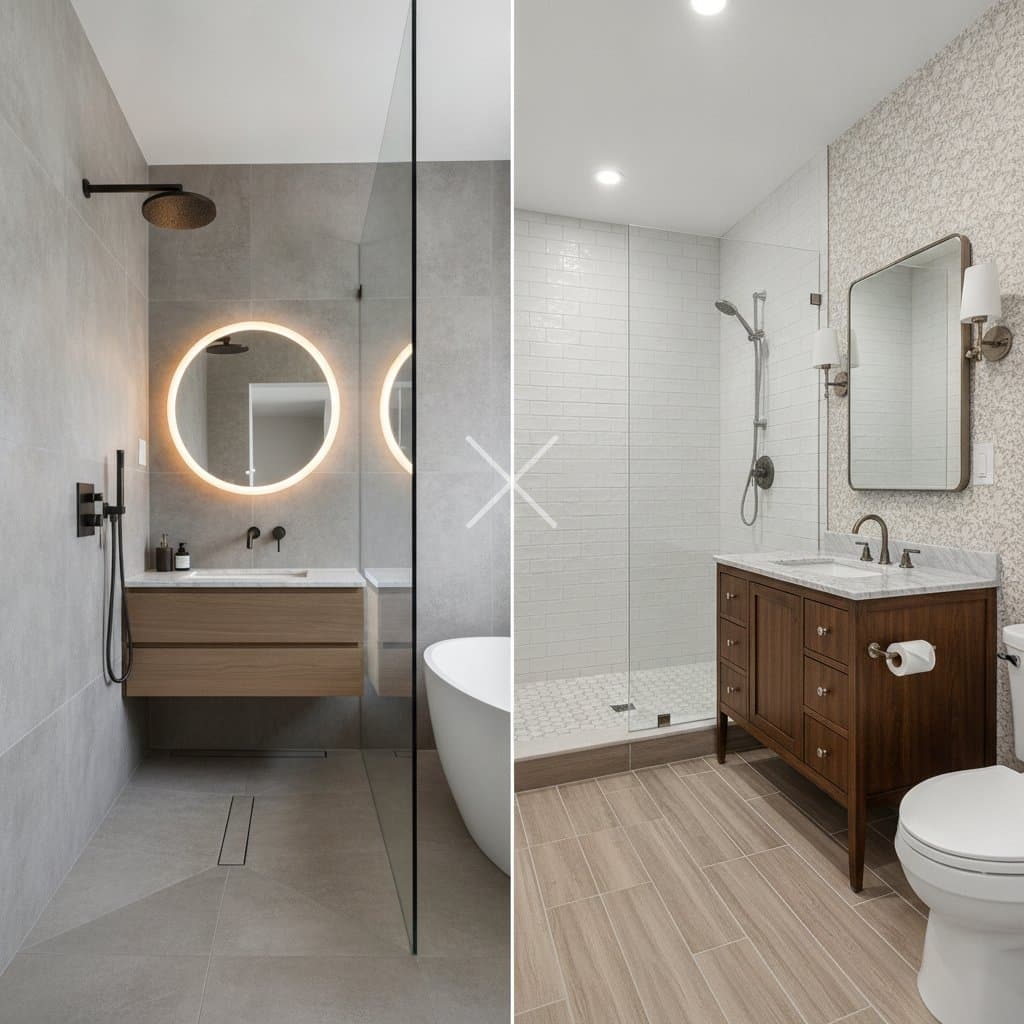
For those with mobility limitations, opt for curbless showers or walk-in tubs. Incorporate a handheld showerhead mounted on an adjustable slide bar, paired with non-slip flooring suitable for wet environments.
Plumbing Risk: Engage a licensed plumber for alterations involving drains or supply lines to prevent complications.
Success Check: Observe that water drains uniformly and all surfaces maintain resistance to slipping.
7. Adjust Flooring and Thresholds
Eliminate loose rugs and install low-pile, slip-resistant flooring options. Apply transition strips or portable ramps at points where floor levels vary.
Success Check: Navigate seamlessly between rooms without risk of tripping or foot entanglement.
8. Upgrade Entryways and Pathways
Construct ramps adhering to a 1:12 slope ratio, meaning one inch of rise per 12 inches of run. Equip ramps with railings on both sides to enhance stability.
Structural Risk: Consult a professional contractor to guarantee proper anchoring and compliance with local building codes.
Success Check: Enter and exit the home securely without requiring external assistance.
9. Improve Kitchen Accessibility
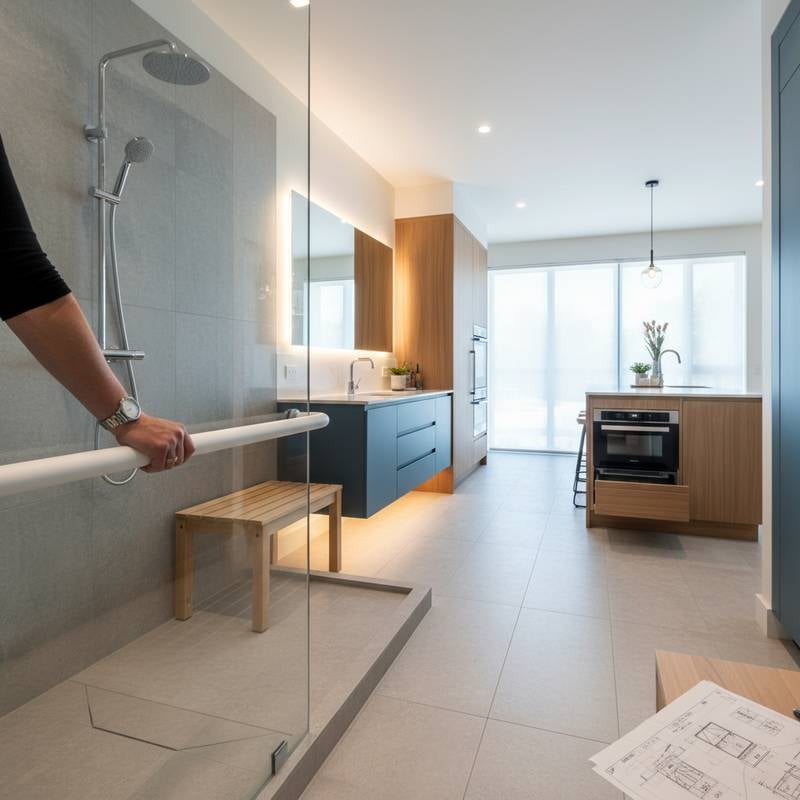
Reduce the height of select countertop sections to 34 inches to facilitate easier access. Integrate pull-out shelves and soft-close drawers for convenient storage. Select appliances featuring front-mounted controls to minimize reaching.
Success Check: Access all storage spaces without excessive strain or awkward postures.
10. Review for Long-Term Maintenance
Perform monthly inspections of all modifications. Tighten any loose hardware, replace deteriorated seals, and maintain grab bars in a clean, dry condition.
Success Check: All features operate reliably without signs of wear or instability.
Quality Checks and Troubleshooting
Common Failure Points
- Grab bars insufficiently anchored to studs
- Ramps exceeding recommended slope limits
- Lighting installations producing glare
- Door handles positioned at improper heights
Simple Fixes
- Reinstall grab bars with appropriate stud anchors for secure hold.
- Modify ramp dimensions to align with 1:12 slope standards.
- Install diffusers or opt for lower-wattage bulbs to mitigate glare.
- Adjust handle placements to 34 to 48 inches from the floor level.
When to Call a Pro
Engage a licensed contractor for projects impacting plumbing systems, electrical wiring, or structural elements. Regional pricing varies, but anticipate the following:
- Grab bar installation: $150 to $300 per unit
- Doorway widening: $900 to $2,000
- Bathroom remodel: $12,000 to $25,000
- Full-home renovation: $30,000 to $45,000
To evaluate potential contractors:
- Request verification of licensing and insurance coverage.
- Obtain detailed written estimates outlining individual costs.
- Review references and online feedback from previous clients.
- Ensure adherence to universal design principles and ADA-inspired accessibility standards.
Pro Tips for Success
- Prioritize modifications in frequently used areas, such as bathrooms, kitchens, and entry points.
- Bundle multiple upgrades into a single project to reduce labor and permitting expenses.
- Select moisture-resistant and durable finishes to withstand daily use.
- Incorporate neutral palettes and straightforward designs that appeal across generations.
- Test every new installation thoroughly prior to completion.
Building a Home for Lasting Independence
Strategic aging-in-place renovations safeguard personal safety, enhance daily comfort, and preserve autonomy for the long term. Direct budget allocations toward essential improvements, verify alignment with code regulations, and recognize the value of professional expertise. With intentional planning and high-quality materials, homeowners achieve a residence that adapts seamlessly to evolving needs, rendering graceful aging both feasible and financially attainable.