Why Backyard ADU Costs Are Rising in 2025
A backyard accessory dwelling unit, commonly known as an ADU, provides versatile living space and boosts property value. Homeowners build these units to accommodate family, generate rental income, or establish a personal workspace. Grasping the elements that shape construction expenses enables effective financial planning. This article examines the factors affecting ADU pricing, provides expected expenditure ranges, and offers strategies to align quality with fiscal constraints.
The Evolving Landscape of ADU Expenses
An ADU functions as an independent residential unit on the same property as the primary residence. It features essential amenities such as a kitchenette, bathroom, and sleeping quarters, either detached or attached. Pricing varies based on dimensions, architectural details, terrain challenges, and regional codes.
Homeowners frequently encounter unforeseen costs related to land preparation, equipment access, and infrastructure integration. Choices like expansive windows or premium surface treatments can elevate the overall investment by substantial amounts. In 2025, inflationary pressures on materials and labor contribute to these upward trends, making precise estimation crucial.
Primary Influences on Backyard ADU Pricing
1. Dimensions and Configuration
Square footage remains the dominant factor in ADU expenses. A compact 400-square-foot studio incurs lower costs than a 1,000-square-foot two-bedroom unit with complete kitchen facilities and laundry provisions. Smaller designs often carry higher per-square-foot rates due to unavoidable fixed expenses for systems like plumbing and wiring.
Recommendation: Optimize space utilization through multifunctional areas. Incorporate open-concept layouts and integrated shelving to enhance perceived spaciousness without expanding the footprint.
2. Building Approach
Options include ground-up construction, adaptation of existing buildings, or assembly of prefabricated components. Each method presents unique financial considerations.
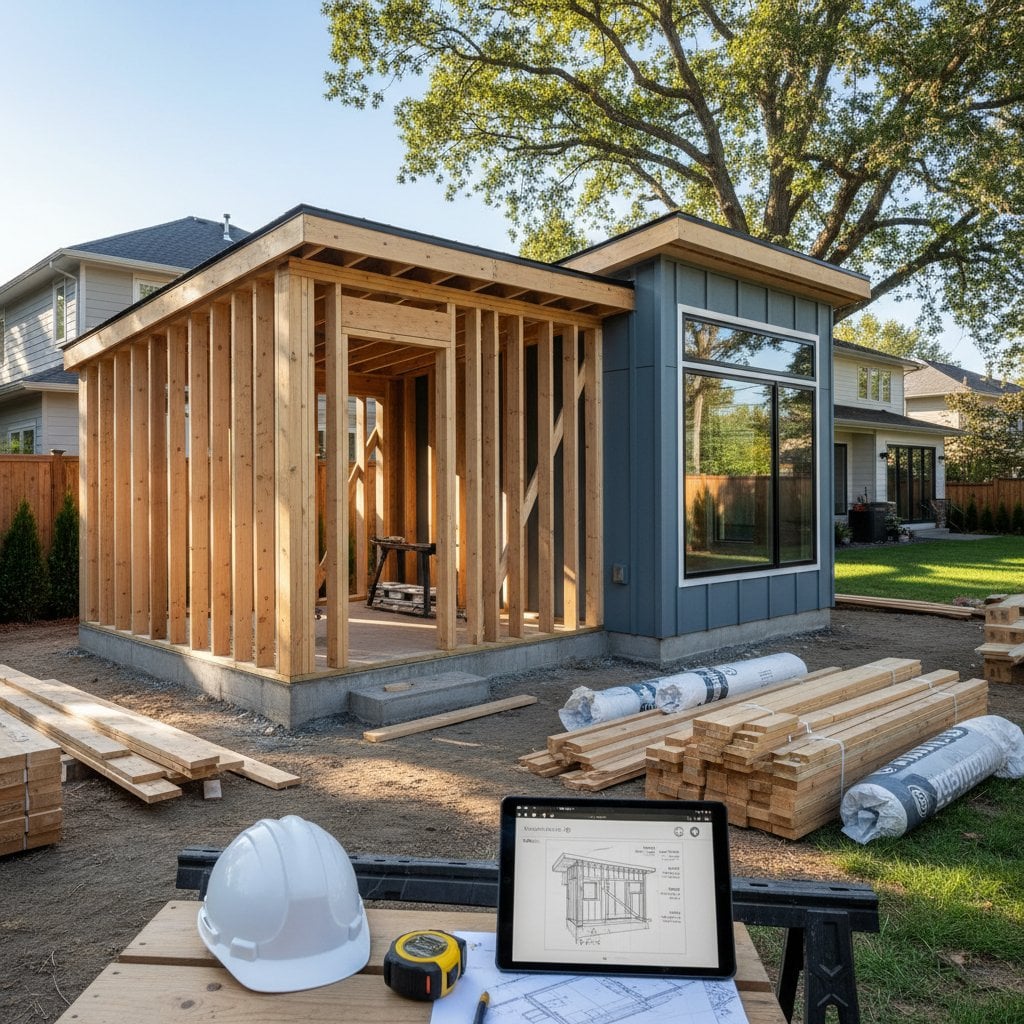
- Ground-up builds: Allow complete customization but demand comprehensive site development, foundational work, and service installations.
- Existing structure adaptations: Typically more economical, yet necessitate reinforcements for stability or enhanced thermal barriers.
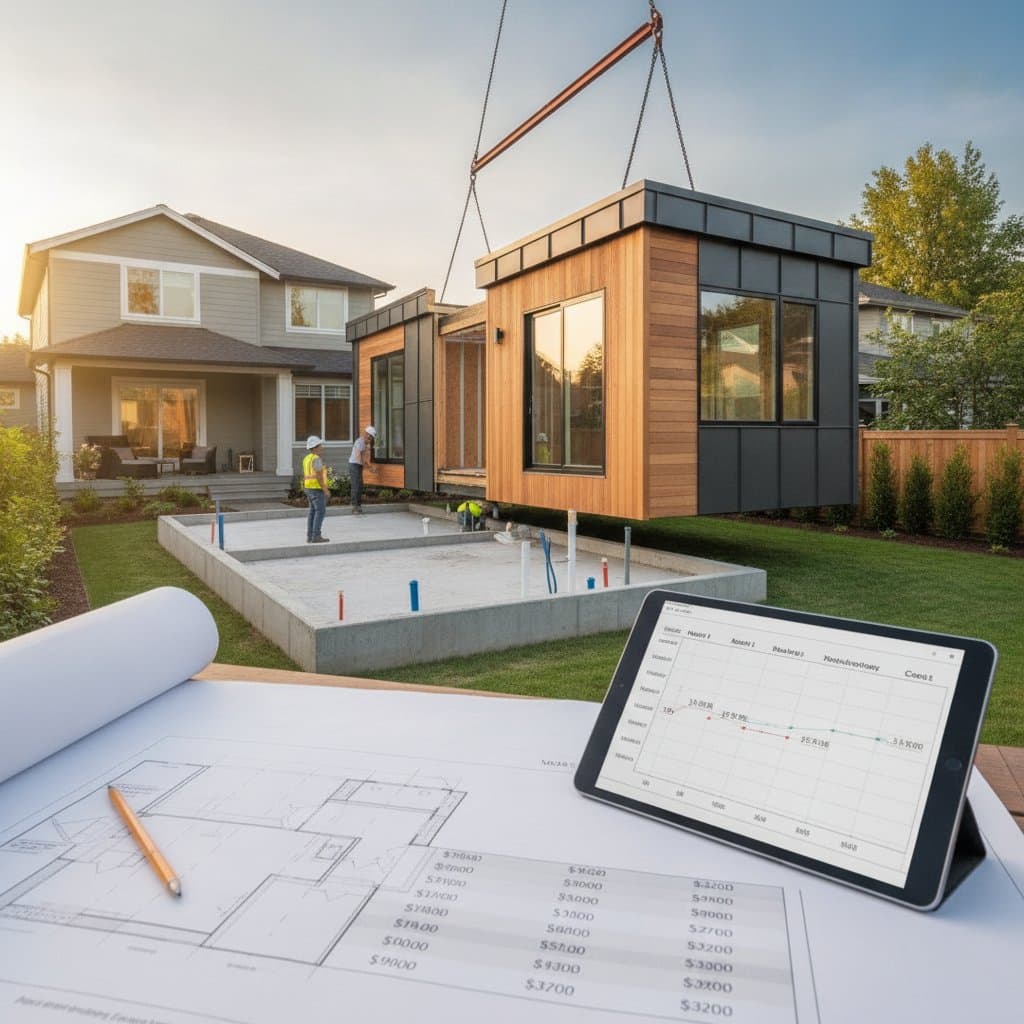
- Prefabricated assemblies: Deliver quicker timelines and stable projections, although delivery logistics and on-site setup contribute additional charges.
3. Aesthetic and Material Selections
The caliber of materials and stylistic elements affects initial outlay and enduring performance. Options such as durable fiber-cement exteriors, resilient metal coverings, and insulated glazing elevate costs yet minimize future upkeep. Internal elements like resilient flooring and solid-surface counters similarly impact the total.
Coordination suggestion: Select exteriors that harmonize with the primary dwelling. Consistent textures or hues unify the site aesthetically and elevate overall attractiveness.
4. Regulatory Approvals and Charges
Local jurisdictions impose diverse permitting standards, with associated fees fluctuating significantly. Requirements may encompass structural blueprints, ecological assessments, or infrastructure authorizations. Certain areas provide expedited processes for ADUs, which curtail expenses and timelines, though availability depends on municipal policies.
5. Groundwork and Infrastructure Extensions
Challenging topography, vegetation clearance, or unstable subsoil escalates foundational expenditures. Linking water, drainage, and power sources to the main structure adds to the budget. Properties with restricted entry points or remote positioning prolong construction durations and amplify logistics costs.
6. Workforce and Expertise
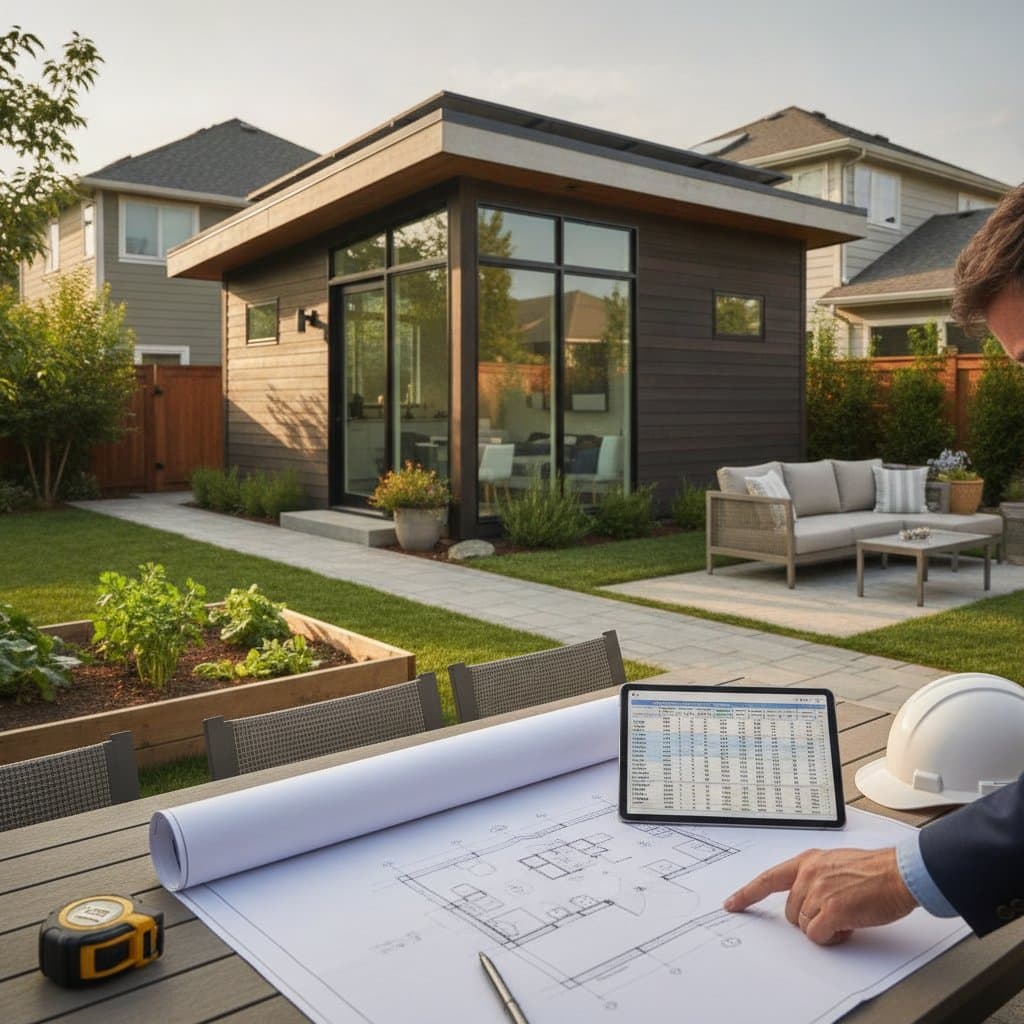
Engaging qualified specialists guarantees adherence to standards and structural integrity. Compensation covers architectural drafting, engineering analysis, and certified installation teams. Regional workforce availability or market demand further modulates rates in 2025.
Expected Expenditure Categories for Backyard ADUs
Precise figures hinge on geographic location and specifications, yet these benchmarks offer orientation for 2025 estimates, assuming average U.S. markets:
- Garage adaptations: $80,000 to $150,000, encompassing reinforcements and basic amenities.
- Detached studios or one-bedroom units: $120,000 to $250,000, including full utilities and standard finishes.
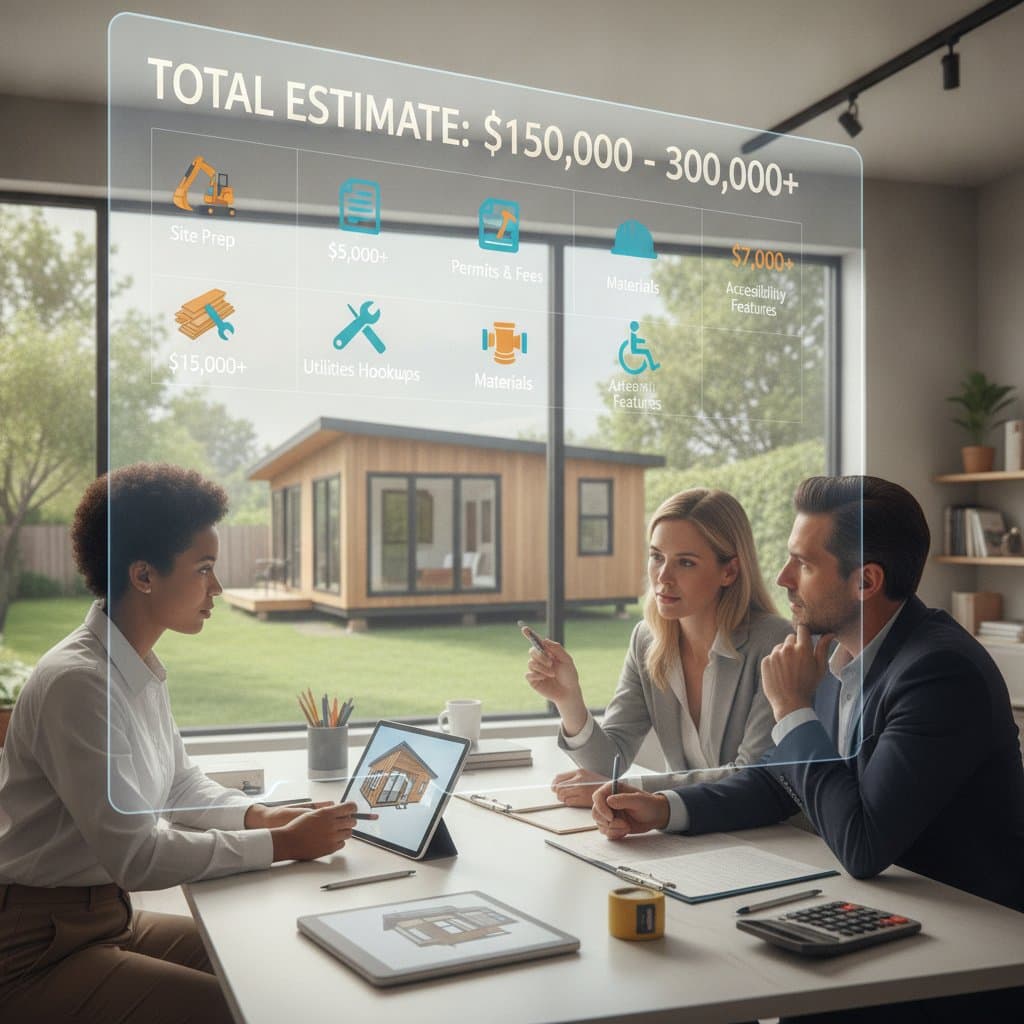
- Expansive two-bedroom or bespoke designs: $250,000 to $400,000 or more, factoring in advanced features and site complexities.
These ranges typically incorporate design, approvals, base structure, assembly, and basic interiors, excluding external enhancements or movable items. Additions such as photovoltaic systems, bespoke storage, or superior surfacing increase the sum accordingly.
Strategies to Control Expenses While Preserving Standards
View the ADU as a strategic asset, where deliberate decisions curb outlays without compromising reliability.
Effective budget management techniques:
- Streamline architectural elements. Employ simple geometries and reduced perimeters to lessen material usage and labor demands.
- Opt for balanced interior options. Select hardy vinyl plank surfaces or laminate counters that mimic luxury appearances at moderate prices.
- Anticipate infrastructure paths. Collaborate with installers upfront to map efficient routes and avert retroactive adjustments.
- Engage area-specific experts. Local teams versed in regulations expedite processes and mitigate compliance issues.
- Sequence external developments. Prioritize the core structure, deferring garden or pathway additions until funds permit.
Real-World ADU Illustrations and Design Ideas
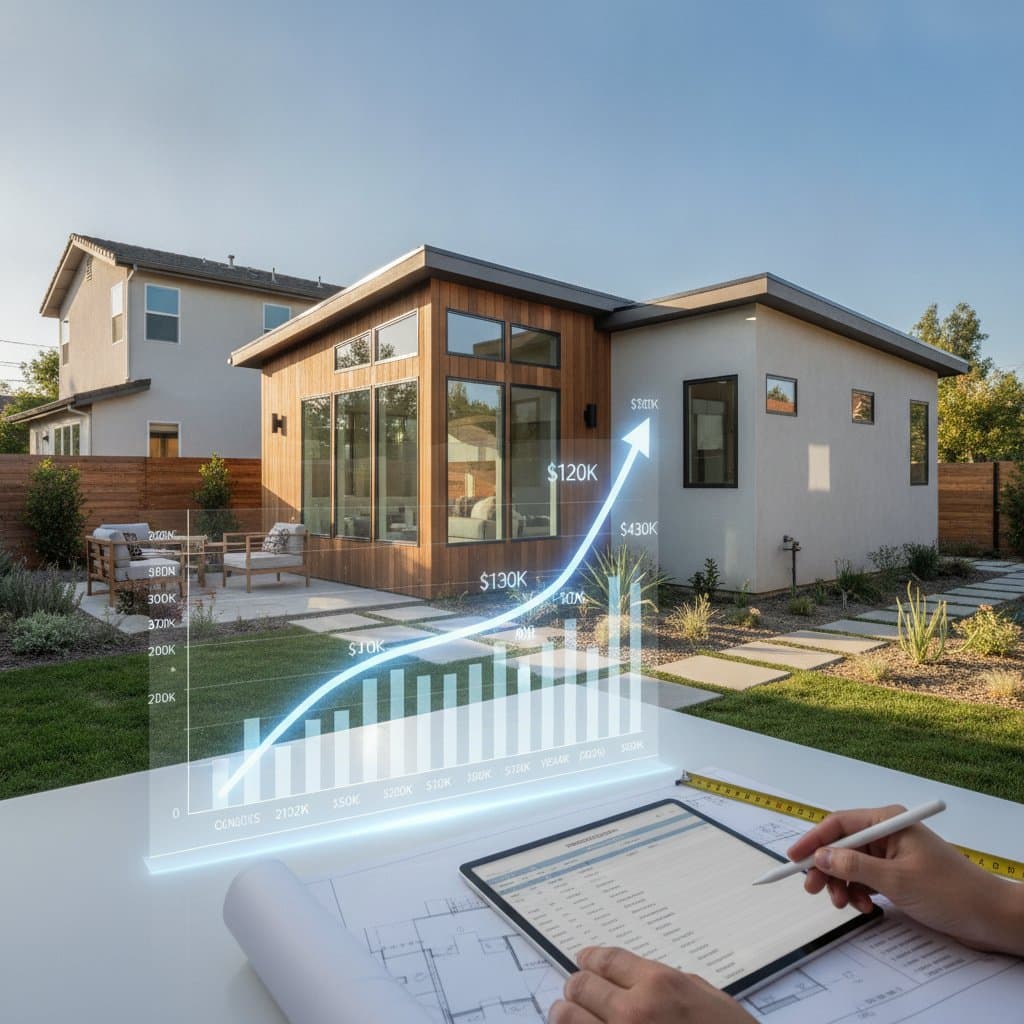
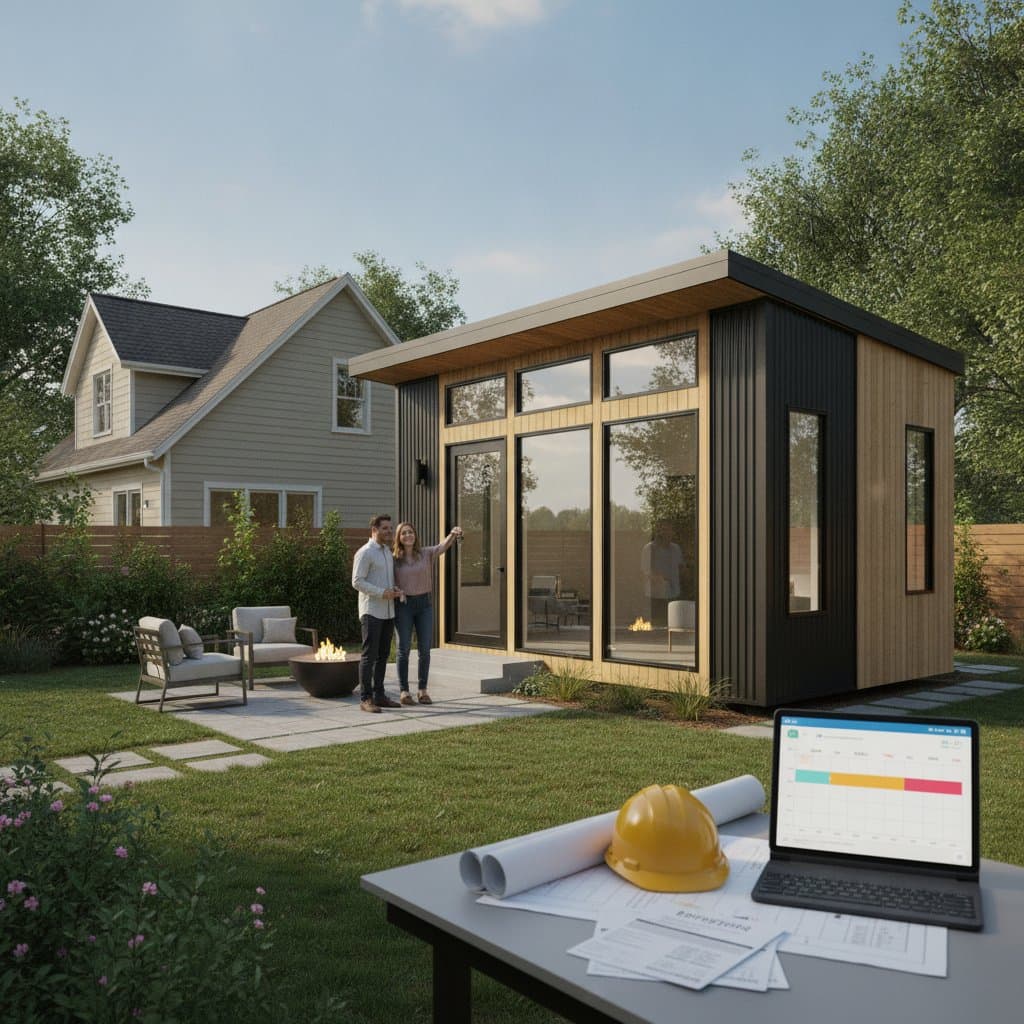
- Contemporary Cottage Example: A 600-square-foot standalone with vertical wood cladding and a standing-seam roof integrates seamlessly into modern settings. Black-framed openings and natural interior tones provide a sophisticated ambiance.
- Traditional Accessory Unit: A single-bedroom configuration featuring horizontal plank siding and crisp borders aligns with classic architecture. Include a covered entry and multi-pane doors to infuse welcoming character.
- Compact Workspace: A 300-square-foot minimalistic build using board-and-batten panels and high-level glazing suits supplemental or artistic purposes.
Material decisions shape ambiance and resilience. Pale outer layers deflect solar gain in sunny regions, whereas deeper shades merge with forested environments. Evaluate orientation and humidity to predict surface degradation and select accordingly.
Deciding Between Professional Assistance and Self-Management
Skilled individuals may manage superficial elements like coating applications or yard arrangements, but ADU endeavors generally require certified oversight. Systems for power, water flow, and load-bearing must conform to ordinances. A project manager orchestrates these components to maintain progress.
Self-directed efforts suit cosmetic phases such as wall treatments or fixture mounting, provided adequate equipment and proficiency exist. For elevated or intricate assemblies, expert supervision safeguards welfare and fiscal returns.
Steps to Launch Your Cost-Effective ADU Project
Initiate with clear objectives, such as accommodating visitors, securing revenue, or carving out seclusion. Solicit comprehensive quotes from accredited firms experienced in compact housing. Adjust visions for practicality, reallocating resources toward superior barriers or efficient fixtures that yield savings in operations.
These enhancements compound benefits via reduced utility demands and upkeep needs. An ADU redefines site utility and appreciation. Through comprehension of pricing dynamics and judicious selections, homeowners craft enduring, harmonious extensions that enrich daily life.