2025 Backyard Cottage Costs: Strategies for Efficient Construction and Savings
Project Overview
A backyard cottage, commonly referred to as an accessory dwelling unit (ADU), provides additional living space and increases property value. This guide details prevailing costs for backyard cottages, expected timelines, and effective methods to reduce expenses while maintaining high construction standards.
Cost Breakdown and Timeline Projections
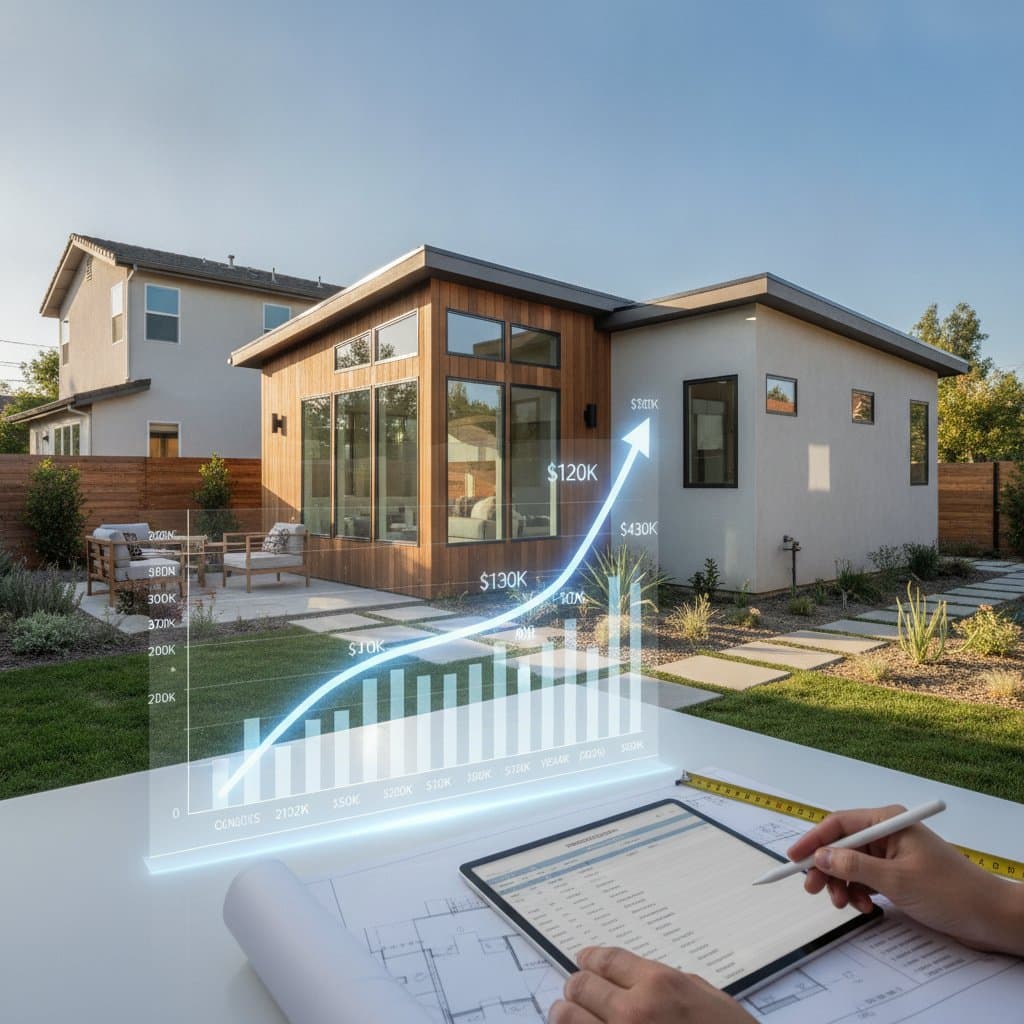
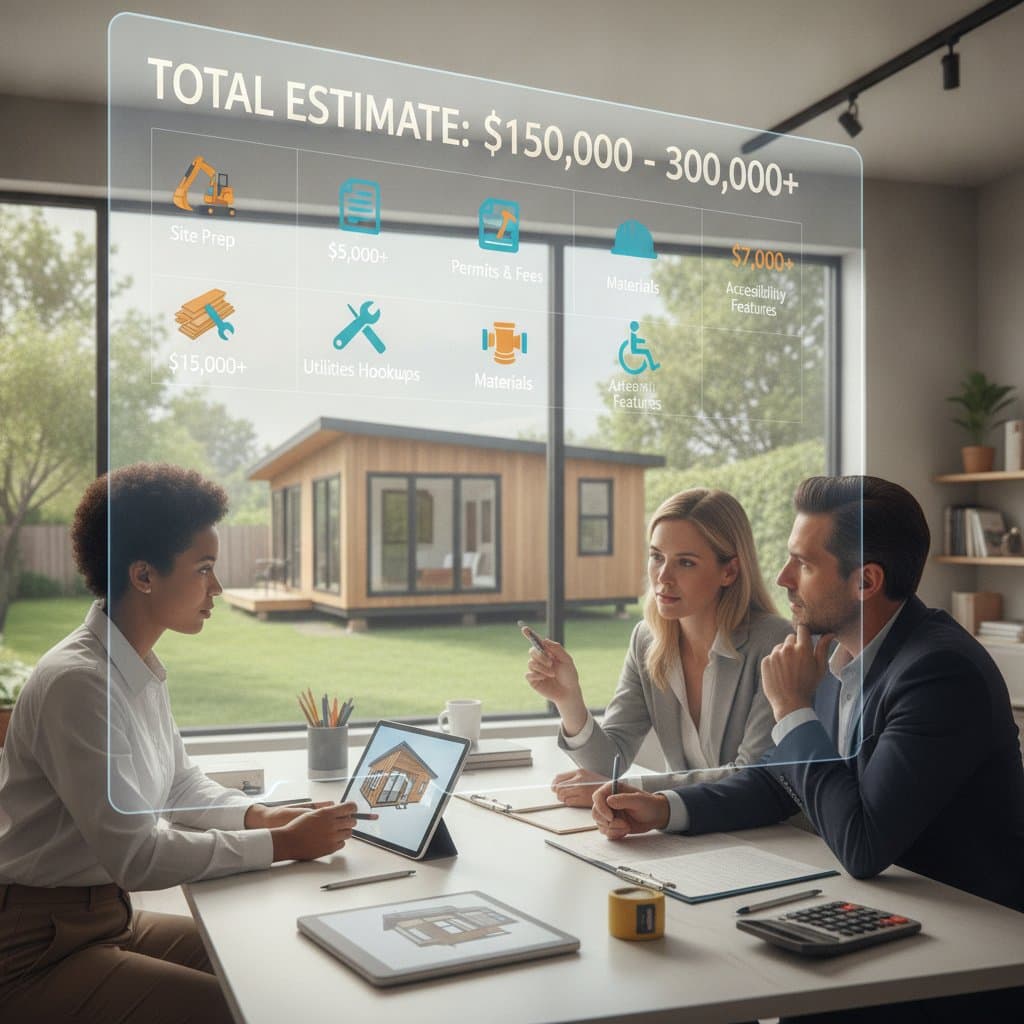
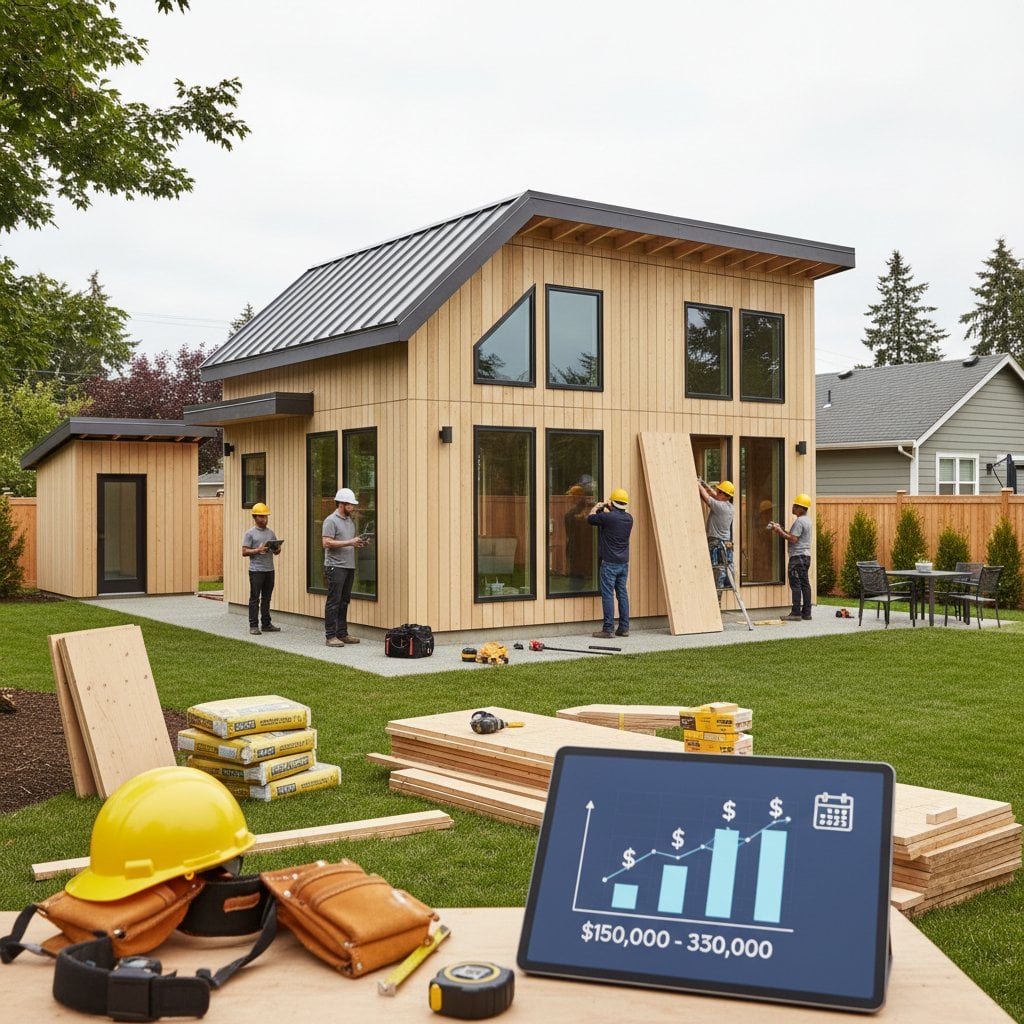
The typical expense for constructing a backyard cottage falls between $150,000 and $350,000, influenced by factors such as dimensions, geographic location, material selections, and finish quality. Compact prefabricated models approach the lower boundary, whereas bespoke designs featuring complete kitchens and bathrooms extend toward the upper limit.
Primary Cost Influences:
- Dimensions and Configuration: A 400-square-foot studio incurs lower costs than an 800-square-foot one-bedroom unit.
- Foundation Options: Slab foundations prove more economical than crawl spaces or basements.
- Utility Extensions: Connecting water, sewer, and electrical services may contribute $10,000 to $30,000.
- Permitting and Planning: Municipal charges and design documents vary from $3,000 to $15,000.
- Interior and Exterior Finishes: Fundamental materials lower expenses, but elements like ceramic tile, solid hardwood flooring, and bespoke cabinetry elevate them.
Construction Duration:
- Prefabricated or Kit-Based Assembly: 2 to 4 months
- Custom Builds Involving Permits: 6 to 10 months
Project Complexity: Advanced. Structural engineering, electrical systems, and plumbing installations necessitate licensed specialists in most cases.
Comparing DIY and Professional Approaches
Erecting a backyard cottage requires technical expertise and meticulous organization. Certain elements permit owner involvement, yet the majority demand oversight from qualified contractors or tradespeople.
Suitable DIY Tasks:
- Painting, laying flooring, and installing basic trim
- Landscaping enhancements and exterior detailing
- Mounting interior fixtures, including shelving units
Essential Professional Services:
- Site preparation and foundation laying
- Framing, roofing installation, and structural evaluations
- Electrical wiring and plumbing integrations
- Heating, ventilation, and air conditioning setup
- Permit procurement and concluding inspections
Expense Analysis:
- Partial DIY Involvement: $100,000 to $200,000
- Comprehensive Professional Execution: $200,000 to $350,000
Engaging professionals incurs initial outlays but accelerates completion and mitigates risks of regulatory infractions, which could result in substantial remediation fees.
Detailed Construction Process
1. Design and Budget Formulation
Clarify the cottage's intended function, such as rental accommodation, guest quarters, or office space. Establish a feasible budget incorporating a 10 percent allowance for unforeseen expenses.
- Draft preliminary layouts and determine required square footage.
- Review municipal regulations on setbacks, maximum heights, and occupancy capacities.
- Verify zoning permissions for ADU development on the site.
Validation Point: Secure a defined design vision and preliminary cost projection prior to engaging external expertise.
2. Securing Permits and Authorizations
Consult the local building authority regarding necessary approvals. Jurisdictions typically mandate permits for structural, electrical, and plumbing components.
- Provide architectural renderings and site schematics.
- Remit processing fees as required.
- Arrange preliminary inspections if stipulated.
Validation Point: Obtain approved permits prior to commencing site work.
3. Site Preparation
Remove existing vegetation and refuse. Identify underground utilities to prevent disruptions during excavation.
Caution: Electrical Hazard. Engage the utility locator service before any digging operations.
- Level the terrain to facilitate drainage.
- Compact the subsoil to minimize settling risks.
- Outline the foundation boundaries with stakes.
Validation Point: Confirm the site is even, stabilized, and prepared for formwork.
4. Foundation Construction
Backyard cottages commonly employ concrete slab or pier-and-beam foundations.
- Erect formwork and position reinforcing materials.
- Pour concrete uniformly and level the surface.
- Permit complete curing prior to proceeding to framing.
Validation Point: Ensure the foundation remains level within one-quarter inch over its entirety.
5. Structural Framing
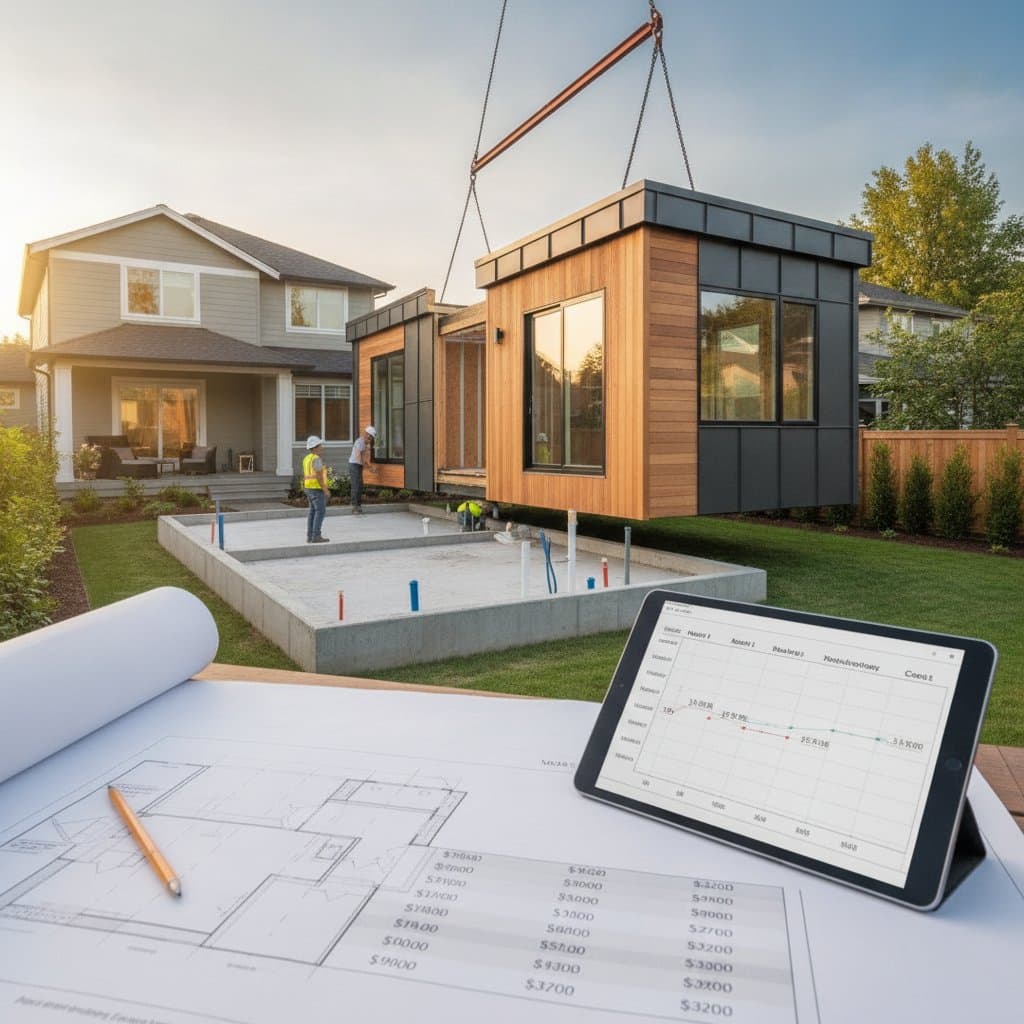
Construct wall sections on the ground level before elevating them.
- Employ pressure-treated lumber for bottom plates.
- Position roof trusses and apply sheathing.
- Confirm squareness at all corners.
Validation Point: Verify walls are perfectly vertical and roof alignments are precise before advancing.
6. Utility Installations
Following framing approval, integrate rough plumbing, electrical conduits, and HVAC infrastructure.
Warning: Electrical Hazard. Retain certified electricians and plumbers for all integrations.
- Designate positions for outlets, switches, and appliances.
- Conduct tests on water supply and electrical circuits prior to enclosing.
Validation Point: All installations must clear rough-in evaluations before proceeding to insulation and wall coverings.
7. Exterior and Interior Completion
Install siding, roofing materials, and insulation, then address interior elements like drywall, flooring, and hardware.
- Select durable, weatherproof cladding for outer walls.
- Opt for energy-efficient windows and entry doors.
- Apply interior paint and trim as final interior steps.
Validation Point: All surfaces must be sealed, aligned, and finished smoothly in preparation for final review.
8. Integration with Landscape
Incorporate access paths, illumination, and screening features to harmonize the cottage with the primary residence.
- Install resilient gravel or concrete pathways.
- Slope earth away from the base to promote runoff.
- Introduce hardy shrubs or ground covers for aesthetics.
Validation Point: Verify effective drainage and visual unity with the existing landscape.
Essential Safety Measures
- Caution: Fall Risk. Employ secure scaffolding or ladders during elevated tasks like roofing or cladding.
- Warning: Electrical Shock. Deactivate power sources before handling wiring.
- Don personal protective equipment, including gloves, eye shields, and ear defenders, during cutting or fastening activities.
- Maintain access to fire suppression tools and medical supplies on site.
Addressing Challenges and Ensuring Quality
Frequent Problems:
- Irregular Flooring: Reassess foundation alignment and subfloor attachments.
- Moisture Intrusion: Examine sealants and pipe joints.
- Inadequate Thermal Barriers: Ensure complete cavity filling prior to drywall application.
Verification Procedures:
- Apply levels to assess floors and vertical surfaces.
- Activate plumbing fixtures to check for leaks before habitation.
- Scrutinize outer seams for imperviousness to water.
Post-Construction Cleanup
Eliminate residual materials and waste through proper channels following completion.
- Segregate recyclables such as metals, paperboard, and untreated wood.
- Transport hazardous items like paints and solvents to designated disposal sites.
- Smooth and restore turf in affected areas.
Validation Point: The premises must pose no risks and support immediate utilization.
Ongoing Upkeep and Durability
Quality-constructed backyard cottages endure for decades under regular maintenance.
Routine Inspections:
- Examine roof and exterior annually for wear.
- Maintain HVAC units seasonally.
- Refresh outer coatings every five to seven years.
- Validate smoke and carbon monoxide alarms monthly.
Expected Longevity:
- Structural frame and base: 50 years or longer
- Roof covering: 20 to 30 years
- Interior elements: 10 to 15 years prior to refreshes
Indicators for Professional Intervention
Engage a licensed contractor when:
- The structure surpasses 400 square feet.
- Fresh utility lines are required.
- Challenging topography or water management arises.
- Coordination of specialized trades exceeds personal capacity.
Specialist Fee Ranges:
- Planning and Approval Services: $5,000 to $15,000
- Oversight by General Contractor: 10 to 20 percent of overall budget
- Complete Project Delivery: $250,000 to $350,000
Selection Criteria for Contractors:
- Confirm active licensing and coverage.
- Request client testimonials and visual portfolios of prior ADUs.
- Obtain itemized bids specifying resources and labor.
- Secure assurances on labor quality and structural integrity.
Advanced Recommendations
- Map utility pathways at the outset to circumvent expensive modifications.
- Adhere to modular sizing to optimize material use.
- Explore prefabricated panels for accelerated timelines.
- Incorporate superior insulation to yield sustained energy efficiencies.
- Document all approvals, transactions, and guarantees meticulously.
A thoughtfully executed backyard cottage delivers versatility, potential revenue streams, and substantial property appreciation. Through precise financial planning, dependable partnerships, and rigorous oversight, the endeavor yields a comfortable, enduring enhancement to the home.