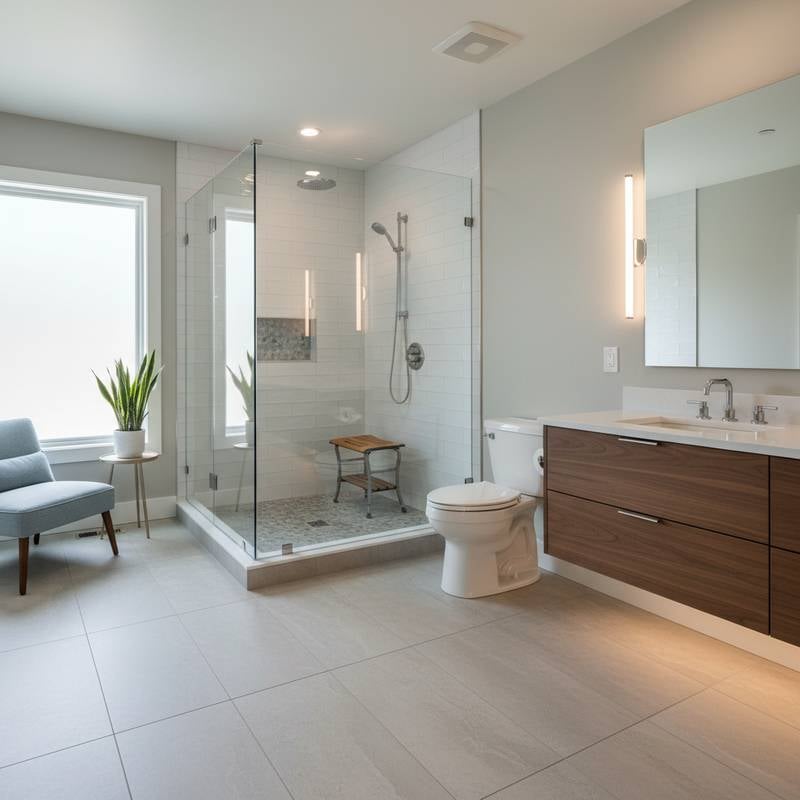
Introduction to Aging-in-Place Bathroom Design
As individuals age, maintaining independence at home becomes a priority. Bathroom safety features play a crucial role in preventing falls and injuries while allowing seamless daily routines. This guide details essential elements for a remodel that prioritizes safety without sacrificing style, drawing on expert recommendations for durable, user-friendly installations.
Focus on universal design principles ensures the space serves current needs and adapts to future mobility changes. Professional remodelers emphasize selecting materials that withstand heavy use and comply with accessibility guidelines. By integrating these features thoughtfully, homeowners achieve a balance of security, comfort, and visual harmony.
Essential Grab Bars and Support Rails
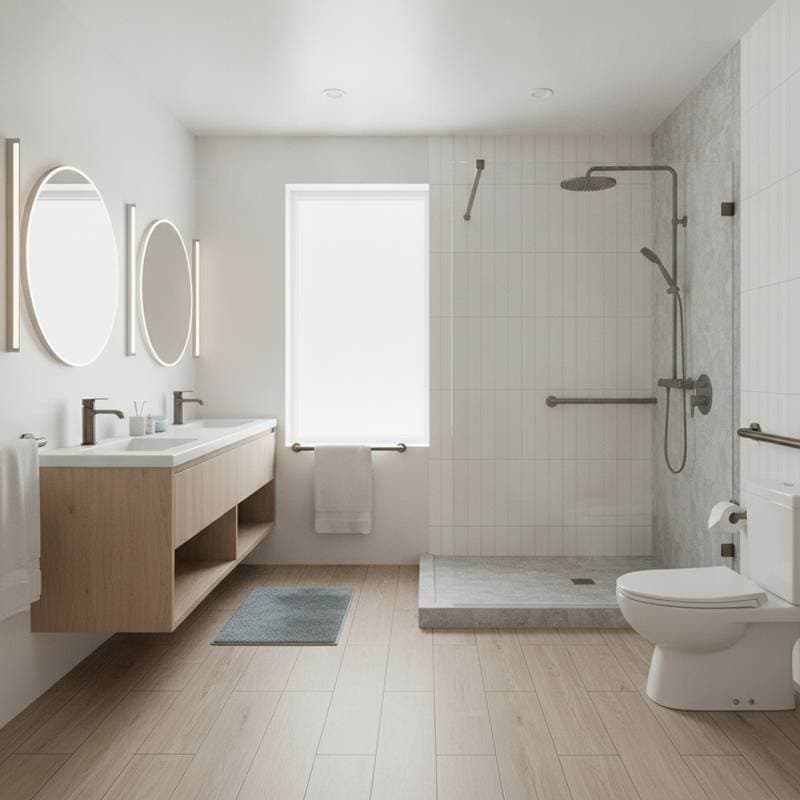
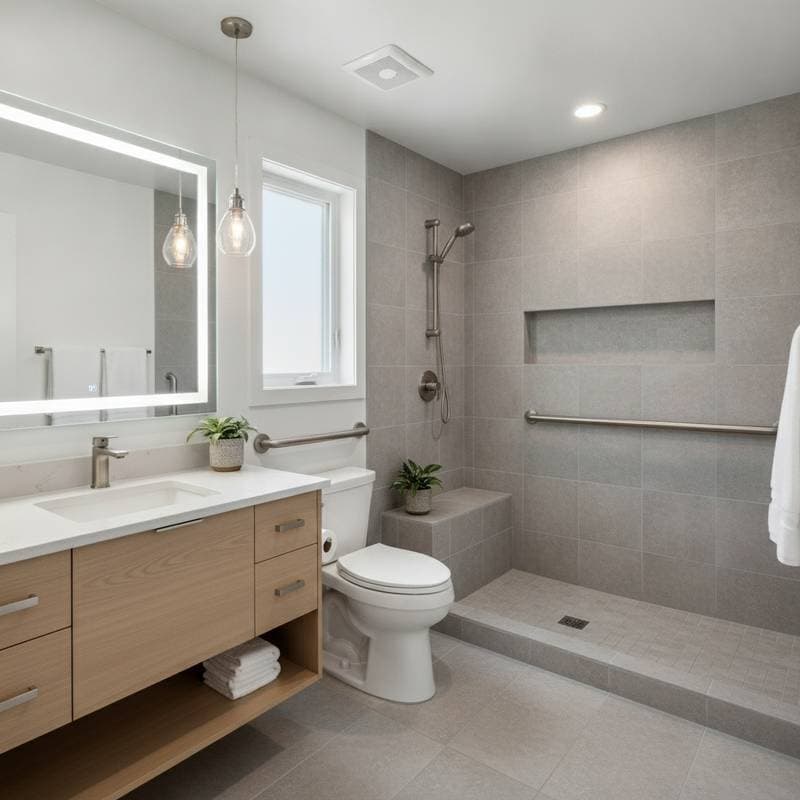
Grab bars offer critical support during transfers in and out of bathtubs, showers, or near toilets. Install them at strategic heights, typically 33 to 36 inches from the floor, to accommodate various user statures. Select finishes such as brushed nickel, polished chrome, or matte black to coordinate with existing fixtures and cabinetry.
Cost Range: Installation costs range from $100 to $300 per bar, varying by material and location.
Installation Guidance: Professionals secure bars to wall studs using heavy-duty anchors rated for at least 250 pounds of force. Avoid surface-mounted options unless reinforced properly, as they may fail under stress. For added versatility, combine horizontal bars for pulling up with vertical ones for lateral support.
Safety Tip: Test bar stability by applying full body weight before regular use. Position one bar parallel to the toilet seat at 30 inches high and another at a 45-degree angle near the shower entry for optimal assistance.
Slip-Resistant Flooring Solutions
Non-slip flooring minimizes the risk of falls in wet environments, a leading cause of bathroom injuries among older adults. Opt for materials with a high coefficient of friction, such as textured porcelain tiles featuring subtle ridges or luxury vinyl planks with embossed patterns. These options provide traction without compromising on cleanliness or appearance.
Cost Range: Expect $5 to $12 per square foot for materials and installation, depending on the room size and subfloor preparation.
Maintenance Advice: Choose matte or low-gloss surfaces to reduce glare and hide water spots. Clean regularly with a pH-neutral soap and warm water, avoiding harsh chemicals that could degrade the texture over time. For high-traffic areas, seal grout lines annually to maintain water resistance.
Incorporate flooring that extends seamlessly into adjacent rooms to eliminate tripping hazards at thresholds. This approach creates a cohesive, safer flow throughout the home.
Adjustable Vanities and Accessible Sinks
Height-adjustable or floating vanities allow customization for standing or seated use, promoting ergonomic comfort. These designs feature sturdy bases that can be raised or lowered via mechanical systems, ensuring accessibility for wheelchair users or those with limited reach.
Cost Range: Prices span $1,500 to $3,500, influenced by custom cabinetry, stone countertops, and integrated storage solutions.
Design Tip: Incorporate rounded edges on countertops to prevent injuries from sharp corners. Pair with single-lever faucets that require minimal force to operate, and install sinks with ample knee clearance underneath for seated access.
Consider wall-mounted models to free up floor space and simplify cleaning. Add soft-close drawers and pull-out shelves for easy access to essentials, enhancing daily functionality.
Walk-In Showers and Zero-Threshold Entries
Zero-threshold showers eliminate steps, facilitating easy entry for all mobility levels. Design these spaces with a slight slope toward the drain to manage water flow without pooling. Integrate built-in benches and fold-down seats for resting during showers.
Cost Range: A complete walk-in shower installation costs $4,000 to $10,000, including curbless bases and waterproofing membranes.
Installation Insight: Professionals apply multiple layers of sealant to prevent leaks, ensuring the shower pan integrates flush with the floor. Choose frameless glass enclosures for an open feel and easy cleaning.
For enhanced safety, add handheld showerheads with adjustable heights and anti-scald valves to control water temperature automatically.
Comfort-Height Toilets and Bidet Attachments
Comfort-height toilets sit at 17 to 19 inches, reducing the strain of sitting and standing compared to standard models. These elongated bowls provide better support and pair well with bidet seats for hygienic, touchless cleaning options.
Cost Range: $300 to $800 for the fixture, plus $200 to $500 for bidet integration.
Practical Advice: Ensure the toilet aligns with existing plumbing to avoid costly rerouting. Select models with slow-close lids and dual-flush mechanisms to conserve water while maintaining performance.
Cost Overview and Return on Investment
A comprehensive accessible bathroom remodel typically ranges from $15,000 to $35,000, based on square footage, fixture quality, and layout changes. Labor constitutes about 60 percent of expenses, with materials making up the balance. Prioritize energy-efficient elements like low-flow toilets and LED under-cabinet lighting to offset initial costs through reduced utility bills.
ROI Estimate: Midrange projects recoup 50 to 60 percent upon resale, particularly in markets valuing universal design.
Budgeting Strategy: Reuse current plumbing positions to cut demolition fees by up to 20 percent. Consult contractors for phased installations, starting with high-impact features like grab bars and flooring.
Long-term savings extend to lower insurance premiums for fall-prevention upgrades and decreased medical expenses from avoided accidents.
Maintenance Strategies for Durability
Accessible bathrooms benefit from low-maintenance materials that endure daily exposure to moisture. Porcelain tiles and solid-surface surrounds resist mold and stains, requiring only routine wiping. Schedule professional inspections every two years to verify sealant integrity and fixture alignment.
Replace caulk around edges and joints every three to five years to block water intrusion. Tighten grab bar mounts quarterly using a torque wrench for secure fastening. With consistent care, these installations maintain functionality for 20 years or longer, often needing only cosmetic refreshes.
Frequently Asked Questions
What dimensions ensure a walk-in shower supports accessibility?
Aim for at least 36 inches in width and 60 inches in length to permit wheelchair roll-in and sufficient turning radius.
Is professional installation essential for grab bars?
Yes, to guarantee attachment to structural supports; improper setup risks failure during use.
Which flooring provides optimal slip resistance in bathrooms?
Textured porcelain tiles or luxury vinyl planks deliver reliable grip and longevity in humid settings.
When does a bathroom remodel require permits?
Obtain approvals for any alterations to plumbing, electrical, or load-bearing elements; verify requirements locally.
How can accessibility features enhance modern aesthetics?
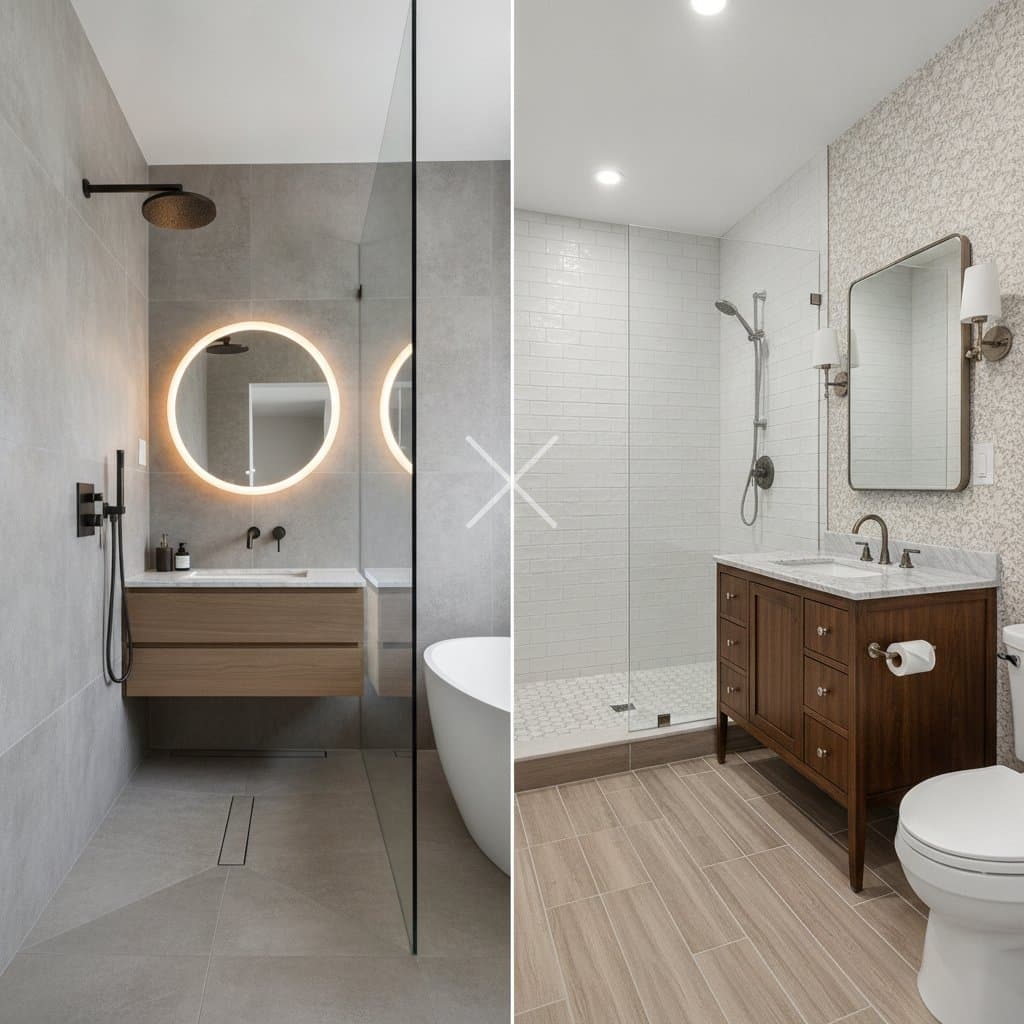
Incorporate sleek grab bars as towel holders, floating vanities with hidden storage, and seamless glass panels for a contemporary look.
Steps to Plan Your Remodel
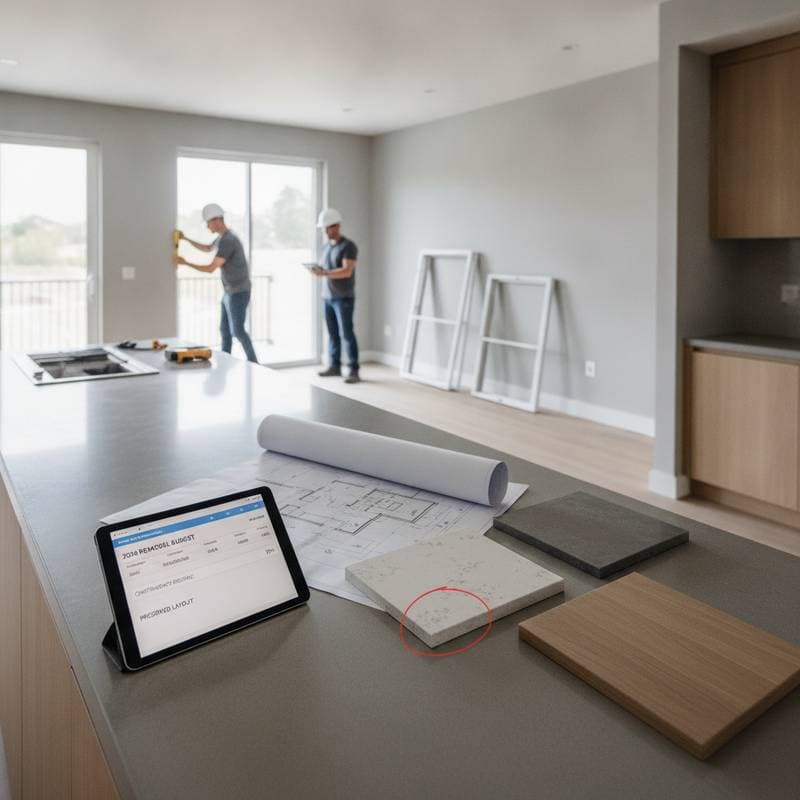
Begin with a thorough assessment of your bathroom, measuring doorways, clearances, and fixture heights to pinpoint mobility challenges. Consult a certified aging-in-place specialist to draft blueprints that adhere to ADA-inspired standards while reflecting personal style preferences.
Gather quotes from multiple contractors experienced in universal design, reviewing portfolios for similar projects. Secure financing options like home equity loans tailored for renovations, and timeline the work to minimize disruption.
The result is a sanctuary that fosters confidence and ease, safeguarding health and vitality well into the future.