Key Features and Costs for 2025 Spa Bathrooms
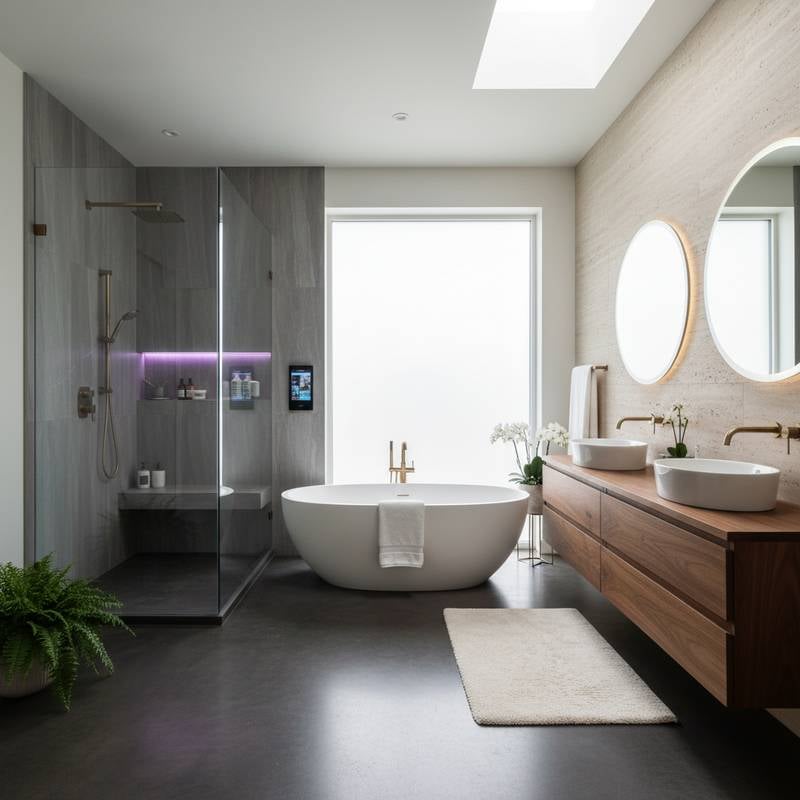
A spa-inspired bathroom delivers everyday tranquility and boosts home equity. This resource details current trends in spa elements, associated expenses, setup requirements, and scenarios where expert involvement ensures reliability.
Essential Overview
The following analysis outlines authentic expenses and preparation strategies for a high-end spa bathroom project. It addresses core components such as steam showers, deep soaking tubs, radiant floor heating, and integrated automation, providing precise cost estimates and setup recommendations.
Expense and Duration Projections
High-end bathroom renovations incorporating spa elements typically span $40,000 to $120,000. Factors influencing the final figure include the room's dimensions, selected surface materials, plumbing intricacies, and technology integrations.
- Materials: $15,000 to $50,000
- Labor: $20,000 to $60,000
- Fixtures and Appliances: $5,000 to $30,000
- Permits and Reviews: $500 to $2,000
Duration:
- Partial DIY Renovation: 6 to 10 weeks
- Complete Professional Overhaul: 3 to 6 weeks, involving synchronized specialists
Complexity Level: Advanced. Tasks involving plumbing, electrical systems, and moisture barriers necessitate expert supervision.
DIY Options Versus Expert Assistance
Certain aspects of a spa bathroom renovation suit experienced homeowners, whereas others require certified professionals.
Suitable DIY Elements
- Applying paint or surface treatments to walls
- Mounting towel heaters or storage units
- Assembling prefabricated cabinets
- Addressing small-scale tile fixes or swaps
Essential Professional Services
- Setting up steam shower assemblies
- Routing electrical lines for radiant heating and illumination
- Configuring plumbing for multi-head showers and spray systems
- Implementing barriers against moisture in tiled and subfloor areas
Expense Analysis:
Opting for DIY can reduce outlays by $5,000 to $10,000, yet professional execution guarantees adherence to regulations and averts water-related issues that might incur substantial future expenses.
Detailed Renovation Sequence
1. Design the Configuration
Assess the area and assign positions for individual components.
- Position plumbing routes near current access points where feasible.
- Verify overhead clearance for enclosed steam spaces and air circulation.
Validation: Allocate a minimum of 30 inches around bathtubs and counters for accessibility.
2. Obtain Approvals and Oversight
Consult the municipal building authority prior to commencing.
- Jurisdictions often mandate approvals for electrical, structural, and piping modifications.
- Arrange evaluations at framing and completion phases.
Validation: Retain documented authorizations for coverage under warranties and policies.
3. Clear the Area
Extract outdated appliances, surfaces, and coverings.
Alert: Electrical Risk
Disconnect electricity and water supplies ahead of dismantling.
- Employ protective eyewear and hand coverings.
- Seal pipe ends to avoid unintended flooding.
Validation: Confirm the area remains free of debris and moisture prior to structural work.
4. Install Core Plumbing and Wiring
Lay fresh pipelines, drainage, and cabling for illumination and warming mechanisms.
- Select wiring suitable for humid environments in moisture-prone zones.
- Design electrical paths to accommodate power demands of units like steam producers.
Validation: Pressure-test all conduits and secure inspections before enclosing structures.
5. Construct and Seal Structures
Erect partitions and seating for steam or shower zones.
- Coat all damp-facing surfaces with impermeable layers.
- Bond edges and joints using certified adhesives or compounds.
Validation: Conduct a 24-hour flood simulation to detect any seepage.
6. Apply Floor and Wall Coverings
Select textured, moisture-proof tiles or natural stone.
- Radiant floors demand insulating underlayment and thermostat linkage.
- Fill and protect all seams meticulously.
Validation: Confirm uniform warmth and solidity beneath flooring with no voids.
7. Position Core Appliances
Secure freestanding tubs, overhead showers, or integrated jets.
- Link steam units and assess operational pressures.
- Caulk connections using heat- and vapor-resistant silicone.
Validation: Operate each unit to ensure no drips occur.
8. Integrate Illumination and Airflow
Mount adjustable LED lights and silent, powerful exhaust systems.
- Enclosed steam areas require specialized outflow paths.
- Choose damp-rated housings for all light sources.
Validation: Verify steady brightness and rapid humidity dispersal.
9. Verify Functionality
Activate water, power, and thermal systems prior to final detailing.
- Adjust temperature regulators for accuracy.
- Monitor for overloads or interruptions in power flow.
Validation: Sustain operations for a minimum of 15 minutes without issues.
10. Incorporate Final Touches and Automation
Install reflective surfaces, organizational units, and digital interfaces for ambiance, audio, and climate control.
Validation: Ensure all areas resist moisture, appear pristine, and perform reliably.
Critical Safety Measures
Alert: Electrical Risk
Avoid handling energized lines. Deactivate at the primary breaker and verify outlets with testing devices prior to any connections.
Alert: Fall Hazard
Incorporate anti-slip materials adjacent to bathing zones.
Alert: Vapor Buildup
Equip steam producers with safety release mechanisms and adhere to specified exhaust protocols.
Utilize safety equipment and maintain fresh air circulation throughout assembly and sealing processes.
Issue Resolution and Inspections
Issue: Vapor escape near enclosure thresholds
Solution: Reapply thermal silicone and realign entry panels.
Issue: Uneven radiant floor temperatures
Solution: Inspect thermostat connections and heating element integrity.
Issue: Inconsistent water heating
Solution: Update or fine-tune the blending valve.
Conduct a comprehensive evaluation by engaging all features concurrently to identify seepage, power strains, or excess moisture.
Post-Project Cleanup
Route discarded items to community recycling facilities where available.
- Salvage metals from tubs, piping, and framings; repurpose glass panels.
- Direct tile fragments and wallboard to designated waste facilities.
Polish fresh installations with pH-neutral solutions to safeguard natural stones and joint fillers.
Upkeep and Durability
Spa bathrooms demand consistent monitoring to sustain performance and aesthetics.
- Weekly Routine: Clean enclosure panels, towel-dry surfaces, and clear drainage paths.
- Monthly Check: Validate ground-fault interrupters and scan for fixture drips.
- Annual Task: Refresh seals on joints and stone elements.
Expected Service Life:
- Steam units: 8 to 12 years
- Radiant flooring: 15 to 25 years
- Stone and tile applications: 20 years or longer with diligent protection
Indicators for Expert Intervention
Engage qualified plumbers or electricians upon detecting:
- Ongoing internal seepage
- Power disruptions or frequent breaker activations
- Reduced flow after appliance placement
- Steam equipment failures or excessive heat
Service Rates:
- Certified plumber: $80 to $150 hourly
- Licensed electrician: $90 to $160 hourly
- Project manager for comprehensive work: $150 to $300 per square foot
Specialist Evaluation:
- Active credentials and coverage
- Comprehensive cost proposal in writing
- Guarantees for workmanship and components
- Testimonials from similar upscale projects
Popular Spa Components and Pricing
Enclosed Steam Showers
These setups generate a therapeutic mist with customizable warmth and humidity.
- Investment: $6,000 to $15,000 including setup
- Components: Power source, interface panel, airtight portals, circulation blower
- Maintenance: Purge and rinse the unit biannually to eliminate residues.
Immersive or Aerated Bathtubs
Expansive vessels promote deep relaxation and tension release.
- Investment: $3,000 to $10,000 with installation
- Enhancements: Bubble infusion, color therapy illumination, or warming bases
- Guidance: Assess structural support for weight prior to placement.
Radiant Underfloor Heating
Systems using electricity or fluid circulation toast surfaces and mitigate damp chills.
- Investment: $2,000 to $7,000 based on coverage
- Validation: Align thermostat settings with embedded sensors for precision.
Digital Management Systems
Interfaces via screens or devices oversee climate, lights, and media.
- Investment: $1,500 to $5,000
- Advantages: Optimized energy use and tailored user experiences.
Premium Surface Materials
Selections like polished marble, engineered quartz, or oversized porcelain evoke elegance.
- Investment: $10 to $50 per square foot for raw supplies
- Upkeep: Apply protective coatings annually to resist marks.
Strategies for Optimal Results
- Validate humidity tolerance for every material selection.
- Apply non-reactive silicone to glass and metallic edges.
- Dedicate electrical lines to thermal or vapor-generating devices.
- Archive all guarantee documents and setup guides.
- Arrange biennial evaluations for vapor systems by specialists.
Realizing Enduring Comfort
A meticulously designed spa bathroom serves as a private haven when executed with foresight and ongoing care. Strategic financial planning, discerning selections, and skilled assembly yield sustained wellness and property enhancement.