Mass Timber Construction Reaches Cost Parity with Steel and Concrete by 2026
Mass timber has transitioned from an experimental option to a viable mainstream alternative in building design. Projections indicate that by 2026, its costs will align with those of traditional steel and concrete framing. This development stems from expanded manufacturing, refined engineering practices, and construction efficiencies that lower expenses across commercial, institutional, and residential projects.
Core Factors Driving Cost Alignment
Several elements contribute to the declining costs of mass timber. Increased production scales reduce material prices through economies of scale. Advanced design software enables precise panel optimization, minimizing waste and on-site adjustments. Building codes now routinely accommodate tall timber structures, eliminating costly custom approvals.
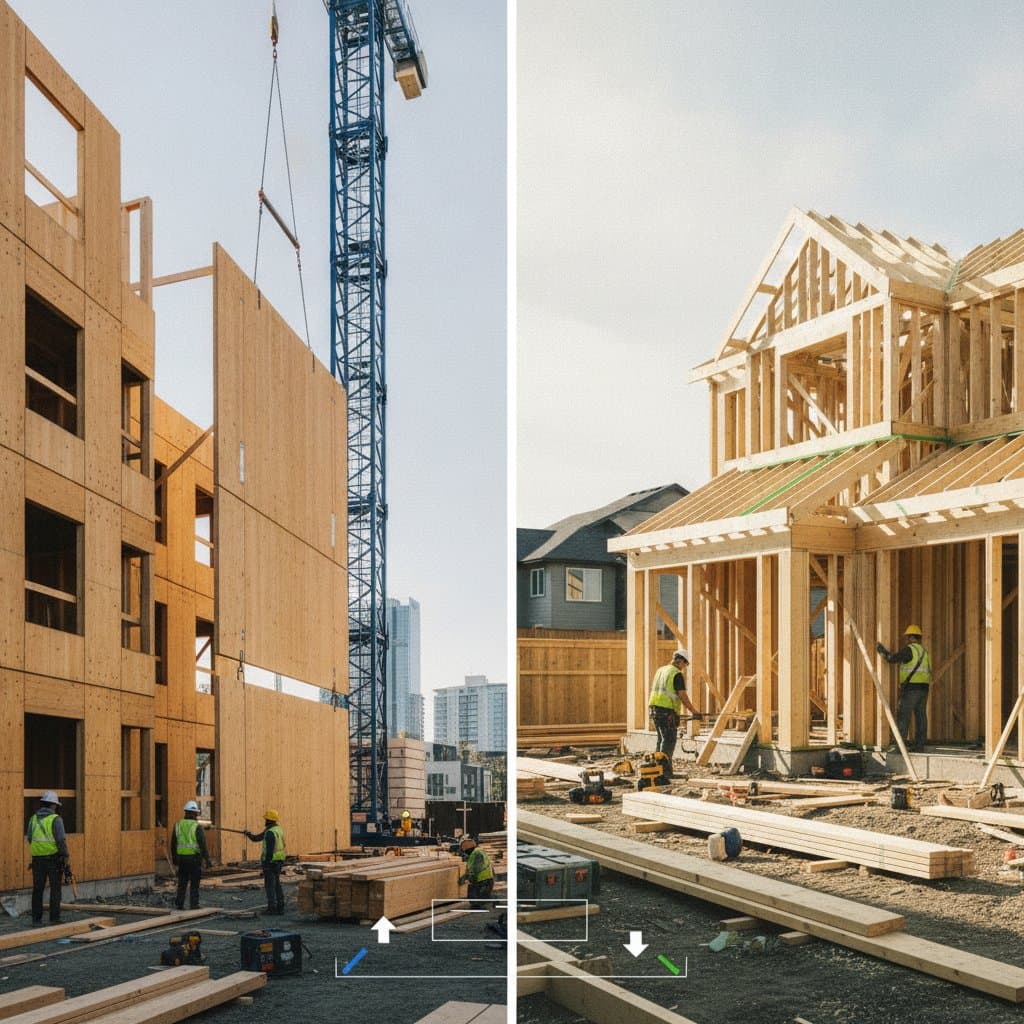
Labor demands decrease as prefabricated components assemble quickly with smaller crews. This shortens schedules, cutting financing and overhead expenses. Environmental incentives, such as tax credits for low-carbon materials, further enhance financial viability. Innovations in products like cross-laminated timber (CLT) and glued-laminated timber (glulam) improve strength while streamlining fabrication.
Detailed Cost Breakdown and Savings Opportunities
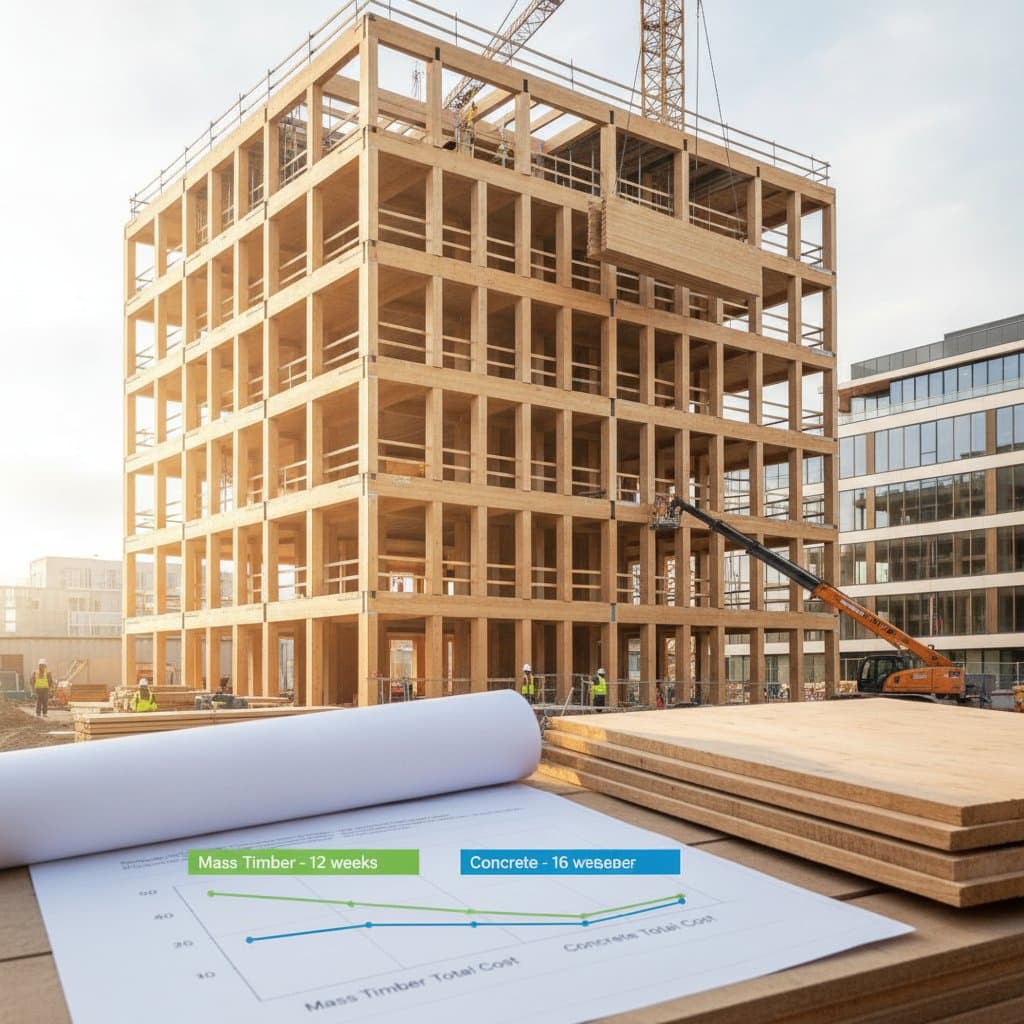
Mass timber projects deliver savings in multiple areas. Material costs for CLT panels range from $5 to $10 per square foot, comparable to steel framing at $6 to $12 per square foot and concrete at $8 to $15 per square foot once production volumes rise.
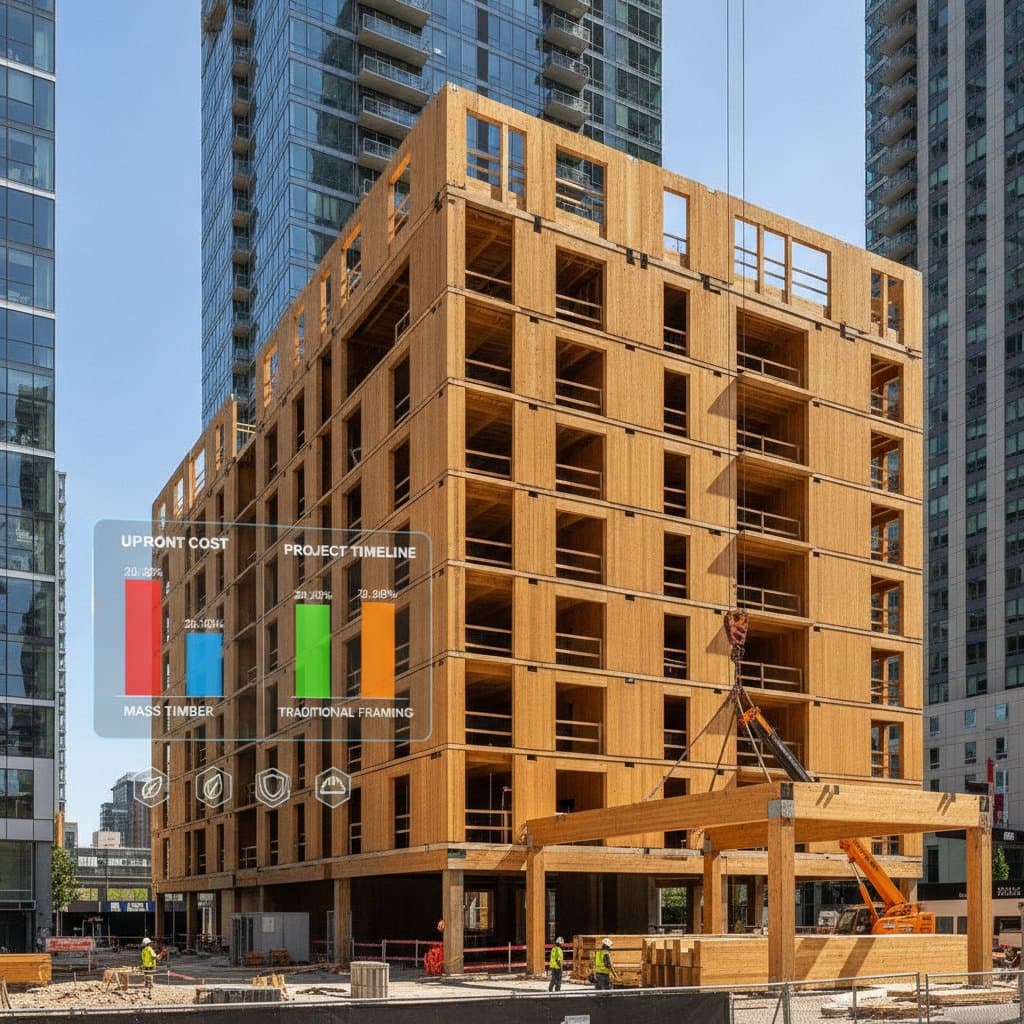
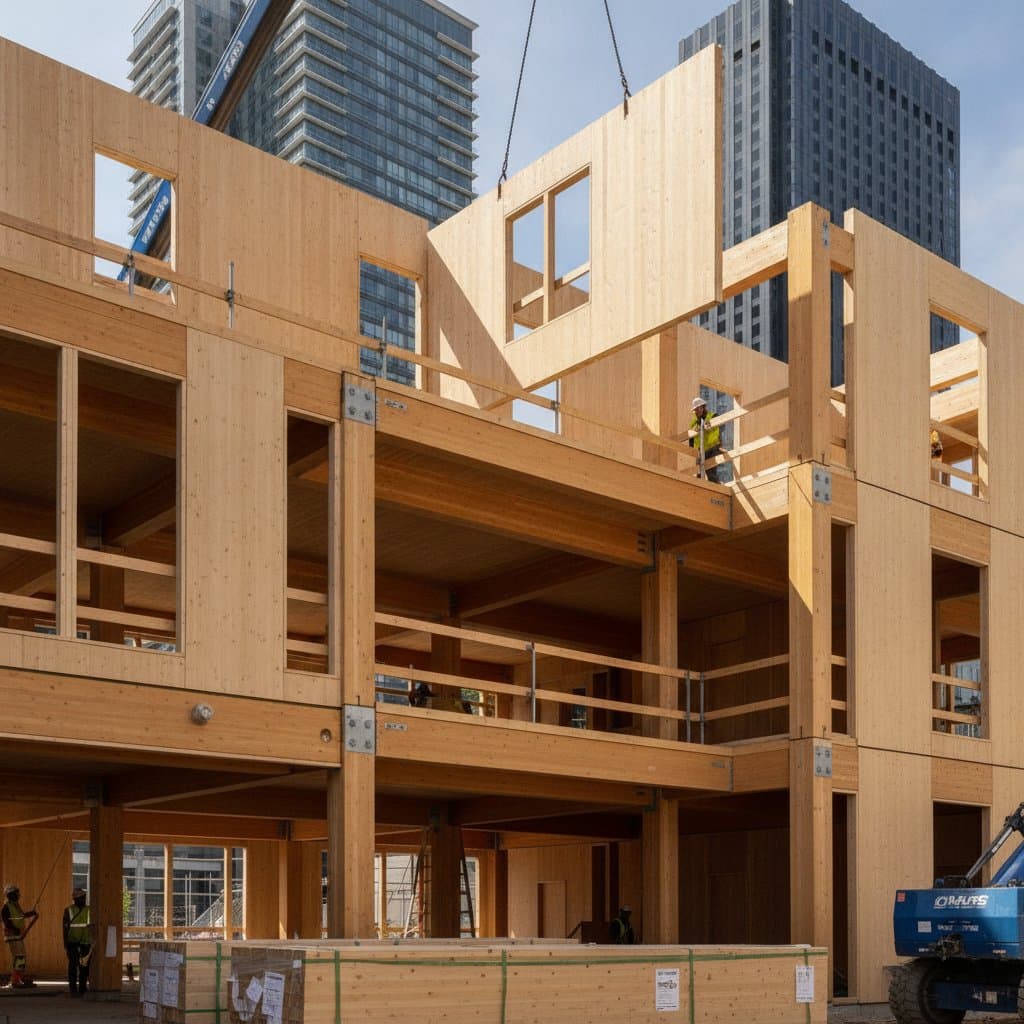
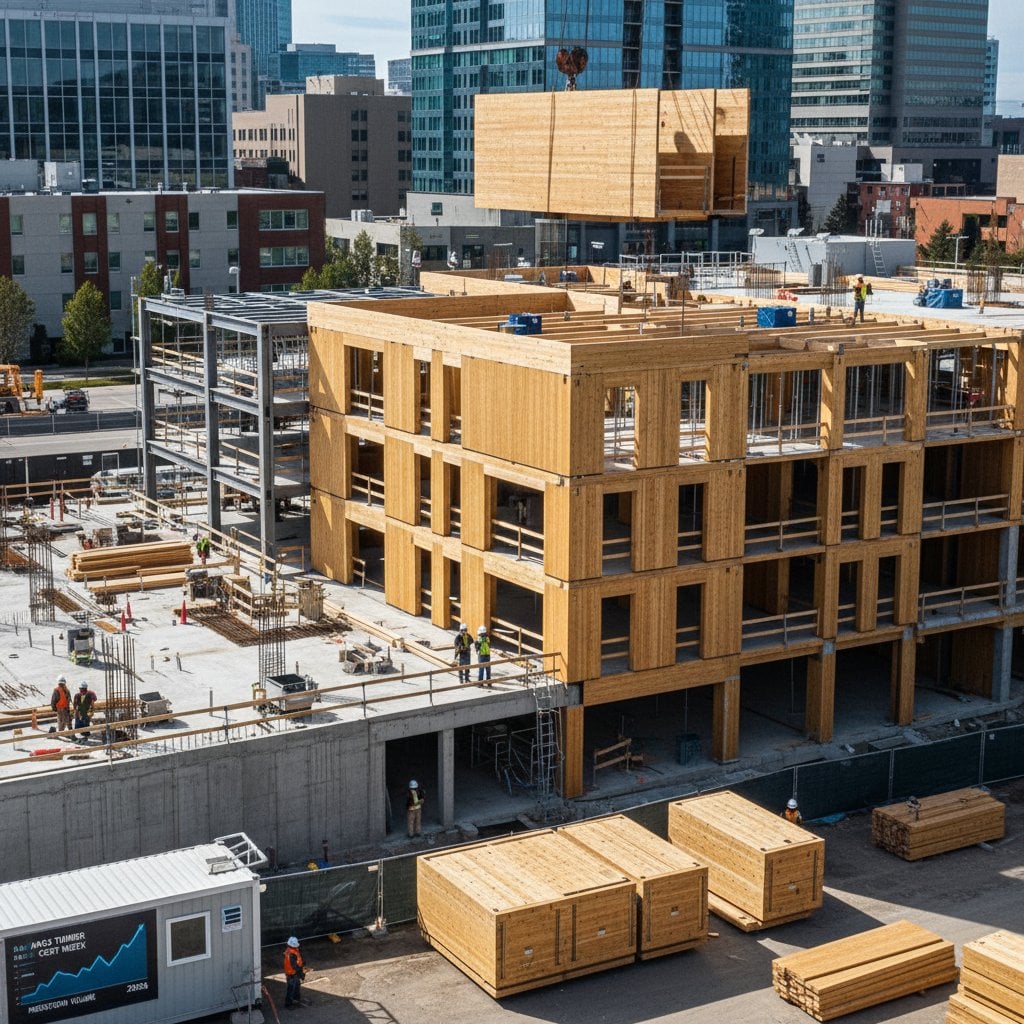
Labor installation for mass timber falls between $30 and $60 per square foot, lower than steel's $40 to $70 due to off-site prefabrication. Project timelines compress by 20 to 30 percent, reducing general conditions like site management and temporary facilities. Total costs for a mid-rise office building could drop 10 to 15 percent below traditional methods when factoring in these efficiencies.
Sustainability benefits amplify value. Mass timber sequesters carbon during growth and requires less energy in production than steel or concrete. Regions with green building mandates often provide rebates that offset initial investments.
Professional Expertise in Mass Timber Projects
Mass timber demands specialized knowledge due to its scale and engineering requirements. Engage structural engineers experienced in timber for load calculations and seismic design. Certified fabricators handle CLT and glulam production to ensure precision and compliance.
Installation requires licensed crews skilled in heavy lifting and alignment. Costs for professional services include $3 to $6 per square foot for engineering, $30 to $60 for fabrication and assembly, and $10 to $20 for protective measures like moisture barriers. Select contractors with verified portfolios in mass timber to avoid delays and ensure code adherence.
Contractor Selection Checklist:
- Confirm licensing, insurance, and bonding.
- Review references from comparable timber projects.
- Verify familiarity with CLT, glulam, and related standards.
- Obtain itemized bids covering materials, labor, and contingencies.
- Evaluate warranties for structural integrity and environmental performance.
Safety Considerations for Mass Timber Sites
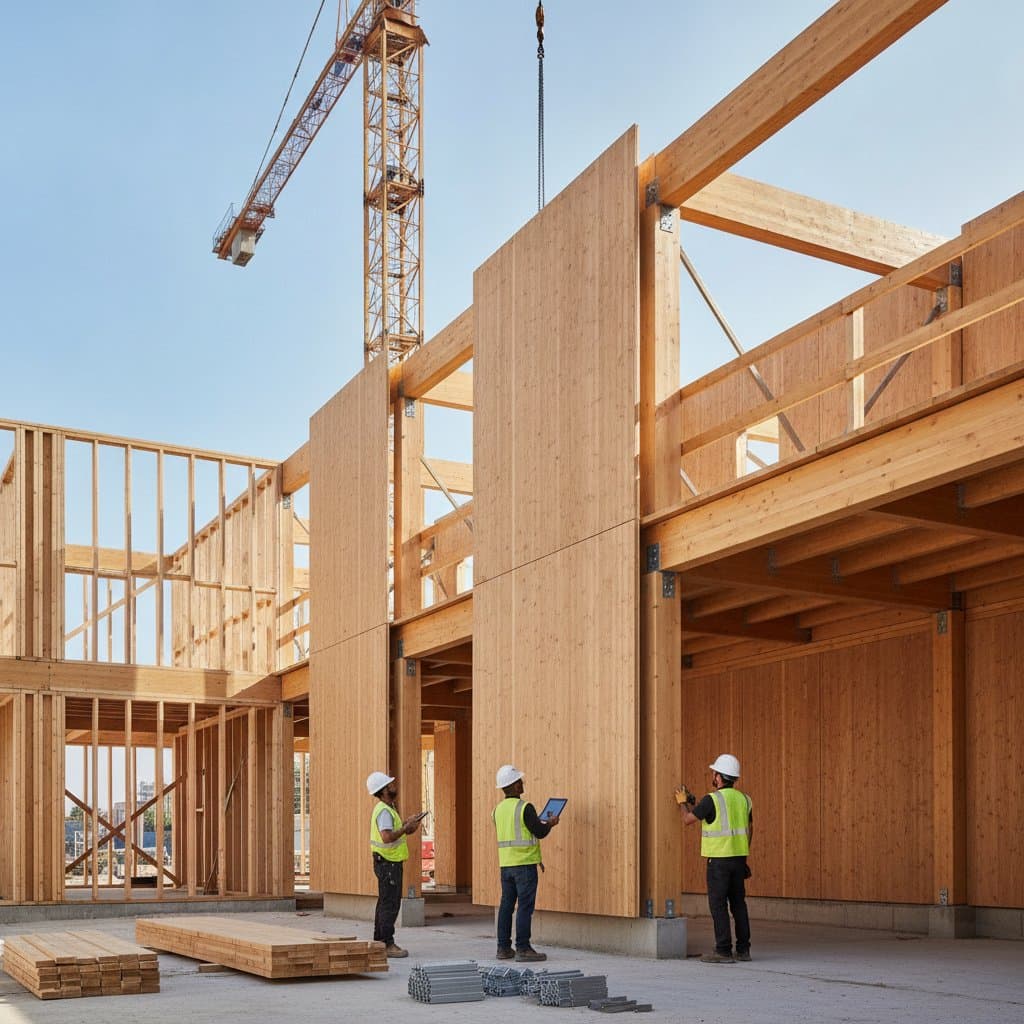
Safety protocols are essential given the material's weight and handling needs. CLT panels, often exceeding 1,000 pounds, necessitate certified cranes and rigging to prevent falls. Establish exclusion zones during lifts and train workers on equipment operation.
Fire performance relies on charring behavior that protects inner layers. Assemblies must achieve required ratings through encapsulation or treatments. Moisture control prevents degradation; store panels under cover and apply temporary enclosures promptly.
Required Protective Measures:
- Hard hats, gloves, steel-toed boots, and high-visibility vests for all personnel.
- Full-body harnesses and fall arrest systems for elevated work.
- Respiratory and eye protection during cutting or finishing operations.
Waste Management and Site Cleanup
Mass timber produces 20 to 50 percent less waste than steel or concrete projects. Recycle offcuts and sawdust for energy recovery or composite materials. Segregate metal fasteners for scrap processing. Consult local authorities on disposal for treated components to comply with regulations.
Efficient cleanup preserves site conditions and supports sustainability goals. Cover unfinished areas to shield from elements, facilitating smooth transitions to interior trades.
Strategies for Successful Implementation
Incorporate mass timber early in the design phase to maximize benefits. Collaborate with architects on digital models that account for penetrations in panels for mechanical, electrical, and plumbing systems. Prioritize moisture management with vapor barriers and drainage plans.
Source materials from certified suppliers adhering to standards like APA or PEFC for quality assurance. Maintain comprehensive documentation of engineering data, inspections, and treatments to support ongoing maintenance and property valuation.
These steps ensure projects meet budgetary targets while delivering durable, eco-friendly structures.
Frequently Asked Questions
How does mass timber perform in fires?
Mass timber chars at a consistent rate, shielding unexposed wood. Properly designed assemblies satisfy code-mandated fire resistance levels.
Is mass timber susceptible to pests?
It resists pests comparably to other wood products when sealed and kept dry. Integrated treatments enhance protection without compromising sustainability.
What heights can mass timber buildings reach?
Current codes permit structures up to 18 stories or more, depending on jurisdiction and engineering. Protections for fire and stability enable safe high-rise applications.
What are the environmental advantages of mass timber?
It captures atmospheric carbon and demands lower production energy than steel or concrete, reducing a project's overall footprint.
Embracing Mass Timber for Cost-Effective, Sustainable Builds
The convergence of costs positions mass timber as a strategic choice for forward-thinking developers. With maturing supply chains and regulatory support, projects gain both economic and ecological edges. Builders who adopt these methods now prepare for a future where timber leads in efficient, resilient construction.