Real Cost Differences: Mass Timber vs Traditional Framing
Choosing the right building system influences project budgets and long-term performance. Mass timber has gained attention for its sustainability and speed of construction. Many homeowners and developers compare it to traditional steel or concrete framing to determine whether the higher upfront price delivers lasting value.
This guide explains how mass timber and conventional framing compare in real cost, performance, and practicality. It helps you decide which method best fits your project goals.
What Makes Mass Timber Different
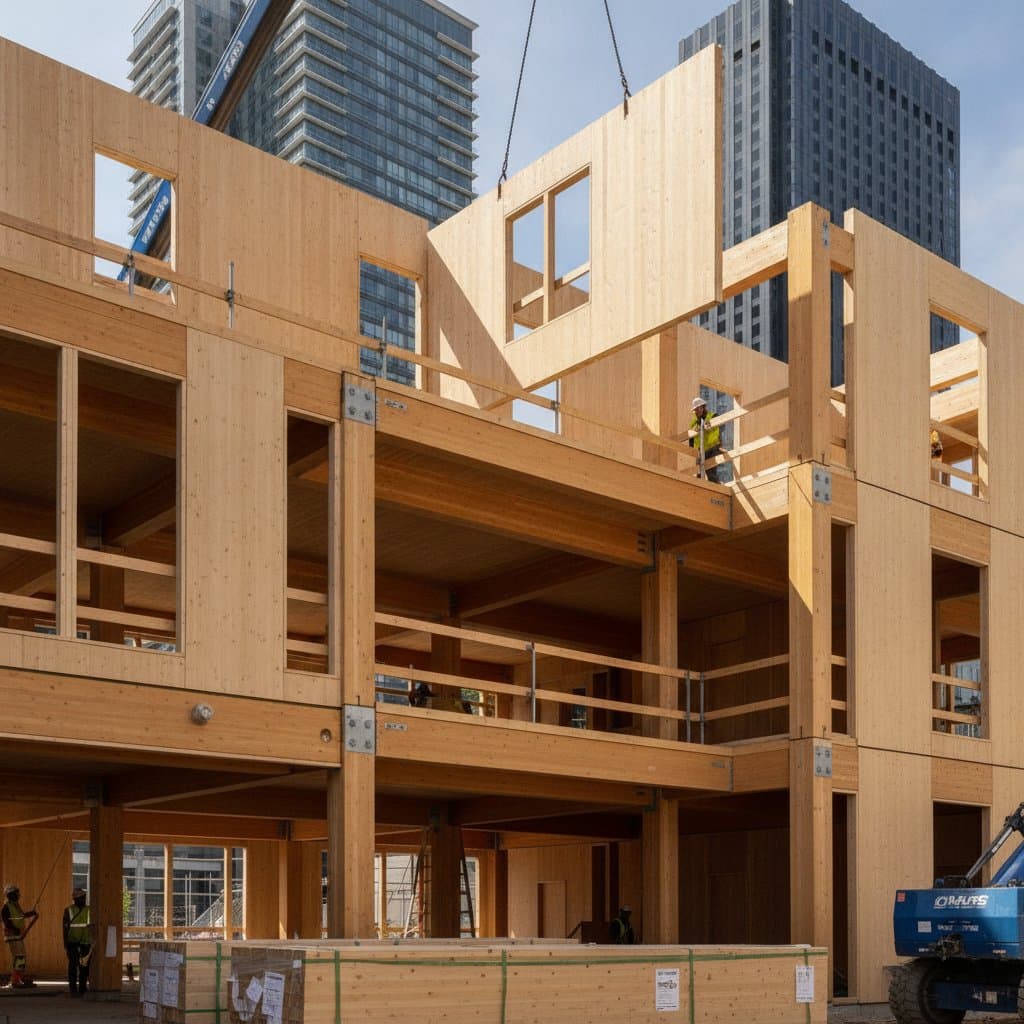
Mass timber uses engineered wood panels such as cross-laminated timber (CLT), glue-laminated beams, and nail-laminated decks to form structural walls, floors, and roofs. Each component is made by layering and bonding lumber for strength and stability. Traditional framing relies on light wood stud framing, steel, or concrete systems.
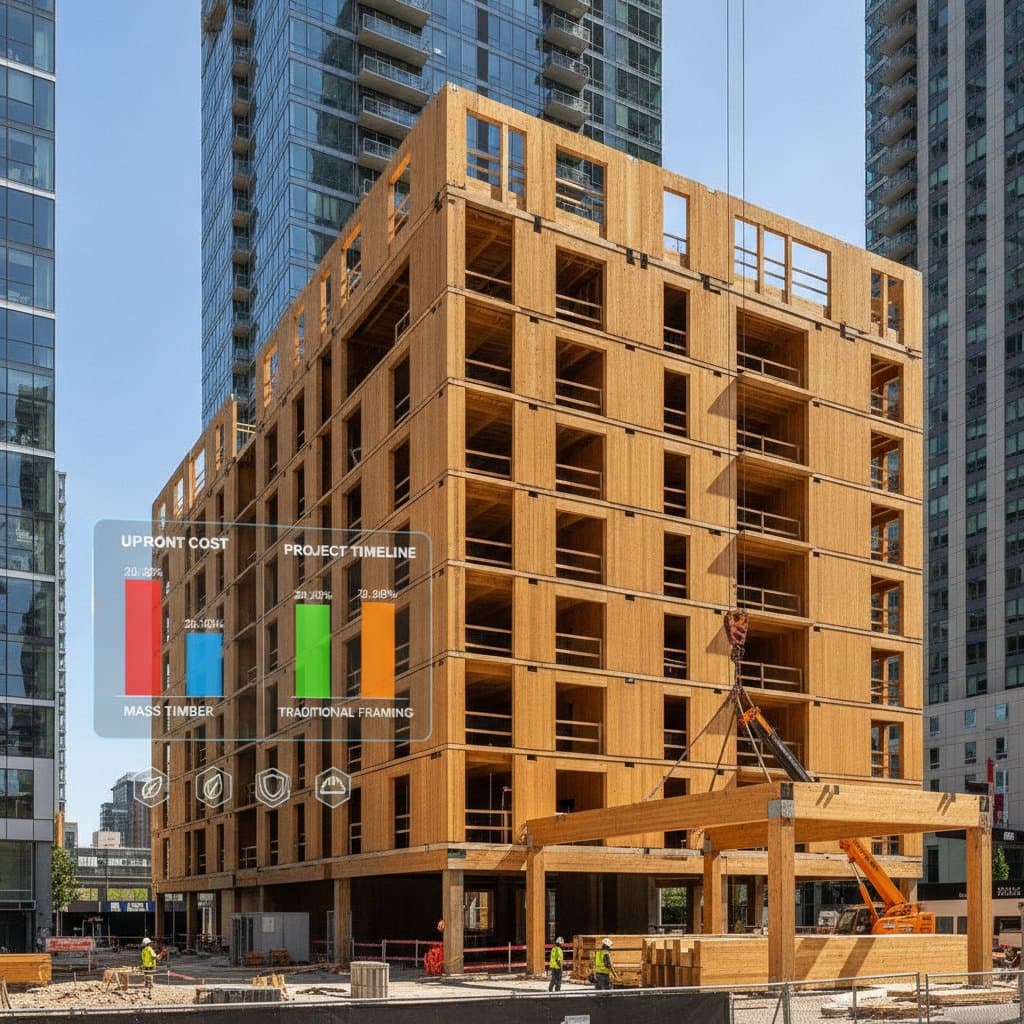
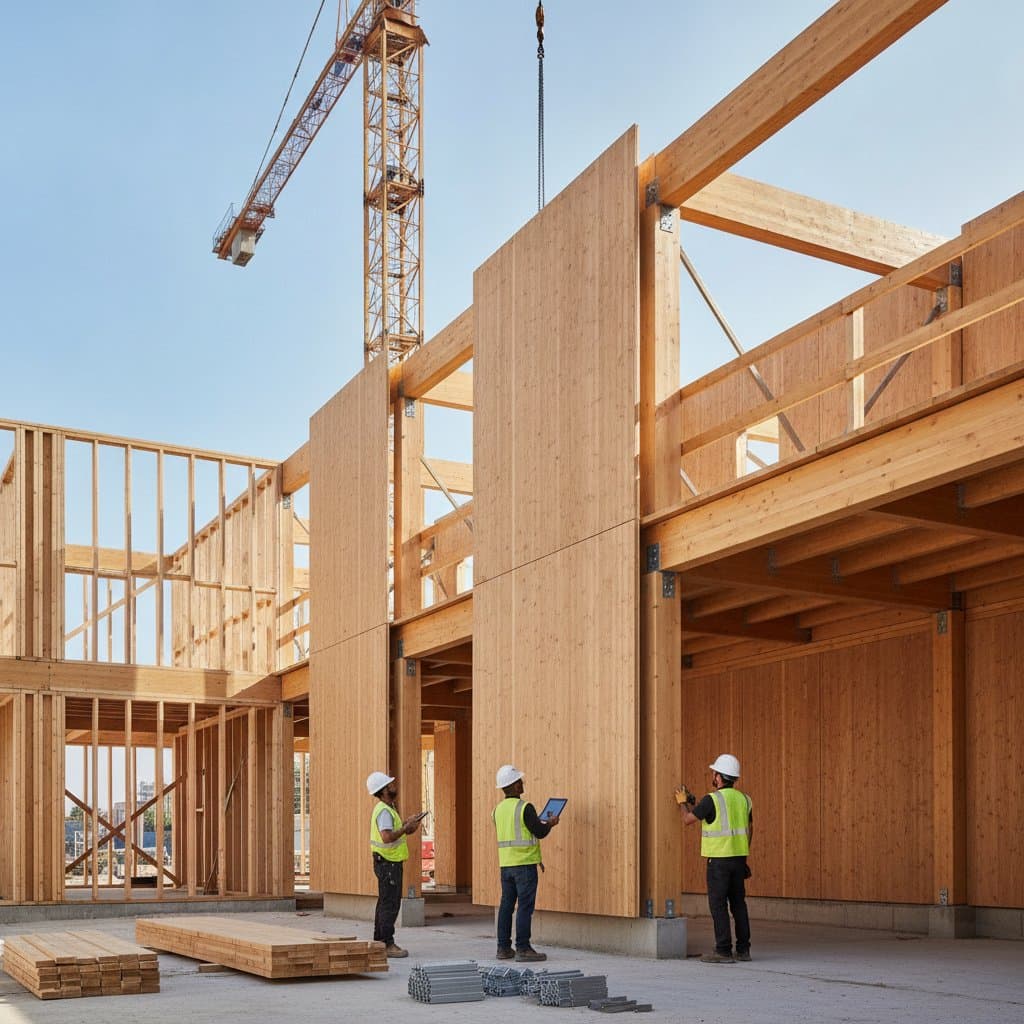
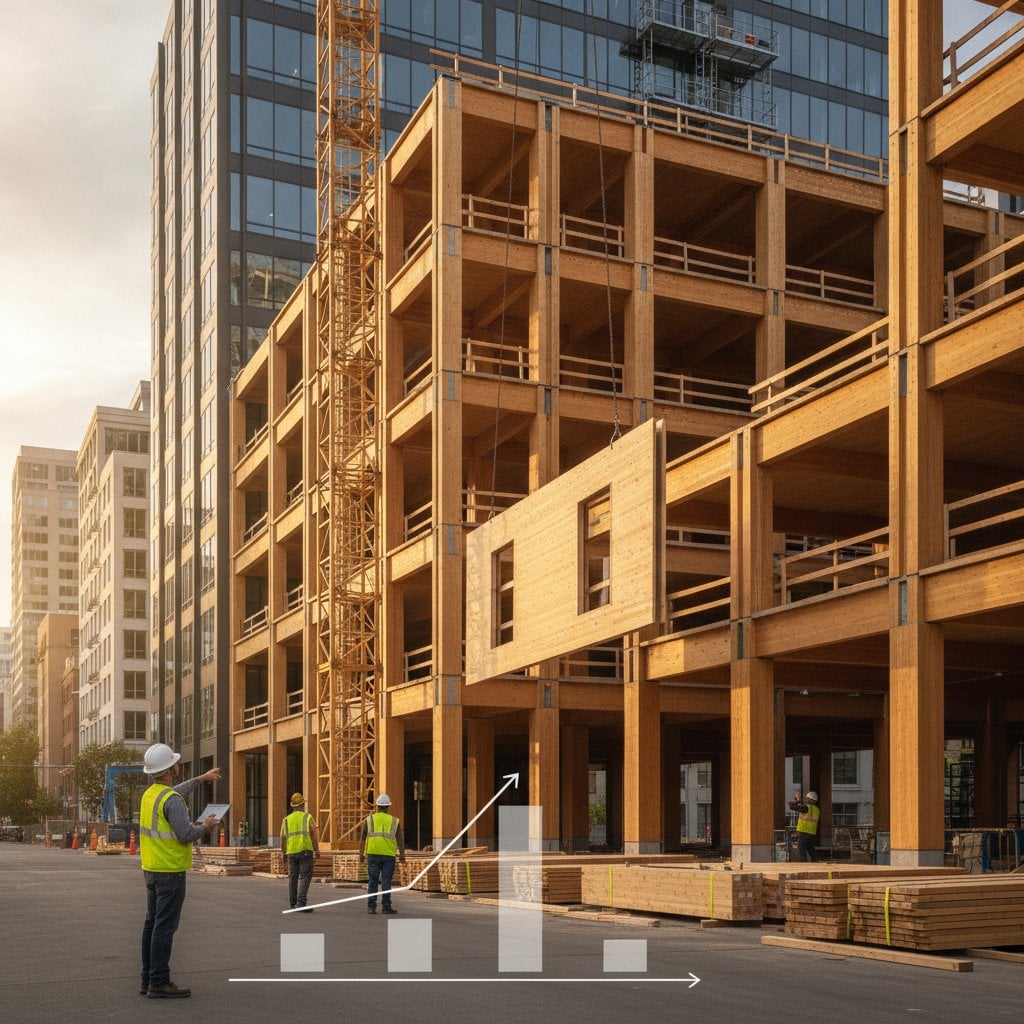
Mass timber panels are prefabricated in controlled environments. This approach allows rapid on-site assembly, reduces waste, and improves precision. Traditional framing often involves more on-site labor, cutting, and coordination. The result is a key trade-off. Mass timber costs more per cubic foot in materials but can save money through faster installation and reduced labor demands.
Labor, Equipment, and Schedule Impacts
Labor Efficiency
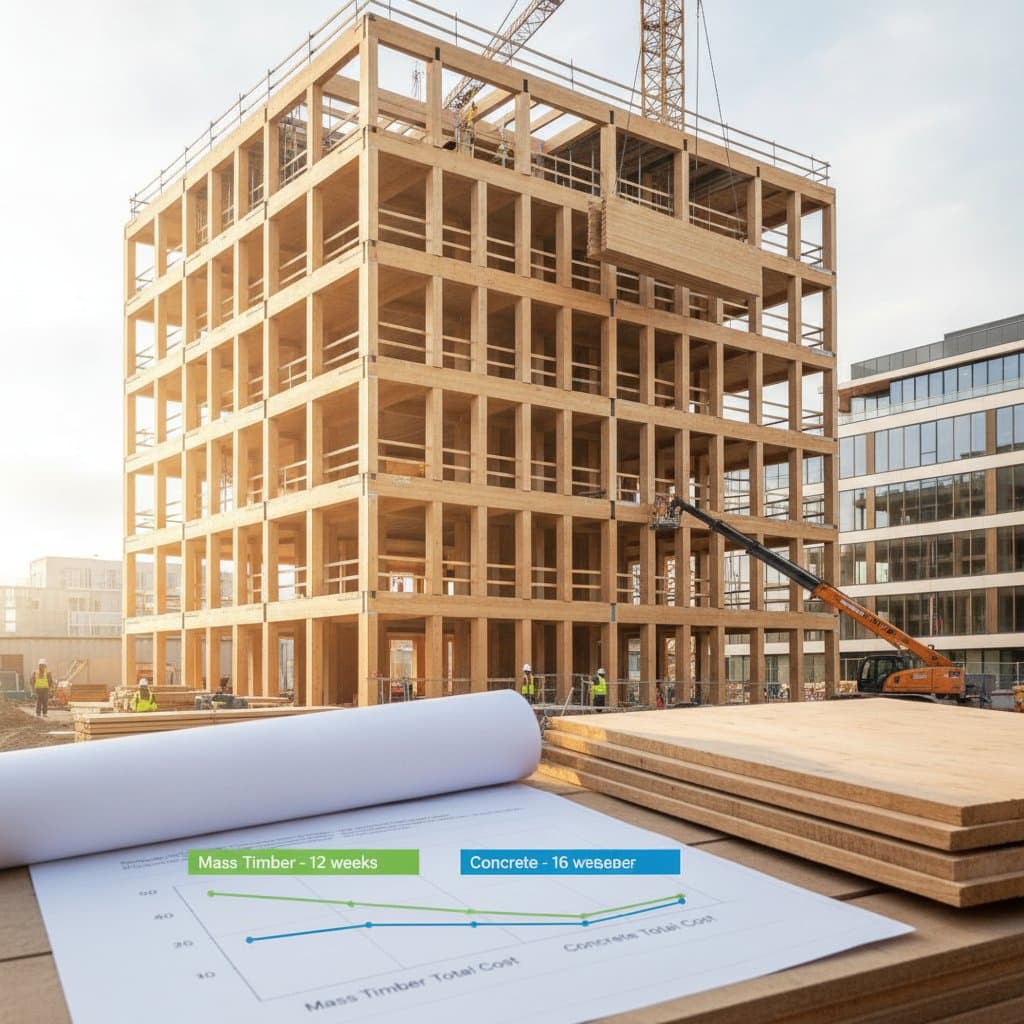
Mass timber panels arrive ready for assembly with pre-cut openings and connection points. This reduces framing crews and shortens installation timelines. A structure that might take twelve weeks to frame with steel could be enclosed in eight weeks using CLT. Fewer workers are needed on site, and less equipment such as cranes or scaffolding is required once the initial lifts are complete.
Traditional framing remains labor-intensive. Light wood framing depends on larger crews for cutting, fastening, and sheathing. Steel requires welding, bolting, and heavy equipment. Concrete demands formwork, curing time, and close supervision. Each of these steps adds both time and risk of weather delays.
Equipment and Logistics
Mass timber requires careful coordination and sometimes specialized lifting equipment to handle large panels. Transport costs can rise, but these are often balanced by the reduced number of deliveries and shorter total construction period. When a project site is small or located in a dense urban area, faster assembly can mean fewer weeks of disruption and lower indirect costs.
Long-Term Value and Maintenance
Durability and Lifespan
Properly protected, mass timber structures last as long as steel or concrete buildings. Moisture management is critical. Once enclosed, CLT panels resist shrinkage and warping because they are factory-dried and bonded under pressure. Maintenance involves routine inspection of joints and finishes rather than structural repair.
Traditional framing also performs well with maintenance. Wood-framed homes require repainting or re-siding every decade or so, while steel and concrete need corrosion protection or surface sealing. The main difference lies in exposure. Mass timber often remains visible indoors, while traditional framing is hidden behind finishes.
Energy Efficiency
Mass timber provides excellent thermal performance, which can lower heating and cooling costs. The solid wood mass slows heat transfer and reduces thermal bridging. Traditional framing requires added insulation layers to reach comparable performance levels. Over time, these efficiency gains contribute to lower operational costs and improved comfort.
Tips for Managing Costs
- Plan early with your design team. Early collaboration with engineers and fabricators prevents redesign costs later.
- Standardize panel sizes. Using common CLT dimensions reduces fabrication waste.
- Compare delivered costs. Include shipping, lifting, and assembly equipment in the estimate.
- Evaluate hybrid options. Combining CLT floors with steel or concrete cores often creates the best balance of cost and performance.
- Seek local incentives. Some regions offer grants or tax credits for low-carbon construction.
- Account for insurance and code approvals. Discuss fire and building code compliance early to avoid costly revisions.
When to Hire a Professional
While light wood framing is familiar to many homeowners, mass timber construction requires specific expertise. Precise detailing, moisture control, and structural connections demand professional oversight.
Hire a builder or contractor who has documented experience with CLT or glue-laminated components. Look for teams that can coordinate with engineers, fabricators, and inspectors from early design through final assembly. Ask for references from completed mass timber projects and verify that subcontractors understand handling and sealing procedures.
For traditional framing, you can hire local carpenters or general contractors with a solid residential portfolio. Always review permits, insurance, and safety plans before work begins.
FAQs
Is mass timber more expensive than steel or concrete?
Per square foot, mass timber can cost slightly more than steel or light wood framing in materials but may balance out through faster installation and reduced labor.
Does mass timber require special maintenance?
Routine inspection of exposed surfaces and moisture protection is sufficient. Once enclosed, maintenance needs are minimal.
Can I use mass timber for a single-family home?
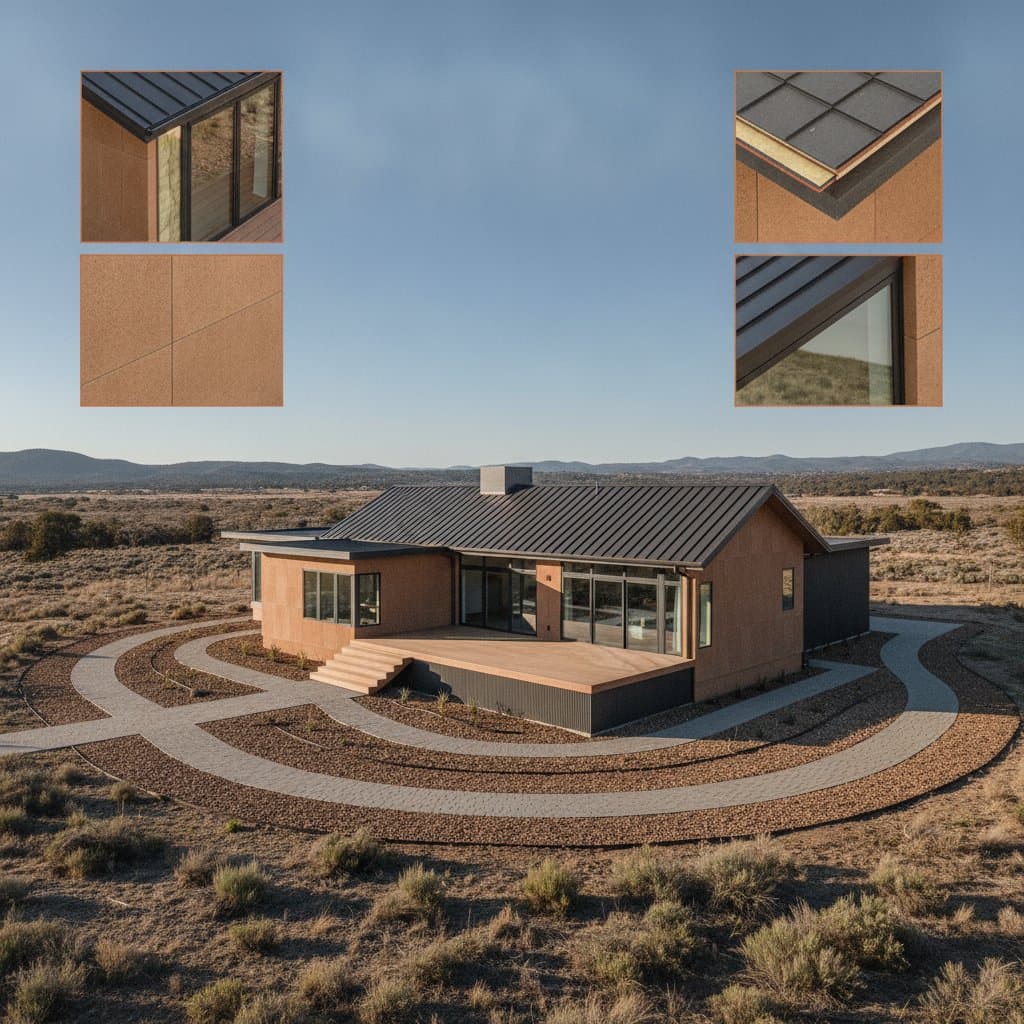
Yes, though most residential builders still use light wood framing because it costs less and is easier to source. Mass timber suits custom homes where design and sustainability are priorities.
How does mass timber perform in fire?
The surface layer chars and protects the structural core, allowing mass timber assemblies to meet required fire ratings when properly designed.
Will building codes allow mass timber?
Many jurisdictions now recognize mass timber construction. Check local building codes and work with a design professional familiar with current standards.
Evaluating Your Options
Choosing between mass timber and traditional framing depends on your priorities. If you value sustainability, design character, and construction speed, mass timber delivers measurable benefits. If your focus is on cost control, established materials, and widespread availability, traditional framing remains the practical choice.
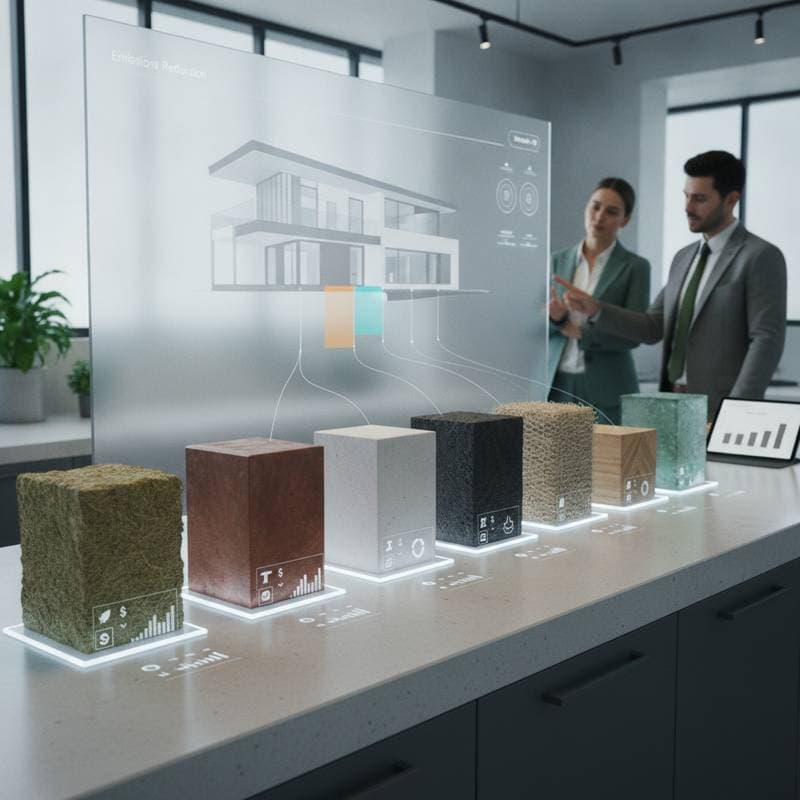
Request detailed cost comparisons from multiple contractors who understand both systems. Review not only material and labor estimates but also schedule savings, energy performance, and long-term durability.
Mass timber continues to evolve as fabrication becomes more efficient and suppliers expand. Traditional framing remains a proven, flexible system suited to nearly any scale of residential or commercial work.