Understanding Multigenerational Remodels and 2025 Costs
Multigenerational remodels transform existing homes into versatile spaces that accommodate parents, children, and grandparents under one roof. These projects emphasize separate living areas with shared common zones to foster independence while nurturing family ties. In 2025, expect costs to range from $75,000 for modest additions to $500,000 or more for extensive transformations, influenced by location, home size, and feature complexity.
Planning begins with assessing family needs, such as mobility requirements or work-from-home setups. Local building codes often mandate fire separations and accessibility standards, which add to expenses but enhance safety. This guide outlines cost factors, design principles, and practical steps to achieve a functional, future-proof home.
2025 Cost Breakdown by Project Scope
Costs vary based on the scale of renovation. Basic updates focus on accessibility enhancements without major structural work. Mid-range projects add private suites, while full remodels integrate advanced systems for long-term use.
-
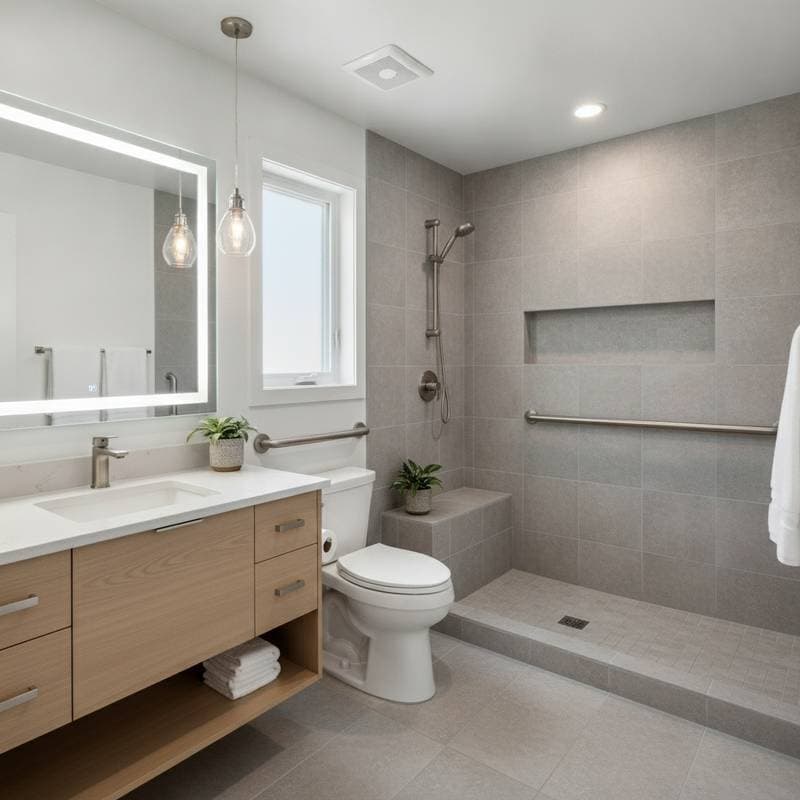
Basic Accessibility Update ($75,000 to $125,000): Install grab bars, widen doorways, and add non-slip flooring throughout key areas. Include lever handles and zero-threshold entries in bathrooms. These modifications suit smaller homes and take 4 to 6 weeks, assuming no plumbing rerouting.
-
Addition of In-Law Suite ($150,000 to $250,000): Convert a basement or garage into a self-contained unit with a bedroom, bathroom, and mini-kitchen. Factor in $20,000 to $40,000 for foundation reinforcement and $15,000 for separate HVAC zoning. Completion typically spans 8 to 12 weeks.
-
Full Multigen Overhaul ($300,000 to $500,000+): Expand the footprint with a new wing or second-story addition, incorporating multiple private spaces, full kitchens, and energy-efficient systems. Structural engineering costs $10,000 to $20,000, while custom cabinetry and smart home integrations add $50,000. Projects last 4 to 6 months, with permits extending timelines.
Regional factors influence pricing; urban areas see 20 to 30 percent higher labor rates than rural ones. Material choices, like sustainable bamboo flooring over hardwood, can reduce costs by 10 to 15 percent without sacrificing durability.
DIY Versus Professional Approaches
Homeowners weigh DIY options against hiring experts based on project demands and skill levels. DIY suits surface-level changes, but professionals handle complexities to avoid costly errors.
Suitable DIY Tasks
Focus on non-structural improvements that require basic tools.
- Paint interior walls in neutral tones to refresh shared spaces.
- Lay vinyl plank flooring in high-traffic areas for easy maintenance.
- Mount grab bars in bathrooms using wall anchors rated for 250 pounds.
These efforts save 30 to 50 percent on labor, with total DIY budgets reaching $30,000 to $60,000 for partial remodels.
Essential Professional Interventions
Engage contractors for tasks involving safety and compliance.
- Demolish and rebuild walls to create separate entrances.
- Install new electrical panels and plumbing lines to code.
- Design HVAC systems with zoned heating for private areas.
Professional remodels range from $150,000 to $400,000, ensuring warranties and inspections. Always obtain multiple bids and verify licenses to secure quality workmanship.
Essential Tools and Materials
Equipping the project with reliable tools and materials prevents delays and ensures professional results. Select items suited to residential use for safety and efficiency.
Core Tools
- 25-foot measuring tape for precise room layouts.
- Laser level to align framing and fixtures accurately.
- Cordless drill and circular saw for cutting and assembly.
- Stud finder to locate supports before installations.
- Protective gear including gloves, glasses, and ear protection.
Key Materials
- 2x6 lumber for framing soundproof walls.
- Drywall sheets with joint compound for smooth finishes.
- 12-gauge electrical wire and PEX tubing for reliable systems.
- R-19 insulation to minimize energy loss in multi-zone homes.
- Durable vinyl or porcelain tile for moisture-prone floors.
Accessibility-Specific Items
- Heavy-duty grab bars with concealed mounting.
- Textured flooring to prevent slips in wet areas.
- Lever door handles for easy operation.
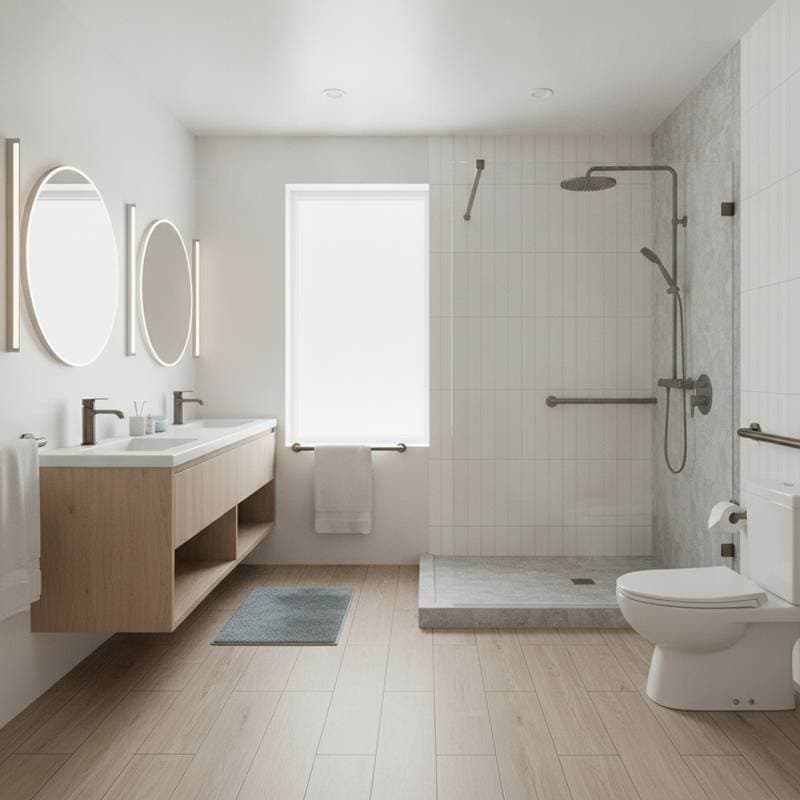
- Curbless shower bases for wheelchair access.
Budget 15 percent of costs for materials, sourcing from local suppliers for bulk discounts.
Layout Strategies for Harmonious Living
Effective layouts prioritize privacy, flow, and adaptability. Position private suites near exterior access to reduce daily disruptions.
Creating Separate Yet Connected Spaces
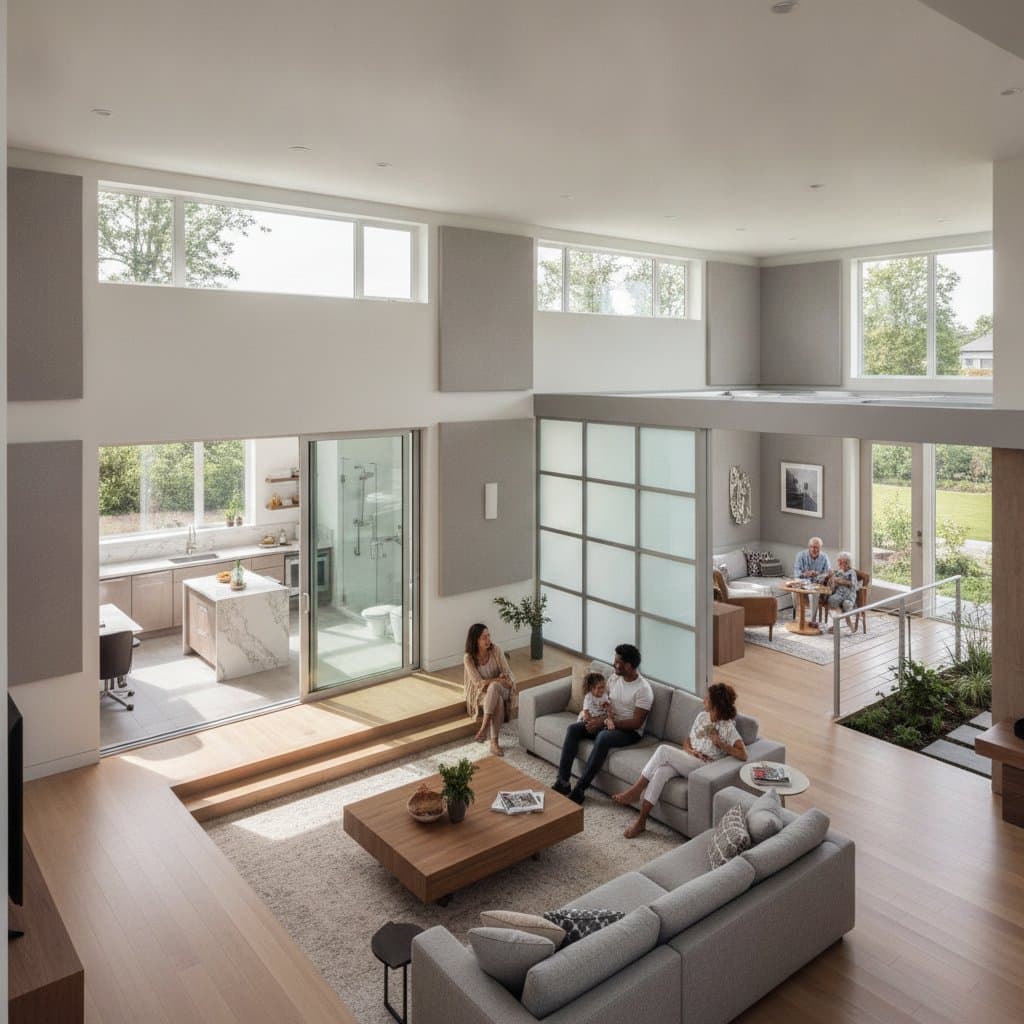
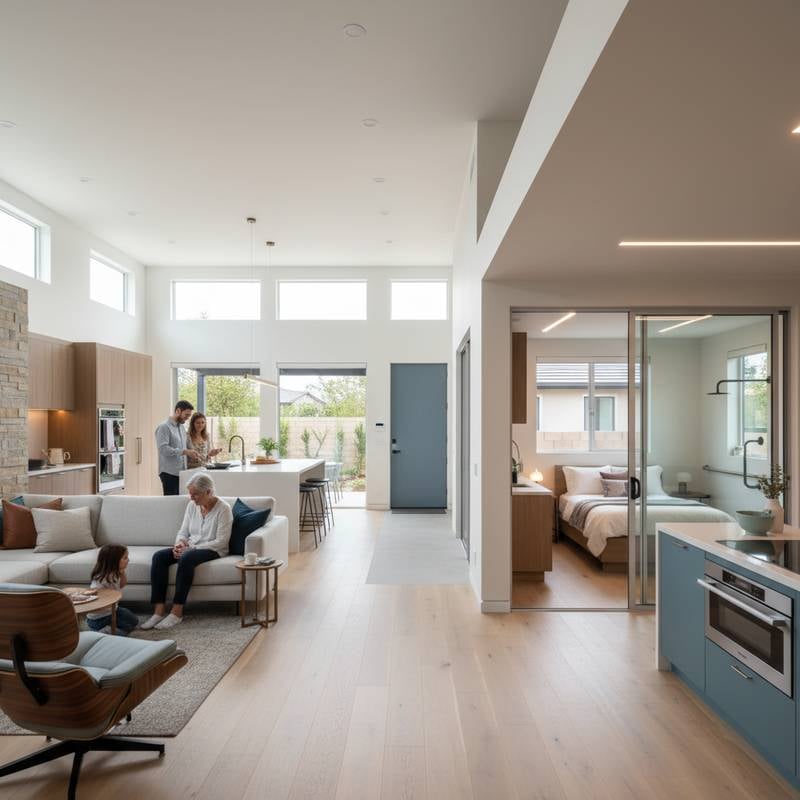
Use pocket doors or vestibules to buffer noise between generations. Shared kitchens serve as gathering points, with private pantries for individual storage. This setup allows autonomy while encouraging interaction.
Optimizing Movement and Accessibility
Design circular pathways that eliminate bottlenecks. Widen hallways to 36 inches minimum and install motion-sensor lighting for nighttime navigation. These features support varying mobility needs without compromising aesthetics.
Enhancing Sound and Light Control
Incorporate mass-loaded vinyl behind drywall for superior noise reduction. Opt for solid-core doors with weatherstripping seals. Maximize natural light through clerestory windows, boosting well-being across all ages.
Building in Flexibility
Choose adjustable shelving and foldable furniture for evolving uses. Universal design elements, like adjustable-height counters, accommodate children, adults, and seniors alike. Plan for resale by documenting adaptable features.
Troubleshooting Common Challenges
Anticipate issues to maintain project momentum. Regular checks during construction catch problems early.
Frequent Problems and Solutions
- Noise Leakage: Install resilient channels and acoustic panels in shared walls to achieve 50-decibel reduction.
- Floor Imperfections: Apply self-leveling underlayment to correct slopes before flooring installation.
- Ventilation Shortfalls: Extend ductwork to isolated rooms and add exhaust fans rated at 100 CFM.
- Lighting Deficiencies: Integrate dimmable LEDs and task lighting over workspaces.
Verification Steps
Confirm door swings clear 32-inch pathways. Test drainage in all fixtures for complete flow. Monitor temperature differentials under 3 degrees across zones. Verify GFCI outlets in kitchens and baths.
Long-Term Maintenance Practices
Sustained care preserves the home's value and safety. Establish routines tailored to multigen dynamics.
Ongoing Inspections
Examine grab bars and thresholds quarterly for wear. Swap HVAC filters every three months to sustain air quality. Reapply caulk in wet zones yearly to prevent leaks. Conduct monthly tests on detectors.
Expected Durability
Flooring withstands 10 to 20 years with proper cleaning. Finishes last 5 to 10 years before refreshing. Appliances endure 8 to 15 years under moderate use. HVAC units operate 15 to 25 years with servicing.
Maintain a digital log of repairs and upgrades to inform future decisions.
Expert Recommendations for Project Success
Approach the remodel methodically to maximize benefits.
Set a detailed budget with 10 to 15 percent buffer for unforeseen adjustments. Consult family members during walkthroughs to align on privacy and usability. Select timeless materials like quartz counters for broad appeal. Integrate smart thermostats to cut utility bills by 20 percent. Record all modifications for insurance and marketability.
A thoughtfully executed multigenerational remodel delivers spaces that evolve with family needs, promoting security and unity for years ahead.
Frequently Asked Questions
What defines a multigenerational remodel?
This renovation adapts a home for cohabitation across generations, featuring distinct suites with dedicated amenities like bathrooms and entryways.
Are permits required for these projects?
Yes, structural, electrical, or plumbing alterations demand permits and professional inspections to comply with local regulations.
How do energy-efficient choices impact costs?
Upfront investments in insulation and appliances yield 15 to 25 percent savings on bills, offsetting initial expenses within 5 years.