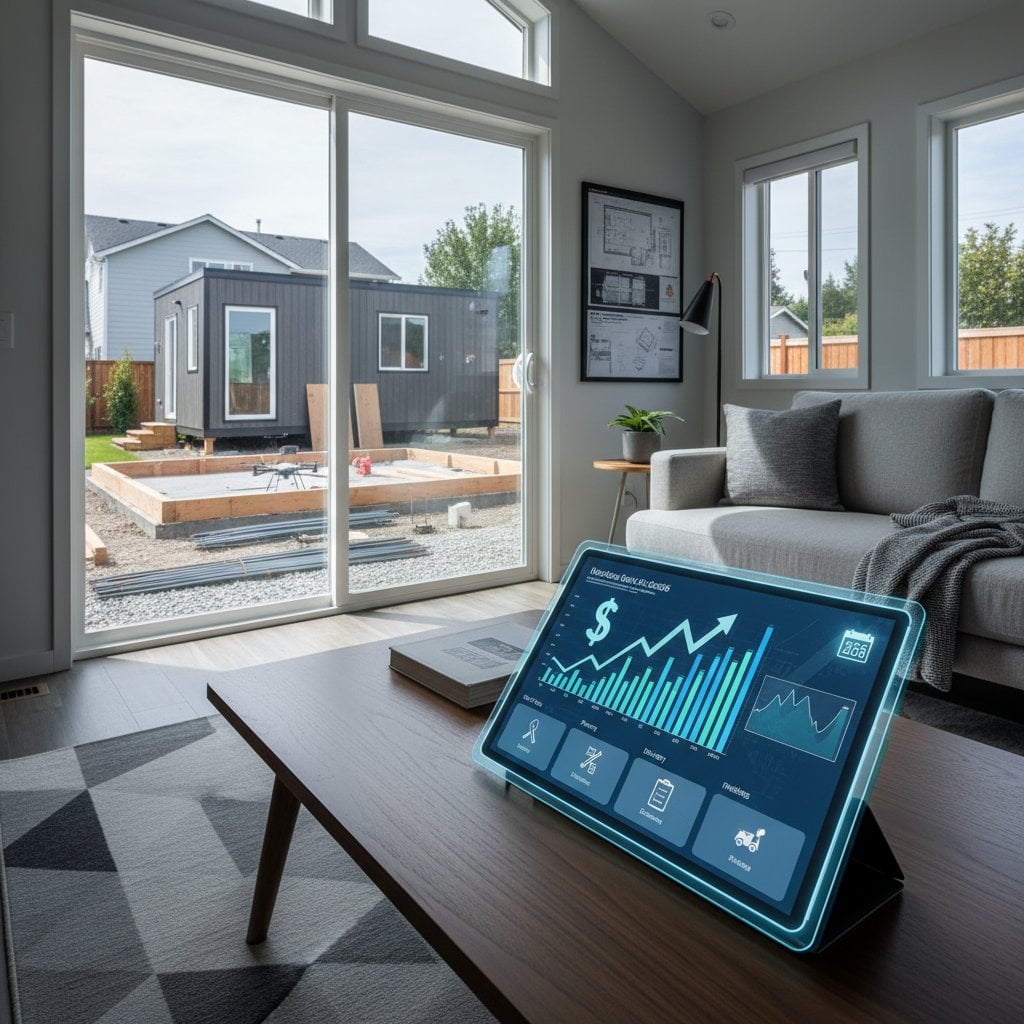
Key Prefab ADU Costs to Anticipate in 2026
Prefab accessory dwelling units offer an efficient solution for adding living space, whether for rental income, family accommodations, or dedicated workspaces. These factory-built structures promise reduced construction timelines and consistent quality. However, total expenses extend far beyond the initial unit price, encompassing site-specific work and regulatory requirements. This overview clarifies pricing dynamics, expected ranges, and strategies to develop an accurate budget.
Core Elements of Prefab ADU Pricing
Manufacturers construct prefab ADUs in controlled environments before transporting them to the site for assembly. This approach minimizes on-site disruptions and material waste. Pricing varies based on unit specifications, property characteristics, and regional standards. Consider design complexity, square footage, and material selections when evaluating options to align costs with project goals.
Cost Structures by Unit Type
Different prefab ADU configurations carry distinct price points, influenced by size and features.
-
Studio Configurations
Compact designs feature open layouts with basic kitchen facilities and a single multipurpose area.
Advantages: These units suit short-term guests or remote work setups, with reduced demands on foundations and utilities.
Design recommendations: Opt for understated interiors using simple shelving and exterior shades such as warm neutral tones or muted slate hues.
Projected costs: Base prices start lower, yet comprehensive totals, including site integration and approvals, frequently exceed initial estimates by 40 to 60 percent. -
One-Bedroom Configurations
These include a dedicated bedroom alongside communal spaces for enhanced privacy.
Advantages: Suitable for extended stays or income-generating rentals, they provide practical space without excessive scale.
Design recommendations: Pair exterior colors like subtle green shades with crisp white accents or wood elements for seamless integration.
Projected costs: Mid-range figures apply, with additions for transport, utilities, and optional enhancements pushing totals higher. -
Two-Bedroom Configurations
Expanded layouts accommodate multiple occupants with separate sleeping quarters.
Advantages: Ideal for family extensions or stable tenant housing, offering versatility in use.
Design recommendations: Select contemporary schemes featuring deep grays, soft creams, and wood stains to achieve a cohesive aesthetic.
Projected costs: Elevated due to increased materials and infrastructure, particularly for structural supports and service lines.
Commonly Overlooked Cost Components
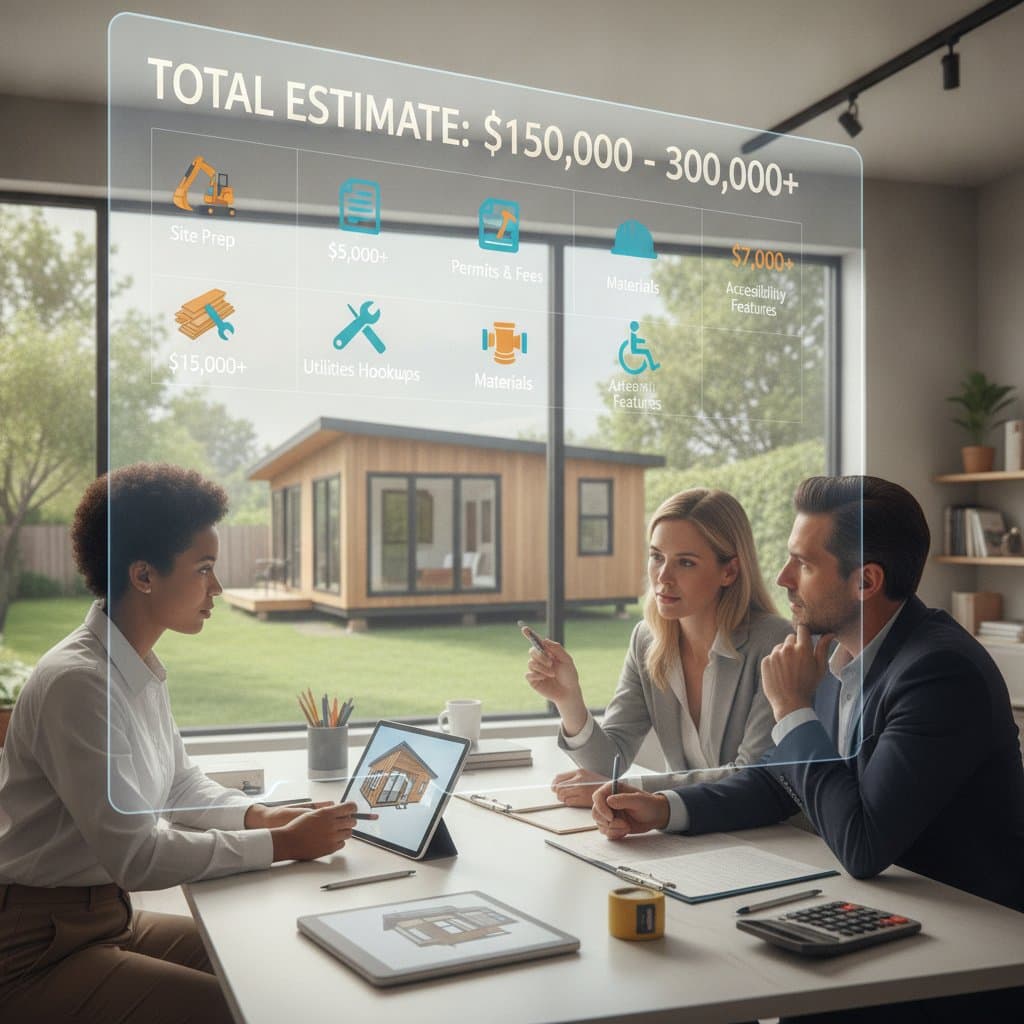
Quotes from prefab providers typically cover the unit alone, leaving essential on-site elements to the homeowner. Addressing these early prevents budget shortfalls.
-
Site Preparation Requirements
Tasks such as land grading, excavation for utilities, and soil reinforcement depend on terrain. Sloped or waterlogged properties demand specialized equipment, elevating expenses by thousands. -
Regulatory Permits and Assessments
Jurisdictions mandate approvals for zoning, structural integrity, and environmental compliance. Allocate resources for architectural submissions, efficiency audits, and potential development charges. -
Transportation and Installation Logistics
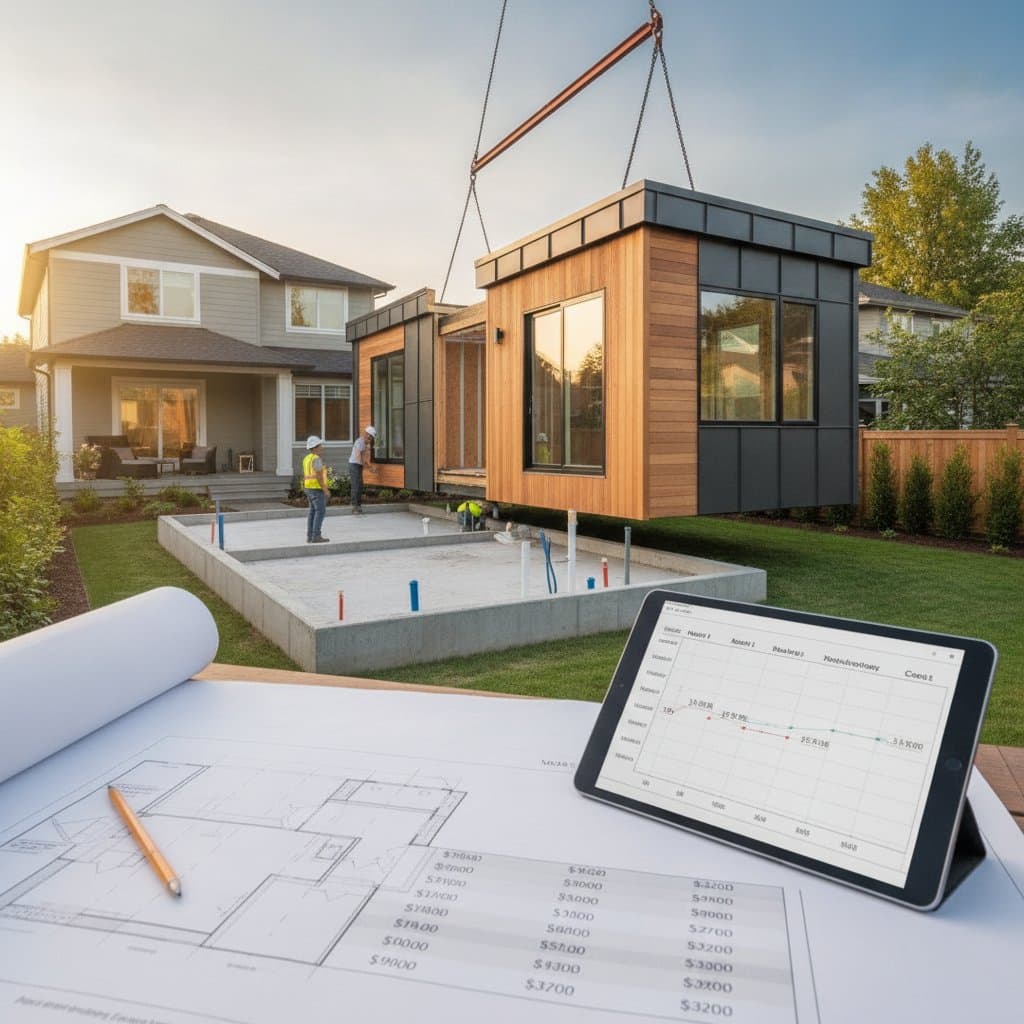
Units arrive via truck, often requiring cranes for placement. Obstructions like narrow paths or utility lines extend setup duration and associated fees. -
Utility Integration Expenses
Extending electricity, water, and sewage systems incurs charges based on distance and complexity. Professional assessments ensure compliance with codes, adding to the investment. -
Exterior and Site Enhancements
Post-installation, elements like pathways, privacy barriers, and illumination finalize the setup. These contribute to functionality and visual appeal but accumulate costs.
Pricing Insights Per Square Foot
Base rates for prefab ADUs range from $150 to $300 per square foot, yet all-inclusive figures often reach $250 to $500 when factoring in ancillary work. A 400-square-foot studio may begin at $60,000 for the module, but full project costs approach $100,000 with preparations and connections. Larger formats, such as 800-square-foot two-bedroom units, start at $120,000 yet total $200,000 or more, benefiting from proportional efficiencies in scaling.
Variables Shaping Total Expenses
Several elements determine the final outlay, requiring careful evaluation.
-
Material Specifications
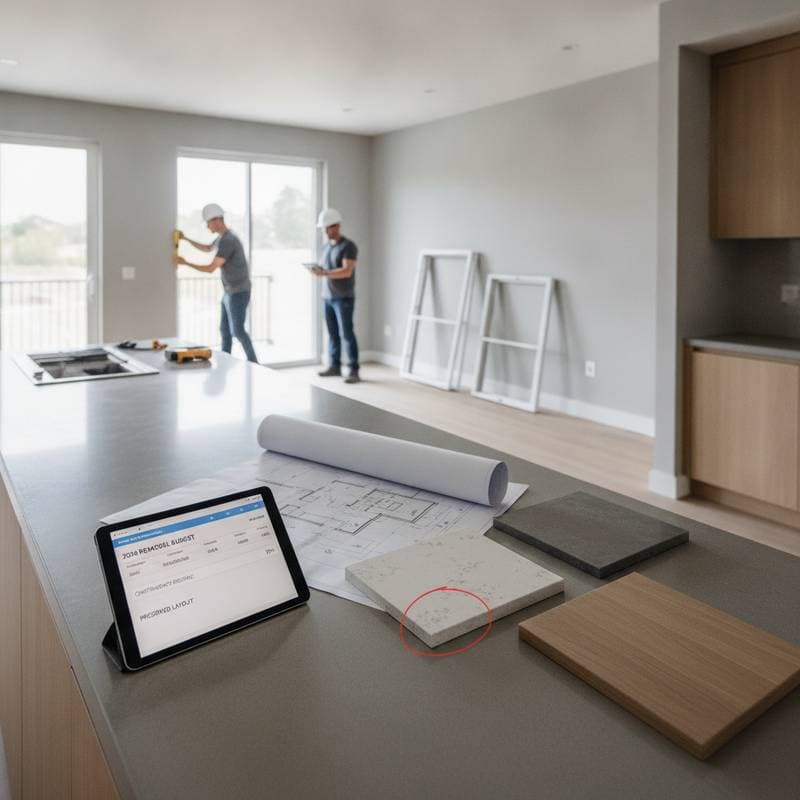
Premium selections like stone surfaces or solid wood flooring raise upfront costs. Opt for resilient options that lower maintenance over decades. -
Foundation Configurations
Standard slab foundations suffice for level sites, while elevated or post systems suit unstable soils or elevated risk areas, increasing structural investments. -
Customization Extent
Tailored features, including unique glazing, cladding, or roofing, enhance personalization at added expense. Balance bespoke elements with standard offerings for cost control. -
Site Location and Accessibility
City environments complicate deliveries due to space constraints, whereas remote areas extend utility provisioning. Both scenarios adjust pricing accordingly. -
On-Site Labor Demands
Teams manage pouring bases, linking services, and securing assemblies. Regional wage variations and project timelines influence this component.
Integrating Design with Property Aesthetics
Seamless incorporation elevates the ADU from an appendage to an asset.
-
Exterior Color Selection
Align palettes with primary residence details; brick homes pair effectively with earthy beiges or gentle browns. Coastal properties benefit from airy blues or pale greens accented by neutral trims. -
Placement and Natural Light Optimization
Orient structures to maximize solar exposure for efficiency. Lighter shades on north-facing sides amplify illumination and reduce energy needs. -
Roofing and Detail Matching
Coordinate shingle types and edge treatments for unity. Dark accents complement sleek styles, while lighter borders enhance heritage designs.
Strategies for Effective Budget Management
Develop a robust financial plan to navigate prefab ADU projects.
-
Secure Detailed Estimates
Demand breakdowns covering transport, bases, and integrations from providers. -
Incorporate Buffer Funds
Reserve 10 to 15 percent for unforeseen issues like terrain adjustments or approval extensions. -
Review Zoning Guidelines Promptly
Identify restrictions on dimensions or parking to avoid revision expenses. -
Evaluate Durability Against Savings
Invest in lasting components that withstand wear, yielding long-term economies. -
Assess Return on Investment
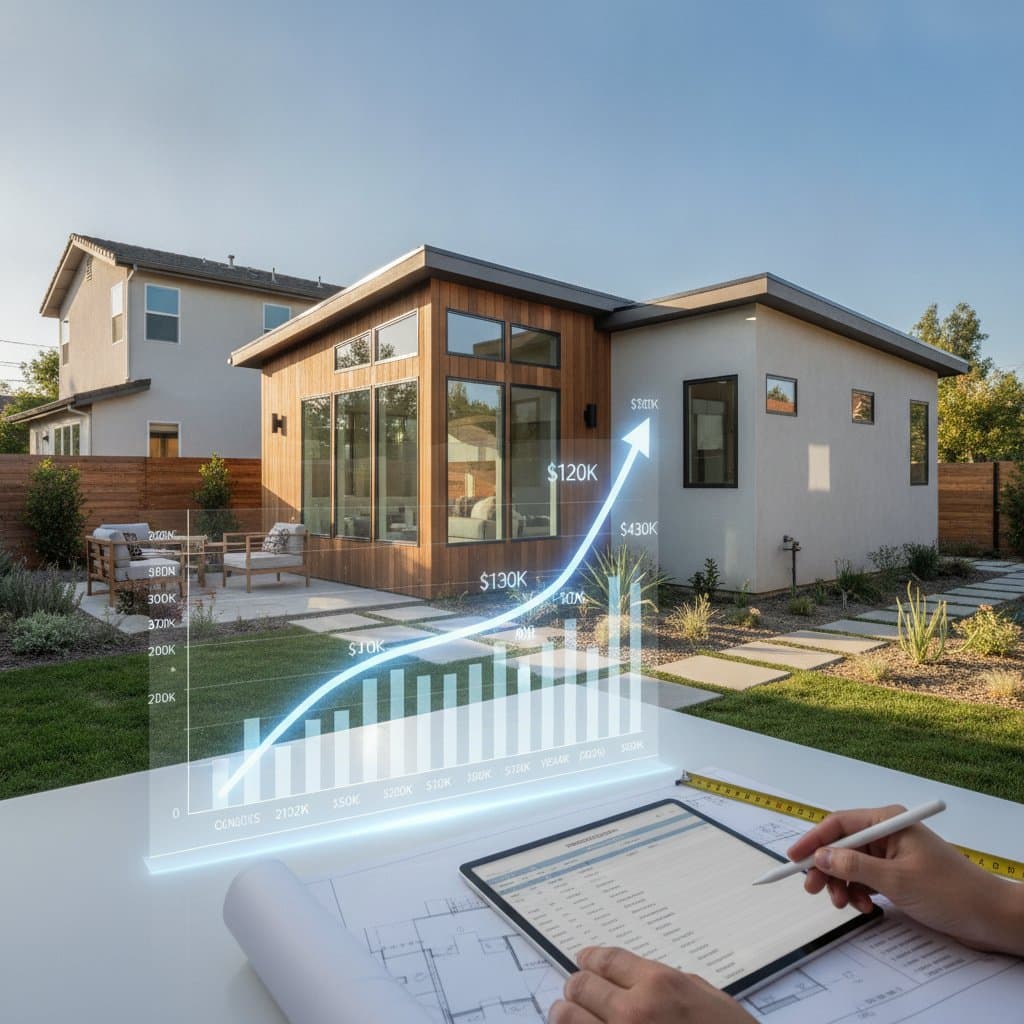
Calculate potential appreciation and revenue streams to justify expenditures.
Engaging Experts for Optimal Results
Consult architects or contractors experienced in prefab installations to navigate complexities. They assess site viability, coordinate approvals, and oversee integrations, minimizing risks and ensuring code adherence. Professional input refines designs for efficiency and value retention.
Securing Long-Term Benefits
Prefab ADUs transform properties by providing adaptable spaces that generate returns. Account for every phase, from module acquisition to final detailing, to realize gains in utility and market worth. With informed planning, this addition becomes a enduring enhancement to your estate.