Prefab ADU Costs and Permit Essentials for Buyers
Prefab accessory dwelling units offer a practical route to expand living space, create rental income, or establish a home office. This guide clarifies the elements that shape prefab ADU costs and outlines the permits required before construction begins.
Components of a Prefab ADU
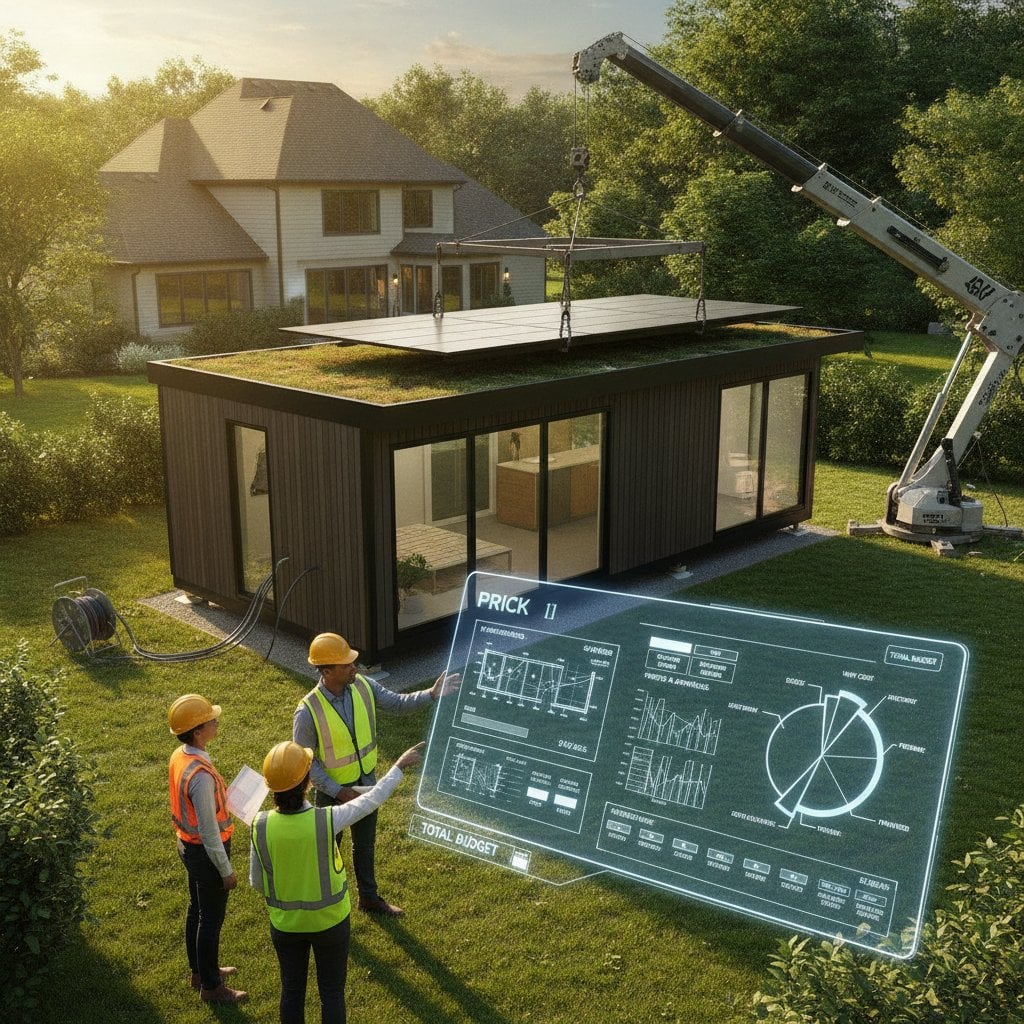
A prefab ADU arrives as a factory-built structure that is delivered and installed on site. Most units come partially or fully finished, which shortens build time and reduces on-site disruption. The quoted price typically covers the structure itself, foundation work, utility connections, and final setup. Some packages incorporate interior finishes such as flooring, cabinetry, and appliances.
Three common configurations exist:
- Detached units positioned apart from the primary residence.
- Attached units that share a wall with the main house.
- Garage conversions that repurpose existing space for residential use.
Each configuration carries distinct cost implications, zoning rules, and utility demands.
Primary Cost Drivers
Several variables determine the final price. Awareness of these variables supports accurate budgeting.
-
Size and Layout
Square footage exerts the strongest influence on cost. A studio or one-bedroom layout requires fewer materials than a two-bedroom model. Compact designs lower both material and labor expenses while preserving livability. -
Finish Level
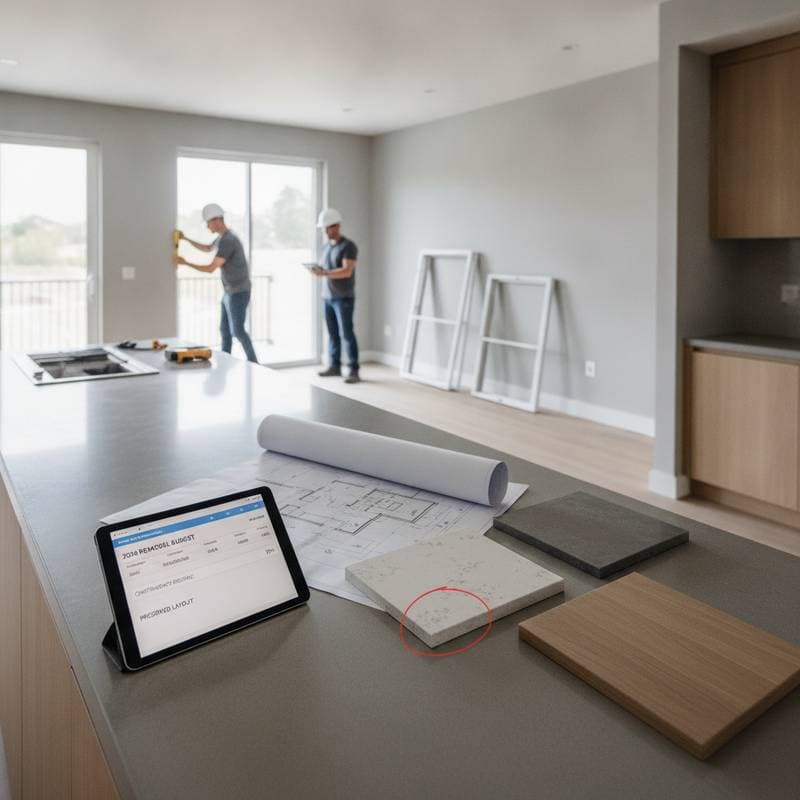
Premium surfaces such as hardwood floors, quartz counters, or custom fixtures increase the total. Manufacturers usually present base, mid-range, and premium packages. Selecting finishes that align with the primary residence creates visual continuity. -
Foundation and Site Preparation
Lot conditions directly affect expenses. Sloped terrain, tree removal, or unstable soil may necessitate additional grading or reinforced footings. When sewer and water lines lie far from the chosen location, connection costs rise accordingly. -
Delivery and Installation
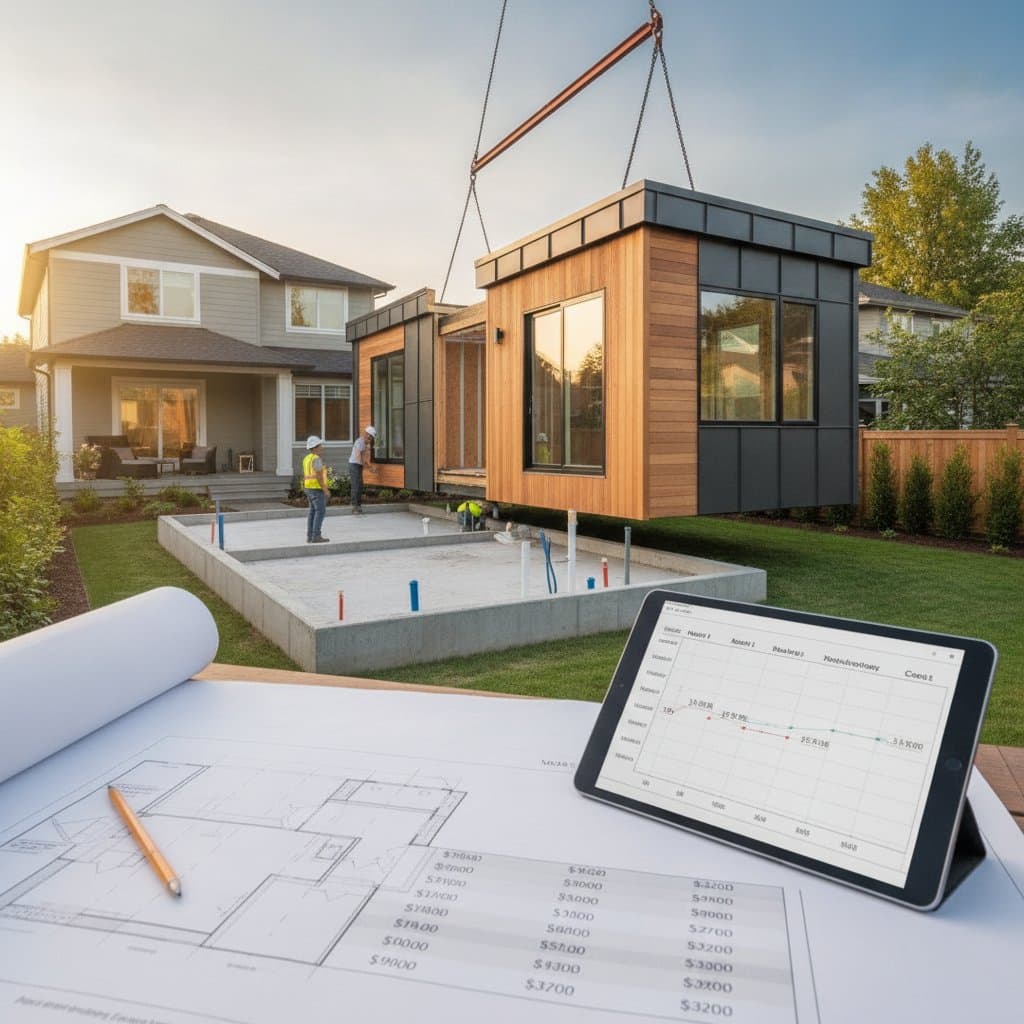
Moving a completed unit requires specialized trucks, cranes, and oversized-load permits. The distance between the factory and the property influences transportation charges. -
Permit and Impact Fees
Municipal charges differ by jurisdiction. Some cities publish fixed permit fees for ADUs, while others base fees on square footage or utility demand.
Cost Expectations
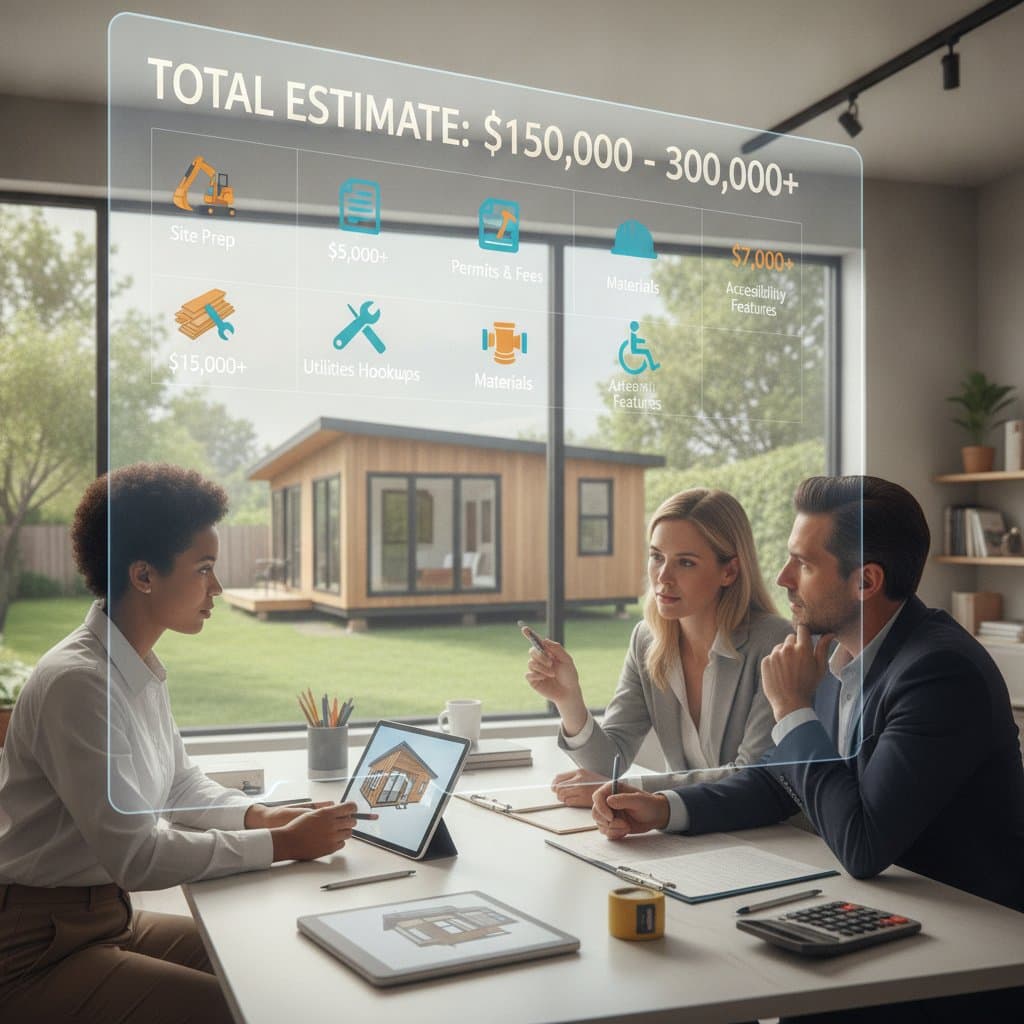
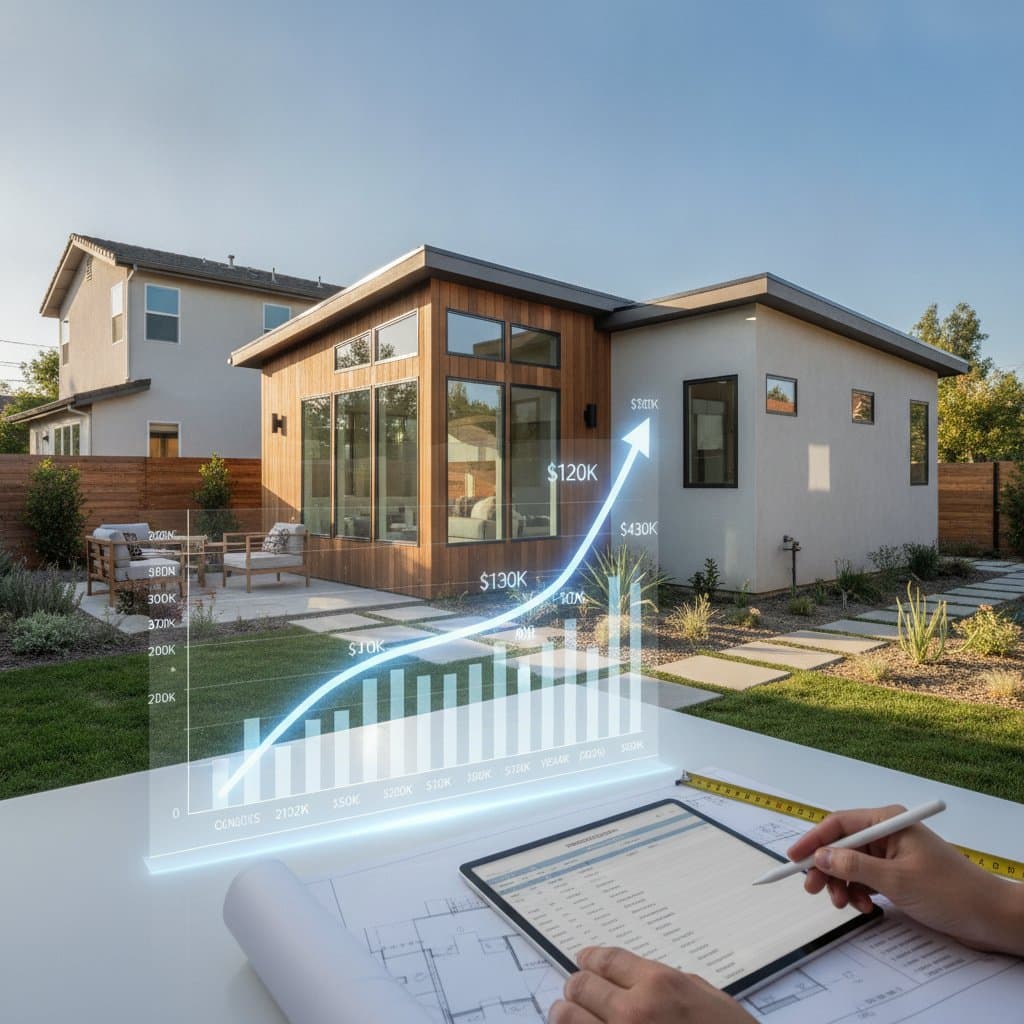
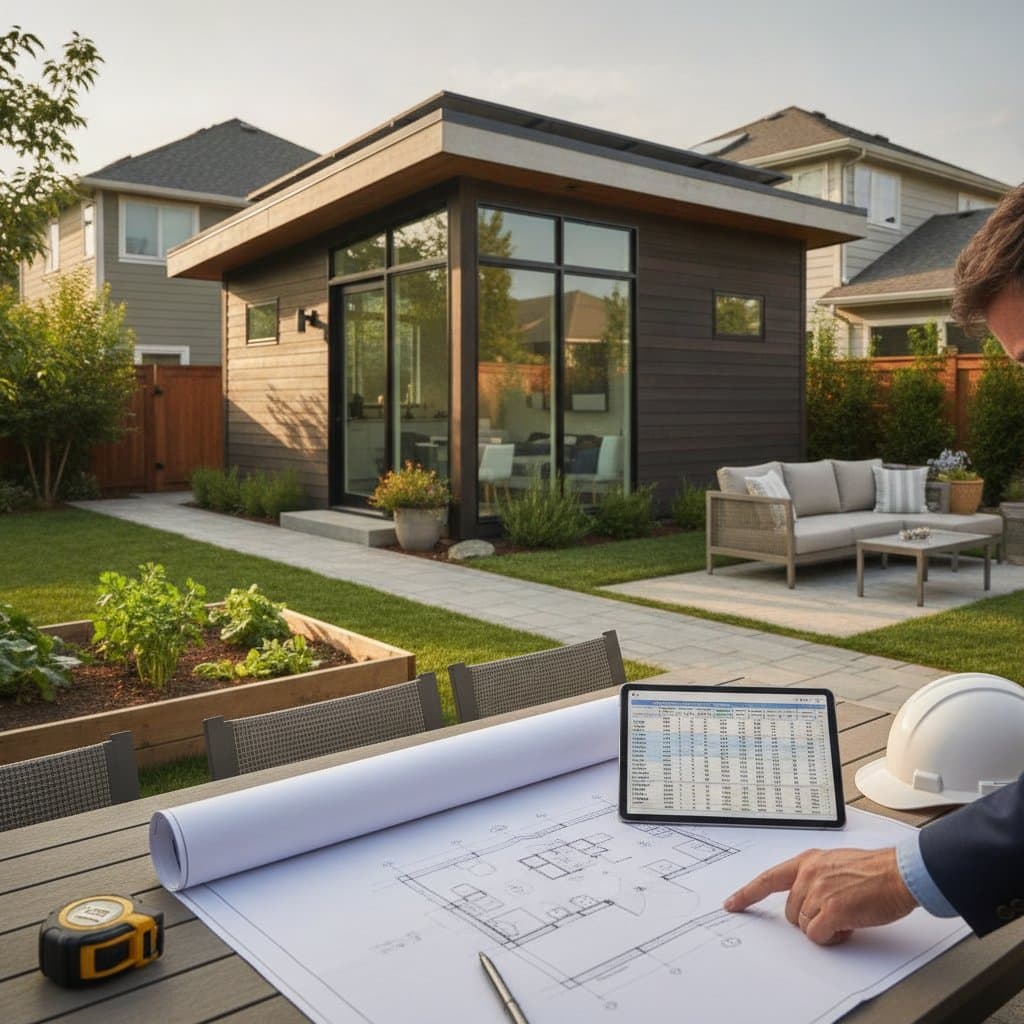
Prefab ADU prices range from the cost of a new vehicle to that of a modest home, depending on scale and specification. Detached units on custom foundations generally exceed the price of attached models. Request an itemized proposal that separates structure, site work, and municipal fees to facilitate direct comparisons across builders.
Permit Requirements
Local zoning and building codes govern every project. Review these rules before ordering a unit.
Essential permit categories include:
- Zoning compliance that addresses setbacks, height limits, and maximum floor area.
- Utility connections that may require separate meters or approved tie-in methods.
- Foundation and structural review that applies the same standards used for site-built homes.
- On-site inspections for electrical, plumbing, and foundation work.
Accurate documentation reduces review delays. Some manufacturers manage permit submissions, while others supply templates and checklists for owner use.
Buyer Recommendations
- Contact the planning department early to confirm allowable designs.
- Compare models by asking about customization limits and the value of each upgrade tier.
- Verify that the manufacturer holds licenses and local project experience.
- Allocate separate funds for trenching, metering, and utility hookups.
- Review warranty terms for structure, finishes, and appliances.
Ongoing Use and Maintenance
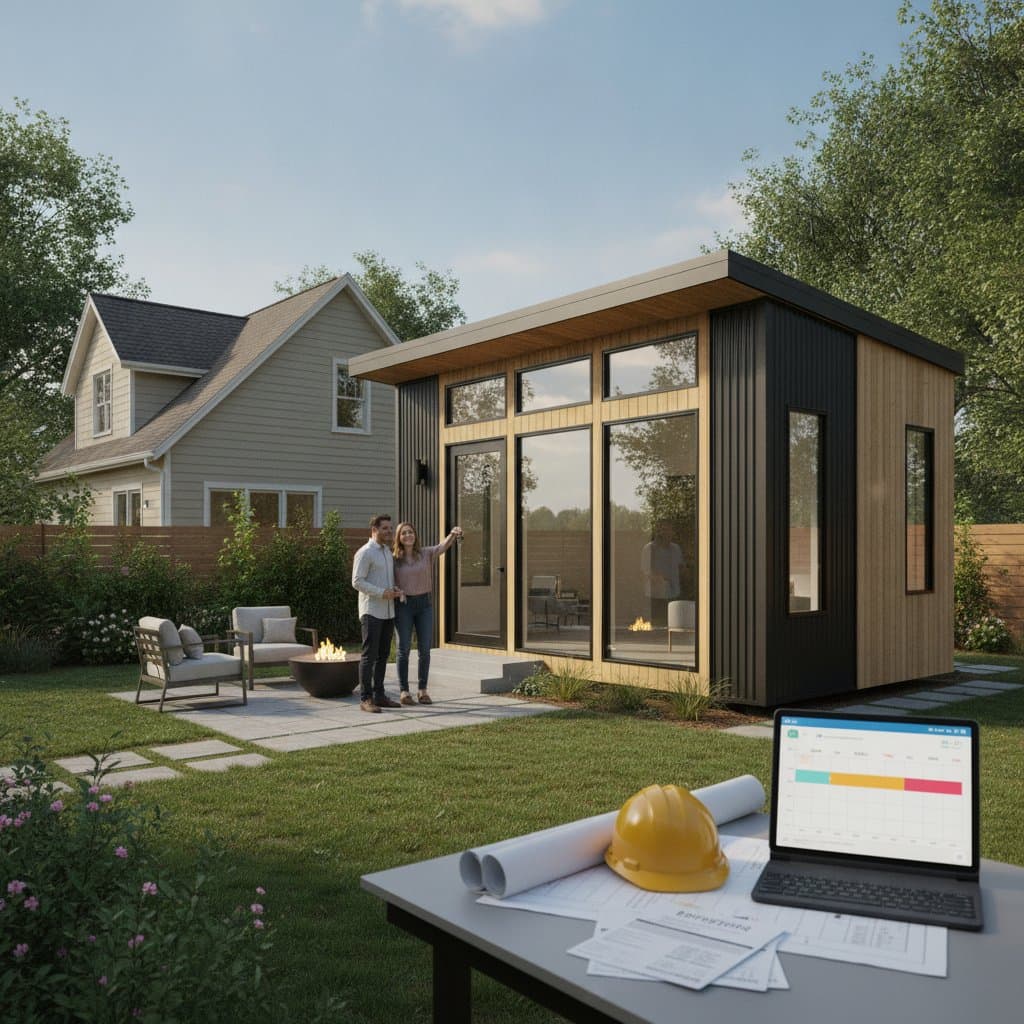
An installed prefab ADU can function as a guest suite, rental unit, or workspace. Durable exterior materials and energy-efficient windows simplify upkeep. Coordinating colors and textures with the main residence maintains consistent curb appeal.
Planning a Successful Project
Clear understanding of cost components and approval steps allows owners to set realistic budgets and timelines. Thoughtful selection of size, finishes, and site solutions produces an addition that meets both regulatory standards and long-term property goals.