Prefab ADU Cost Breakdown and 2026 ROI Explained
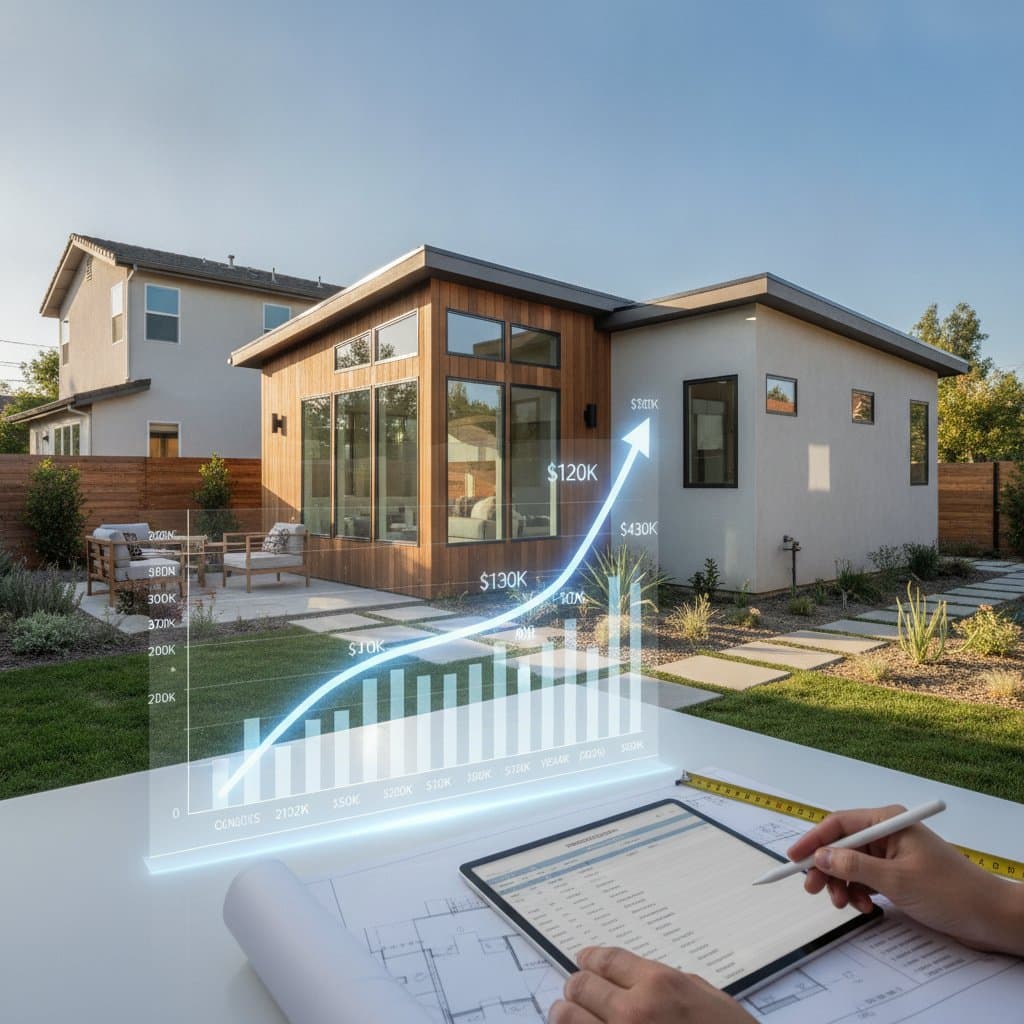
Prefab accessory dwelling units offer homeowners a practical way to add living space while increasing property value. These units support rental income, multi generational living, or dedicated workspaces. Faster construction timelines and more predictable expenses set prefab options apart from traditional building methods. Clear understanding of total costs, pricing influences, and expected returns supports sound planning.
This guide presents a complete cost breakdown for prefab ADUs. It examines each expense category and outlines realistic returns after completion.
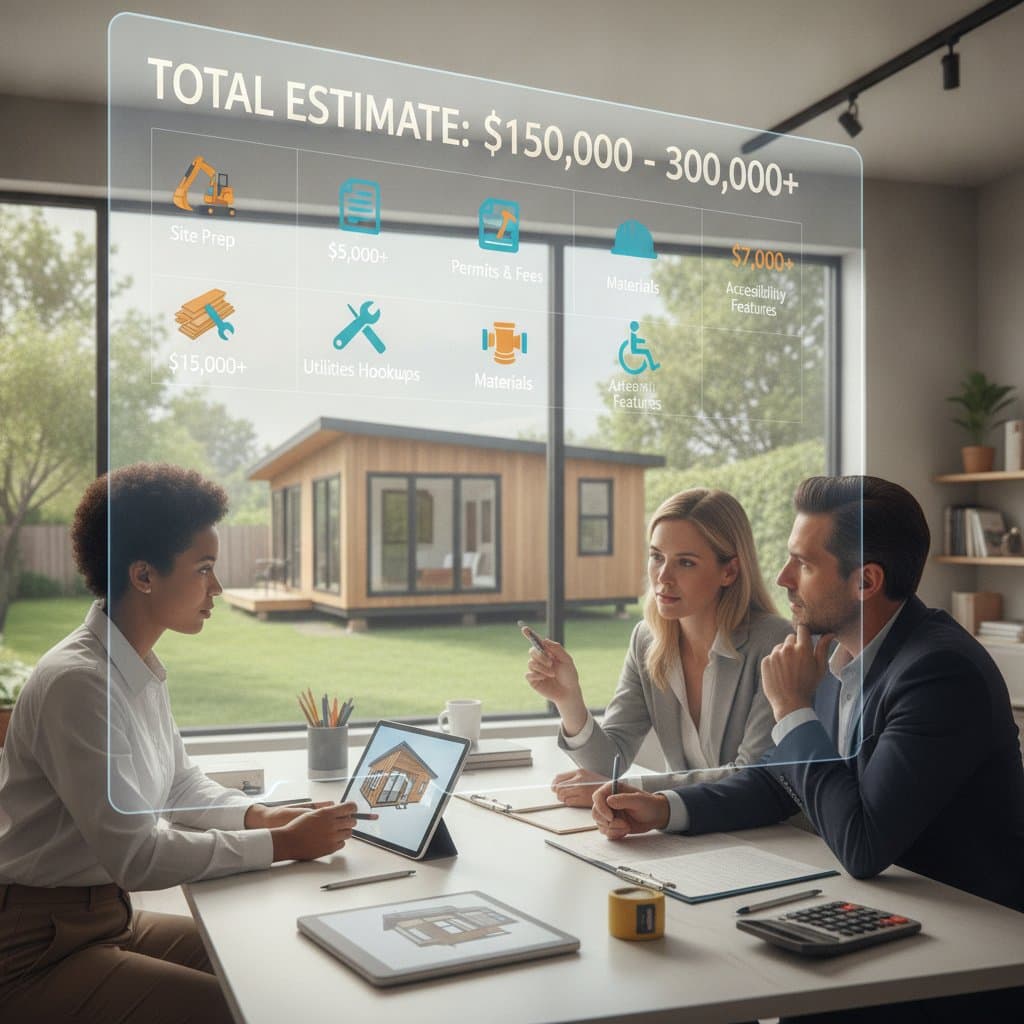
Typical Cost Breakdown by Category
| Category | Cost Range | Percentage of Total |
|---|---|---|
| Prefab unit fabrication | $100,000–$250,000 | 55–65% |
| Site work and foundation | $15,000–$40,000 | 10–15% |
| Utility connections | $10,000–$25,000 | 8–12% |
| Permits and fees | $5,000–$15,000 | 5–10% |
| Delivery and installation | $3,000–$10,000 | 3–5% |
| Contingency and finishes | $5,000–$20,000 | 5–10% |
Most of the budget goes toward the prefab unit itself. Site conditions and local rules determine remaining expenses.
DIY versus Professional Installation
Prefab ADUs reduce overall construction time, yet certain tasks require licensed professionals to maintain safety and compliance.
Reasonable DIY Tasks
- Minor site preparation such as adding gravel paths or basic landscaping
- Interior work including painting and furniture placement
- Simple deck or patio additions after unit placement
Tasks Best Left to Professionals
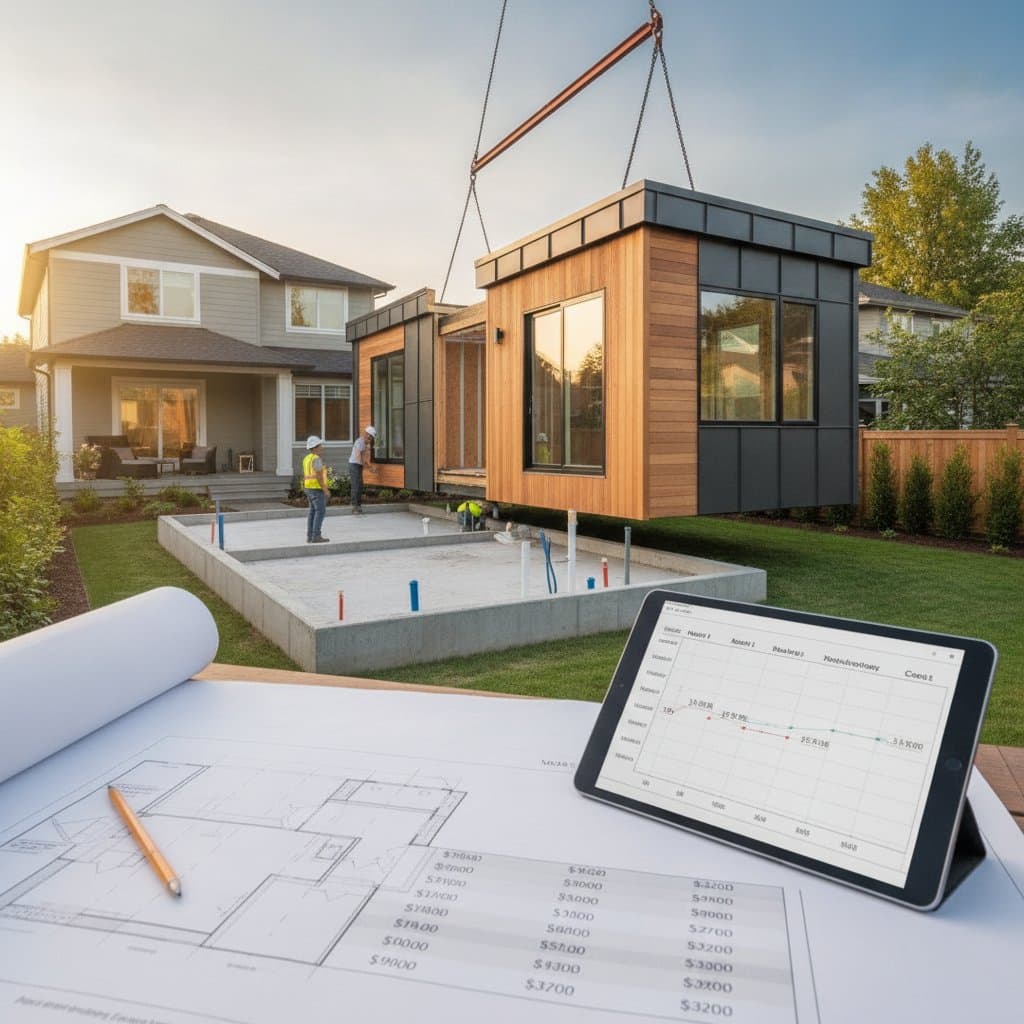
Foundation work and utility hookups demand licensed contractors along with required inspections. Electrical and plumbing connections must satisfy local codes and safety standards. Crane operations and delivery logistics require insured crews familiar with modular placement.
Regional and Climate Factors
Local conditions shape both design requirements and final costs. Cold climates call for enhanced insulation, deeper footings, and stronger heating systems. Hot or humid areas benefit from reflective roofing, improved ventilation, and moisture resistant materials. High cost urban zones often impose stricter zoning rules and elevated permit fees, yet they frequently deliver stronger rental demand.
Early review of regional requirements allows accurate budgeting and informed manufacturer selection.
When to Hire a Professional Builder
Coordination between factory production and site work benefits from an experienced general contractor. Specialists in accessory dwelling units manage permitting, inspections, and scheduling.
Look for proven experience with local codes, itemized cost estimates, and documented on time delivery. Strong communication between factory teams and onsite crews reduces delays from soil issues or delivery challenges.
Common Questions About Prefab ADU Costs
How long does it take to complete a prefab ADU? Most projects reach completion in three to six months once permits are secured and site work begins.
Do prefab ADUs require separate utility meters? Shared utilities from the main house remain an option. Separate meters support precise rental expense tracking when desired.
Can I finance a prefab ADU? Home equity loans, construction loans, and cash out refinancing represent common choices. Certain lenders provide financing products designed specifically for ADU projects.
Are prefab ADUs built to the same code as traditional homes? All units must satisfy local building codes and pass the same inspections required for site built structures.
Will building a prefab ADU raise my property taxes? Added living space typically increases assessed value. The original home assessment stays unchanged.
Planning for Sustained Returns
A completed prefab ADU functions as a durable financial asset that supports both income generation and household flexibility. Maintain detailed expense records, schedule regular maintenance, and monitor local rental rates to optimize pricing. Whether used for tenants or family members, a properly executed unit delivers ongoing income, improved livability, and lasting property appreciation.