Understanding Prefab and Custom ADU Costs for 2025
Property owners often consider accessory dwelling units, or ADUs, to boost home value, generate rental revenue, or provide additional living space. The choice between a prefab ADU and a custom build significantly influences the overall budget and timeline. By examining key differences in construction methods, expenses, and benefits, individuals can select the approach that best suits their needs.
Key Features of Prefab and Custom ADUs
Prefab and custom ADUs both provide a complete secondary residence on an existing property. However, their construction processes and customization levels differ markedly.
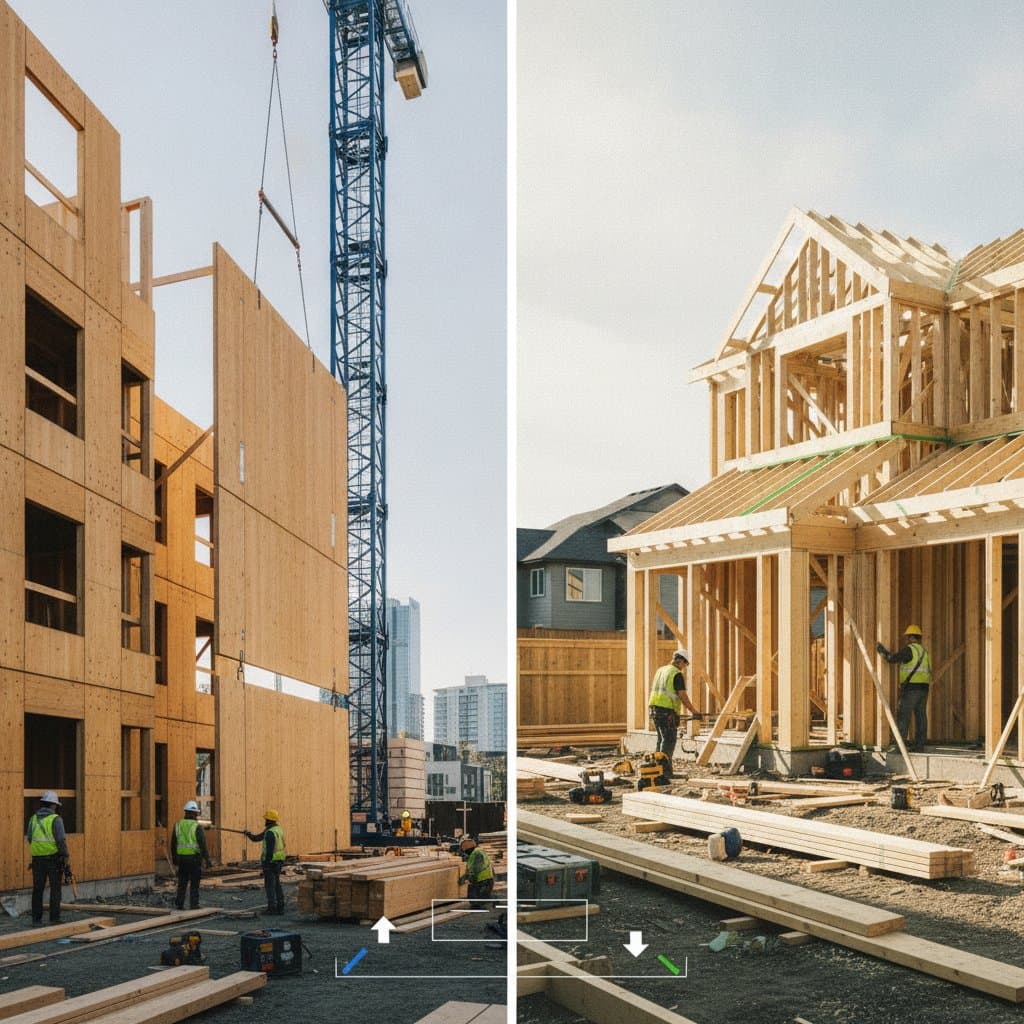
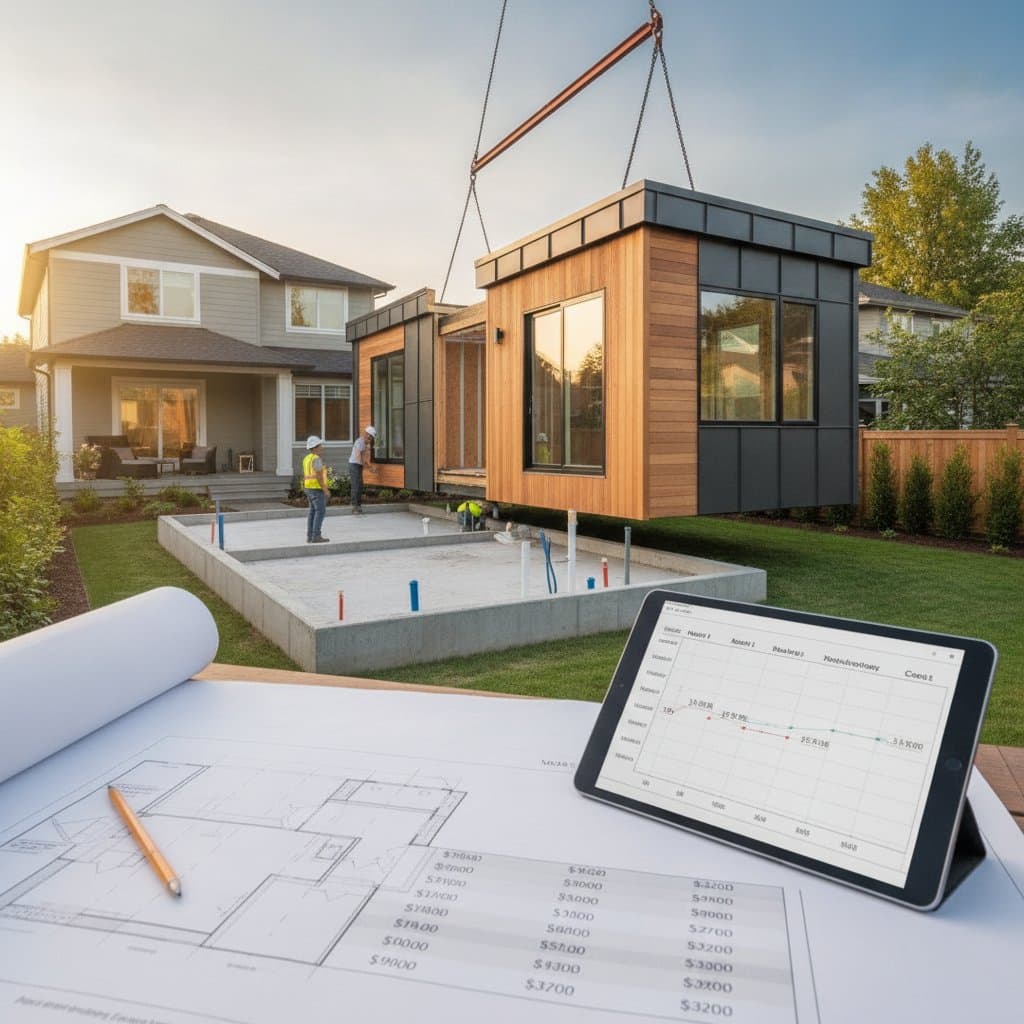
- Prefab ADU: These units undergo manufacturing in a factory environment, arrive in modular sections, and require assembly on-site.
- Custom ADU: Construction occurs entirely on the property, allowing for tailored designs that adapt to specific site features and owner preferences.
This distinction affects not only the final appearance but also the efficiency of the building process.
Detailed Cost and Timeline Breakdown
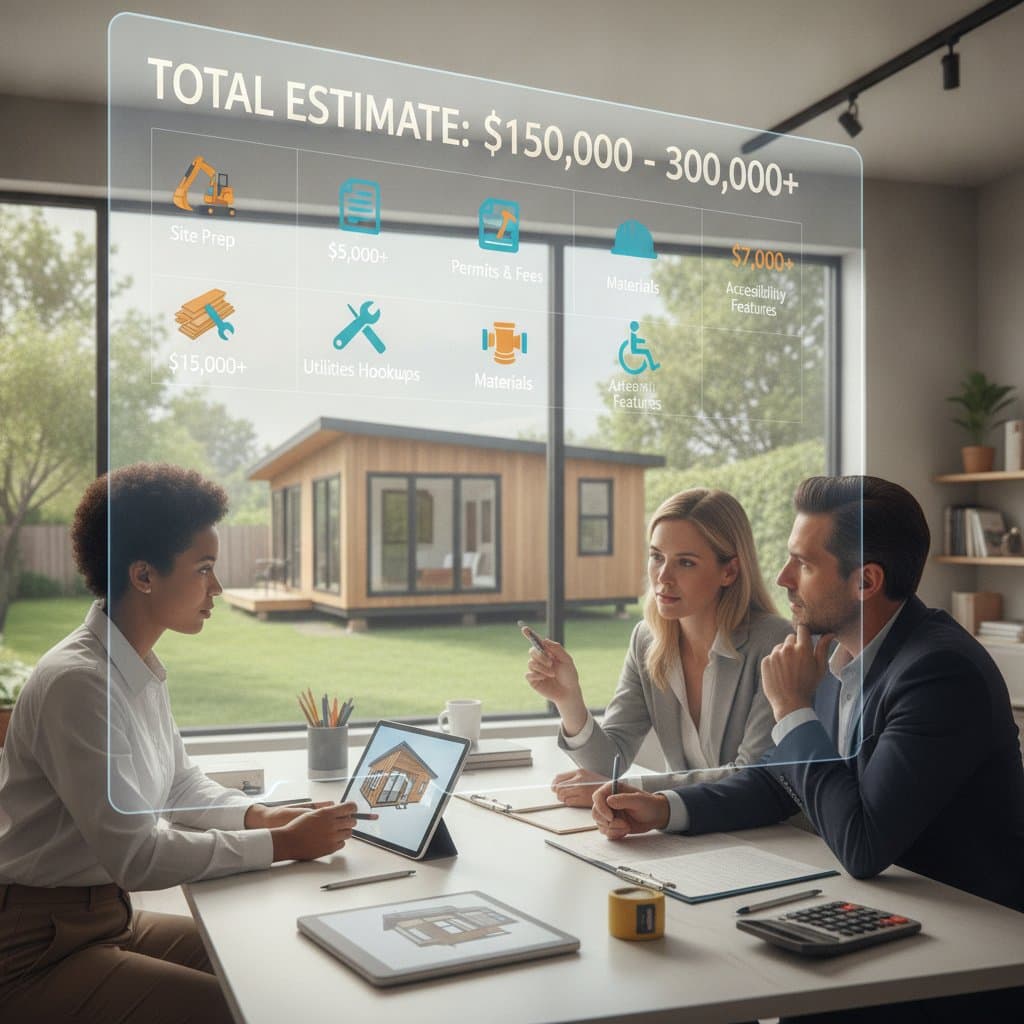
Costs for ADUs vary based on factors such as square footage, material quality, and regional building codes. The following table offers a comparison for typical 600-square-foot units in 2025, incorporating design, materials, labor, and permitting fees.
| Type | Average Total Cost | Cost per Square Foot | Estimated Build Time |
|---|---|---|---|
| Prefab ADU | $150,000–$250,000 | $300–$450 | 3–5 months |
| Custom ADU | $250,000–$400,000 | $400–$800 | 6–12 months |
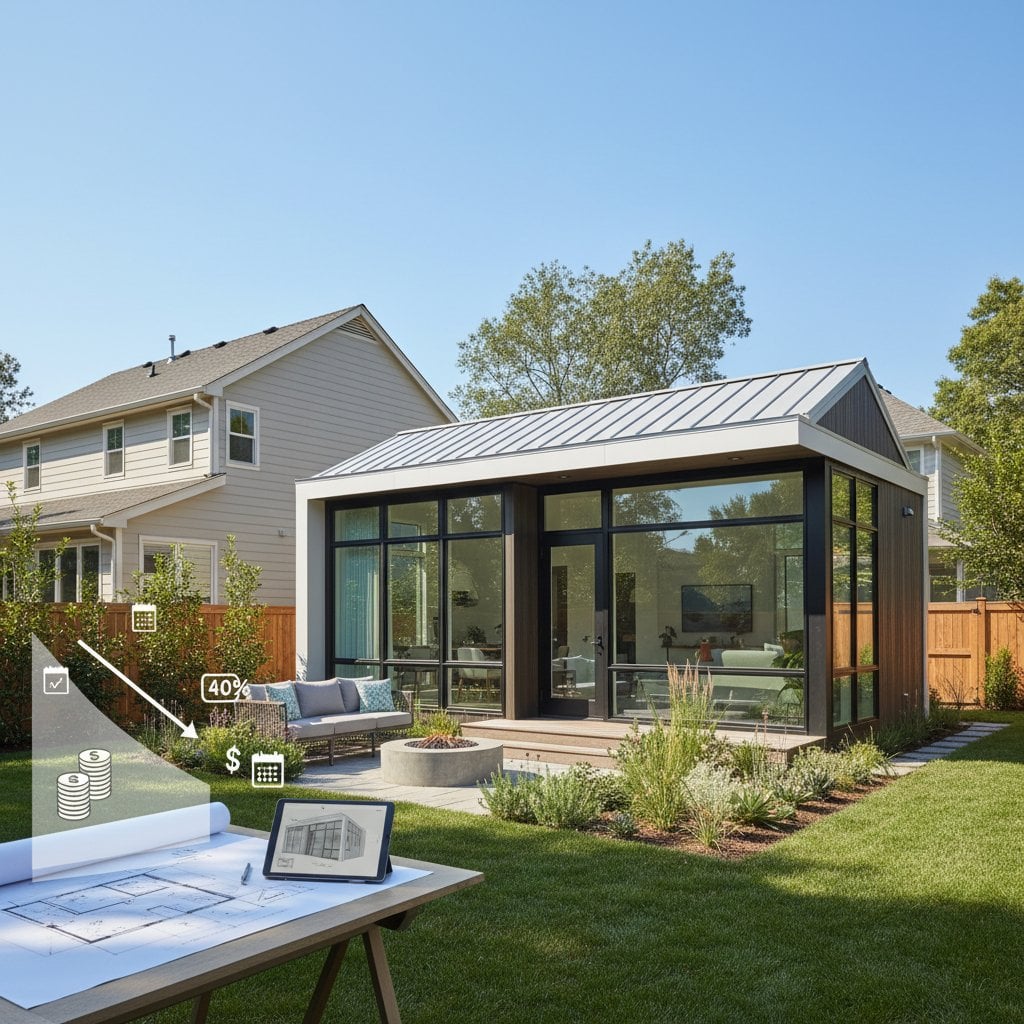
Prefab options often achieve savings of 30 to 40 percent compared to custom builds due to standardized components and reduced on-site labor. Local variations, such as seismic requirements in California or zoning restrictions in urban areas, may adjust these figures.
Advantages of Prefab ADUs for Cost Efficiency
Prefab ADUs minimize expenses through factory-based production, which cuts down on material waste and optimizes labor usage. Workers in controlled settings complete tasks more quickly, avoiding interruptions from weather or supply chain issues. Manufacturers frequently secure volume discounts on materials like insulated panels and energy-efficient windows, further lowering per-square-foot costs.
Site-related expenses, including delivery and foundation preparation, remain necessary. Yet, these are typically outweighed by reductions in design iterations and construction duration. Many prefab designs hold pre-approvals from building authorities, which accelerates the permitting phase and avoids costly revisions.
For example, selecting a prefab model with integrated solar-ready roofing can reduce utility connection fees by up to 15 percent in regions with incentives for green building.
Benefits of Custom ADUs for Personalization
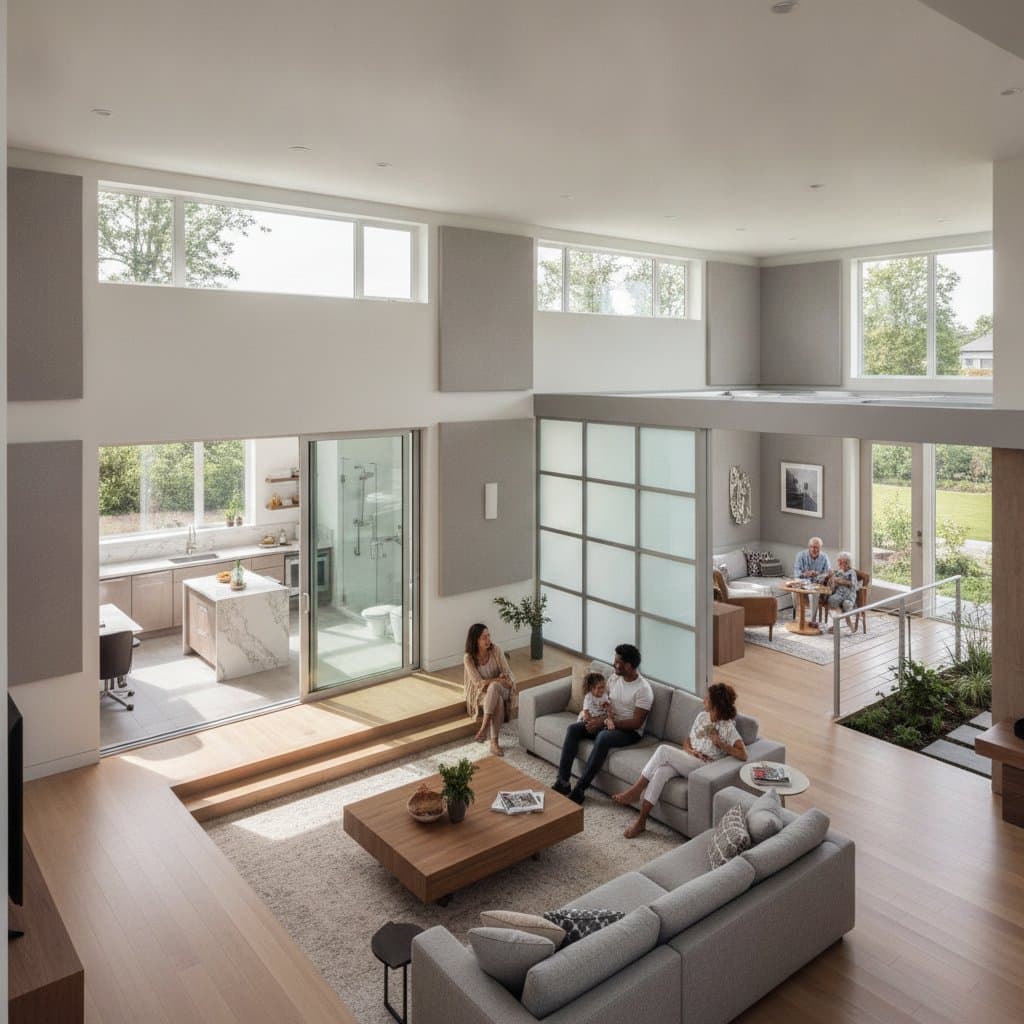
Custom ADUs excel in adapting to unique property contours and aesthetic preferences. Owners specify elements like gabled roofs to complement existing architecture or open-plan interiors for multigenerational living. Such precise integration enhances curb appeal and ensures the unit functions as a cohesive part of the property.
This customization supports premium resale values, often recouping investments at rates 10 to 20 percent higher than standard units. The process demands higher upfront costs for architectural plans, repeated site assessments, and collaboration among specialized trades. Compliance with evolving codes, such as those for fire separation or accessibility, extends timelines but guarantees durability.
Owners might incorporate smart home systems during framing to future-proof the space, adding value without excessive retrofitting later.
Considerations for DIY and Professional Involvement
Some prefab ADUs include kits that appeal to skilled homeowners for minor assembly tasks. However, essential elements like concrete foundations, plumbing lines, and electrical wiring demand certified professionals to adhere to safety standards. Experienced individuals may manage cosmetic finishes, such as interior painting or deck installation, provided they follow manufacturer guidelines.
Custom projects necessitate full professional management from the outset. Tasks involving soil testing for stable grading, load-bearing framing, and utility integrations require expertise to prevent structural failures. Engaging a team early allows for proactive identification of issues, such as underground utilities or slope stability, which could otherwise inflate budgets by 20 percent or more.
Strategies to Enhance Return on Investment
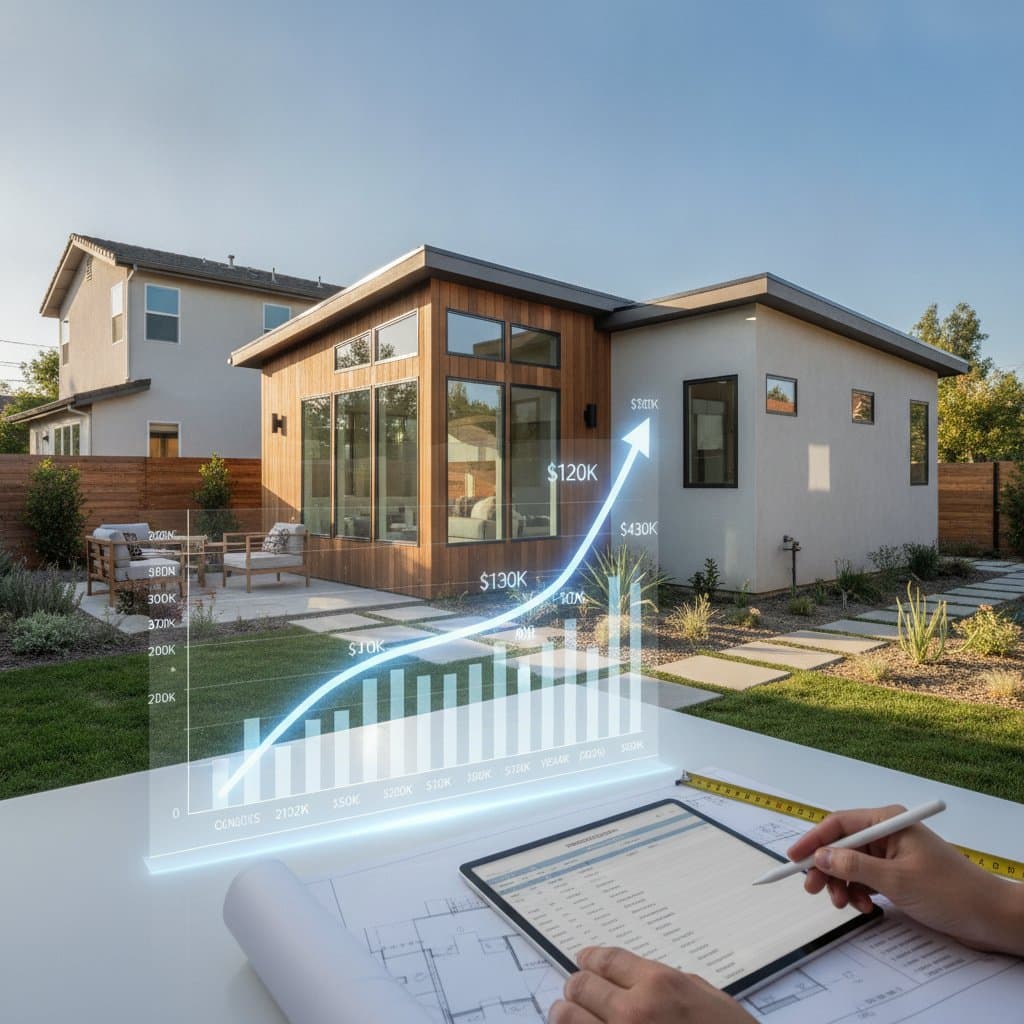
ADU investments generally yield 70 to 90 percent recovery upon property sale, influenced by market demand and unit quality. Prefab ADUs enable quicker occupancy, facilitating rental income within months—potentially $1,500 monthly in high-demand areas. Custom designs build equity through bespoke features that attract buyers seeking turnkey solutions.
To optimize returns, obtain quotes from at least three suppliers, prioritize ENERGY STAR-rated appliances for tax credits, and select low-maintenance exteriors like fiber cement siding. Calculating potential rental yields against construction costs helps quantify profitability; for instance, a $200,000 prefab unit might generate a 8 percent annual return in suburban markets.
Guidelines for Selecting a Builder
Engage a licensed general contractor for any ADU involving foundational elements, extensive utilities, or modifications to the primary structure. Verify credentials through state licensing boards, request portfolios of similar projects, and inquire about experience with local ordinances. A reputable builder conducts preliminary site surveys to anticipate challenges like soil composition or access limitations, mitigating risks of overruns.
Budget an additional 10 percent contingency for unforeseen adjustments, and secure comprehensive insurance coverage for the duration of the work.
Planning Your ADU Project
Start by clarifying objectives, such as rapid rental generation or family expansion, to guide the prefab-versus-custom decision. Research available prefab catalogs for sizes ranging from 400 to 1,200 square feet, and consult architects for custom feasibility studies. Secure preliminary zoning approvals and utility assessments promptly to align timelines with 2025 market conditions.
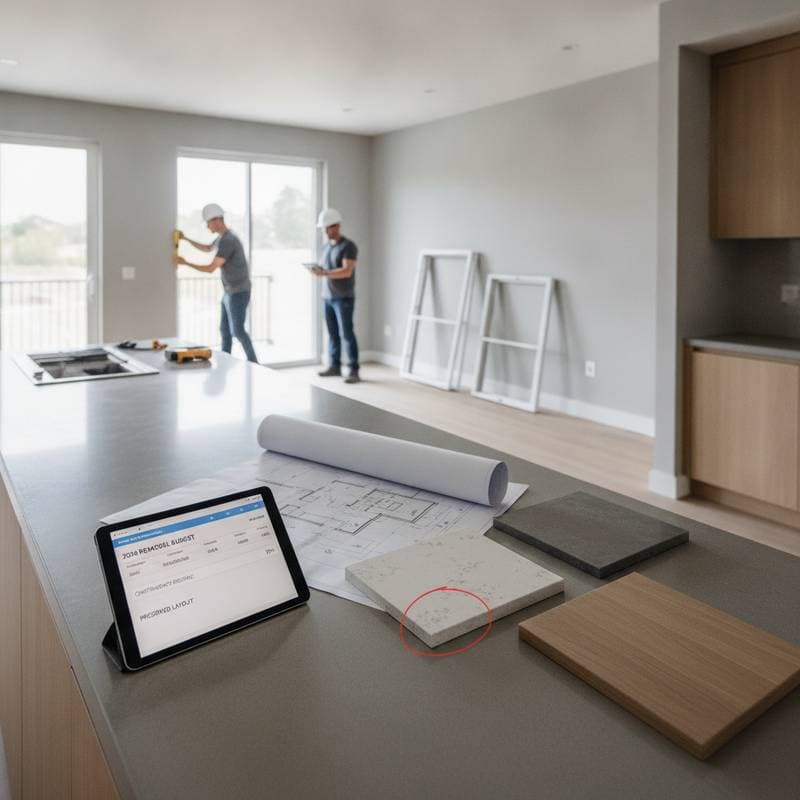
Tour completed installations to evaluate real-world performance, and compile a detailed budget spreadsheet tracking all phases. Partnering with an experienced team transforms your vision into a valuable asset that enhances property utility and financial returns.