Prefab ADUs: Unpacking Savings Compared to Traditional Builds
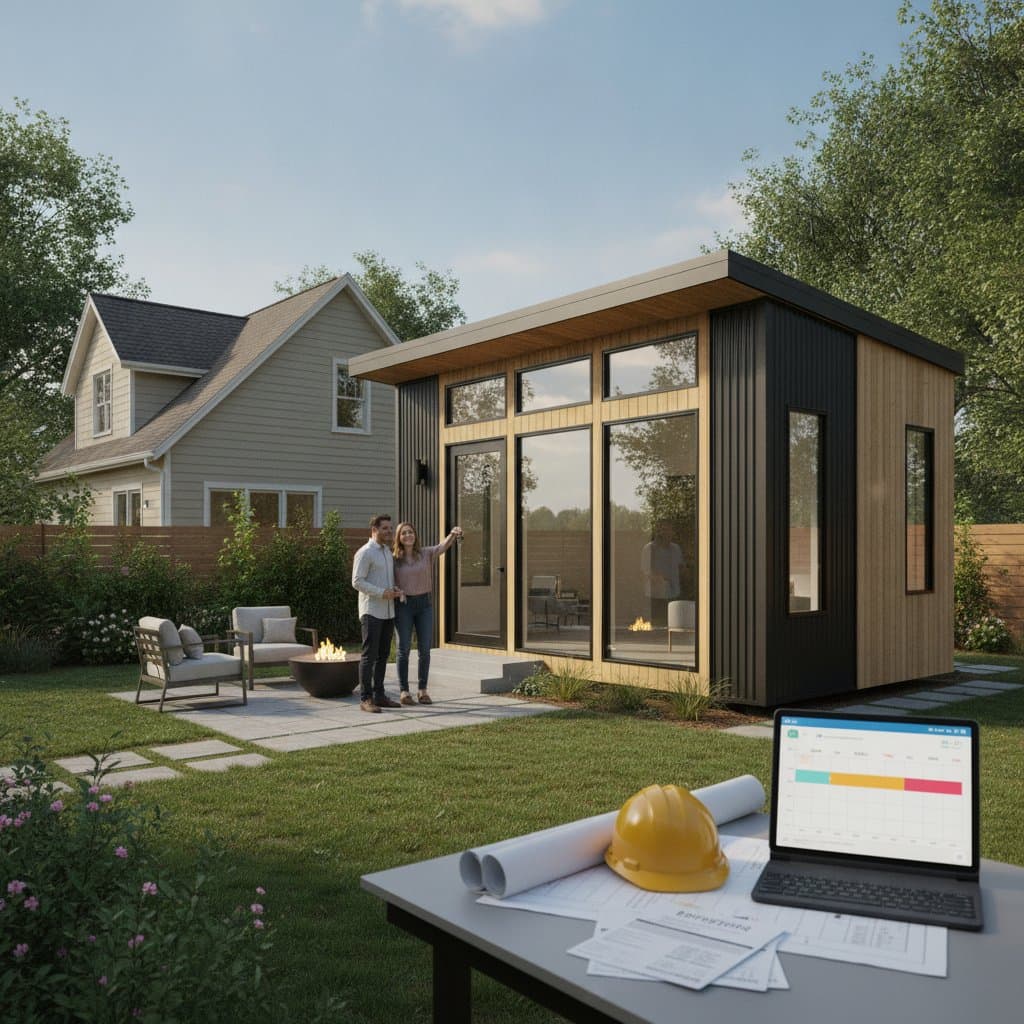
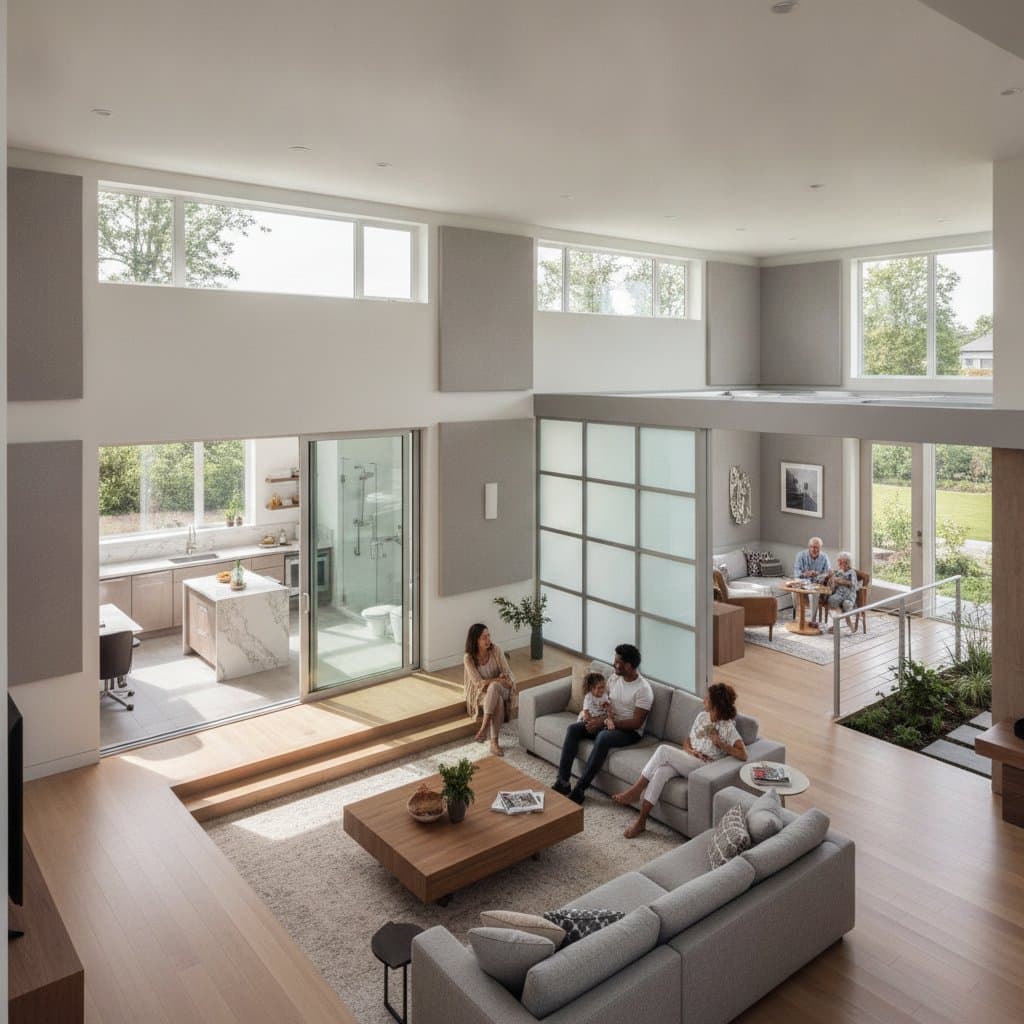
Accessory dwelling units, or ADUs, expand property utility for family housing, guest accommodations, or income generation. Evaluating expenses remains crucial before proceeding. Prefabricated ADUs stand out for their reduced costs and accelerated timelines relative to site-built alternatives. Actual economies hinge on elements such as unit design, property terrain, and regional labor expenses.
Essential Cost Overview
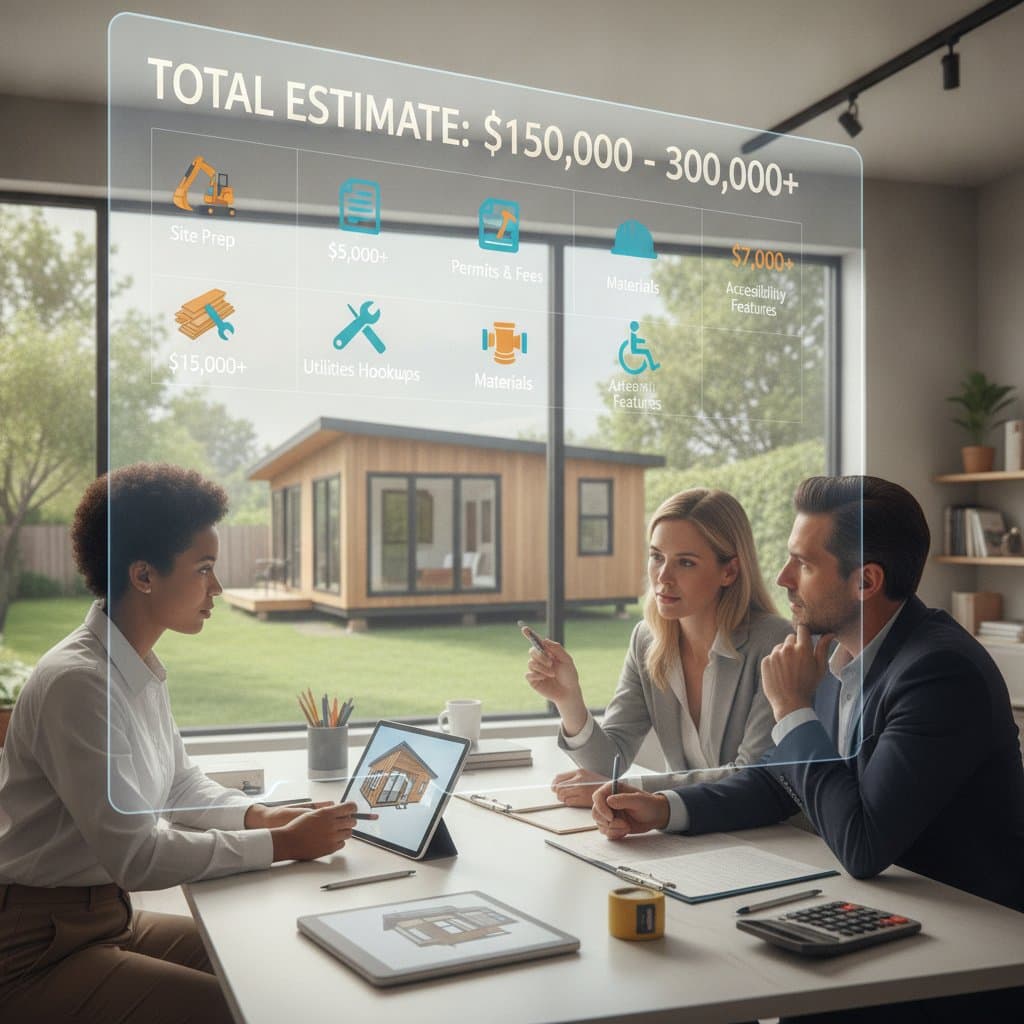
Prefab ADUs typically range from $150,000 to $250,000, averaging $200,000 for a turnkey installation. Traditional counterparts span $200,000 to $350,000, varying by dimensions and intricacies.
Key expense components encompass:
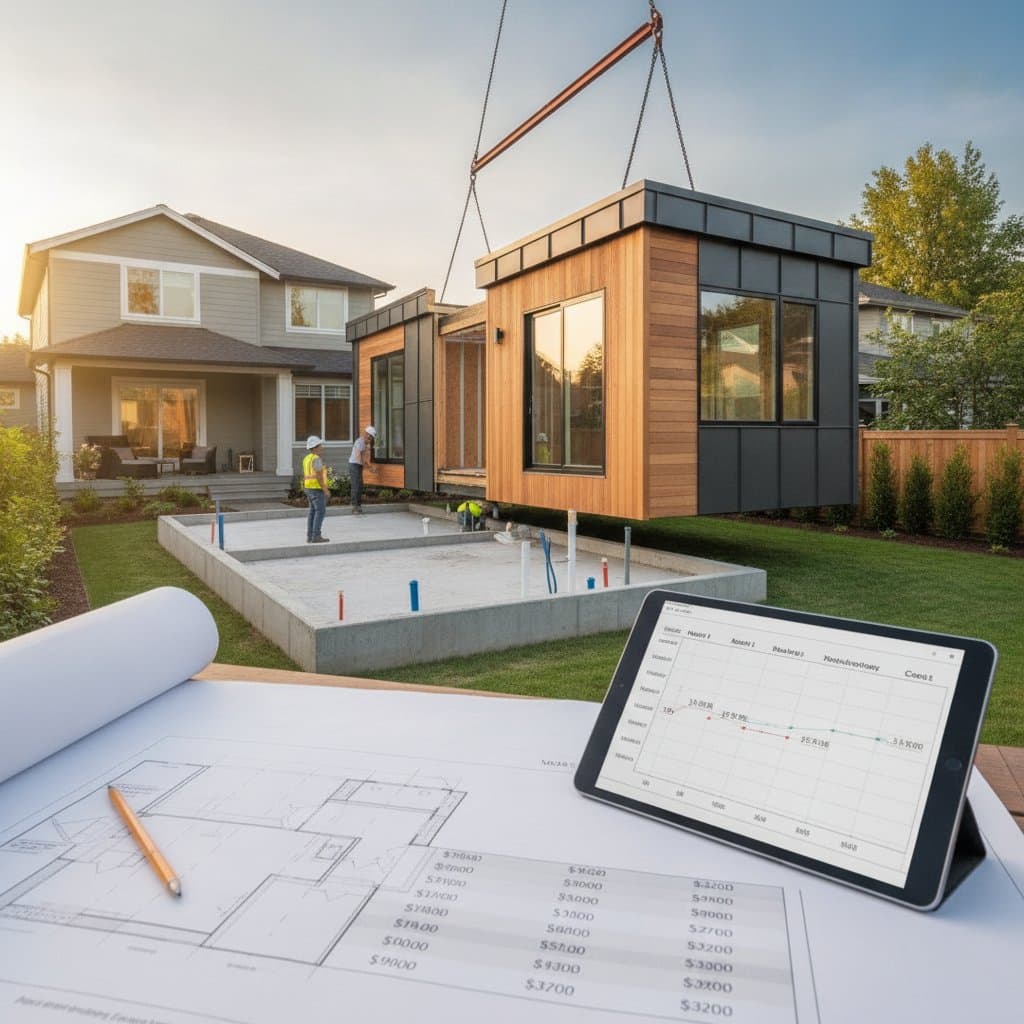
- Site readiness, encompassing excavation, base laying, and service integrations
- Material selections, covering interior treatments, glazing, and coverings
- Workforce and transport for positioning and integration
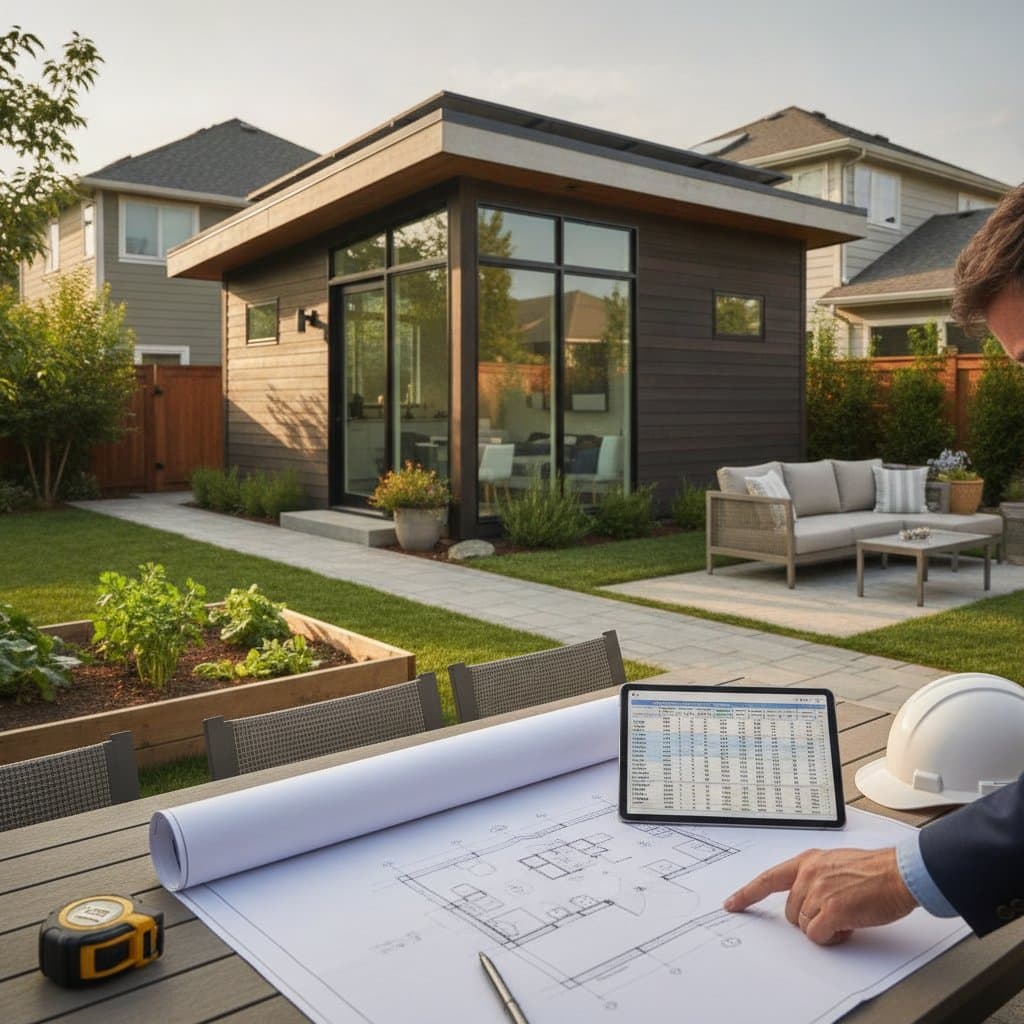
- Authorization and blueprint charges mandated by area codes
Core Advantages and Observations
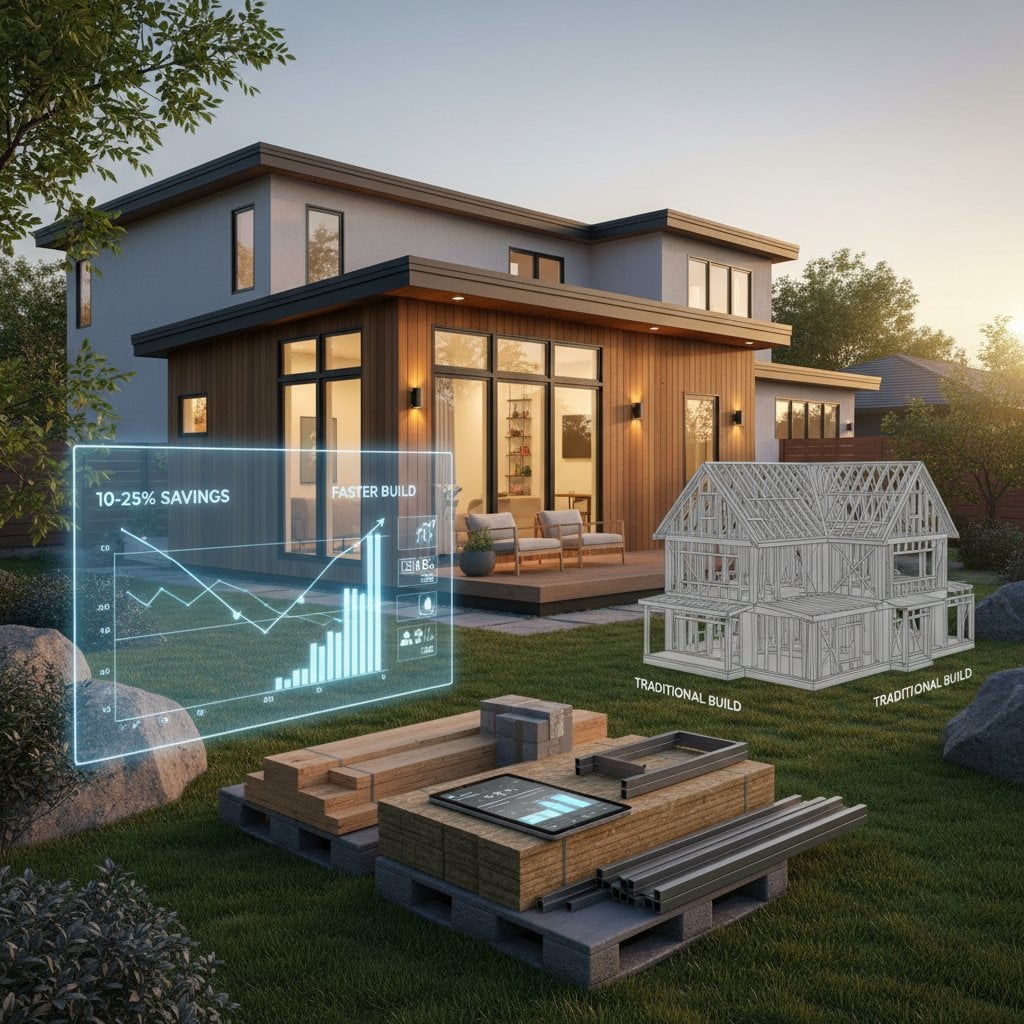
Prefab approaches frequently yield 10 to 25 percent reductions versus on-site methods.
Labor efficiencies stem from controlled factory assembly and condensed project durations.
Challenging landscapes or service extensions might offset these benefits through added groundwork.
Customization scope narrows with prefab selections relative to bespoke constructions.
Lending options and valuation assessments align closely between prefab and conventional units.
Expenses by Dimension and Category
Compact prefab models measuring 300 to 400 square feet register $120,000 to $160,000, incorporating shipment and setup.
Intermediate variants at 500 to 700 square feet align with $170,000 to $230,000.
Expansive configurations exceeding 800 square feet climb to $250,000 or higher after addressing terrain adjustments and detailing.
Site-built ADUs mirror these scales yet incorporate $30,000 to $80,000 extras in personnel and supplies due to sequential fieldwork. Elaborate detailing, intricate elevations, or premium surfacing escalates figures substantially.
Workforce Expenses and Assembly Variations
Conventional ADUs demand prolonged fieldwork where teams manage skeletal work, overhead protection, wiring, and piping progressively. Personnel constitutes 40 to 50 percent of overall outlay.
Prefab strategies relocate substantial portions to industrial environments, minimizing on-site hours and climatic interruptions. Deployment teams finalize connections within weeks, bypassing months-long processes.
Prefab providers commonly bundle deployment within base rates, yet property owners cover regional specialists for bases, linkages, and occasional internal modifications. Such fieldwork appends $20,000 to $50,000 based on site demands.
Influential Price Elements
Multiple aspects shape ultimate expenditures:
- Authorization and levies differ across locales, accumulating thousands.
- Service linkages for hydration, drainage, fuel, and power rely on proximity to primary structures.
- Property entry impacts equipment or conveyance charges, particularly on confined or inclined terrains.
- Tailoring like distinct configurations or enhanced components elevates totals.
- Funding and verification protocols introduce specialist charges.
These variables adjust the disparity between prefab and site-built pathways.
Strategies for Cost Reduction
Streamline configurations and surfacing to lower outlays. Basic floor plans with limited alterations optimize production lines. Opting for standard-grade components over elite selections preserves equity without excess commitment.
Engage regional specialists for base preparation prior to arrival to sustain timelines. Solicit bids from various providers for groundwork to secure competitive rates. Where regulations permit, overseeing elements like grounds care or internal coating personally trims thousands from budgets.
Investment Returns Analysis
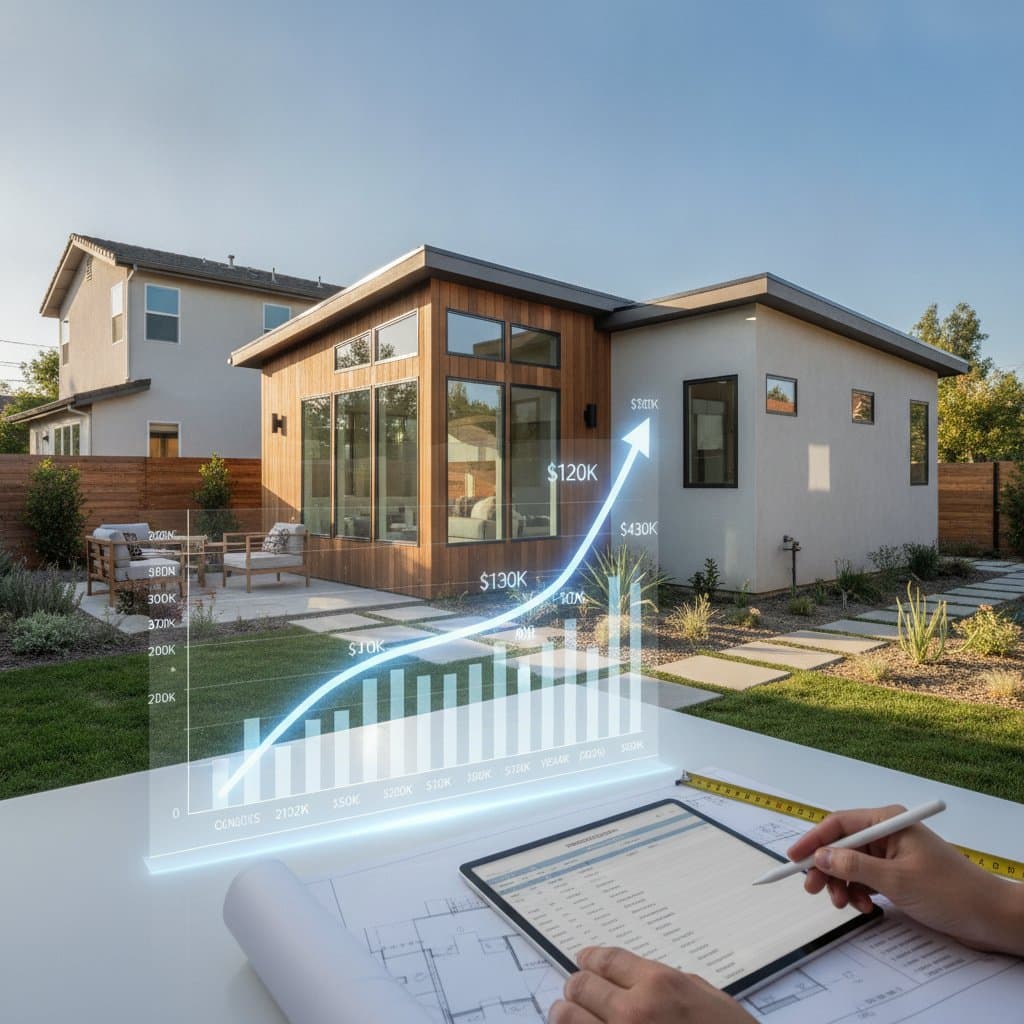
Both prefab and site-built ADUs generate robust yields via leasing revenue or enhanced asset worth. Prefab completions accelerate, enabling earlier income streams. Valuation experts equate usable area equivalently, yielding comparable enduring benefits.
Leasing proprietors recoup builds in a few years, contingent on area demands. For personal or visitor use, the addition bolsters marketability upon sale.
Self-Managed Versus Professional Engagement
Prefab units appear accessible for personal oversight, yet demand certified experts for positioning, bases, and integrations. Pursuing complete self-assembly risks regulatory violations or prolonged setbacks.
Site-built projects involve intricate skeletal, electrical, and hydraulic networks necessitating oversight. Personal efforts suit concluding phases like surfacing or coloration, but initiating without guidance proves unwise. Professional involvement incurs initial premiums yet averts remedial expenses.
Pricing Basis
Ranges derive from sector analyses, specialist projections, and owner accounts spanning regions. Figures denote complete initiatives with supplies, personnel, and routine detailing, omitting terrain acquisition or extensive reshaping. Locale-specific workforce, supply, and approval fluctuations alter aggregates.
Advancing Your Project
Prefab ADUs furnish tangible efficiencies for those prioritizing streamlined builds and stable forecasts. Secure optimal outcomes by evaluating providers, scrutinizing terrain, and verifying approvals pre-commitment.
For intricate sites or tailored visions, site construction may suit better. Aligning initial economies with sustained adaptability guarantees alignment with fiscal and living objectives.
A defined budget outline and skilled collaborators maintain momentum and safeguard returns.