Understanding 2025 Costs for Prefab Backyard Accessory Dwelling Units
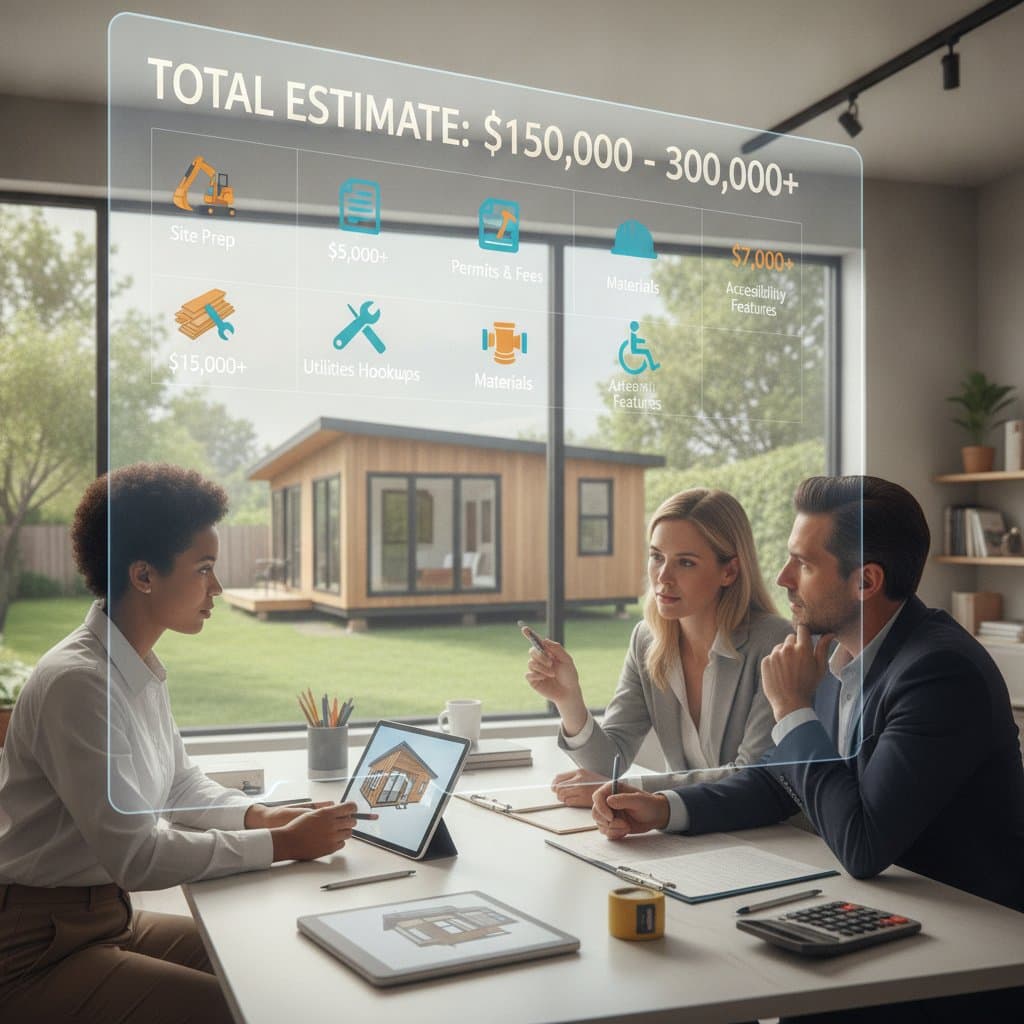
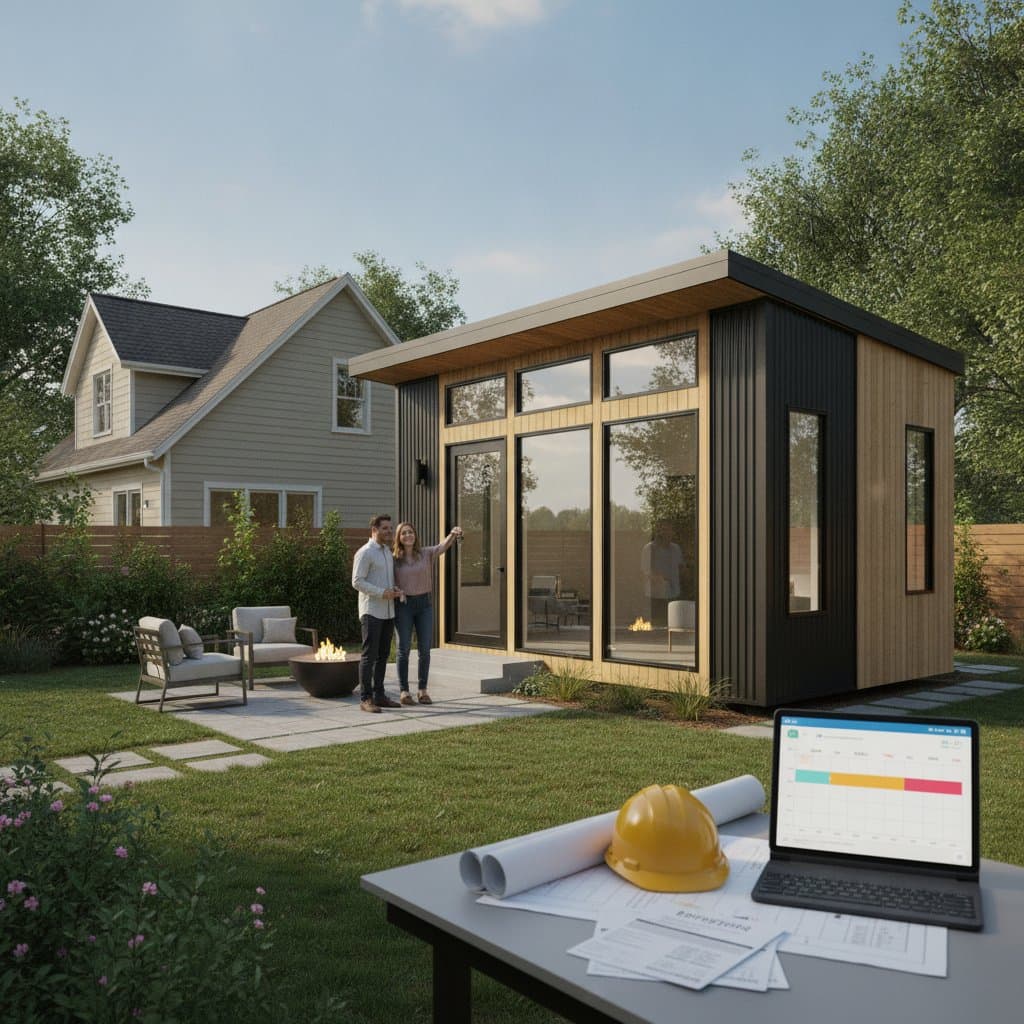
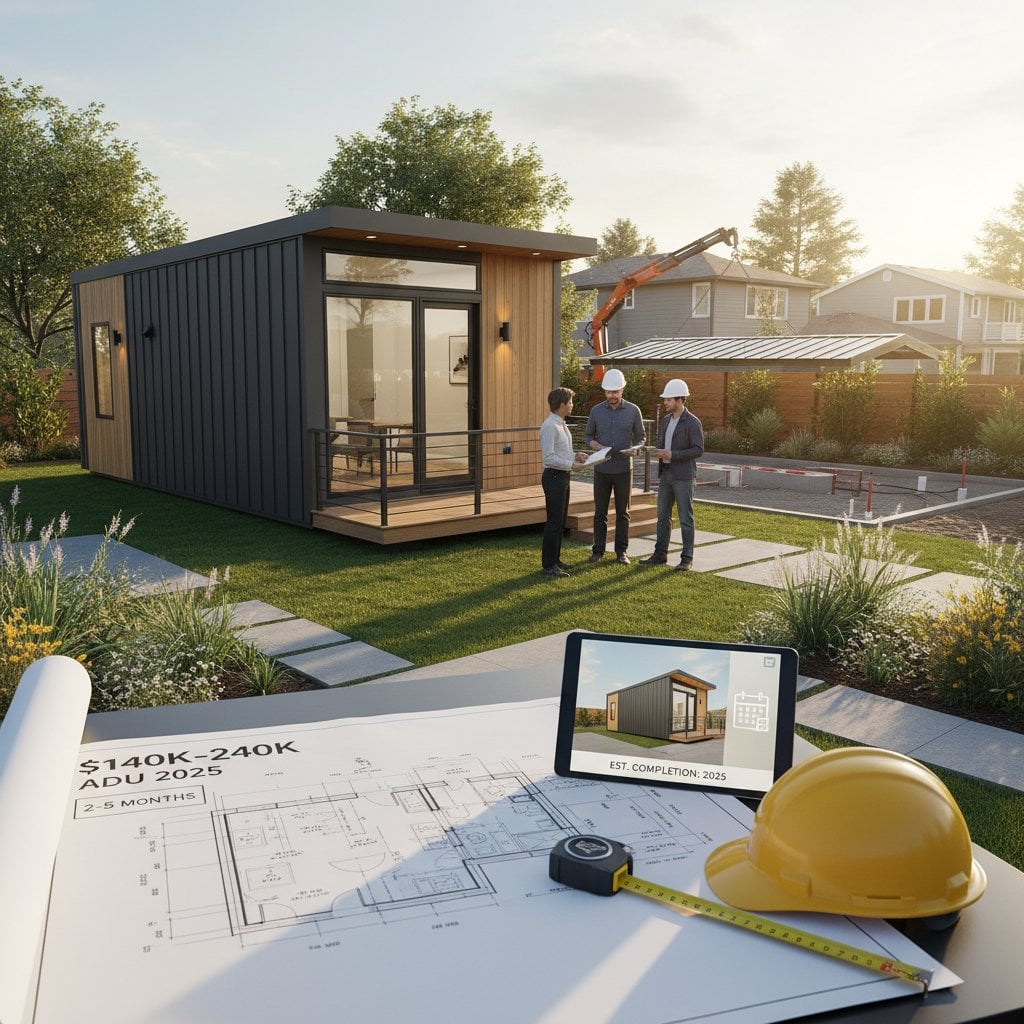
Prefab backyard accessory dwelling units, or ADUs, provide versatile secondary living spaces constructed from factory-built components assembled on-site. These structures serve purposes such as generating rental income, accommodating guests, or offering dedicated family areas. Total project expenses in 2025 typically fall between $140,000 and $240,000, influenced by factors like unit size, interior finishes, and site-specific challenges. The entire process, from initial design to occupancy, spans two to five months. While basic site preparation might involve some homeowner effort, full assembly demands advanced skills, licensed professionals, and rigorous permit oversight.
Essential Project Overview
| Aspect | Details |
|---|---|
| Cost Range | $140,000-$240,000 (includes prefab unit, site work, utilities, permits) |
| Timeline | 2-5 months (design, permitting, assembly, inspections) |
| Unit Sizes | 300-800 square feet (studio to two-bedroom options) |
| Key Influences | Location zoning, soil conditions, utility access |
| Professional Needs | Licensed contractors for foundation, utilities, assembly |
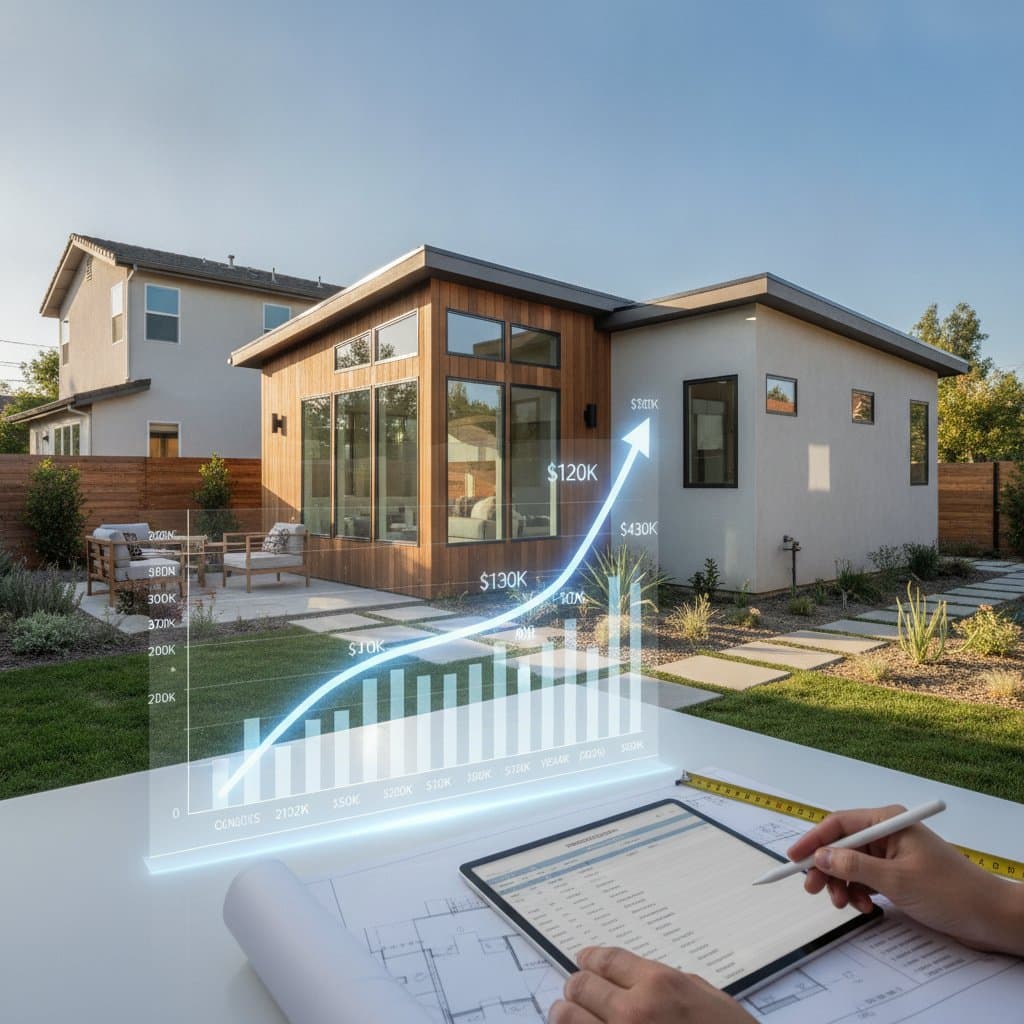
| ROI Potential | Increases property value by 10-20% through added living space |
This overview equips you with baseline expectations. Costs can vary by region; for instance, urban areas with strict codes often exceed the upper limit due to additional compliance requirements.
Detailed Step-by-Step Guide to Building Your Prefab ADU
Follow this sequence to navigate the process efficiently. Each phase builds on the previous one, ensuring compliance and minimizing delays.
1. Verify Property Suitability
Begin by reviewing local zoning regulations and building codes to confirm ADU eligibility. Access your city's online zoning maps or visit the planning department for specific guidelines. Measure required setbacks, typically 5-10 feet from property lines, and note maximum allowable square footage, often capped at 800 square feet or 50% of the primary home's size.
Consult with a local planner if your lot borders sensitive areas like wetlands or historic districts. These restrictions can alter feasibility.
Milestone Achieved: Obtain written approval from municipal authorities stating that an ADU qualifies for your property.
2. Select the Appropriate ADU Configuration
Evaluate models such as studios for compact needs, one-bedroom units for couples, or two-bedroom options for families. Modular ADUs arrive in large sections craned into place, ideal for quicker assembly. Panelized systems, delivered as pre-cut wall and roof panels, allow for faster on-site construction but require precise framing skills.
Consider energy efficiency features like insulated panels or solar-ready roofing to reduce long-term operating costs. Match the choice to your budget and intended use; for example, rental-focused units prioritize durable, low-maintenance materials.
Milestone Achieved: Choose a model that aligns with spatial constraints and adheres to local size regulations.
3. Secure Design and Permit Approvals
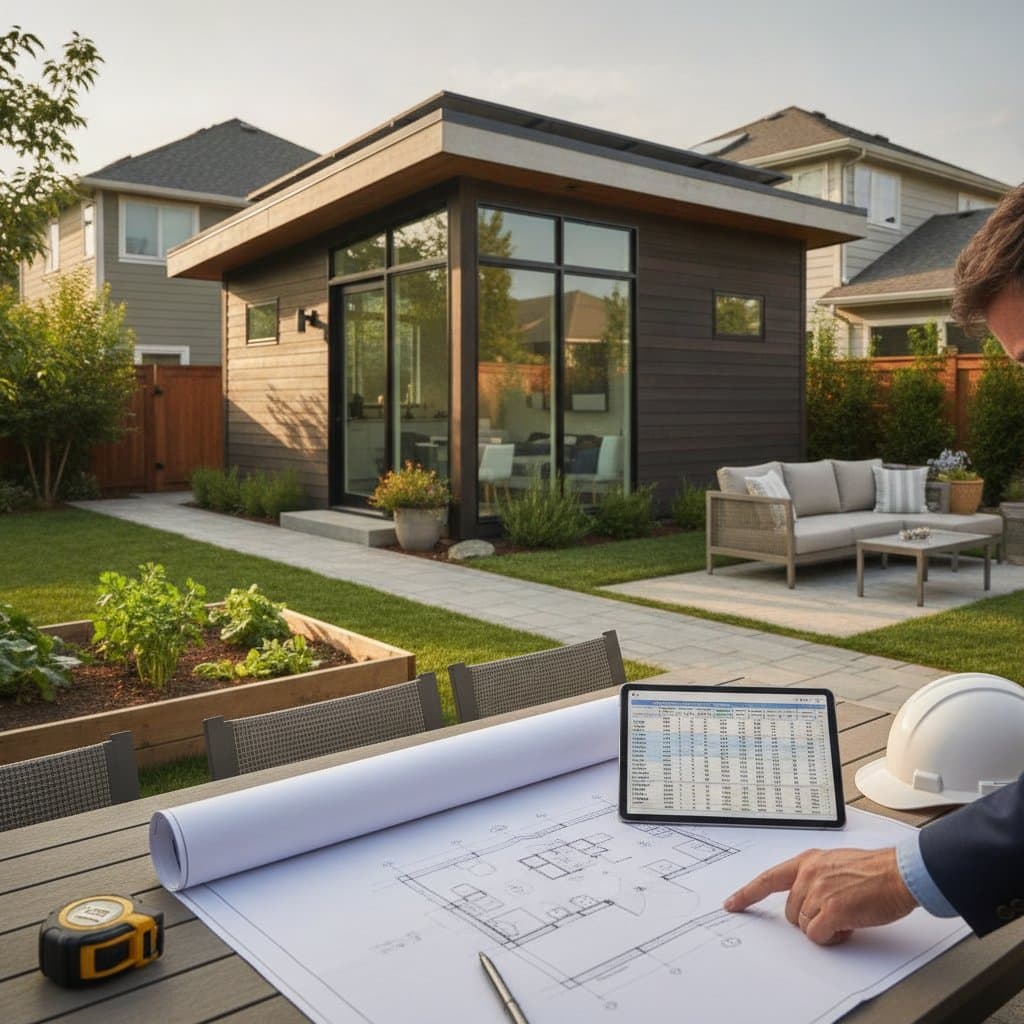
Prepare comprehensive documentation, including site plans showing the ADU's location relative to the main house, elevation drawings illustrating exterior appearance, and manufacturer specifications for structural integrity. Detail utility routing for water, electricity, and sewage to demonstrate seamless integration.
Address any code-mandated elements, such as additional parking spaces or enhanced accessibility features. Submit everything to the building department early to account for review periods, which can last 4-8 weeks.
Milestone Achieved: Receive stamped permits and official design approval from the jurisdiction.
4. Execute Site Preparation
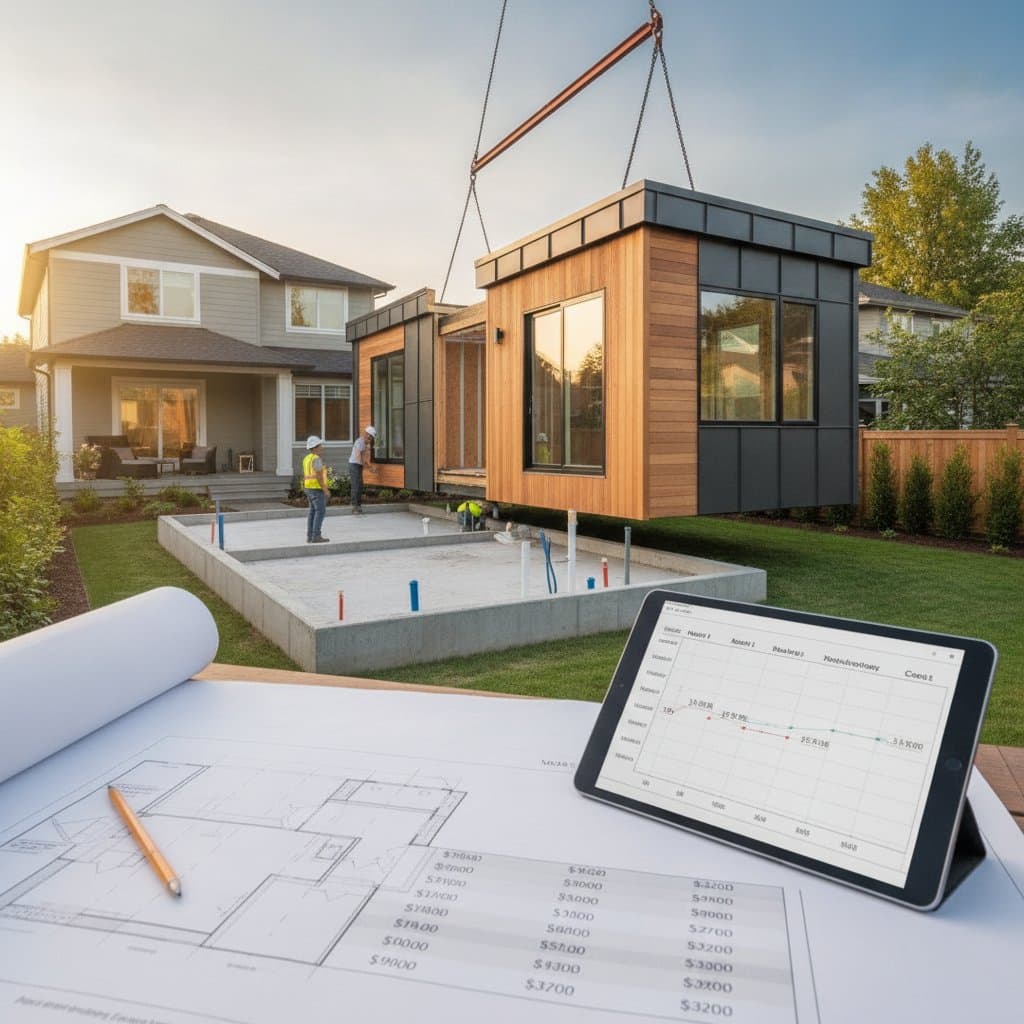
Clear the designated area of vegetation, debris, and any existing structures to create a clean building footprint. Grade the soil to ensure a stable, level surface, preventing future settling issues. Follow engineered plans to pour concrete footings or a full slab foundation, which supports the prefab structure's weight.
Before any excavation, contact utility locating services to mark underground lines for gas, water, or cables. This step avoids costly damages and ensures safety.
Milestone Achieved: Pass the foundation inspection, confirming it meets manufacturer requirements and local standards.
5. Coordinate Delivery and On-Site Assembly
Arrange for heavy equipment access, such as cranes for modular lifts or flatbed trucks for panelized components. Designate a staging area on your property for temporary material storage, away from daily pathways. Protect surrounding landscapes and secure animals or vehicles to facilitate smooth operations.
Work with the manufacturer to schedule delivery precisely, aligning with weather forecasts to prevent exposure damage. Assembly teams typically complete the shell in 1-2 weeks, followed by interior installations.
Milestone Achieved: Confirm that all components arrive intact and conform to the permitted design.
6. Integrate Essential Utilities
Engage certified specialists for connecting water lines, sewer systems, electrical panels, and heating, ventilation, and air conditioning units. Select components rated for full residential use, such as 200-amp service for modern appliances. Test each system individually and inspect connections prior to covering any trenches.
Factor in upgrades to the main home's infrastructure if the ADU draws from existing supplies. This phase often represents 20-30% of total costs due to specialized labor.
Milestone Achieved: Successfully complete utility inspections, verifying safe and functional operations.
7. Complete Final Reviews and Occupancy
Schedule the culminating inspection with local officials to assess overall compliance, from structural stability to fire safety. Install and test required safety devices, including smoke alarms and carbon monoxide detectors in every bedroom and common area. Address any noted deficiencies promptly to avoid re-inspection fees.
Once cleared, obtain the certificate of occupancy, which legally allows habitation. This document also supports insurance and tax assessments.
Milestone Achieved: Hold the official occupancy permit, enabling immediate use of the space.
Addressing Common Challenges and Maintenance
Even well-planned projects encounter minor issues. For settling cracks in walls post-installation, apply joint compound for patching, sand smooth, and apply fresh paint to restore appearance. If doors misalign due to foundation adjustments, realign hinges with a screwdriver and check for level floors.
Utility problems, like slow drains or circuit overloads, warrant immediate attention from the original installer. Regular maintenance, such as annual HVAC servicing and gutter cleaning, preserves the unit's longevity and efficiency.
Engaging Professional Expertise
Certain tasks necessitate licensed contractors to meet safety and code standards. Opt for professionals when grading involves deep excavation near buried lines, installing complex electrical systems, or routing plumbing to septic or municipal sewers. Labor rates vary from $50 to $150 hourly by trade and location; always request proof of licensing, bonding, and client references.
A general contractor can oversee the project, coordinating subcontractors to streamline timelines. Budget 15-25% of total costs for professional fees to ensure quality outcomes.
Strategies for Optimal Project Outcomes
Inspect similar completed ADUs from prospective manufacturers to gauge build quality firsthand. Solicit multiple comprehensive bids encompassing site preparation, permitting, and utility work for accurate comparisons. Establish a timeline with milestones for delivery, assembly, and inspections to track progress.
Foster ongoing dialogue with your builder, contractors, and inspectors to resolve issues swiftly. Document all communications and changes in writing for clarity.
Prefab backyard ADUs deliver efficient, adaptable living expansions with timelines far shorter than site-built alternatives. Through diligent permitting, expert involvement, and proactive upkeep, these additions enhance daily life while substantially boosting your property's market appeal and financial worth.