Get the Real Numbers on 2026 ADU Construction Costs
Building an accessory dwelling unit creates rental income, adds family space, or provides a private workspace. Clear cost details help homeowners move forward with confidence rather than estimates. This guide explains the factors that shape ADU pricing, outlines a practical budgeting approach, and highlights choices that control the final total.
What an ADU Project Covers
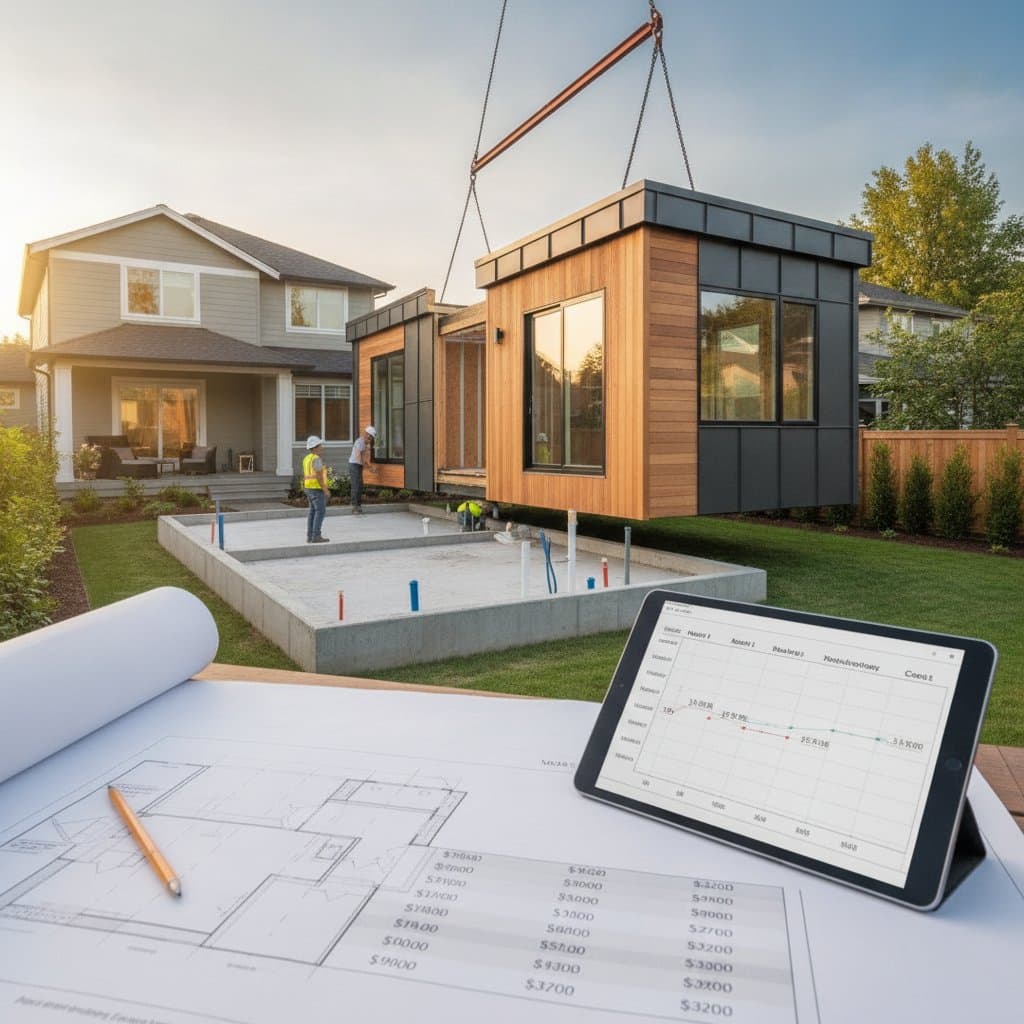
An ADU functions as a complete living space on the same property as the primary residence. Options include a detached backyard cottage, a converted garage, or an attached suite. Detached units require new foundations, utility lines, and roofing, which raises expenses. Garage conversions often cost less because they reuse existing walls and some connections, yet they still demand insulation, updated electrical service, and code-compliant finishes.
Why Prices Differ Between Similar Projects
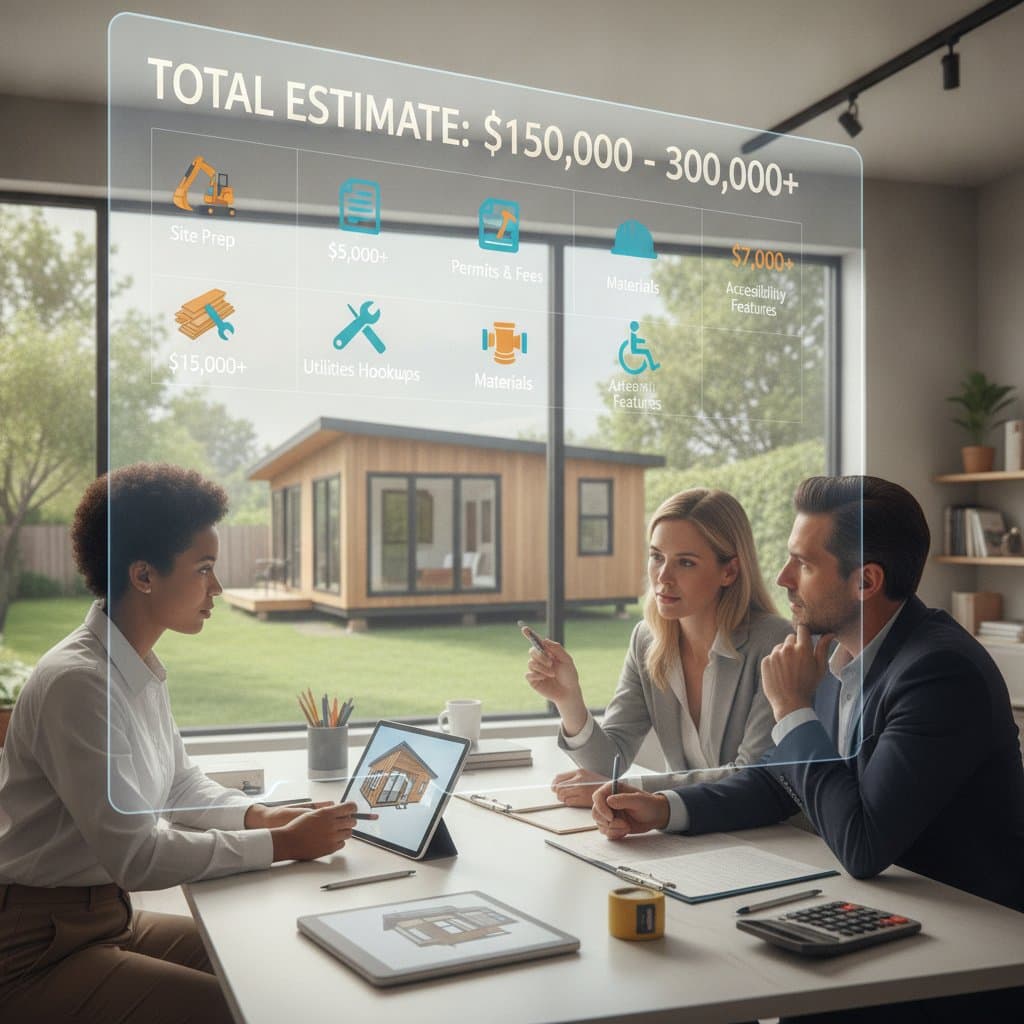
Two ADUs of comparable size can vary by tens of thousands of dollars. Materials, local labor rates, site conditions, and design complexity drive most of the difference. Permit fees, water and sewer connection charges, and energy code requirements add further variation. Reviewing these elements side by side allows more accurate comparison of contractor proposals.
Establishing a Practical Budget Range
Expect costs to scale with square footage and finish level. A basic unit with standard materials typically runs lower per square foot than a larger space with premium surfaces. Custom features such as vaulted ceilings or built-in cabinetry increase totals quickly. Reserve ten to fifteen percent of the projected budget for site surprises or code updates that surface during construction.
Main Cost Categories
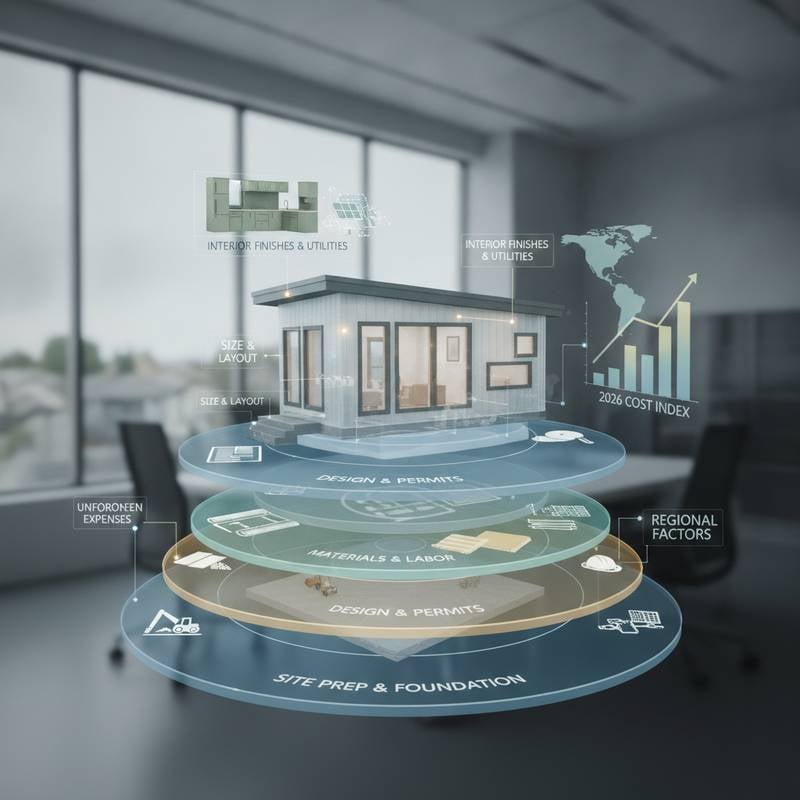
Each project breaks into distinct expense areas. Tracking these categories supports informed decisions throughout planning.
-
Design and Planning
Architectural drawings, engineering stamps, and permit applications form the initial outlay. Pre-approved plans reduce fees compared with fully custom documents. Structural calculations and energy compliance reports add to this line item when required. -
Site Preparation
Clearing vegetation, grading the building pad, and trenching for utilities often produce unexpected charges. Sloped lots or limited equipment access extend labor hours. Poor soil may require additional compaction or deeper footings. -
Foundation and Framing
Concrete slabs serve most detached ADUs. Raised foundations cost more yet simplify future utility repairs. Lumber or steel prices should be locked in writing because market swings affect totals. -
Exterior Finishes
Siding, roofing, and windows determine both appearance and weather resistance. Fiber cement siding paired with architectural shingles offers a durable mid-range solution. Metal roofing or cedar siding improves curb appeal at a higher price point. -
Interior Finishes
Flooring, cabinetry, and fixtures set the daily experience of the space. Luxury vinyl plank provides an affordable, resilient surface. Quartz counters and upgraded lighting increase appeal for rental use while raising upfront cost. -
Mechanical, Electrical, and Plumbing Systems
These trades supply heating, cooling, power, and water. Mini-split heat pumps and tankless water heaters raise initial expense yet reduce monthly utility bills. Distance from existing connections directly affects labor and material quantities. -
Permits, Fees, and Utility Connections
Local jurisdictions charge for plan review, impact fees, and service tie-ins. Some municipalities reduce ADU-specific charges while others apply standard new-construction rates. Obtain a written fee schedule early. -
Landscaping and Access Improvements
Driveways, walkways, and fencing complete the project. Gravel paths cost less than stamped concrete. Select plantings that match the owner's maintenance preferences.
How Square Footage Influences Total Cost
Smaller units carry higher cost per square foot because kitchens, bathrooms, and utility connections represent fixed expenses. Larger units spread these costs across more area and achieve better efficiency. Focus on functional layout rather than maximum size. A well-planned 450-square-foot unit often feels more usable than an inefficient 600-square-foot design.
ADU Type and Typical Pricing Patterns
Detached backyard cottages require separate foundations and roofs, placing them at the higher end of the cost spectrum. Garage conversions save on structural work but face limits from existing ceiling heights. Attached units share walls and systems, lowering per-square-foot expense while requiring attention to sound isolation. Above-garage designs need extra structural engineering and stairs, yet they deliver privacy and views that support higher rents.
Material Selections That Shift the Budget
Vinyl siding remains the lowest-cost exterior option. Fiber cement balances durability and appearance. Standing-seam metal roofs outlast asphalt shingles at a premium price. Energy-efficient windows reduce long-term operating costs. Prefabricated cabinets and laminate counters keep interior expenses in check, while custom woodwork and stone surfaces increase totals.
Site and Regional Variables
Labor rates and permit structures differ by location. Coastal markets and high-demand areas command higher prices. Flat lots with nearby utilities cost less to develop than hillside sites that need retaining walls or extended trenching. Compare bids only after site-specific factors are included.
Design Decisions That Control Spending
Rectangular footprints simplify framing. Fewer rooflines reduce both labor and material quantities. Standard window sizes shorten lead times. Open interior layouts cut wall construction while creating a sense of space. Shared plumbing walls between kitchen and laundry areas lower rough-in costs. Mid-grade finishes deliver longevity without luxury markups.
Soft Costs and Contingency Planning
Design, engineering, permits, and utility fees typically represent ten to twenty percent of the project total. Request a line-item list of these expenses before signing a contract. Maintain a contingency fund to cover utility upgrades, soil corrections, or inspection delays.
Financing Options
Home equity loans, construction financing, and cash-out refinancing remain common funding routes. Projected rental income can support qualification in some cases. Compare interest totals and repayment schedules with a financial advisor before committing.
Professional Installation Versus Owner Labor
Painting and trim work suit experienced homeowners. Structural framing, electrical service, and plumbing require licensed contractors and permits. Non-compliant work risks fines and insurance complications.
Unplanned Expenses to Anticipate
Panel upgrades, sewer line replacements, or accessibility features can appear after work begins. Weather-related delays and re-inspections extend schedules. A dedicated contingency line absorbs these items without halting progress.
Protecting Long-Term Value
Durable materials and routine maintenance preserve both property value and rental income. Clear gutters, inspect seals, and repaint surfaces on schedule. Reserve a portion of rental receipts for future repairs and updates.
Moving From Plan to Construction
Review final drawings for layout accuracy and material selections. Confirm permit timelines and utility connection dates. Secure financing and select a contractor with documented ADU experience. These steps convert cost data into a completed, income-producing unit.