Understanding Universal Design
Universal design focuses on creating environments that accommodate people of all ages, abilities, and sizes from the outset. This approach integrates flexibility into home features to support current needs and anticipate future changes. By incorporating these elements early, homeowners avoid expensive retrofits that often arise with aging or shifting family dynamics.
The concept originated in architecture to promote inclusivity but has evolved into a practical strategy for residential spaces. It emphasizes seven core principles: equitable use, flexibility, simple and intuitive operation, perceptible information, tolerance for error, low physical effort, and size and space for approach. Applying these principles results in homes that remain relevant and efficient over decades.
Homeowners benefit from reduced long-term expenses because universal design minimizes the need for major alterations. For instance, installing features during initial construction or minor updates costs far less than comprehensive overhauls prompted by mobility challenges or multigenerational living.
Key Features for Cost-Effective Home Adaptation
Start with entryways and pathways to establish accessibility throughout the home. Wider doorways, at least 32 inches clear width, allow easy passage for wheelchairs or strollers without requiring structural changes later. Smooth, level thresholds eliminate tripping hazards and support seamless transitions indoors and out.
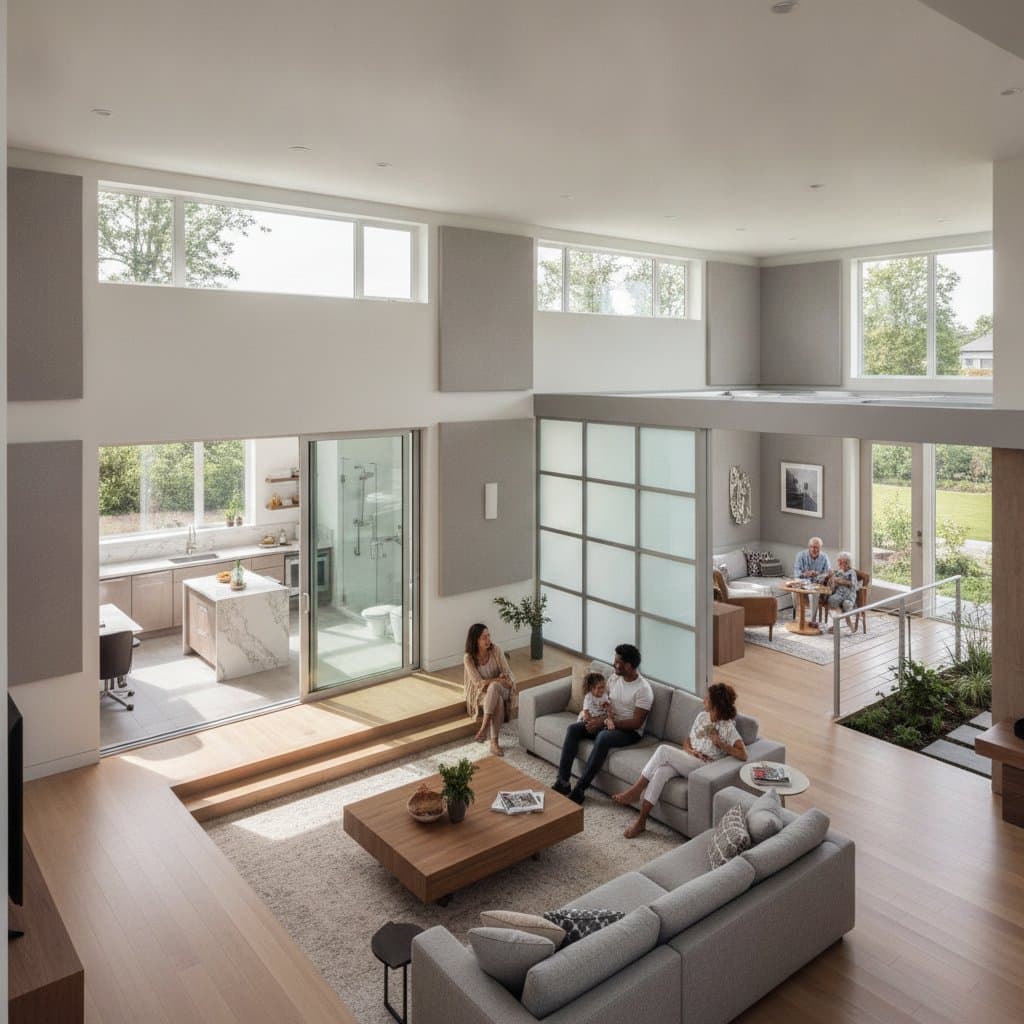
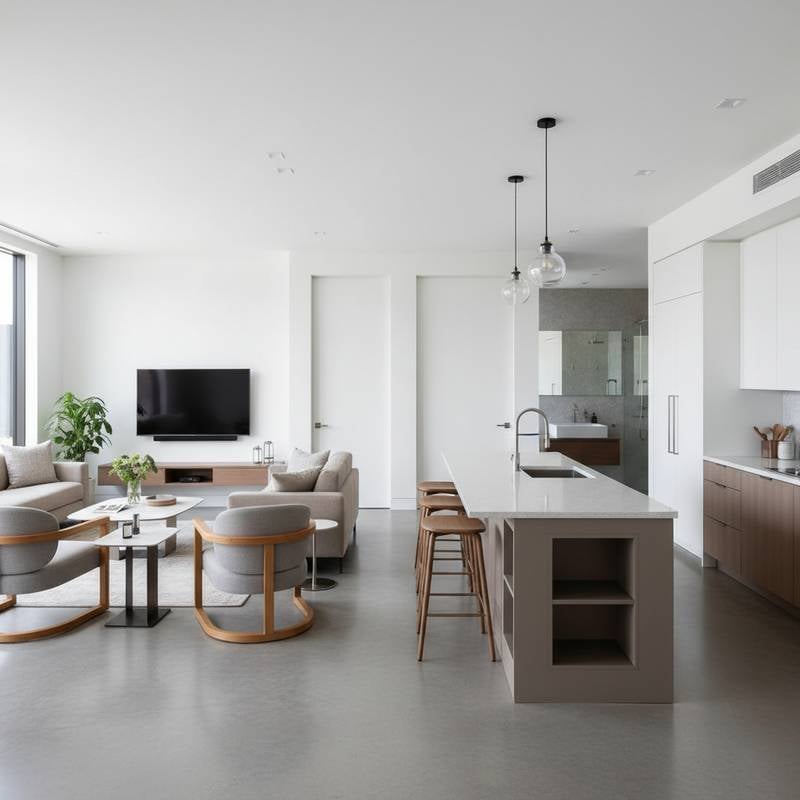
In living areas, open floor plans enhance flow and adaptability. Remove unnecessary walls to create multifunctional spaces that serve as play areas, home offices, or gathering spots as needs evolve. Flooring choices, such as non-slip surfaces with cushioned underlayment, provide comfort and safety while enduring heavy use.
Kitchens represent a high-impact zone for universal design. Adjustable-height countertops and sinks enable use by children, seated individuals, or those with limited reach. Pull-out shelves, touchless faucets, and front-mounted controls simplify tasks and reduce strain, preventing the need for full kitchen remodels in the future.
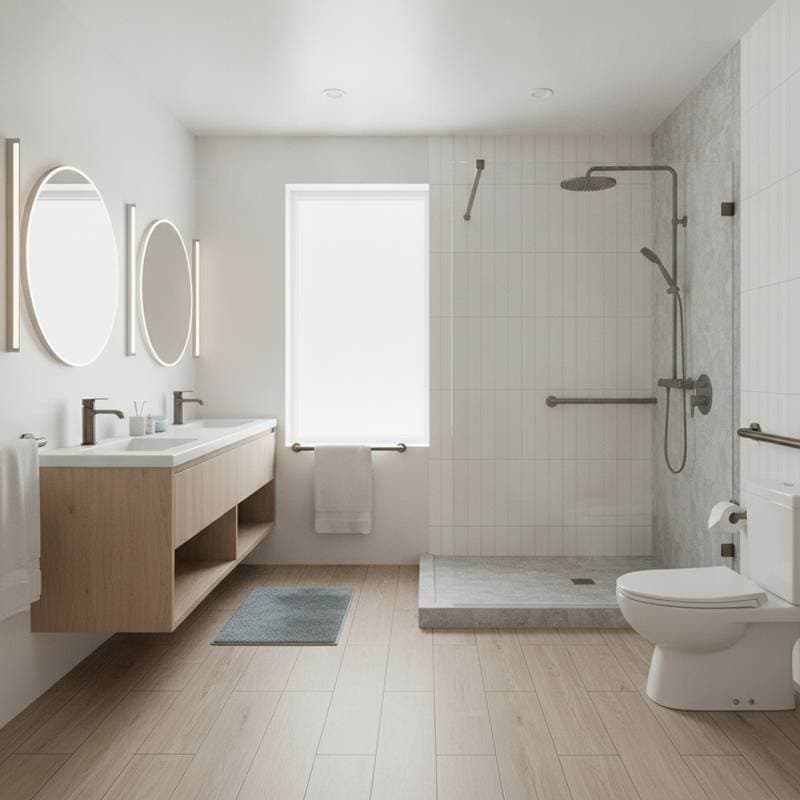
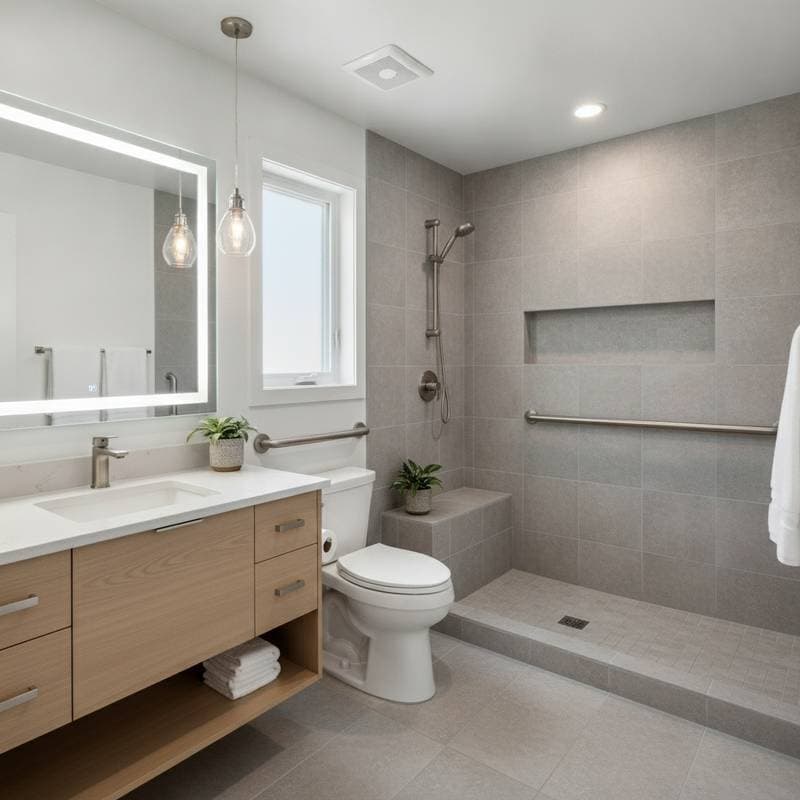
Bathrooms demand particular attention due to their intimate and frequent use. Curbless showers with built-in benches and grab bars offer safe, spacious washing areas. Lever-style fixtures and higher toilets accommodate varying heights and abilities, ensuring hygiene remains straightforward without subsequent modifications.
Lighting and Technology Integration
Adequate lighting prevents accidents and supports independence. Layered options, including task lighting under cabinets and motion-sensor hallway lights, adapt to different times of day or vision needs. Smart home systems, like voice-activated controls for thermostats and shades, add convenience without invasive wiring.
These technological elements future-proof spaces by allowing remote management, which proves invaluable for aging in place or overseeing properties from afar.
Analyzing Cost Savings
Implementing universal design during new builds or renovations yields significant savings. Basic upgrades, such as lever handles and motion lights, cost between 500 and 2000 dollars per room and extend usability for years. More involved changes, like widening doorways or installing adjustable counters, range from 3000 to 10000 dollars but offset future expenses that could double or triple those figures.
Studies indicate that homes with universal features resell 10 to 20 percent higher due to broad appeal. Avoid the pitfalls of reactive remodeling, where emergency accessibility additions after an injury can escalate to 50000 dollars or more for a single bathroom overhaul. Proactive planning halves these potential costs by distributing investments over time.
Consider a typical scenario: a family adds universal elements to a 2000-square-foot home for 15000 dollars. Over 20 years, this averts 30000 dollars in targeted remodels, achieving a net savings of 50 percent while enhancing daily life quality.
Steps to Implement Universal Design
Assess your home's current layout to identify priority areas. Consult with architects or contractors experienced in accessibility to map out feasible changes. Focus on high-traffic zones first, such as entrances and primary bathrooms, to maximize immediate benefits.
- Conduct a professional evaluation to pinpoint strengths and gaps.
- Prioritize budget-friendly updates, like hardware replacements and lighting improvements.
- Integrate structural adjustments during planned projects to minimize disruption.
- Test features with household members to ensure they meet practical needs.
- Document changes for future reference and potential incentives, such as tax credits for energy-efficient or accessible modifications.
Phased implementation allows gradual progress without overwhelming finances. Begin with cosmetic and low-cost items, then advance to built-in solutions as resources permit.
Realizing Lasting Value and Comfort
Universal design fosters homes that evolve with residents, promoting independence and joy in everyday routines. Families experience fewer barriers, leading to reduced stress and greater enjoyment of shared spaces. Properties gain enduring marketability, attracting diverse buyers in competitive real estate landscapes.
Beyond finances, these adaptations cultivate a sense of security and empowerment. As life stages shift from raising children to retirement, the home responds fluidly, preserving personal connections to familiar surroundings. Invest in universal design today to secure a comfortable, cost-efficient tomorrow.