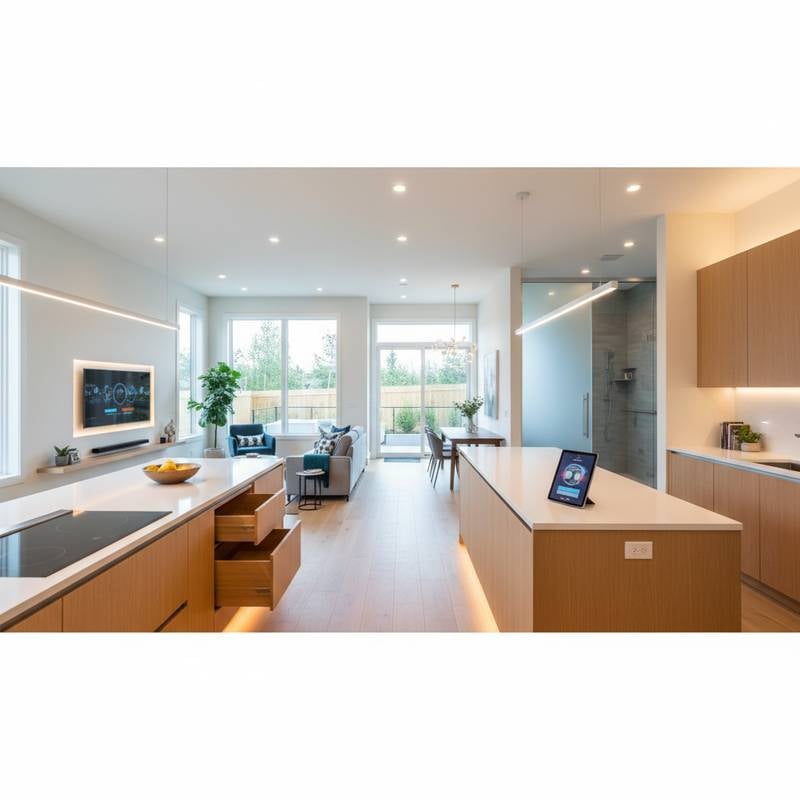
Understanding Universal Design and Its Value
Universal design creates living spaces that accommodate people of all ages, abilities, and sizes. These principles emphasize flexibility, simplicity, and intuitive use, allowing homes to adapt over time without major overhauls. In 2026, demand for such remodels will rise as populations age, making these investments essential for long-term independence.
Homeowners benefit from enhanced safety and comfort while preserving aesthetic appeal. Features like wide doorways and non-slip flooring integrate seamlessly into modern interiors. Projected costs reflect advancements in materials and technology, offering better value than ever before.
Projected Costs for Key Universal Design Features in 2026
Budgeting for universal design requires breaking down expenses by project area. Costs vary by location, home size, and material quality, but national averages provide a solid starting point. Expect a 5 to 10 percent increase from 2025 due to inflation and supply chain factors.
Entryways and Hallways
Widening doorways to 36 inches or more ensures easy passage for wheelchairs or walkers. Installation costs range from $2,000 to $5,000 per doorway, including framing adjustments and hardware upgrades. Adding lever-style handles and automatic door openers adds $500 to $1,500, improving usability without altering the home's curb appeal.
Hallway modifications, such as installing handrails and leveling thresholds, typically cost $1,500 to $4,000 for a standard 20-foot stretch. These changes prevent trips and falls, a common concern for older adults. Opt for durable, low-maintenance materials to keep long-term expenses down.
Bathrooms
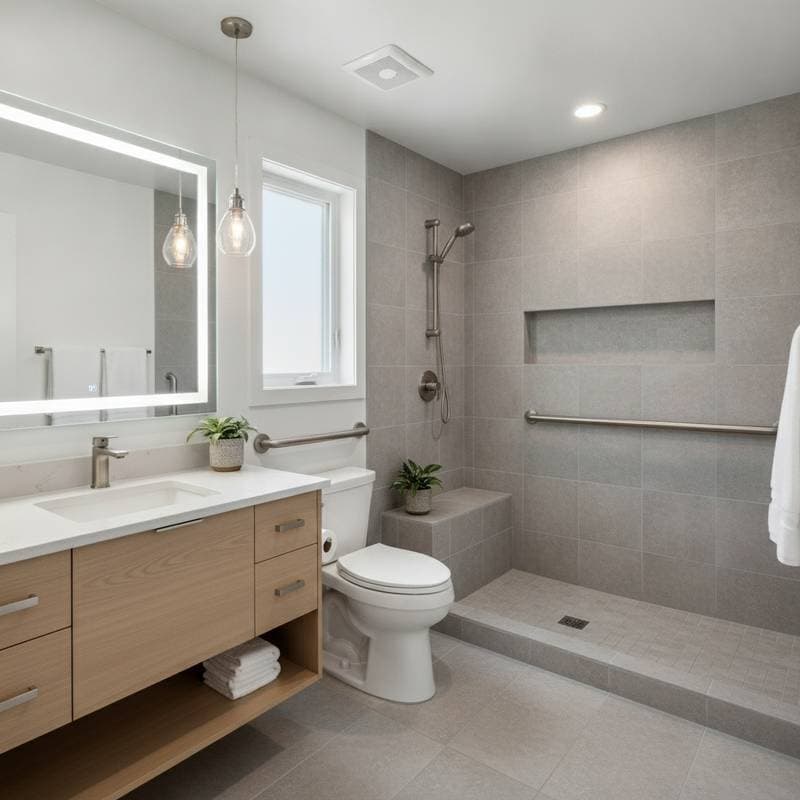
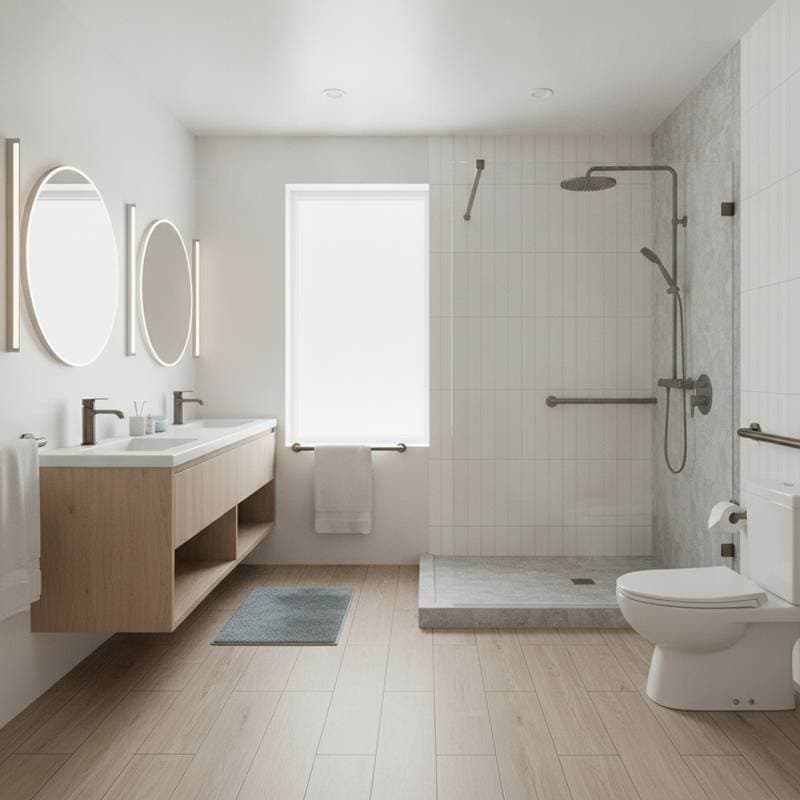
Curbless showers with built-in benches represent a cornerstone of accessible design. Full bathroom remodels incorporating these elements will average $15,000 to $30,000 in 2026, depending on size and fixtures. Grab bars, slip-resistant tiles, and adjustable-height sinks contribute to safety while maintaining a spa-like atmosphere.
Plumbing relocations for closer toilets or vanities add $3,000 to $7,000. Waterproofing and ventilation upgrades prevent moisture issues, extending the remodel's lifespan. Select timeless finishes to blend functionality with elegance.
Kitchens
Lowering countertops to 34 inches for seated use and installing pull-out shelves enhance daily tasks. Kitchen remodels focused on universal design project costs of $20,000 to $45,000, covering cabinetry, appliances, and workflow optimizations. Touchless faucets and voice-activated lighting add convenience at $1,000 to $3,000.
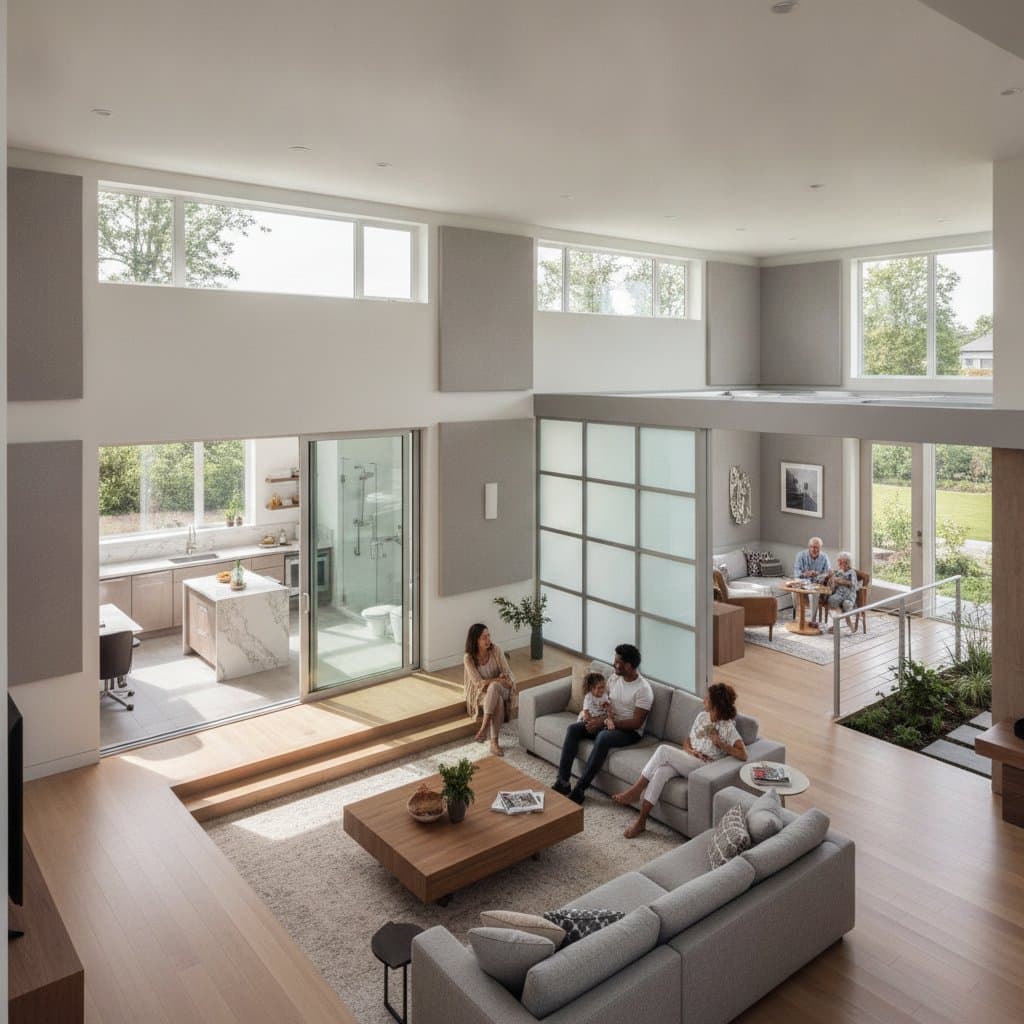
Open layouts with islands at varied heights promote inclusivity. Energy-efficient appliances reduce utility bills over time, offsetting initial outlays. Prioritize durable surfaces that resist wear from frequent use.
Lighting and Technology
Smart lighting systems with motion sensors and dimmers improve visibility and energy efficiency. Installation for a whole-home setup ranges from $2,500 to $6,000, including wiring and app integration. These features reduce fall risks by illuminating paths automatically.
Ramps or platform lifts for multi-level homes cost $3,000 to $15,000, based on length and incline. Battery backups ensure reliability during outages. Integrate these with home automation for seamless control via smartphones or voice commands.
When to Hire a Professional
Engage a licensed contractor for any project involving plumbing, electrical, or structural modifications. Permit requirements often apply to these changes, as do inspections to ensure code compliance. Installations like ramps or lifts demand expertise to meet safety standards.
Waterproofing in wet areas prevents costly damage over time. Seek contractors with universal design experience; they know accessibility codes and can suggest certified materials. Request references, confirm insurance coverage, and obtain detailed written estimates to compare options effectively.
Addressing Common Homeowner Questions
What Distinguishes Universal Design from Accessibility Remodeling?
Universal design benefits all occupants by promoting versatility and ease of use. Accessibility remodeling targets specific limitations, such as mobility challenges. The broader scope of universal design allows for future-proofing without niche restrictions.
Do Permits Apply to Ramps or Bathroom Remodels?
Permanent ramps, structural alterations, or plumbing shifts generally require permits. Local building departments enforce these rules to uphold safety. Consult officials early to avoid delays or fines.
How Long Do These Renovations Typically Last?
Minor updates, like adding grab bars, complete in one week. Comprehensive remodels span several weeks, influenced by material availability and project complexity. Clear timelines from contractors help manage expectations.
Can Universal Design Elements Maintain Style?
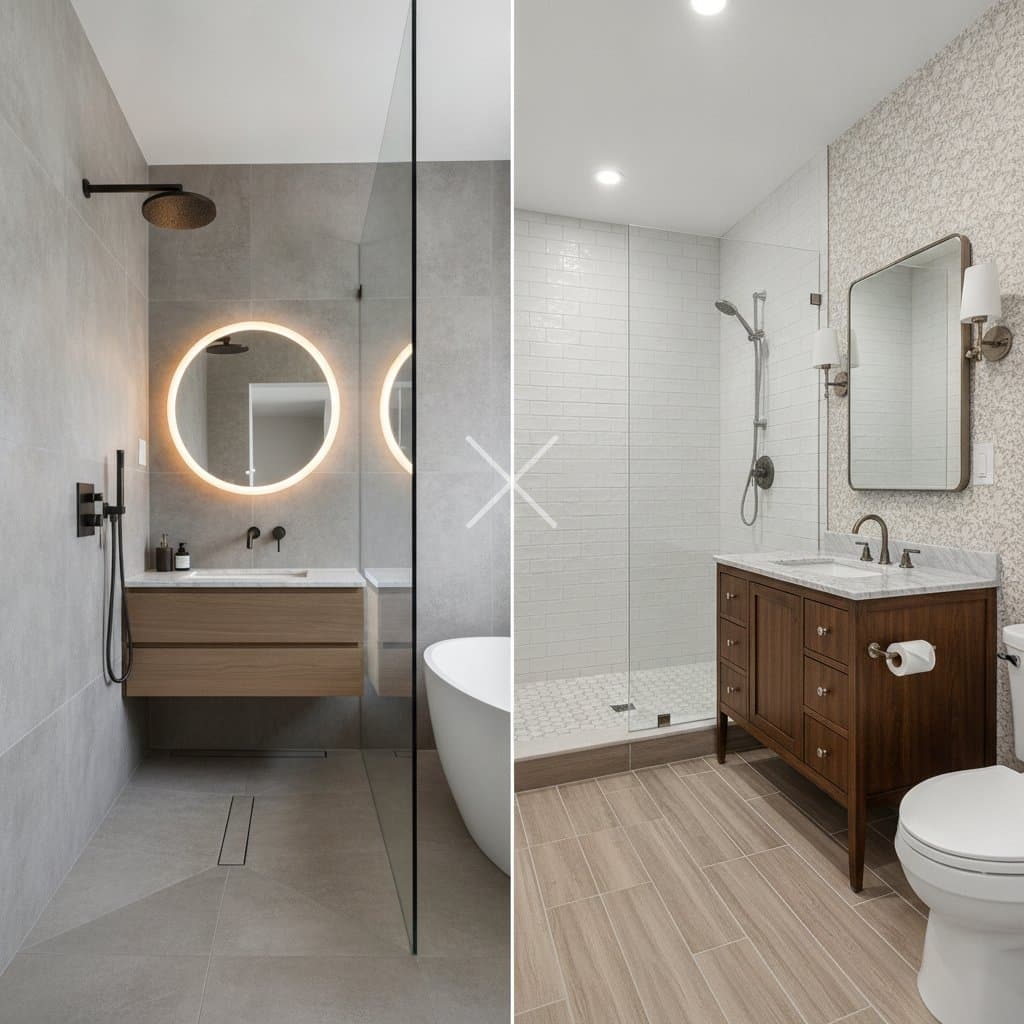
Contemporary fixtures and finishes merge accessibility with sophistication. Layouts avoid clinical appearances, favoring warm tones and sleek lines. Products today prioritize both form and function for inviting spaces.
Will These Upgrades Boost Resale Value?
Demand from aging demographics drives appreciation for accessible features. Even younger buyers value open, adaptable layouts. Well-executed remodels can yield returns of 50 to 70 percent on investment in favorable markets.
Steps to Implement Your Universal Design Plan
Conduct an accessibility assessment to pinpoint high-impact areas, such as stairways or bathing spaces. Solicit bids from at least three qualified remodelers, evaluating not only pricing but also their design portfolios and client feedback. Emphasize elements that bolster safety and ease, including curbless entries, ergonomic handles, and ambient lighting.
Coordinate with occupational therapists for personalized recommendations. Track progress with regular site visits to align results with your vision. These proactive measures ensure a smooth process and optimal outcomes.
Securing Long-Term Independence Through Smart Investments
Universal design remodels safeguard autonomy while enhancing quality of life. Careful planning balances costs with enduring benefits, from reduced accident risks to preserved property equity. Your home becomes a resilient sanctuary, evolving with life's stages to support comfort and joy for decades ahead.