Building Leak-Free Luxury Wet Rooms
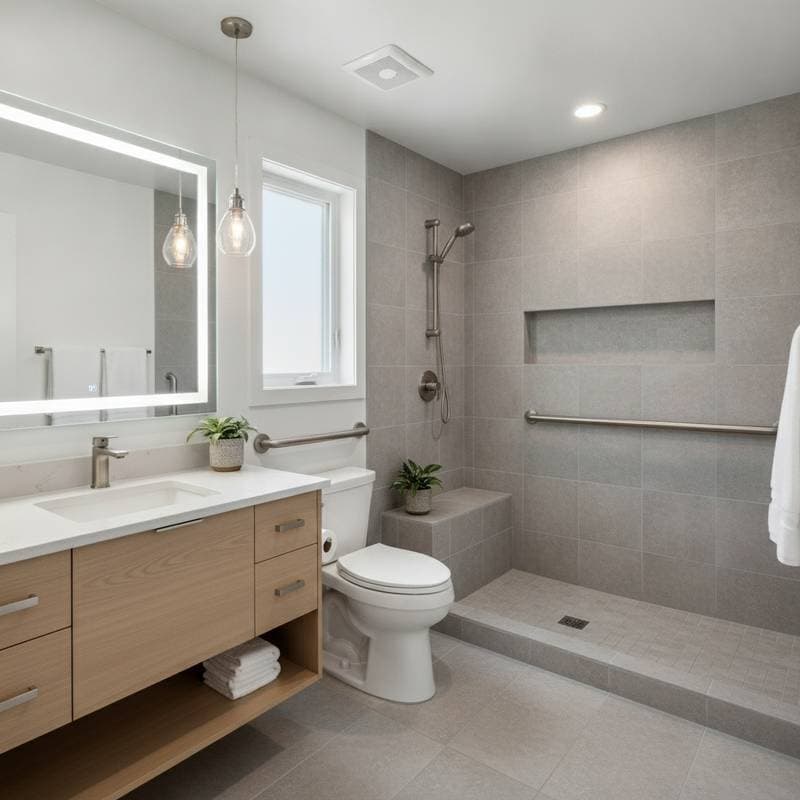
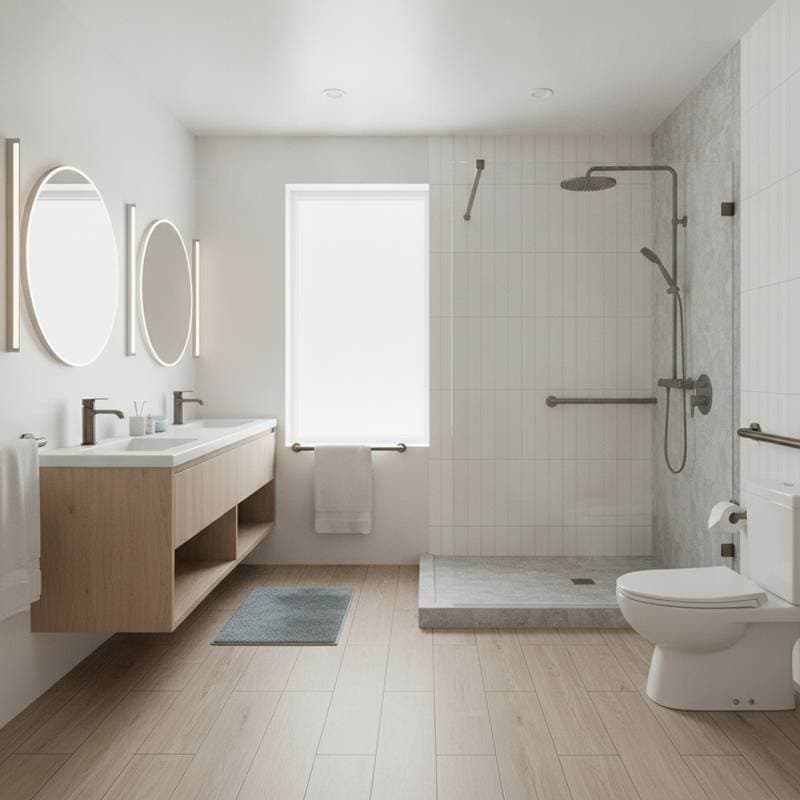
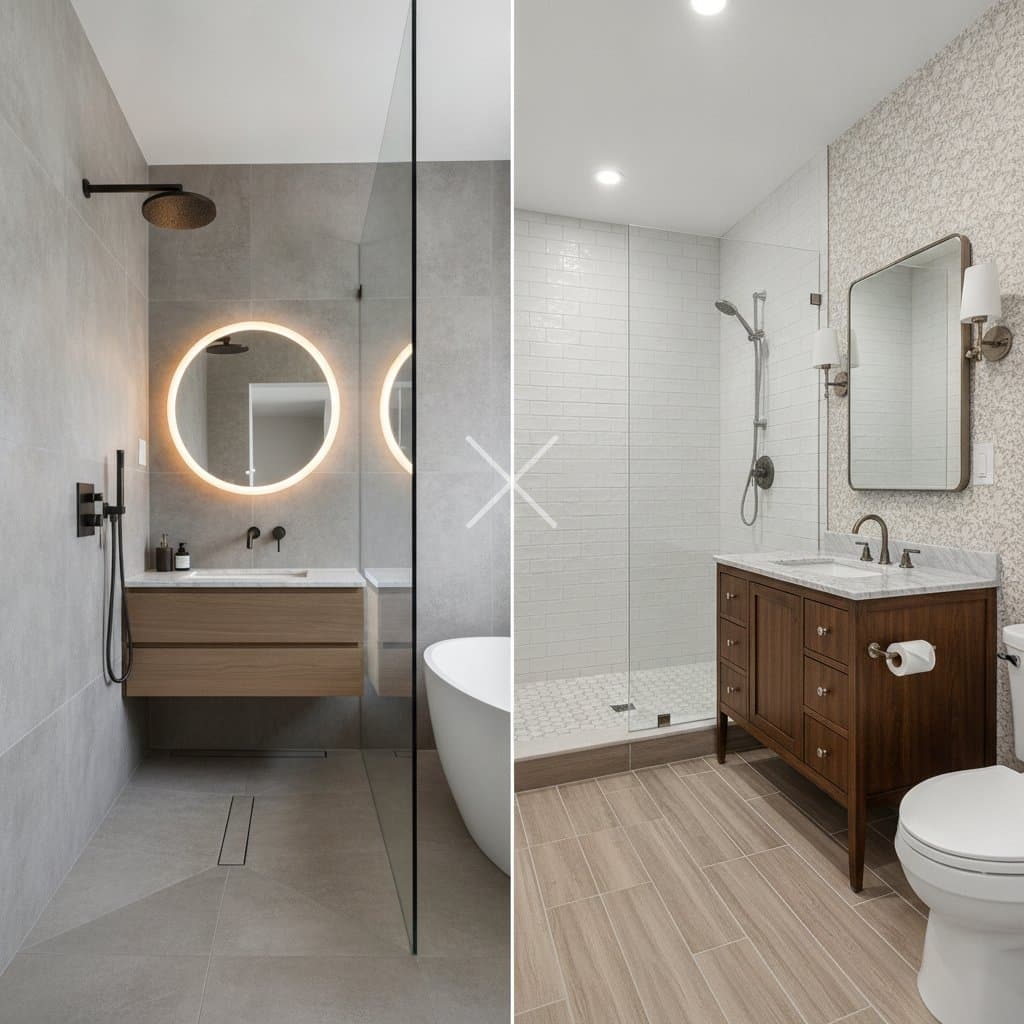
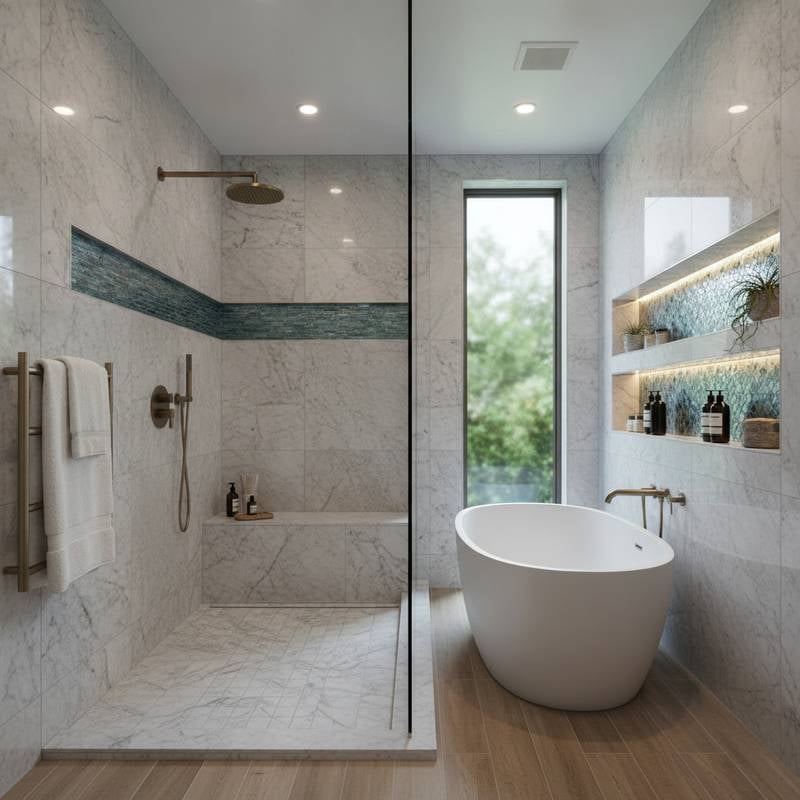
A luxury wet room merges open design with robust waterproofing to deliver a seamless shower experience. This approach creates a spa-like space that remains functional and attractive over many years. Proper planning ensures water flows correctly and surfaces stay protected.
Cost and Time Estimates
Professional installation of a luxury wet room ranges from $12,000 to $25,000 based on room size, material choices, and tile selections. Labor accounts for a significant portion, particularly during waterproofing and plumbing phases. Smaller rooms finished with ceramic tile often fall toward the lower end of the range.
DIY projects can lower expenses to between $5,000 and $10,000 when the homeowner already possesses solid construction skills. Full professional work typically requires two to three weeks from demolition through final sealing. The task carries an advanced difficulty rating.
Deciding Between DIY and Professional Installation
Simple preparation steps such as demolition and initial layout can be managed by capable homeowners. Waterproofing itself demands precision because even minor errors produce leaks, mold growth, or structural issues.
DIY work succeeds when the installer can create accurate floor slopes toward the drain, apply membranes without gaps or pinholes, and set tile evenly on those slopes. Professional help becomes necessary when new plumbing, curbless entries, underfloor heating, or linear drains are involved.
Licensed contractors charge $80 to $150 per square foot and supply code compliance plus warranties that protect the waterproofing layer and tile work.
Step-by-Step Construction Process
- Plan drain placement to maintain a continuous slope while keeping plumbing runs short.
- Remove existing flooring, inspect the subfloor for damage, and reinforce framing where bounce appears.
- Install a flanged wet room drain and establish the slope with a pre-sloped panel or mortar bed.
- Apply liquid membrane or sheet waterproofing, overlapping all seams by at least two inches and sealing every corner and penetration.
- Set tile beginning at the drain and moving outward with flexible thinset and waterproof grout.
- Apply silicone sealant at all joints and fixtures after the tile has cured.
Each stage includes a verification step to confirm slope, continuity of the membrane, and consistent grout lines.
Safety Measures During Installation
Select textured or slip-resistant tile to reduce fall risks in wet zones. Disconnect power before any electrical work such as floor heating installation. Wear gloves, eye protection, and a respirator when mixing or cutting materials.
Common Issues and Verification Steps
Standing water indicates an insufficient slope that requires tile or mortar adjustment. Cracked grout should be replaced with a flexible product and resealed. Persistent musty odors point to hidden moisture behind tile or around fixtures.
Before tiling, fill the prepared base with water and monitor the level for 24 hours. No measurable drop confirms the membrane is intact.
Waste Removal and Site Cleanup
Gather tile scraps, old flooring, and packaging for disposal according to local construction waste rules. Clean tools with warm water before any residue hardens.
Ongoing Care for Extended Service Life
Inspect grout joints and seals twice each year. Reapply sealant annually to preserve the waterproof barrier. A correctly built wet room maintains performance for 20 to 30 years with this routine attention.
When Professional Repairs Are Required
Contact a licensed contractor upon discovery of active leaks, loose tiles, or persistent drainage problems. Repair costs typically range from $1,000 to $3,000 depending on the extent of damage. Request proof of licensing and insurance, a written estimate, a warranty covering waterproofing, and references from completed projects.
Practical Habits That Protect the Investment
Run an exhaust fan during and after showers to control humidity. Wipe surfaces regularly to prevent soap residue from accumulating in grout lines.