2025 Costs: Universal Design Remodels for Aging in Place
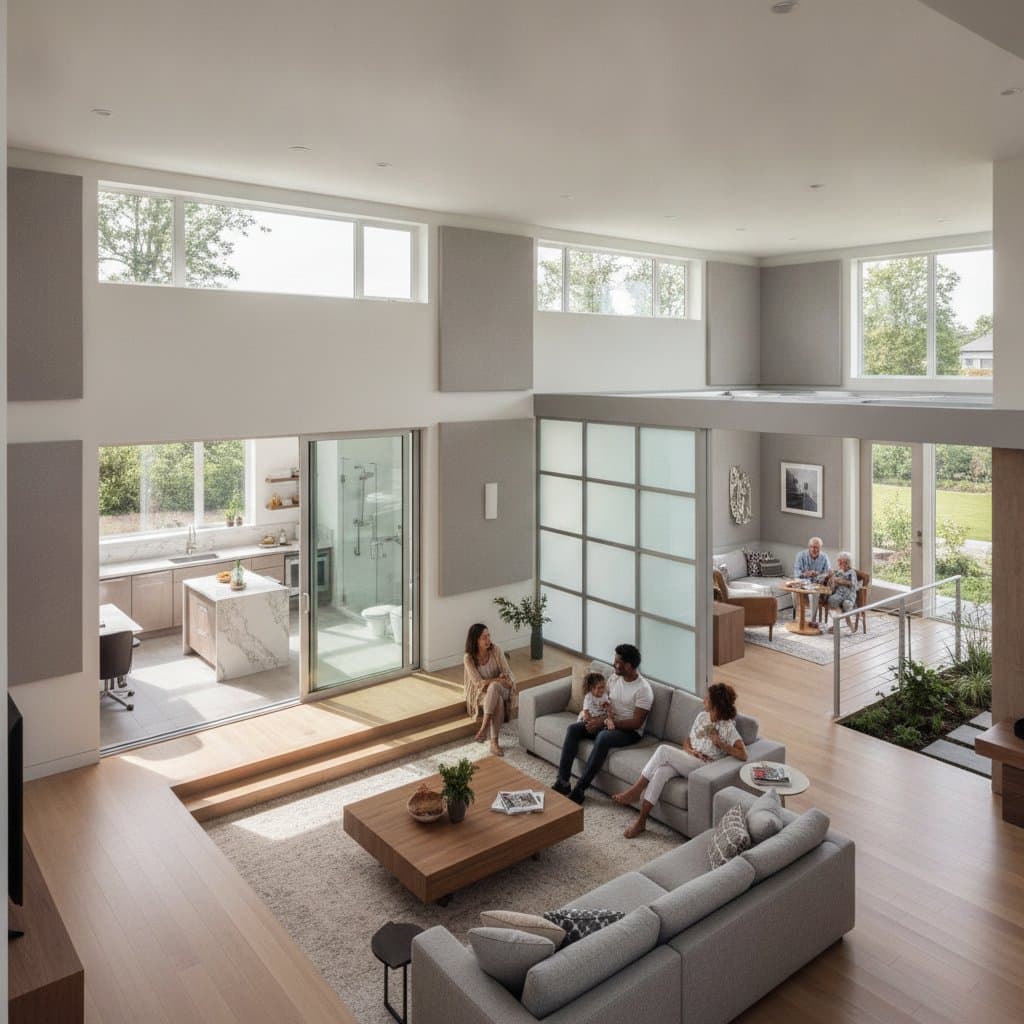
A home designed to adapt to changing needs throughout life represents a wise investment in well-being and property equity. Universal design principles emphasize accessibility, safety, and ease of use while preserving aesthetic appeal. This guide details typical expenses for such remodels, highlights upgrades with strong returns on investment, and provides planning advice to foster independence and enhance quality of life.
What This Guide Covers
- Average costs and ranges for key projects
- Essential features of universal design remodels
- Strategies to reduce expenses while boosting accessibility
- Guidance on engaging professional remodelers
- Responses to frequent homeowner inquiries
Typical Costs for Universal Design Upgrades
Expenses for aging-in-place remodels vary based on project scale, material selections, and regional labor rates. The following outlines standard ranges for popular modifications:
- Whole-home accessibility overhaul: $80,000 to $150,000
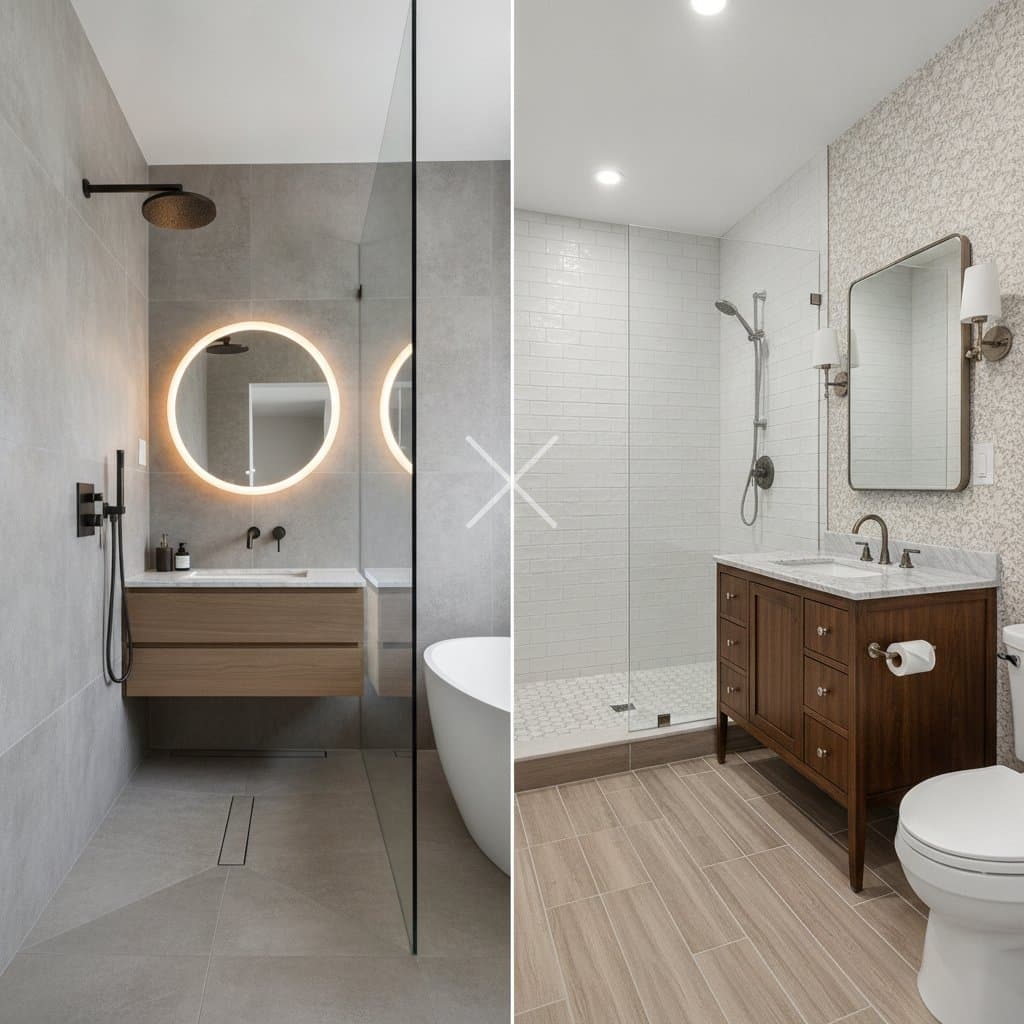
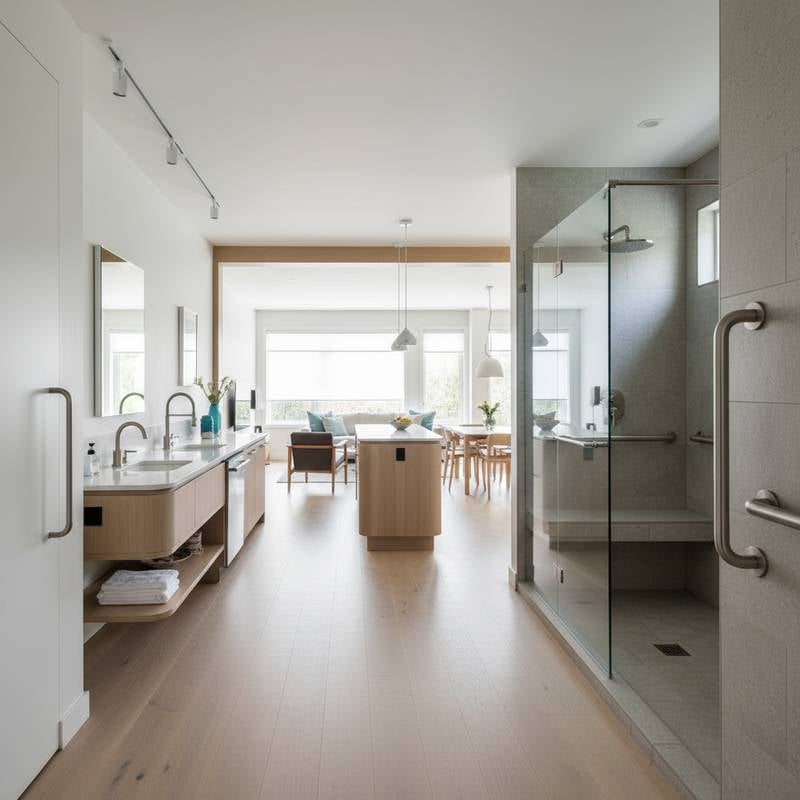
- Bathroom adaptation with roll-in shower: $15,000 to $35,000
- Kitchen accessibility enhancements: $25,000 to $60,000
- Interior doorway widening: $800 to $2,500 per doorway
- Ramp or zero-step entry installation: $3,000 to $10,000
- Stair lift addition: $3,500 to $8,000
- Lighting and control system upgrades: $2,000 to $5,000
Labor typically comprises 40 to 60 percent of the total budget, influenced by local market conditions and modification intricacy. Premium materials, bespoke cabinetry, or integrated smart systems elevate initial outlays yet deliver superior durability and usability over time.
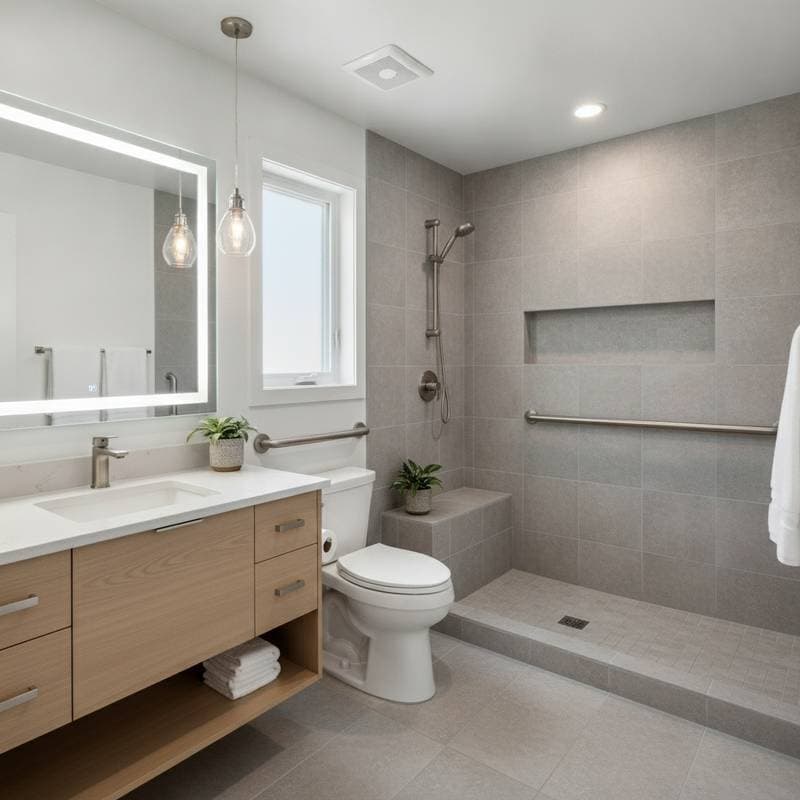
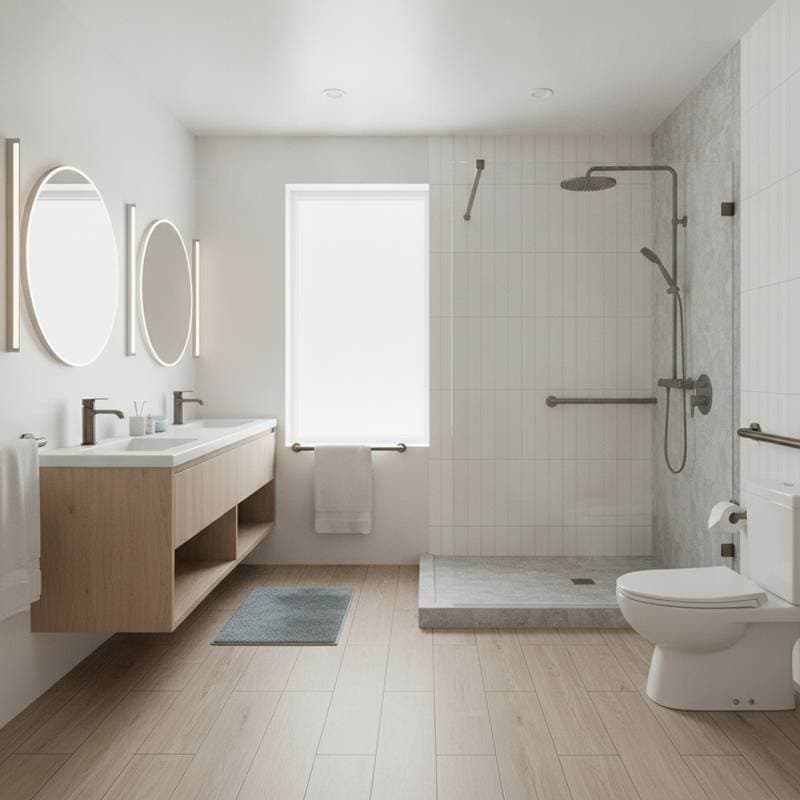
1. Bathroom Accessibility Upgrades
Bathrooms pose significant risks for slips and mobility challenges, making accessibility modifications a priority for safe daily routines.
Why these upgrades matter: Features such as grab bars, lever faucets, and curbless showers minimize fall hazards and simplify personal care for individuals with varying mobility levels.
Average cost: $15,000 to $35,000, scaled to the room size and fixture replacements.
DIY versus professional approach: Simple additions like grab bars or adjustable showerheads suit capable homeowners. Full conversions involving plumbing rerouting or tile removal demand certified plumbers and tilers.
Design tips:
- Opt for 36-inch-wide doorways to accommodate wheelchairs.
- Position grab bars near toilets and showers at 33 to 36 inches above the floor.
- Select slip-resistant flooring with a coefficient of friction exceeding 0.6 for enhanced traction.
2. Kitchen Accessibility Enhancements
An accessible kitchen facilitates independent meal preparation and reduces strain during everyday tasks.
Why these upgrades matter: Elements like adjustable countertops, pull-out cabinetry, and ample clearance promote efficient navigation and reach for users with limited strength or height.
Average cost: $25,000 to $60,000, contingent on layout reconfiguration and appliance integrations.
DIY versus professional approach: Updates to cabinet pulls or under-cabinet lighting prove feasible for experienced individuals. Structural alterations, such as counter height adjustments or wiring for new outlets, require skilled contractors.
Design tips:
- Ensure at least 5 feet of clear turning radius in primary work zones.
- Incorporate side-hinged wall ovens and smooth-gliding drawers for effortless access.
- Mount microwaves at countertop level, around 30 inches high, to avoid overhead stretching.
3. Entryways, Doors, and Mobility Pathways
Smooth transitions from exterior to interior spaces prevent barriers and support seamless movement throughout the home.
Why these upgrades matter: Wider doorways, threshold-free entries, and stable ramps enable wheelchair access and reduce physical exertion for all residents.
Average cost: $800 to $10,000 per feature, depending on the number of modifications and site-specific requirements.
DIY versus professional approach: Hardware swaps, such as lever handles, offer straightforward DIY options. Door frame expansions or ramp constructions necessitate structural expertise and permit compliance.
Design tips:
- Widen interior doors to a minimum of 32 inches clear width.
- Install automatic door openers or pocket doors to conserve space.
- Slope ramps at no more than 1:12 ratio for safe, gradual inclines.
4. Lighting and Smart Technology Integrations
Strategic illumination and automated controls illuminate pathways and simplify operations, particularly in low-visibility conditions.
Why these upgrades matter: Adequate lighting curbs accident risks, while voice or app-based systems eliminate the need for manual toggles, benefiting those with dexterity limitations.
Average cost: $2,000 to $5,000 for fixture installations and system setups.
DIY versus professional approach: Replacing bulbs or adding plug-in sensors remains accessible to most. Comprehensive wiring or network connections call for licensed electricians to ensure code adherence.
Design tips:
- Layer ambient, task, and accent lighting in high-traffic areas like kitchens and bathrooms.
- Deploy motion-activated sensors along corridors and staircases for automatic activation.
- Integrate smart hubs compatible with voice assistants for hands-free operation.
Engaging Professional Remodelers
Minor tweaks, such as installing lever handles or motion lights, fall within reach for handy homeowners. However, substantial projects benefit from expert involvement to guarantee safety and compliance.
Seek licensed contractors for endeavors that include:
- Alterations to load-bearing walls, subfloors, or foundations
- Reconfigurations of plumbing lines or electrical circuits
- Assembly of mechanical aids like stair lifts or exterior ramps
- Work subject to municipal permits or safety inspections
To select a reliable partner, verify credentials in universal design projects, solicit client testimonials, and confirm liability insurance. Request itemized bids delineating labor, materials, and timelines to facilitate informed decisions on scope adjustments.
Common Questions About Universal Design Remodels
How long does a typical remodel require?
Single-room efforts often span two to four weeks. Comprehensive whole-home transformations may last three to six months, factoring in design phases and unforeseen challenges.
Do accessibility features diminish resale potential?
Quite the opposite. Contemporary universal design elements attract diverse buyers, including multigenerational households, often elevating market appeal and sale prices.
Which flooring options best support accessibility?
Luxury vinyl planks or low-pile carpets (under 0.5 inches thick) offer superior grip and seamless rolling surfaces for mobility aids.
Is it possible to enhance accessibility without a complete overhaul?
Absolutely. Targeted interventions, including enhanced illumination, ergonomic handles, and support rails, yield immediate safety gains with minimal disruption.
Are permits necessary for these remodels?
Local regulations typically mandate approvals for any plumbing, electrical, or structural interventions. Consult your municipal office early to avoid delays.
Sustaining Accessibility and Value Over Time
Universal design remodels secure enduring comfort, autonomy, and asset appreciation. Regular upkeep ensures these features perform reliably for years.
Conduct yearly inspections of support elements, illumination systems, and surfaces for signs of deterioration. Collaborate with contractors or therapists for biennial assessments to refine adaptations as needs evolve. Such proactive measures safeguard both functionality and enjoyment, transforming your residence into a resilient haven for every life phase.