Understanding Wet Room and Traditional Bathroom Remodels
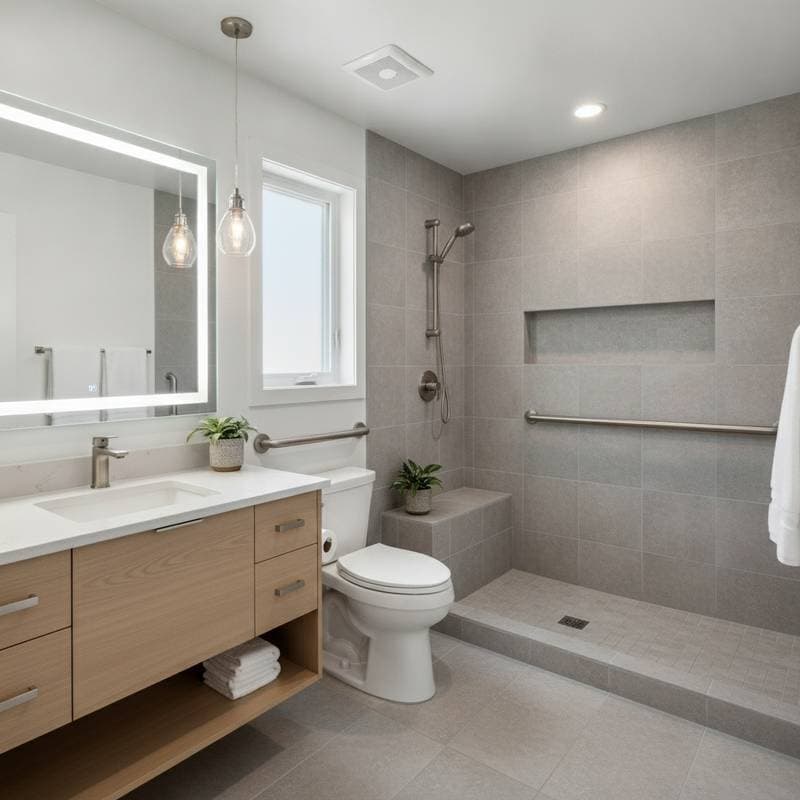
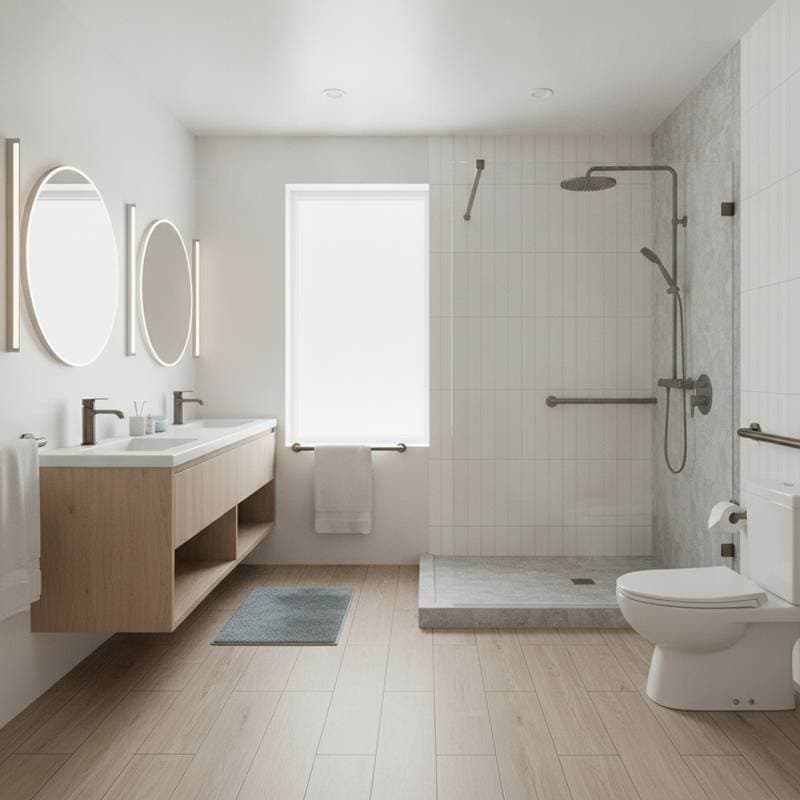
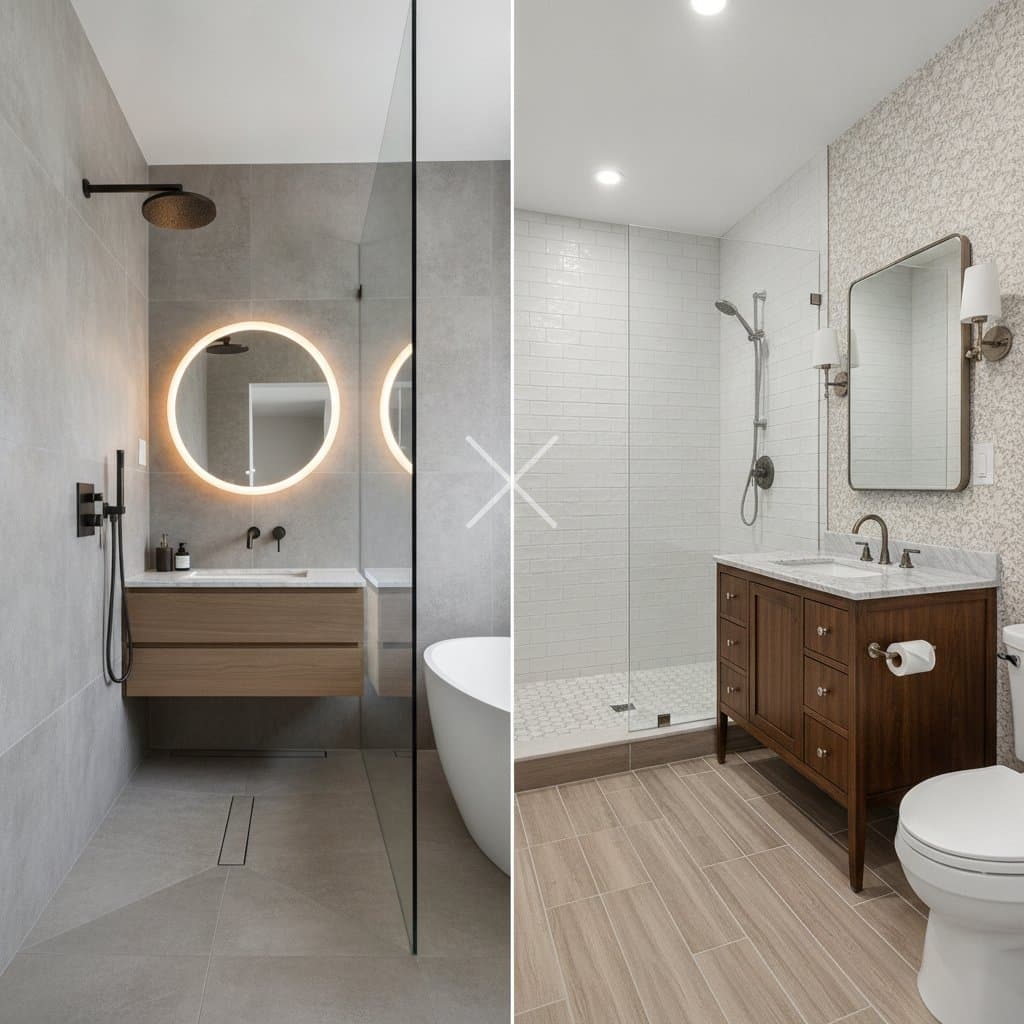
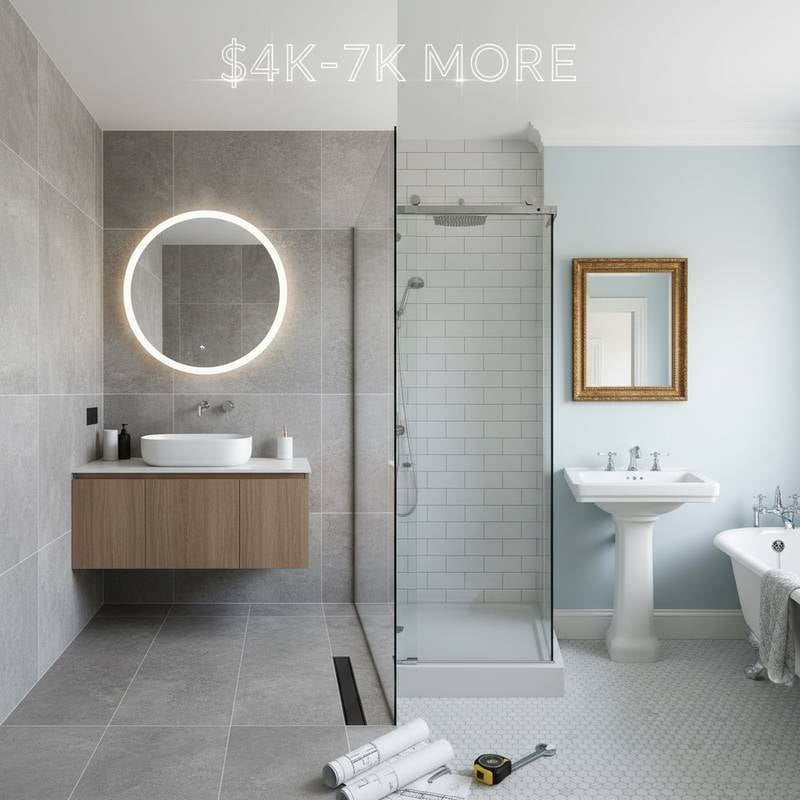
A wet room features a seamless, open shower area that integrates with the bathroom floor, eliminating curbs or enclosures. In contrast, a traditional bathroom uses a defined shower or tub space separated by barriers. This guide details the cost differences, installation requirements, and implications for your renovation budget, helping you decide which option aligns with your needs.
Detailed Cost and Timeline Breakdown
Wet Room Remodel Expenses
The total cost for a complete wet room renovation ranges from $12,000 to $25,000. Factors influencing this include the quality of waterproofing materials, choice of tiles, and complexity of drainage systems. Labor expenses rise due to the need for precise floor sloping and comprehensive sealing to prevent water intrusion.
Traditional Bathroom Remodel Expenses
A conventional bathroom update with a framed shower or tub enclosure generally costs between $8,000 and $18,000. Simpler waterproofing methods and quicker assembly contribute to the reduced price point. These setups require less extensive preparation compared to wet rooms.
Timeline Considerations for DIY and Professional Approaches
Professional installation of a wet room takes 2 to 3 weeks, accounting for meticulous waterproofing and testing. Attempting a DIY wet room extends the process to 4 to 6 weeks or more, given the technical challenges. For traditional bathrooms, professionals complete the work in 1 to 2 weeks, while DIY efforts span 3 to 4 weeks.
Project Difficulty Levels
Wet room projects rate as advanced, demanding expertise in hydrology and structural adjustments. Traditional remodels fall into the moderate category, suitable for those with basic plumbing and tiling experience.
Evaluating DIY Options Against Professional Services
Assessing DIY Viability
Experienced individuals may handle tiling and finishing in a traditional shower setup. Wet rooms require exacting standards for waterproofing and drainage; mistakes often lead to leaks or structural issues. Evaluate your skills honestly before proceeding.
Scenarios Requiring Professional Expertise
Engage a licensed contractor for tasks such as creating a sloped floor, applying full waterproofing membranes, relocating drains, or reinforcing the subfloor. These elements ensure long-term integrity and compliance with building codes.
Comparative Cost Analysis
A DIY traditional remodel typically runs $5,000 to $10,000, covering materials and tools. Professional versions of the same project cost $8,000 to $18,000, incorporating labor and guarantees. DIY wet rooms, though not advised, might total $9,000 to $18,000; professional execution elevates this to $12,000 to $25,000 for superior results.
Comprehensive Installation Processes
Steps for Wet Room Construction
-
Develop a detailed layout plan, marking the shower zone, drain location, and tile boundaries. Verify that floor joists support the required slope and added tile weight.
-
Apply waterproofing to the entire floor and lower walls using a continuous membrane. Inspect thoroughly for gaps or imperfections prior to tiling.
-
Position the drainage system, opting for linear or central drains suited to open spaces. Ensure water flows uniformly to avoid pooling.
-
Lay slip-resistant tiles on floors and walls, selecting options rated for high-moisture environments. Seal and grout every joint meticulously.
-
Install fixtures and optional glass panels, maintaining clearance for effective water containment. Conduct flow tests before finalizing seals.
Steps for Traditional Bathroom Construction
-
Construct a shower curb or fit a preformed pan, ensuring it remains level and impervious to water.
-
Waterproof solely the shower zone, extending coverage at least 6 inches above the floor level.
-
Add tiles, wall panels, and fixtures, sealing all connections to maintain dryness.
Essential Safety Measures and Precautions
Shut off electrical power before working near outlets or fixtures to avoid hazards. Select textured tiles for wet zones to minimize slip risks. Wear gloves, safety glasses, and knee pads throughout the project to protect against injuries.
Identifying and Resolving Common Issues
Frequent Challenges
Standing water indicates an insufficient floor slope; regrade the underlayment to correct this. Leaks stem from compromised waterproofing; reseal the membrane or grout as necessary. Cracked tiles result from subfloor shifts; reinforce the base and replace affected pieces.
Verification Protocols
Test that floor drains clear water fully within 60 seconds. Confirm no moisture appears beyond designated areas. Assess tile joints for evenness and stability by walking across them.
Proper Cleanup and Waste Management
Gather debris and outdated materials as work progresses. Package waste for landfill disposal, or transport recyclable items like tiles and concrete to designated facilities. Follow local regulations when discarding adhesives and grout as hazardous substances.
Ongoing Maintenance and Expected Durability
Wet Room Care
Examine grout lines and seals biannually, regrouting where wear appears. Proper upkeep extends the lifespan to 20 years or beyond.
Traditional Bathroom Care
Inspect caulk and grout annually, addressing cracks promptly to avert leaks. Consistent attention yields a comparable 20-year durability.
Indicators for Professional Intervention
Seek contractor assistance if water damage affects the subfloor, or if plumbing and electrical rerouting prove necessary. Full conversions from standard baths to wet rooms also warrant expert involvement.
Contractor Pricing Details
Hourly rates for wet room specialists range from $80 to $150. Verify licensing, insurance coverage, and warranty provisions. Review references and inspect past projects prior to commitment.
Strategic Recommendations for Optimal Results
Opt for a wet room to achieve a contemporary, barrier-free aesthetic, provided you allocate resources for robust waterproofing. Select a traditional design for economical execution and straightforward upkeep. Either approach enhances property value when executed with precision, delivering enduring functionality and appeal.