The True Costs of Accessible Home Living in 2026
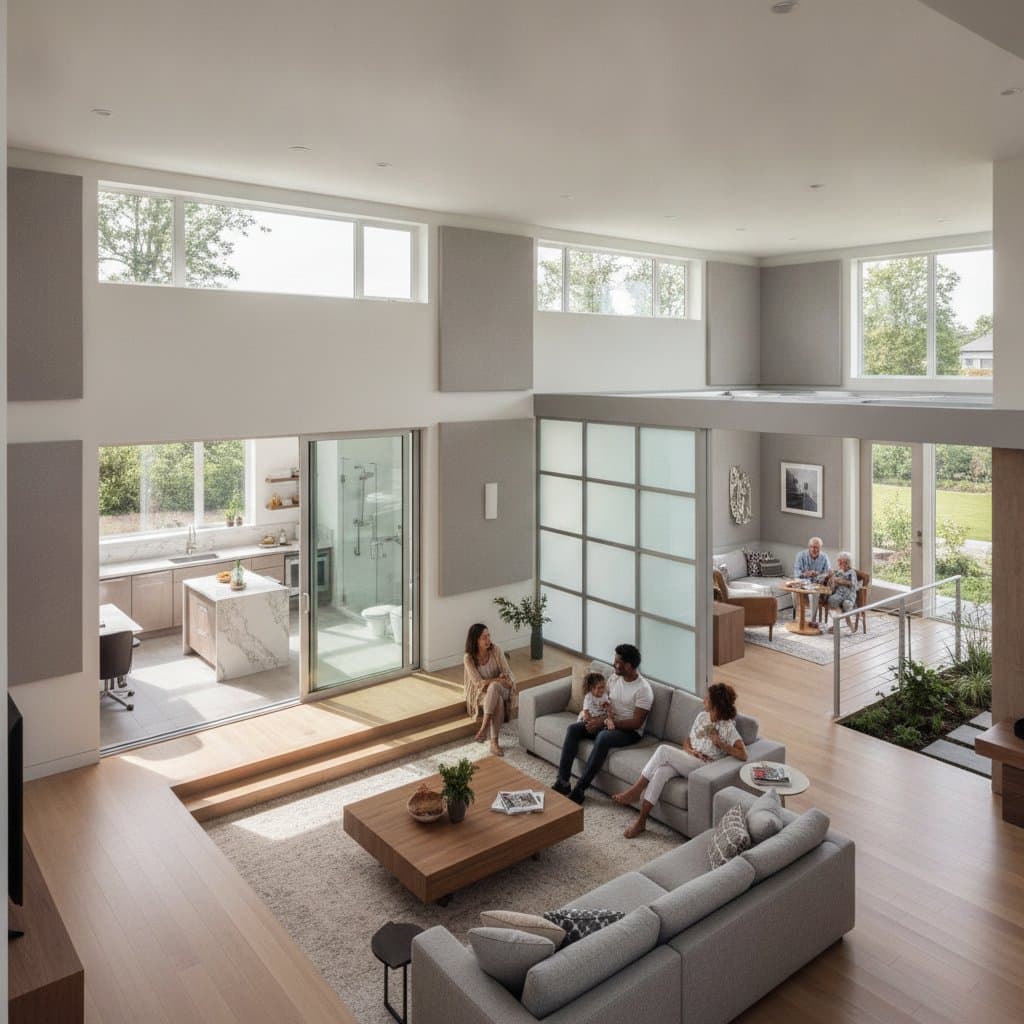
Accessible home living creates environments that promote independence, safety, and comfort for individuals of all ages and abilities. This guide details the expenses involved in remodeling a home for accessibility, examines key pricing influences, and offers guidance on choosing between personal efforts and professional services.
Cost and Timeline Overview
Typical cost ranges:
- Basic accessibility improvements: $2,000 to $10,000, covering items such as grab bars, lever handles, and non-slip mats.
- Intermediate renovations: $10,000 to $50,000, including bathroom adaptations or entryway ramps.
- Comprehensive home transformations: $50,000 to $150,000 or higher, encompassing full structural adjustments for universal design.
Elements influencing expenses:
- Home size and scope of rooms involved.
- Nature of changes, such as bathroom grab bars, widened doorways, kitchen counter adjustments, or resilient flooring.
- Regional labor costs and required permits.
- Selection of durable materials and aesthetic finishes.
- Necessity of structural reinforcements to comply with accessibility guidelines.
Project timelines:
- Basic tasks: 1 to 2 weeks.
- Intermediate projects: 3 to 6 weeks.
- Extensive overhauls: 2 to 4 months.
Complexity levels:
- Basic improvements: Straightforward, suitable for beginners.
- Room-specific renovations: Moderately challenging, requiring basic tools.
- Complete home adaptations: Highly complex, demanding expert involvement.
Professionals handle structural, electrical, or plumbing alterations to ensure compliance and safety. Individuals may manage surface-level tasks, such as installing lever handles or applying non-slip strips.
Detailed Planning Process
1. Evaluate Accessibility Requirements
Identify obstacles during a room-by-room inspection, including tight doorways under 32 inches, stairs exceeding safe rise limits, or inadequate illumination. Employ a standardized checklist to assess mobility paths, reach distances, and open spaces for navigation.
Verification point: Compile a prioritized inventory of issues per area.
2. Establish Priorities and Financial Plan
Sequence modifications by urgency, focusing first on safety risks and frequent-use zones. Direct larger portions of the budget toward essential spaces like entry points, bathrooms, and kitchens.
Verification point: Financial allocation aligns with critical needs.
3. Develop Functional Layouts
Design doorways with minimum widths of 32 inches for unobstructed passage. Incorporate 60-inch turning circles in primary rooms to accommodate mobility devices. Select operable fixtures, such as lever faucets and touchless controls, for ease of use.
Verification point: Sketches demonstrate compliant clearances and ergonomic reaches.
4. Secure Regulatory Permissions
Review municipal codes for accessibility mandates, including ADA-inspired standards. Obtain approvals for significant alterations, such as exterior ramps or plumbing relocations.
Verification point: Permissions are in place prior to any work commencement.
5. Ready the Workspace
Relocate furnishings and eliminate potential hazards like loose rugs. Protect existing surfaces with drop cloths to minimize dust spread.
Verification point: Areas are organized and hazard-free for initiation.
6. Implement the Upgrades
Construct ramps or platform lifts adhering to a 1:12 slope for gentle inclines, secured to load-bearing elements. Install slip-resistant flooring options like textured vinyl or cork. Mount grab bars into wall studs using toggle bolts for firm support. Reposition switches and receptacles between 15 and 48 inches from the floor.
Verification point: Installations prove secure, aligned, and standard-compliant.
7. Validate Usability and Ergonomics
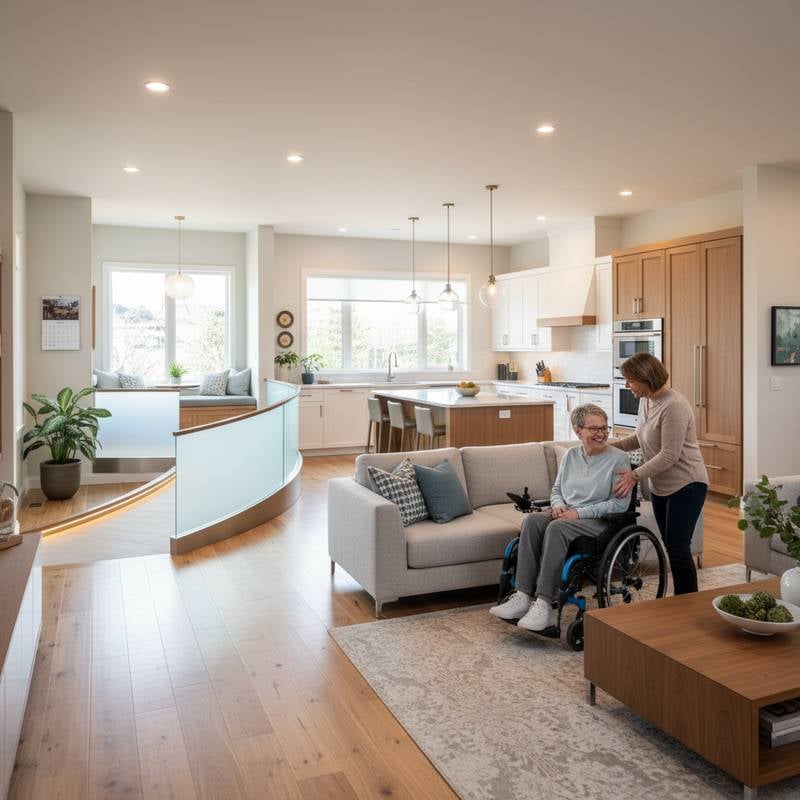
Navigate the modified areas using wheelchairs or walkers to test access and maneuverability. Verify seamless door swings and level surface changes.
Verification point: Spaces facilitate unassisted navigation and ease.
Resolving Issues and Ensuring Quality
Frequent challenges and solutions:
- Insecure grab bars: Reinforce with plywood backing blocks or heavy-duty anchors.
- Restricted doorway widths: Install swing-clear hinges to gain 1.5 to 2 inches of additional space.
- Excessive ramp inclines: Recalibrate to a 1:12 ratio, equating to one inch of elevation per 12 inches of horizontal distance.
- Jarring floor level shifts: Apply sloped transition strips for fluid connections.
Final assessments:
Measure with a bubble level to confirm evenness in ramps and floors. Operate door hardware to ensure effortless engagement and accessible locking mechanisms. Evaluate illumination after dark to guarantee shadow-free paths.
Upkeep and Durability
Ongoing maintenance practices:
Examine grab bars, ramps, and surfaces every three months for signs of loosening or degradation. Apply protective sealants to wood or tile floors biennially based on usage. Apply lubricant to mechanical components in lifts or adjustable elements annually.
Expected longevity:
- Grab bars and handrails: 10 to 15 years with regular checks.
- Slip-resistant flooring: 15 to 25 years, varying by traffic.
- Ramps: 10 to 20 years, influenced by material resilience and environmental factors.
Diligent care preserves functionality, averts premature failures, and safeguards investments.
Frequently Asked Questions
What defines universal design?
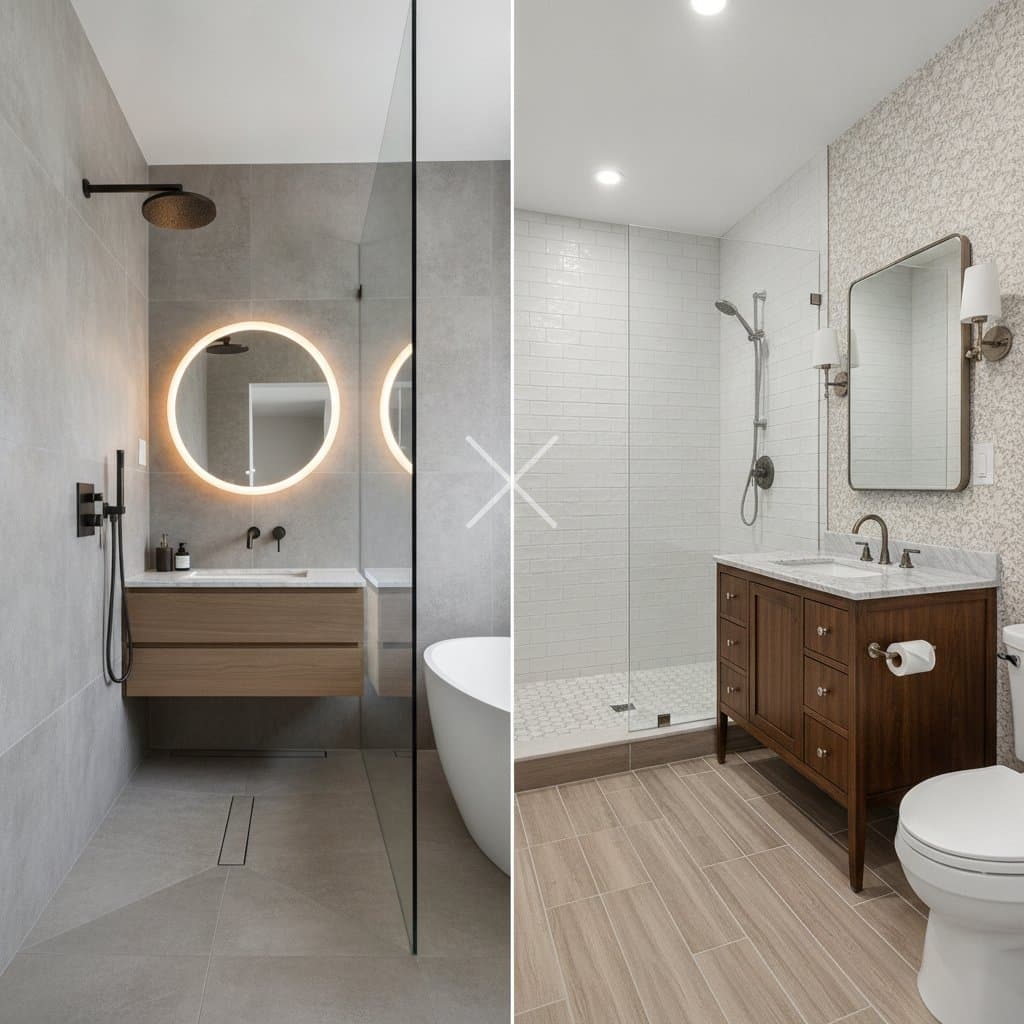
Universal design crafts environments usable by people of diverse ages, sizes, and capabilities. It emphasizes inherent flexibility, safety, and efficiency without future retrofits.
Do accessibility features enhance property worth?
Affirmative, particularly through universal design integration. Such homes attract broader buyers, often commanding premium prices.
Are funding options available for accessibility projects?
Certain government initiatives, insurance policies, or benefits for veterans provide support. Verify qualifications through relevant agencies prior to proceeding.
How to enhance bathroom safety affordably?
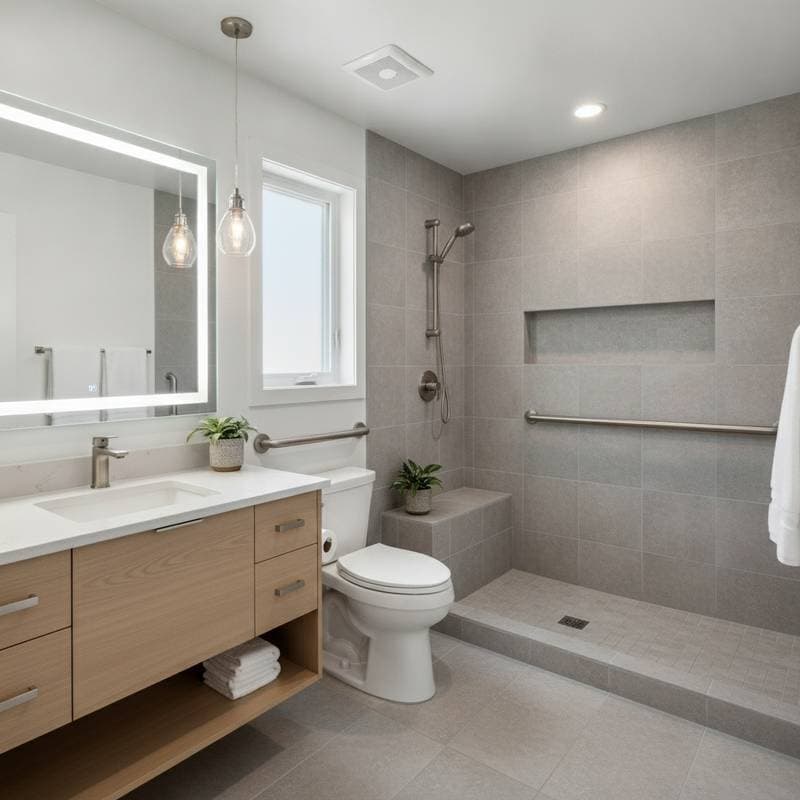
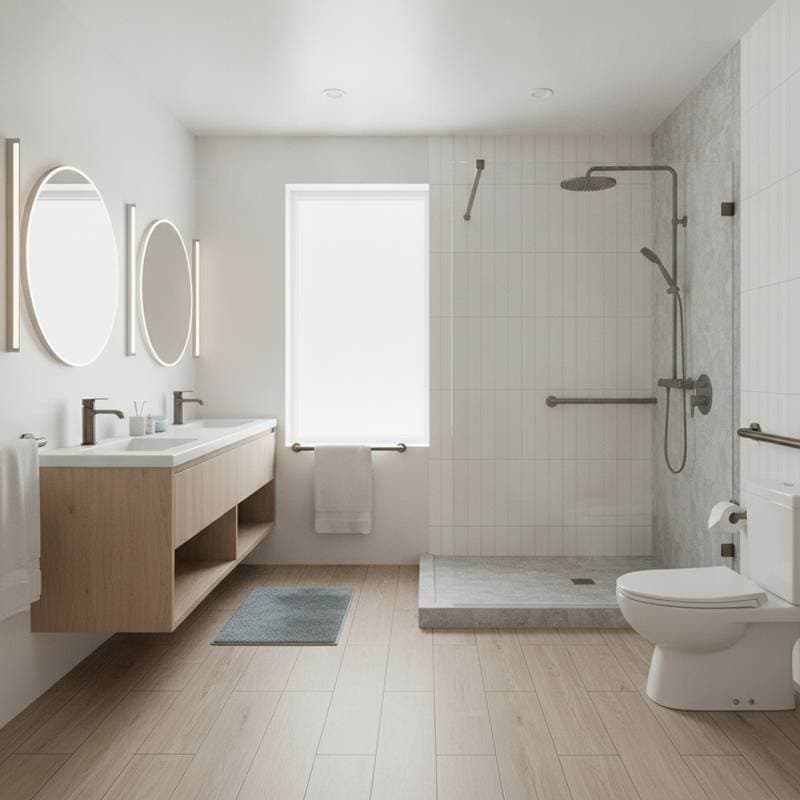
Incorporate wall-mounted grab bars near toilets and showers, add adjustable shower wands, and lay textured mats. Optimize lighting to eliminate blinding reflections.
Should one renovate or relocate for accessibility?
Renovation proves cost-effective if the existing structure allows feasible changes within financial limits. Relocation suits cases where foundational constraints hinder viable adaptations.
Sustaining Accessibility Benefits
Accessible modifications serve as vital safeguards and enduring enhancements to quality of life. Initiate with core improvements that address immediate needs, then scale up as circumstances change. Periodic evaluations and specialist consultations maintain reliability and protection. Thoughtful preparation paired with robust materials ensures a residence that delivers security, convenience, and lasting worth for years ahead.