Projected 2026 Costs for Multigenerational Home Additions
Multigenerational home additions, such as accessory dwelling units or ADUs, provide dedicated living spaces for extended family members. These projects enhance privacy, foster family connections, and often elevate property values. Grasping the cost drivers enables informed decisions and minimizes unexpected expenses. This guide details pricing influences, addition types suited to specific needs, and strategies to optimize your investment.
Defining Multigenerational Additions
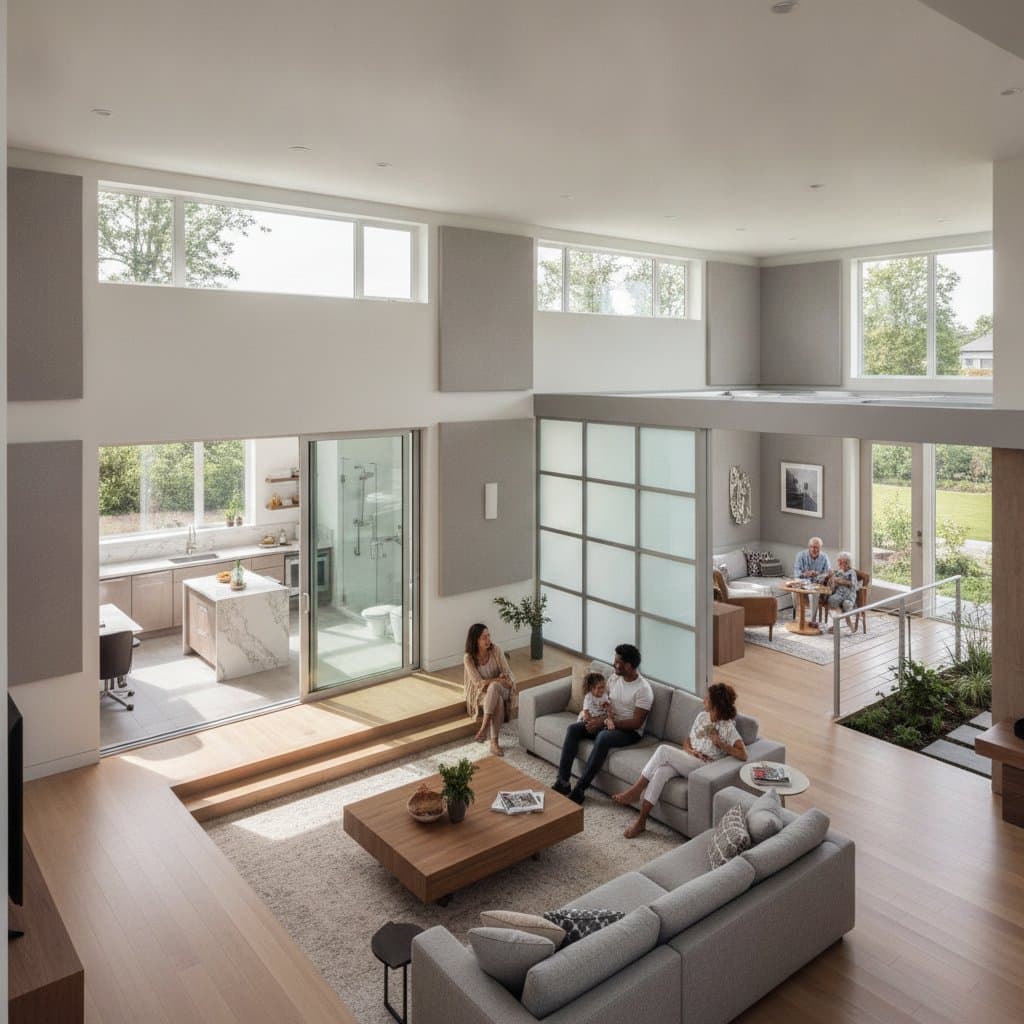
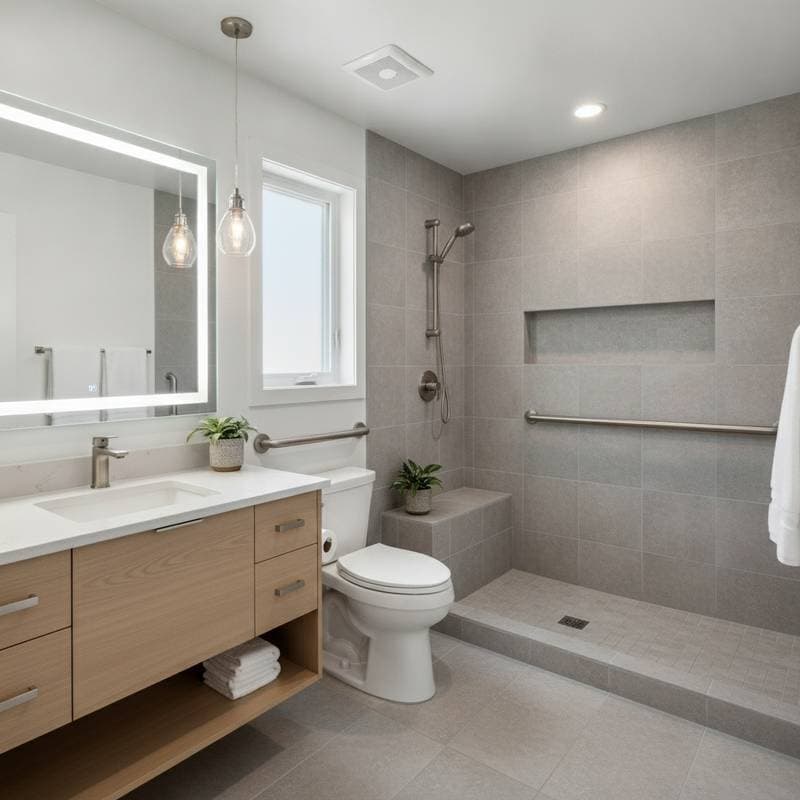
Multigenerational additions feature self-contained areas with private entrances, bathrooms, and sometimes kitchens. Popular configurations include:
- Attached suites that connect directly to the primary residence, sharing walls and systems.
- Detached ADUs constructed separately on the property, typically in rear yards.
- Garage conversions that repurpose enclosed parking areas into livable quarters.
- Basement or attic remodels that adapt underutilized indoor spaces.
Selection hinges on property dimensions, local zoning restrictions, and desired levels of autonomy for separate living arrangements.
Key Cost Drivers and Overview
Multigenerational addition expenses stem from labor rates, material selections, project intricacy, and regional codes. Costs fluctuate by location, with higher figures in urban areas due to elevated labor and permitting demands. The factors below offer a structured approach to estimation.
1. Size and Layout
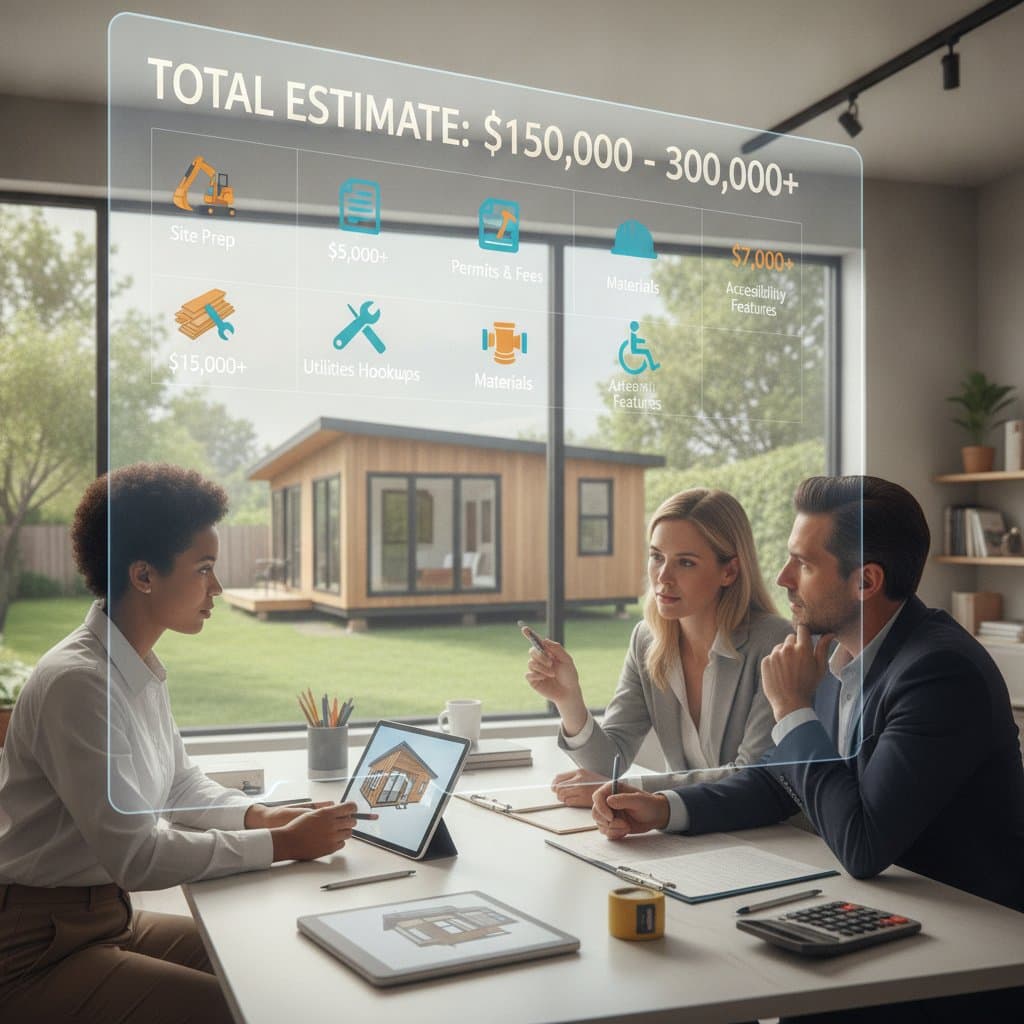
Compact designs incur lower expenses than expansive ones, though economies of scale apply to larger builds where fixed costs dilute. Projections for 2026 anticipate average costs of $150 to $300 per square foot, adjusted for inflation and supply chain trends.
- Additions under 400 square feet suit basic studios with integrated living and bathing areas.
- Units from 400 to 800 square feet accommodate distinct bedrooms and kitchenettes.
- Structures exceeding 800 square feet support multiple rooms and complete kitchens.
2. Structural Integration
Linking to current plumbing, electrical, and heating systems can streamline or complicate budgets. Homes with excess capacity facilitate seamless ties, while deficient setups demand panel upgrades or line extensions, adding $5,000 to $15,000.
3. Foundation and Framing
New constructions necessitate concrete foundations, skeletal framing, thermal barriers, and roof assemblies, contributing 20 to 30 percent of totals. Conversions sidestep these by leveraging existing frameworks, though enhancements like damp-proofing or airflow systems may add $3,000 to $10,000. Terrain challenges, such as sloped lots or rocky soil, extend equipment mobilization time and material needs.
4. Finishes and Fixtures
Selections in surfacing, storage, surfaces, and sanitary ware significantly impact outlays. Opt for mid-tier options like laminate counters and vinyl plank floors to achieve resilience without excess expenditure. Sustainable elements, including double-glazed windows and high-R-value insulation, increase initial costs by 5 to 10 percent but yield savings on energy over decades.
5. Permits and Professional Fees
Jurisdictions mandate approvals for alterations, installations, and wiring, with fees scaling from $1,000 for simple projects to $5,000 for comprehensive ones. Engaging architects or planners ensures stylistic alignment, typically comprising 5 to 8 percent of budgets.
Cost Ranges by Addition Type
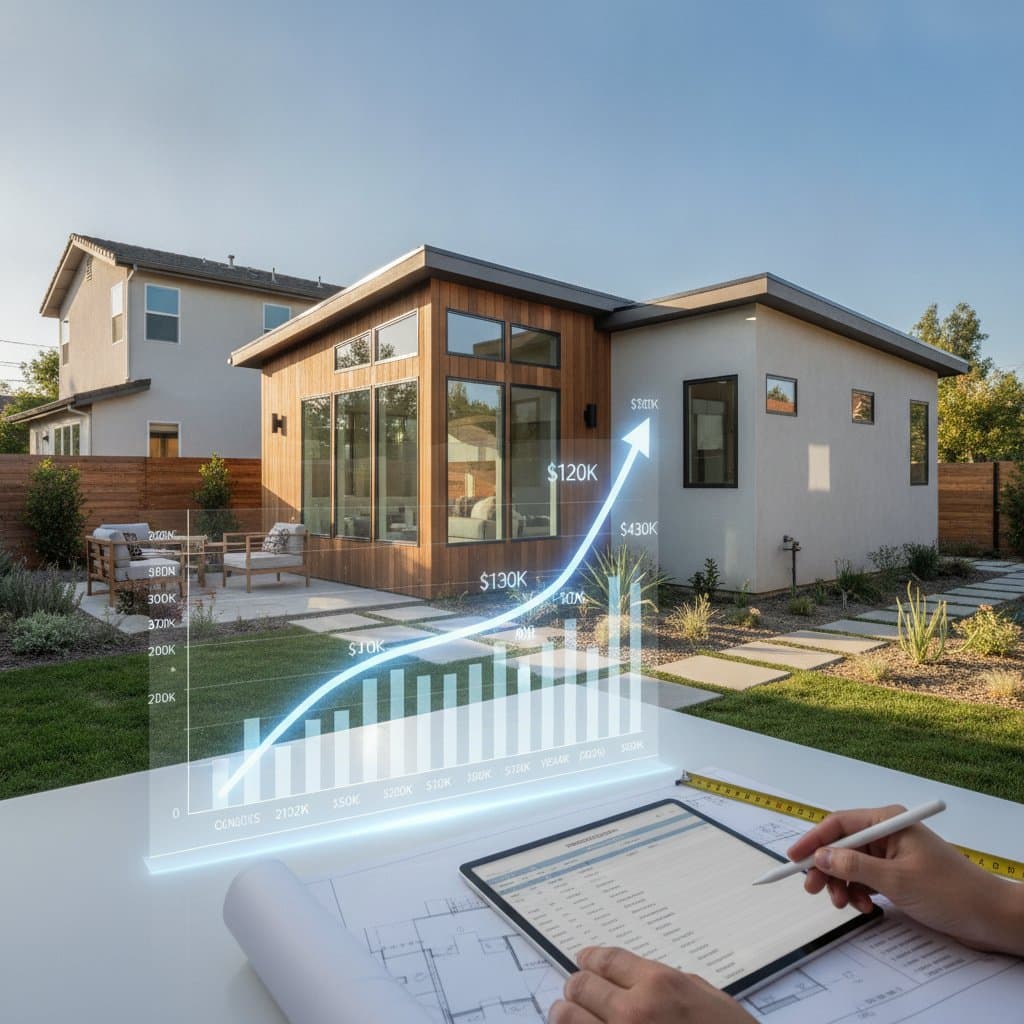
Projections for 2026 reflect a 4 to 6 percent annual increase from current benchmarks, influenced by material inflation and labor shortages. Ranges account for standard features; custom elements elevate figures.
Attached Suite
These extensions leverage shared infrastructure, yielding costs of $120,000 to $250,000 for 500 to 800 square feet. They suit scenarios requiring proximity, such as care for elders or returning adults.
Advantages: Reduced complexity lowers overall outlay.
Integration Advice: Align exterior cladding, edging, and roofing for seamless aesthetics. Incorporate acoustic barriers in walls to enhance seclusion.
Detached ADU
Independent units demand complete utilities, pushing expenses to $200,000 to $400,000 for similar sizes. They excel in promoting household separation and offer versatility for guests or income generation.
Advantages: Full autonomy with potential revenue streams.
Integration Advice: Select hues that echo the main dwelling, like pairing earthy brick with muted stone tones, to foster unity without uniformity.
Garage Conversion
Repurposing garages proves economical at $50,000 to $150,000, focusing funds on interiors rather than shells. This method minimizes yard disturbance and accelerates timelines.
Advantages: Utilizes dormant areas efficiently.
Integration Advice: Install clerestory windows for illumination. Coordinate portal and molding shades with the home's palette.
Basement or Attic Conversion
Leveraging enclosed volumes keeps costs at $40,000 to $120,000, assuming sound foundations. Basements require drainage solutions and escape routes; attics need joist strengthening and thermal upgrades.
Advantages: Optimizes indoor footprints on constrained sites.
Integration Advice: Apply pale hues and multi-tiered illumination to expand perceived space. Integrate cabinetry to navigate roof angles.
Navigating Legal and Zoning Requirements
Commence with municipal code reviews, as policies evolve to accommodate family housing. Constraints may cap unit dimensions at 1,000 square feet or mandate parking provisions. Aesthetic guidelines preserve community aesthetics.
Partner with regulation-savvy builders to manage filings, utility verifications, and adherence to accessibility norms. This collaboration averts delays and fines.
Strategies for Design and Stylistic Harmony
Seamless additions elevate curb appeal and functionality. Base choices on the residence's motif and scheme.
Exterior Material Choices
- Cladding: Select enduring options like fiber cement boards that mirror original textures.
- Edging: Maintain uniform contours and finishes for cohesion.
- Coverings: Replicate slope and material to sustain form.
Palette Strategies
Achieve balance through:
- Monochromatic schemes with tonal variations for fluidity.
- Complementary pairings, such as taupe bases with verdant highlights.
- Neutral bases accented by vibrant elements in portals or greenery.
Illumination and Greenery
Strategic fixtures, including path guides and entry lanterns, bolster security and allure. Plantings like hedges or borders delineate areas while unifying the landscape.
Sustaining Value Through Upkeep
Well-cared-for additions preserve utility and appreciate assets. Prioritize robust surfaces that withstand use. Resilient exteriors, such as composite panels, curtail ongoing efforts versus traditional timber.
Efficient apparatuses, from luminous bulbs to sealed glazing and advanced climate controls, trim operational costs. Such attributes attract purchasers and amplify returns.
Upkeep Protocols
- Examine seals and borders yearly against water intrusion.
- Clear drainage channels to safeguard bases.
- Refresh outer coatings periodically for enduring vibrancy.
- Prune foliage to ensure airflow and prevent adhesion.
Routine attentions prolong durability and sustain appeal.
Effective Budgeting and Execution
Establish budgets via itemized contractor proposals encompassing supplies, approvals, expertise, and reserves of 10 to 15 percent for variables.
Engaging Experts
Tackle superficial tasks independently, but delegate frameworks, conduits, and circuits to certified specialists. Oversee intricate endeavors with coordinators who synchronize disciplines and uphold standards.
Optimization Tactics
- Source bulk materials for discounts.
- Phase work to align with fiscal cycles.
- Explore incentives for green upgrades.
These measures control expenditures while delivering enduring benefits.